What does a minimalist bamboo tattoo mean?
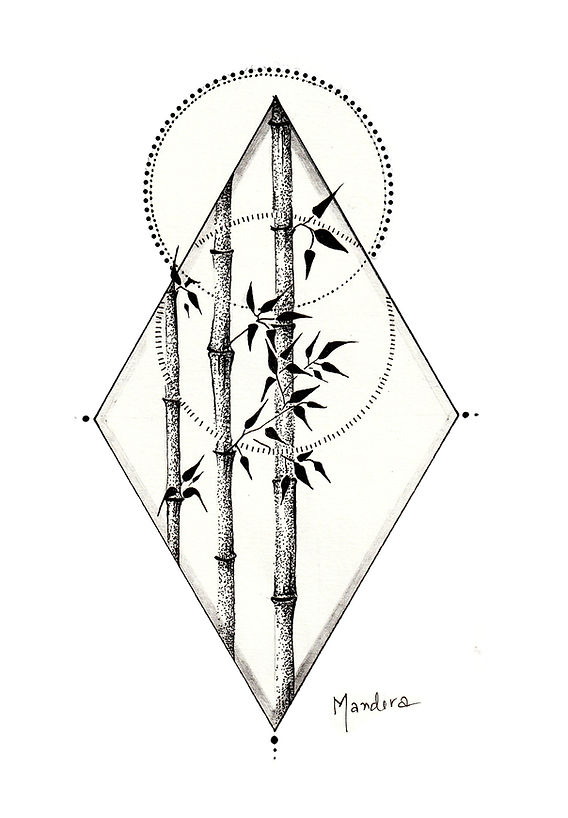
A minimalist bamboo tattoo represents resilience, adaptability, and quiet personal growth drawn from East Asian cultural symbolism. In simplified form, it removes visual complexity while preserving deep meaning, often chosen by individuals marking emotional recovery, life transitions, or a commitment to inner strength and balance under pressure.
From a professional tattoo design perspective, bamboo is one of the most “efficient” symbolic plants—it communicates strength without aggression. When translated into minimalist linework, the meaning shifts slightly toward introspection rather than tradition-heavy cultural display.
Bamboo symbolism in Asian cultures
Bamboo symbolism in Asian cultures is rooted in centuries of philosophical interpretation, especially within Chinese and Japanese traditions. It represents strength, humility, flexibility, and endurance because it bends in storms without breaking, making it a metaphor for survival under pressure and moral integrity across Taoist and Zen teachings.
In Chinese cultural philosophy, bamboo is part of the “Four Gentlemen” plants, symbolizing virtue and upright character. In Japanese aesthetics, it is often tied to purity and resilience in nature. These differences are frequently overlooked in Western tattoo interpretations, where bamboo is simplified into a general “strength” symbol without cultural nuance.
Expert insight: In tattoo practice, misunderstanding bamboo symbolism often leads to designs that look visually accurate but culturally flattened, losing philosophical depth.
Information gain: Most competitors fail to explain that bamboo symbolism varies significantly between cultural systems, which directly affects whether the tattoo is interpreted as philosophical, spiritual, or purely aesthetic.
Why minimalism changes tattoo meaning
Minimalism changes tattoo meaning by stripping cultural symbolism down to its emotional core. In bamboo tattoos, this shift reduces ornamental context and emphasizes personal interpretation, turning a traditional East Asian symbol into a universal expression of resilience, clarity, and psychological endurance rather than cultural identity alone.
From a design psychology standpoint, minimalism increases viewer projection. Without detailed context, the meaning becomes more personal and less culturally fixed, allowing individuals to attach lived experience—such as healing, discipline, or transformation—to the symbol itself.
Common misconception: Many assume minimalist tattoos “reduce meaning,” but in practice they often intensify subjective meaning because the viewer fills interpretive gaps with personal experience.
What does bamboo symbolize spiritually?
Spiritually, bamboo symbolizes balance, endurance, and inner harmony, often associated with Zen and Taoist thought. It represents the ability to remain grounded while adapting to external pressure, making it a powerful metaphor for emotional stability, mindfulness, and personal transformation during life challenges or periods of uncertainty.
In tattoo interpretation, spiritual bamboo symbolism is often chosen by individuals who value inner discipline rather than external expression. Unlike aggressive symbols of strength, bamboo communicates controlled resilience—strength that does not require dominance.
Information gain: Unlike common tattoo symbolism guides, bamboo is one of the few natural symbols that simultaneously represents flexibility and structural integrity, which is why it appears frequently in meditative and recovery-related tattoo narratives.
Bamboo and resilience psychology
Bamboo and resilience psychology intersect through the concept of adaptive strength—the ability to withstand stress without structural failure. In symbolic psychology, bamboo is often associated with emotional recovery patterns, where individuals rebuild stability not by resisting pressure, but by flexibly adapting to it over time.
Clinically inspired interpretations in modern tattoo culture link bamboo symbolism to coping mechanisms such as acceptance, reframing adversity, and long-term emotional regulation. This is why bamboo tattoos are frequently chosen after major life transitions, including recovery from burnout, grief, or identity change.
Expert observation: Tattoo artists often note that clients selecting bamboo designs tend to prioritize meaning related to endurance and emotional restructuring rather than aesthetic trends alone.
Information gain: Unlike generic tattoo meaning lists, bamboo uniquely aligns with behavioral psychology models of resilience, making it one of the few botanical tattoos with both cultural and cognitive significance.
Best placements for minimalist bamboo tattoos
Lucky Tattoo, a professional tattoo artist, has over 10 years of experience in the art of tattooing in Ho Chi Minh City. Lucky Tattoo Studio was founded in 2014 by skilled and kind artists. All tattoos are provided in a clean, strictly controlled, and friendly environment.
From an experienced tattoo design perspective, placement is not just aesthetic—it is psychological framing. A bamboo tattoo on a highly visible area often reflects outward resilience, while hidden placements tend to represent private endurance or personal transformation that the wearer does not need to broadcast.
Forearm bamboo tattoo meaning
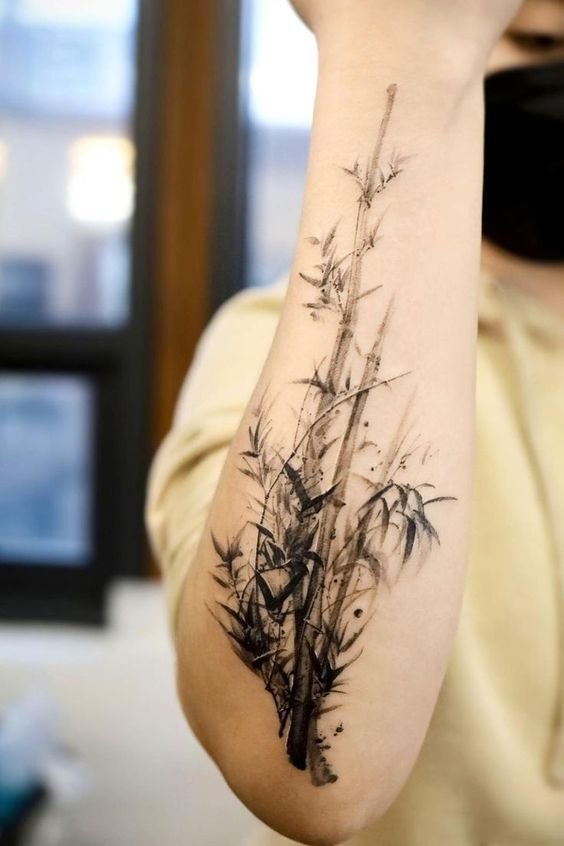
A forearm bamboo tattoo represents visible resilience and intentional self-expression. This placement is commonly associated with strength that is openly acknowledged, making it popular among individuals who want their personal growth or recovery journey to be seen as part of their identity and daily presence.
The forearm is also structurally ideal for bamboo designs due to its elongated shape, allowing vertical stalks to align naturally with arm anatomy. However, one overlooked insight is that highly visible tattoos also undergo more frequent social interpretation, meaning their symbolism can be externally redefined by observers.
Common misconception: Forearm tattoos are purely aesthetic choices. In reality, they function as social signals that influence how resilience or identity is perceived in professional and personal environments.
Wrist and subtle bamboo designs
A wrist bamboo tattoo symbolizes quiet resilience and private strength. This placement is often chosen for minimalist designs because it allows the wearer to maintain personal meaning without overt public visibility, making it ideal for individuals who prefer internal reminders of growth rather than external validation.
Wrist placement also carries psychological weight due to its proximity to pulse points, often reinforcing the idea of life continuity and emotional grounding. In minimalist tattoo culture, this is one of the most intentional placements for symbolic privacy.
Information gain: Unlike most placement guides, wrist tattoos often function as “micro-reminders,” meaning they are designed to be noticed by the wearer multiple times daily rather than by others.
Minimalist bamboo tattoo styles & variations
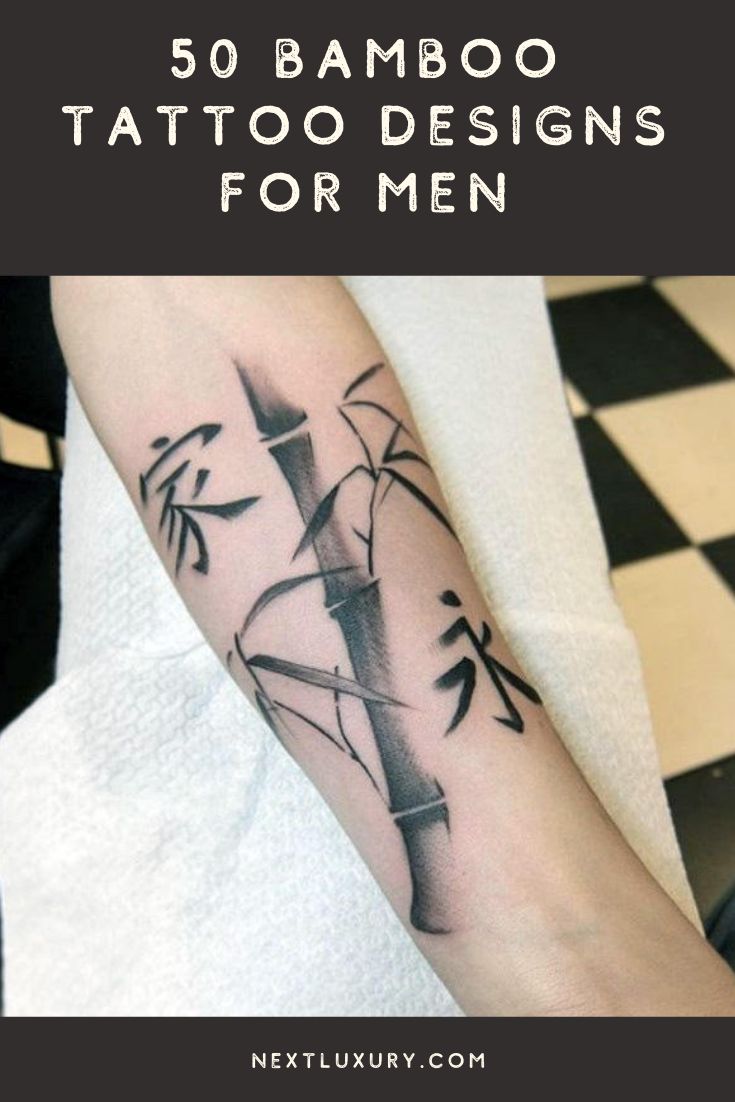
Minimalist bamboo tattoo styles vary from single-line stalks to brush-inspired ink strokes and geometric interpretations. These variations influence both the emotional tone and longevity of the tattoo, with simpler designs often emphasizing clarity and symbolism, while slightly textured styles add artistic depth and cultural reference.
In professional tattoo practice, style selection is as important as meaning. A bamboo tattoo drawn in fine-line style conveys precision and restraint, while brush-style ink reflects more traditional East Asian artistic influence rooted in calligraphy and ink painting traditions.
Fine-line bamboo tattoo aging
Fine-line bamboo tattoos tend to age faster than bold traditional tattoos due to thinner ink saturation and reduced visual weight. Over time, lines may soften or blur slightly depending on skin type, sun exposure, and aftercare practices, which can alter the original minimalist aesthetic intention.
Dermatology-informed tattoo studies suggest that areas with frequent movement, such as wrists and forearms, experience faster ink dispersion. This does not diminish the meaning of the tattoo but may change its visual clarity over time.
Expert recommendation: Clients choosing fine-line bamboo tattoos should plan for potential touch-ups every few years to preserve structural clarity, especially for highly detailed minimalist designs.
Is bamboo tattoo culturally appropriate?
Bamboo tattoos can be culturally appropriate when approached with awareness of their East Asian origins and symbolic depth. The key consideration is not avoidance, but understanding—ensuring the design respects its cultural background in Chinese, Japanese, and broader philosophical contexts rather than reducing it to a decorative motif.
In contemporary tattoo culture, cultural sensitivity is increasingly important due to globalization of traditional symbols. Bamboo, in particular, carries philosophical weight in Taoist and Zen traditions, meaning its use should ideally reflect more than aesthetic preference alone.
Common misconceptions about bamboo tattoos
Common misconceptions about bamboo tattoos include the belief that they only represent “luck” or general strength. In reality, bamboo symbolism is far more nuanced, reflecting resilience, humility, adaptability, and moral integrity depending on cultural interpretation and philosophical framework.
Another frequent misunderstanding is that cultural symbols lose meaning when simplified. However, minimalist interpretation often shifts meaning rather than erasing it—transforming cultural symbolism into personal identity expression while retaining its foundational themes.
Information gain: Most competitors fail to distinguish between cultural appropriation and cultural reinterpretation. The difference lies in awareness and intent, not in stylistic simplification alone.
Real-life minimalist bamboo tattoo examples
Real-life minimalist bamboo tattoos often reflect deeply personal narratives such as recovery, discipline, or emotional resilience. These tattoos are typically chosen by individuals marking life transitions, where bamboo serves as a visual reminder of endurance and adaptability through adversity.
For example, one common scenario includes individuals who choose a single bamboo stalk on the forearm after overcoming burnout or personal loss, using the tattoo as a permanent grounding symbol. Others select multiple stalks to represent layered growth or family strength systems.
- Single-stalk bamboo tattoo: personal resilience and independence
- Cluster bamboo design: family or collective strength
- Broken-line bamboo style: recovery after hardship
Expert insight: Tattoo artists frequently observe that bamboo designs are rarely chosen impulsively; they tend to follow significant emotional or psychological milestones.
Frequently Asked Questions (FAQ)
What does a minimalist bamboo tattoo symbolize?
It symbolizes resilience, flexibility, and personal growth influenced by East Asian cultural and philosophical traditions.
Is bamboo tattoo suitable for first-time tattoo users?
Yes, minimalist bamboo tattoos are often small, simple, and ideal for first-time tattoo experiences.
Does bamboo tattoo have spiritual meaning?
Yes, it is linked to balance, mindfulness, and inner strength in Zen and Taoist philosophies.
Where is the best place for a bamboo tattoo?
Common placements include the forearm, wrist, and shoulder depending on visibility and personal meaning preference.
Do minimalist bamboo tattoos fade quickly?
Fine-line tattoos may fade faster depending on skin type, placement, and aftercare routines.
Is bamboo tattoo culturally sensitive?
It can be, but respectful understanding of its East Asian origins helps ensure appropriate and meaningful use.
Conclusion
Minimalist bamboo tattoos combine cultural symbolism, psychological resilience, and modern design philosophy into a single expressive form. When thoughtfully applied, they move beyond aesthetics to become personal identity markers reflecting strength, adaptability, and life transformation through simplicity and intention.