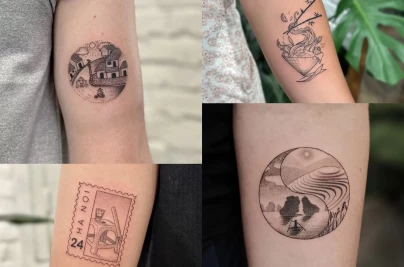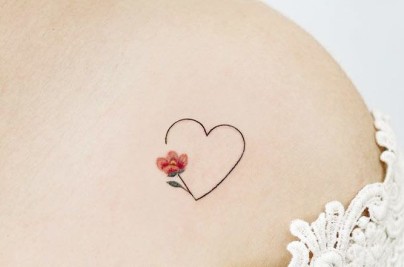
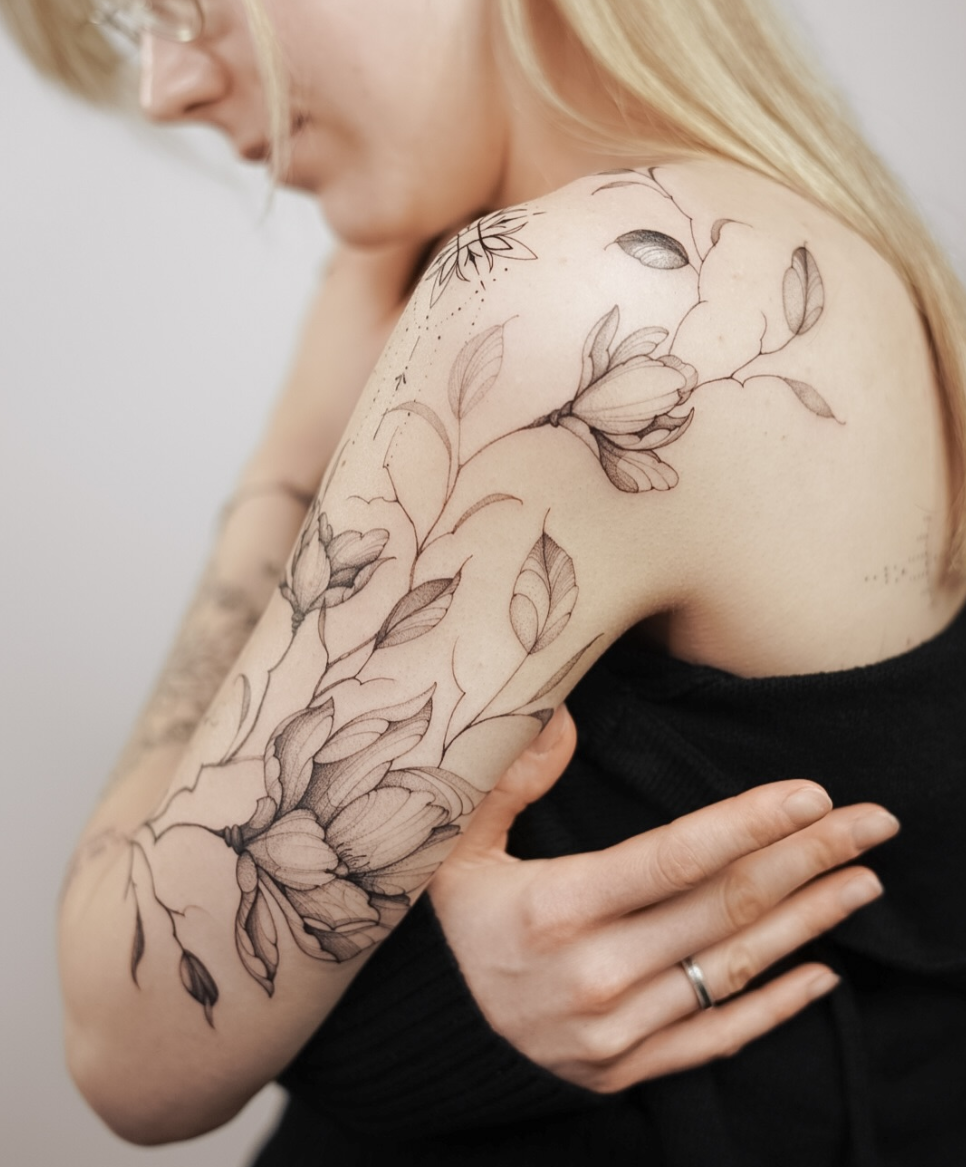
Fine line tattoos have become one of the most requested tattoo styles in Vietnam, particularly among clients seeking elegant, subtle, and highly personalized body art. From minimalist symbols and delicate florals to meaningful script and micro-detail designs, fine line tattooing combines artistic precision with modern aesthetics.
However, the popularity of fine line tattoos has also created a common problem: many clients focus entirely on appearance while overlooking the technical factors that determine whether the tattoo will still look beautiful years later. The reality is that a fine line tattoo can either age exceptionally well or lose clarity surprisingly quickly depending on the artist’s skill, tattoo placement, skin characteristics, and aftercare decisions.
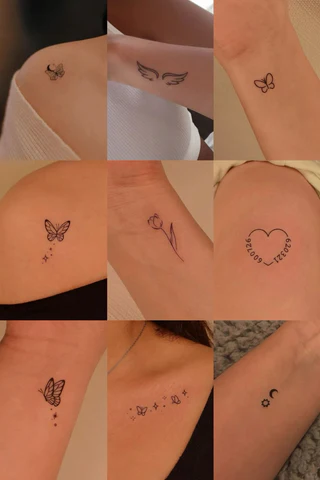
This guide provides an expert-level overview of fine line tattooing in Vietnam, including how the technique works, how to choose the right artist, what affects longevity, and the practical considerations most competitors fail to discuss.
What Is a Fine Line Tattoo?
A fine line tattoo is a tattoo style that uses extremely thin, precise lines to create clean, delicate artwork. Unlike traditional tattoos that rely on thicker outlines and heavier shading, fine line tattoos prioritize subtle detail, minimalist aesthetics, and refined execution while requiring a significantly higher level of technical accuracy from the artist.
The defining characteristic of a fine line tattoo is not necessarily its size but the precision of its linework. While many people associate fine line tattoos with tiny tattoos, the style can be applied to larger custom pieces as well.
Popular fine line tattoo designs include:
- Minimalist symbols
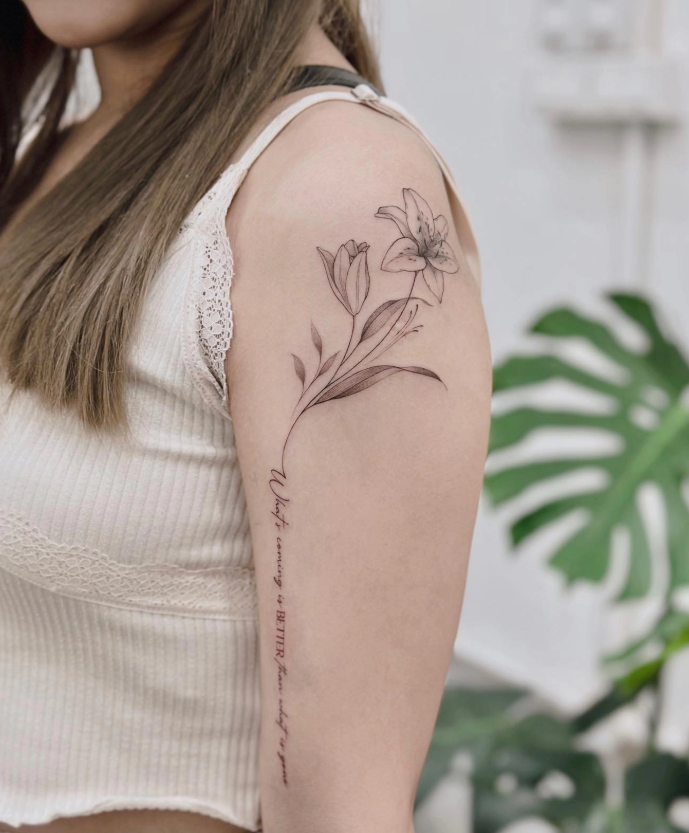
- Botanical illustrations
- Single-word scripts
- Constellations
- Micro-realism elements
- Travel-inspired tattoos
- Pet portraits
- Fine line geometric artwork
In Vietnam, demand for fine line tattoo styles has grown rapidly among both local clients and international visitors seeking sophisticated tattoos that complement professional lifestyles.
How Fine Line Tattoos Differ From Traditional Tattoos
Fine line tattoos use thinner outlines, lighter visual weight, and greater precision than traditional tattoo styles. Traditional tattoos emphasize bold lines and saturation for longevity, while fine line tattoos prioritize elegance and subtle detail, making artist technique significantly more important.
One misconception is that fine line tattoos are easier to execute because they appear simple. In reality, the opposite is true.
Traditional tattoos often benefit from thicker outlines that can visually conceal minor inconsistencies. Fine line work offers virtually no margin for error.
| Fine Line Tattoo | Traditional Tattoo |
|---|---|
| Thin, delicate lines | Bold outlines |
| Minimal visual weight | Strong visual impact |
| Requires extreme precision | More forgiving technique |
| Often minimalist | Often highly saturated |
| Placement-sensitive | Generally more durable |
Experienced artists often describe fine line tattooing as the difference between writing with a calligraphy pen versus drawing with a marker. Every movement becomes visible.
Fine Line vs Single Needle Tattoo: Understanding the Difference
Fine line tattoos and single needle tattoos are related but not identical. A fine line tattoo refers to the visual style, while single needle tattooing refers to the technical method used to create certain types of linework.
This distinction is frequently misunderstood by tattoo clients.
A tattoo can be:
- Fine line without using a single needle
- Single needle without being minimalist
- Both fine line and single needle
Single needle tattooing uses one needle point rather than grouped needles. This allows artists to produce extremely fine details, but it also requires exceptional control over depth and consistency.
Many professional fine line tattoo artists today use carefully selected needle groupings rather than a single needle because they provide better consistency and longevity for certain designs.
Expert Observation: The best fine line tattoos are not defined by the needle count. They are defined by line consistency, appropriate ink saturation, and long-term healing performance.
Fine Line vs Minimalist Tattoo: Common Misconceptions
Fine line tattoos and minimalist tattoos often overlap, but they describe different aspects of a tattoo. Fine line refers to technique and line quality, while minimalist refers to design simplicity and visual composition.
A minimalist tattoo can be created using bold lines.
A highly detailed botanical illustration can be executed entirely in fine line style without being minimalist.
Understanding this difference helps clients communicate more effectively during consultations.
For example:
- A small black triangle = minimalist tattoo
- A realistic rose made with ultra-thin lines = fine line tattoo
- A tiny script word = both minimalist and fine line
Clients who understand these distinctions generally receive more accurate tattoo proposals because they can describe both the artistic style and the desired technique.
Why Fine Line Tattoos Have Become So Popular in Vietnam
Fine line tattoos have gained popularity in Vietnam because they align with modern design trends, professional lifestyles, and growing demand for personalized body art that feels elegant rather than visually overwhelming.
Several cultural and aesthetic shifts have contributed to this growth.
- Increasing popularity of minimalist design
- Greater acceptance of tattoos in professional environments
- Social media influence
- Growth of international tattoo tourism
- Demand for meaningful personal artwork
Many clients today are not seeking large statement pieces. Instead, they want tattoos that serve as personal reminders, symbols of life experiences, or artistic expressions that integrate naturally with everyday appearance.
Why Fine Line Tattoos Require Specialized Artist Skills
Fine line tattoos require specialized technical expertise because even minor inconsistencies become immediately visible. Factors such as needle depth, hand stability, skin tension, and ink saturation play a critical role in determining both the appearance and long-term durability of the tattoo.
One of the biggest mistakes clients make is assuming that every tattoo artist can produce high-quality fine line work.
In practice, many artists specialize in specific styles. Someone who excels at bold traditional tattoos may not necessarily excel at delicate linework.
The Science of Thin-Line Tattooing
Fine line tattooing requires depositing pigment into the dermis with extraordinary consistency. If the needle enters too shallowly, the tattoo may fade prematurely. If it goes too deep, the lines can blur and spread over time.
Human skin is not a perfectly smooth canvas.
Different areas of the body vary in:
- Thickness
- Elasticity
- Oil production
- Healing characteristics
- Sun exposure risk
Professional artists constantly adjust their technique based on these variables.
This explains why creating a crisp fine line tattoo on the forearm is often easier than achieving the same result on fingers or feet.
Needle Configurations Used in Fine Line Work
Professional fine line tattoo artists select needle configurations based on design requirements, skin conditions, and expected healing outcomes. The smallest needle is not always the best option for longevity.
Many clients believe thinner automatically means better.
Experienced artists understand that excessively thin lines can compromise readability years later.
The goal is not to create the thinnest possible line.
The goal is to create the finest line that will continue to look clean after healing and aging.
This distinction separates experienced specialists from inexperienced technicians.
Why Precision Matters More Than Speed
Successful fine line tattoos are built on consistency rather than speed. Professional artists often work more slowly because maintaining line quality is more important than completing the tattoo quickly.
When evaluating portfolios, many clients focus exclusively on fresh tattoos.
A more important question is:
How do the artist’s tattoos look after they have healed for one year or longer?
Healed work often reveals the true quality of technique.
Professional artists are usually willing to show healed examples because they understand that longevity is one of the strongest indicators of skill.
Common Technical Mistakes Inexperienced Artists Make
Most failed fine line tattoos are not caused by aftercare mistakes. They are caused by technical execution errors during the tattooing process that become increasingly visible as the tattoo heals and ages.
Common issues include:
- Uneven line depth
- Overworking the skin
- Blown-out lines
- Poor stencil placement
- Excessively small details
- Insufficient spacing between elements
One overlooked problem is overcrowding.
Many designs look beautiful on paper but become problematic once transferred onto living skin.
As tattoos age naturally, tiny elements may visually merge together.
Experienced fine line tattoo artists often simplify designs slightly to improve long-term readability. This is a sign of expertise rather than limitation.
How Long Do Fine Line Tattoos Last?
Fine line tattoos can last decades when executed properly, but their visual sharpness changes over time. Longevity depends on artist skill, placement, skin characteristics, sun exposure, and design complexity rather than the fine line style alone.
Perhaps the most persistent myth in the tattoo industry is that all fine line tattoos disappear quickly.
The truth is more nuanced.
Some fine line tattoos remain remarkably clear after many years, while others lose definition much sooner.
The difference usually comes down to technical decisions made before the tattoo ever heals.
The Truth About Fine Line Tattoo Fading
Fine line tattoos do not inherently fade faster than other tattoos. However, because the lines are thinner, any fading becomes more noticeable compared to bold designs that contain larger amounts of pigment.
Every tattoo changes over time.
This is normal.
Skin continuously regenerates, stretches, and responds to environmental exposure.
The objective is not preventing change entirely.
The objective is ensuring the tattoo ages gracefully.
Well-executed fine line tattoos often soften slightly while maintaining readability and aesthetic appeal.
Factors That Affect Tattoo Longevity
Fine line tattoo longevity depends on multiple biological and technical factors working together. Understanding these variables helps clients make better decisions before choosing a design, placement, or artist. “`html
Skin Type
Different skin types heal and retain tattoo pigment differently. Oily skin, highly sun-exposed skin, and skin with significant texture variations may influence how crisp fine line tattoos appear after healing.
Experienced tattoo artists often adjust design complexity based on skin characteristics. A design that performs beautifully on one client may require modification for another.
Sun Exposure
Ultraviolet radiation is one of the most significant contributors to tattoo fading. Fine line tattoos exposed to frequent sunlight often lose visual sharpness faster than tattoos protected by clothing.
Daily sunscreen use remains one of the simplest and most effective ways to preserve tattoo quality.
Placement on the Body
Areas subjected to friction, frequent movement, or constant environmental exposure tend to experience faster visual degradation.
Hands, fingers, feet, and palms remain among the most challenging placements for long-term fine line tattoo clarity.
Tattoo Depth
Consistent pigment placement within the dermis is essential. Lines placed too shallow may fade rapidly, while excessive depth can contribute to pigment migration and blurred edges.
Artist Technique
Technical execution remains the single most important factor affecting longevity. Even perfect aftercare cannot compensate for poor application techniques.
Healed Fine Line Tattoos: What to Expect After 1, 3, and 5 Years
Well-executed fine line tattoos evolve gradually rather than deteriorating suddenly. Most quality tattoos soften slightly over time while maintaining legibility, balance, and aesthetic appeal when designed and applied correctly.
Many clients incorrectly compare fresh tattoos to healed tattoos.
Fresh tattoos represent the immediate result. Healed tattoos reveal the true outcome.
| Timeframe | Typical Appearance |
|---|---|
| 1 Year | Slight softening, excellent clarity |
| 3 Years | Natural settling of lines, minor spreading |
| 5 Years+ | Depends heavily on placement, artist skill, and lifestyle factors |
Clients who prioritize longevity often choose slightly larger designs with adequate spacing because these age more predictably.
Information Gain: The Fine Line Tattoo Longevity Framework
Fine line tattoo longevity can be predicted using a practical framework that evaluates placement, skin quality, artist expertise, lifestyle factors, design complexity, and environmental exposure rather than relying on tattoo style alone.
This framework is rarely discussed in tattoo marketing but provides a more realistic assessment of long-term outcomes.
| Factor | Impact on Longevity |
|---|---|
| Artist Experience | Very High |
| Placement Choice | Very High |
| Sun Exposure | High |
| Design Size | High |
| Aftercare | Moderate to High |
| Skin Characteristics | Moderate |
Overlooked Insight: Many tattoo failures blamed on “fine line tattoos” are actually caused by poor placement choices or insufficient spacing between design elements.
Best Placement Areas for Fine Line Tattoos
The best placement areas for fine line tattoos combine stable skin, low friction, moderate sun exposure, and sufficient surface area. Strategic placement significantly improves both healing quality and long-term clarity.
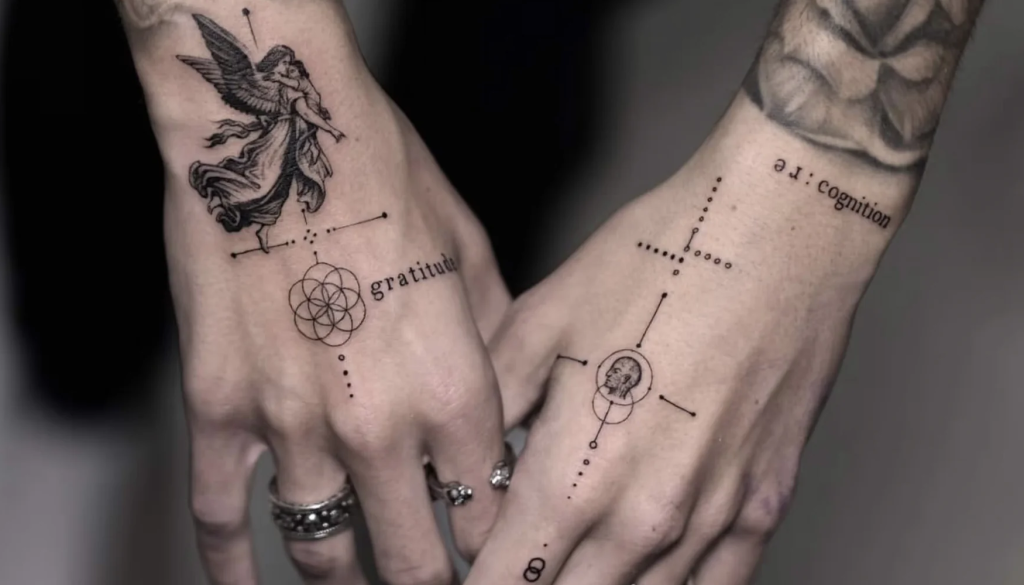
Placement decisions should never be based solely on aesthetics.
Professional artists evaluate how a tattoo will look years into the future rather than focusing exclusively on the first few months.
Areas That Age Well
Several body locations consistently provide better healing conditions, reduced friction, and improved long-term tattoo retention, making them ideal for fine line and single needle tattoo designs.
Forearm
The forearm offers one of the best combinations of visibility, stability, and longevity.
Upper Arm
This area experiences relatively low friction and often ages gracefully.
Shoulder
Shoulders provide sufficient surface area for both minimalist and larger fine line compositions.
Calf
Calves generally maintain tattoo clarity well and offer flexibility for future additions.
Areas That Fade Faster
High-movement and high-friction areas tend to challenge tattoo longevity. While these locations remain popular, clients should understand the maintenance implications before choosing them.
Fingers
Frequent handwashing, friction, and skin regeneration contribute to faster fading.
Hands
Constant environmental exposure makes hands one of the most demanding placements.
Feet
Shoes, movement, and friction can affect healing and retention.
Rib Area
Although visually appealing, rib tattoos often experience stretching and movement during healing.
Placement Recommendations Based on Design Type
Different tattoo concepts perform better in specific locations. Matching design characteristics to placement improves both aesthetics and longevity.
- Script tattoos: Forearm, upper arm, collarbone
- Botanical tattoos: Forearm, calf, shoulder
- Tiny tattoos: Wrist, ankle, behind ear
- Geometric designs: Forearm, upper arm
- Personal symbols: Nearly any stable skin surface
Popular Fine Line Tattoo Designs in Vietnam
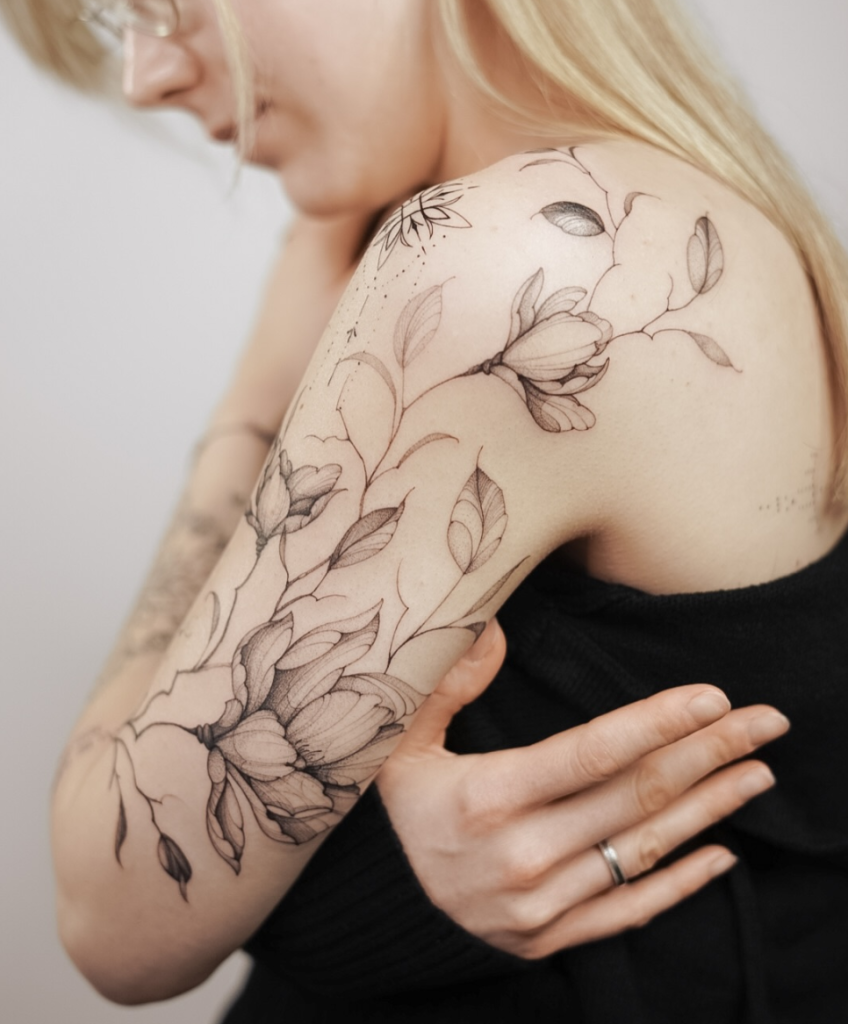
Popular fine line tattoo designs in Vietnam reflect global minimalist trends while incorporating personal symbolism, travel experiences, cultural influences, and highly individualized artistic concepts.
Rather than following trends blindly, experienced artists encourage clients to prioritize personal meaning and long-term relevance.
Minimalist Tattoos
Minimalist tattoos focus on simplicity, clean composition, and meaningful symbolism. Their timeless appearance makes them one of the most requested fine line tattoo categories.
Tiny Tattoos
Tiny tattoos offer subtle self-expression while maintaining professional versatility. However, extremely small designs require careful planning to remain readable over time.
Botanical and Floral Designs
Botanical tattoos remain highly popular because they combine elegance, natural forms, and strong compatibility with fine line techniques.
Script and Lettering Tattoos
Meaningful words, quotes, dates, and names continue to be among the most requested fine line tattoo concepts worldwide.
Letter spacing and font selection are critical for long-term readability.
Zodiac and Symbol Tattoos
Zodiac signs, celestial symbols, and geometric elements provide visually simple yet highly personal tattoo options.
Custom Personal Meaning Tattoos
The most memorable tattoos are often those developed collaboratively between client and artist rather than copied directly from social media references.
How to Choose the Right Fine Line Tattoo Artist
Selecting the right fine line tattoo artist has a greater impact on outcomes than design choice, pricing, or equipment. Portfolio quality, healed results, consultation practices, and technical specialization should guide the decision-making process.
Portfolio Review Checklist
A professional portfolio should demonstrate consistency, healed examples, strong line control, and versatility across multiple skin types and tattoo placements.
- Request healed photos
- Review multiple projects
- Examine line consistency
- Look for balanced compositions
- Verify original custom work
- Evaluate long-term results
Questions to Ask Before Booking
Effective consultations reveal an artist’s expertise and willingness to prioritize long-term tattoo quality over short-term sales.
- Can you show healed examples?
- Do you specialize in fine line tattooing?
- Would you modify this design for longevity?
- How should I prepare my skin?
- What aftercare protocol do you recommend?
Red Flags to Avoid
Certain warning signs consistently indicate elevated risk of poor tattoo outcomes and should not be ignored.
- No healed portfolio
- Unusually low pricing
- Poor hygiene standards
- Overcrowded designs
- Pressure-based sales tactics
- Lack of consultation process
Signs of a Skilled Fine Line Tattoo Artist
Experienced specialists prioritize longevity, realistic expectations, and client education rather than making unrealistic promises about perfection or permanence.
Expert Recommendation: Artists who occasionally advise against certain placements or design choices often demonstrate stronger professional judgment than those who agree to everything.
Fine Line Tattoo Aftercare Guide
Proper aftercare supports healing, minimizes complications, and helps preserve tattoo quality. While aftercare cannot fix poor technique, it significantly influences how well a tattoo settles during the critical healing period.
First 24 Hours
The first day focuses on cleanliness, protection, and following artist instructions precisely.
- Keep the area clean
- Avoid touching unnecessarily
- Follow dressing instructions
- Stay hydrated
First Week
The first week is when most healing complications occur. Consistency is more important than using numerous skincare products.
- Use recommended aftercare products
- Avoid swimming
- Avoid excessive sweating
- Do not scratch or pick flakes
Weeks 2–6
During this period, surface healing progresses while deeper skin structures continue recovering.
Many clients mistakenly believe healing is complete once peeling stops.
Long-Term Maintenance
Long-term tattoo quality depends heavily on skincare, UV protection, and healthy lifestyle habits.
- Apply sunscreen regularly
- Maintain skin hydration
- Avoid unnecessary abrasion
- Monitor changes over time
Common Healing Mistakes That Cause Premature Fading
Most preventable tattoo quality issues stem from poor aftercare decisions during the first several weeks after the procedure.
- Excessive sun exposure
- Picking scabs
- Over-moisturizing
- Ignoring artist instructions
- Swimming too early
Fine Line Tattoo Myths Debunked
Many misconceptions about fine line tattoos originate from outdated information, poorly executed examples, or misunderstandings regarding tattoo aging and healing processes.
Myth: Fine Line Tattoos Always Disappear
Quality fine line tattoos can remain attractive for decades when properly designed, placed, and maintained.
Myth: Single Needle Means Better Quality
Needle selection is merely a tool. Technical execution determines results.
Myth: Tiny Tattoos Require Less Skill
Smaller tattoos often require greater precision because errors are more visible.
Myth: Fine Line Tattoos Are Pain-Free
Pain depends on placement, individual sensitivity, session length, and anatomy rather than tattoo style alone.
FAQ: Fine Line Tattoo Vietnam
Is a fine line tattoo the same as a single needle tattoo?
No. Fine line describes the visual style, while single needle refers to one possible tattooing technique used to create certain details.
How long do fine line tattoos last?
Most well-executed fine line tattoos can remain attractive for many years or decades, although some natural softening occurs over time.
Do fine line tattoos blur?
All tattoos experience some degree of natural spreading. Skilled application and proper spacing help minimize this effect.
What is the best placement for a fine line tattoo?
Forearms, upper arms, shoulders, and calves generally offer excellent long-term results.
Are fine line tattoos safe?
When performed in a professional studio following proper sterilization and hygiene protocols, tattooing is generally considered safe for healthy individuals.
Can tourists get fine line tattoos in Vietnam?
Yes. Vietnam has become a popular tattoo destination, but visitors should carefully evaluate artist portfolios, hygiene standards, and aftercare requirements.
Do fine line tattoos require touch-ups?
Some tattoos may benefit from touch-ups depending on placement, design complexity, healing response, and lifestyle factors.
Conclusion: Is a Fine Line Tattoo Right for You?
Fine line tattoos represent one of the most refined and technically demanding forms of modern tattoo artistry. Their appeal lies in subtle elegance, personalized storytelling, and timeless visual simplicity. However, achieving exceptional results requires much more than selecting an attractive design.
The strongest predictors of success remain artist expertise, thoughtful placement, realistic sizing, proper healing practices, and long-term skin care. Clients who understand these factors consistently achieve tattoos that remain beautiful long after the initial session.
The most important takeaway is that fine line tattoo longevity is not determined by style alone. It is determined by informed decision-making before the tattoo is ever applied.
If you are researching skin health, healing processes, infection prevention, dermatological considerations, or evidence-based guidance related to tattoos and overall wellness, continue your research with trusted educational resources.
Lucky Tattoo, a professional tattoo artist, has over 10 years of experience in the art of tattooing in Ho Chi Minh City. Lucky Tattoo Studio was founded in 2014 by skilled and kind artists. All tattoos are provided in a clean, strictly controlled, and friendly environment.