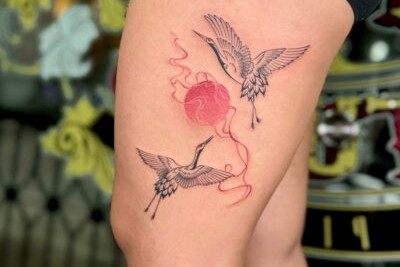
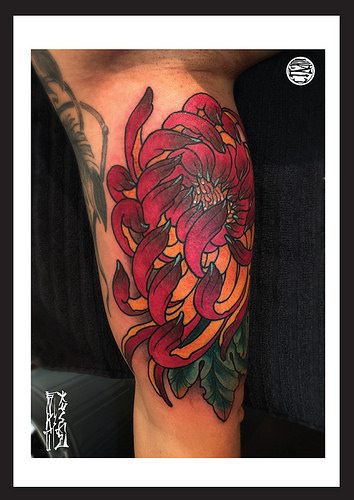
What Are Traditional Asian Flower Tattoo Meanings?
Traditional Asian flower tattoo meanings refer to symbolic interpretations of flowers rooted in East and Southeast Asian cultural, religious, and philosophical systems. These meanings are not decorative alone; they reflect centuries of Buddhist, Taoist, and imperial influences shaping how nature represents life, death, rebirth, morality, and personal identity.
In practice, these tattoos function as visual narratives. A lotus may represent spiritual awakening, while a chrysanthemum may symbolize resilience or mourning depending on cultural context. Misunderstanding these meanings can lead to unintended symbolism, making cultural literacy essential before choosing a design. Expert tattoo artists often conduct cultural consultations before finalizing motifs.
Why Flower Symbolism Matters in Tattoo Culture
Flower symbolism in Asian tattoo culture carries philosophical weight, not just aesthetic value. Each flower encodes beliefs about impermanence, virtue, prosperity, or emotional balance. For example, Buddhist influence encourages seeing nature as a reflection of spiritual growth, while Chinese traditions connect flowers to social status and seasonal harmony.
Experienced tattoo practitioners emphasize that misunderstanding symbolism is one of the most common client mistakes. Many choose designs purely for beauty, later realizing cultural meanings may conflict with personal intent. A structured interpretation process helps ensure the tattoo aligns with identity rather than just visual preference.
- Expert insight: Symbolism varies significantly between regions like Japan, China, and Vietnam
- Common mistake: Assuming one universal “Asian meaning” for all flowers
- Practical tip: Always verify cultural origin before finalizing design
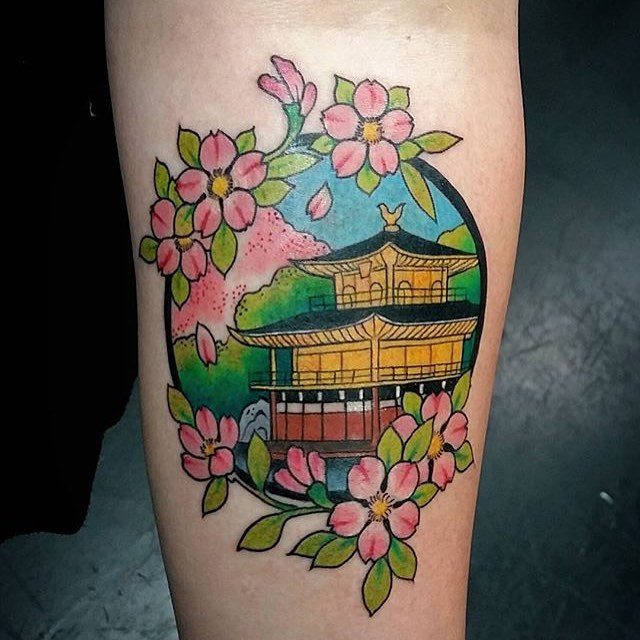
Why Flowers Carry Deep Meaning in Asian Cultures
Flowers hold deep meaning in Asian cultures because they are tied to philosophical systems like Buddhism and Taoism, which interpret nature as a reflection of human existence. Rather than decorative elements, flowers represent moral lessons, life cycles, and spiritual truths embedded in cultural rituals, art, and historical storytelling traditions.
This symbolic system developed over centuries through imperial art, religious teachings, and seasonal observation. Unlike Western floral symbolism, which is often romantic or aesthetic, Asian interpretations are layered with ethical and existential meaning. This makes tattoo choices highly contextual and culturally sensitive.
Philosophical Foundations: Buddhism, Taoism, and Nature
Philosophical traditions such as Buddhism and Taoism strongly influence how flowers are interpreted in tattoo culture. Buddhism emphasizes impermanence, where blooming and wilting flowers reflect the transient nature of life. Taoism focuses on harmony between humans and nature, where flowers symbolize balance and natural flow.
In real-world tattoo practice, these philosophies guide design decisions such as placement, composition, and pairing of floral elements. For instance, combining lotus imagery with water elements often represents spiritual purification. Ignoring these frameworks can reduce a meaningful symbol into a purely decorative motif.
- Overlooked insight: Many modern tattoos lose meaning when philosophical context is removed
- Risk factor: Misinterpretation of religious symbols can be culturally insensitive
- Professional recommendation: Work with artists familiar with Asian symbolism systems
Lotus Flower Tattoo Meaning Across Asia
The lotus flower tattoo symbolizes purity, enlightenment, and rebirth across multiple Asian cultures, particularly within Buddhist traditions. It is one of the most spiritually significant floral symbols because it grows in muddy water yet blooms clean, representing the journey from suffering to awakening and inner transformation.
In practical tattoo applications, lotus designs are often chosen to represent personal recovery, resilience, or spiritual growth. However, many overlook its multi-layered meaning across regions. In Vietnam, China, and Japan, interpretations may differ slightly depending on religious influence and artistic tradition, making cultural specificity important.
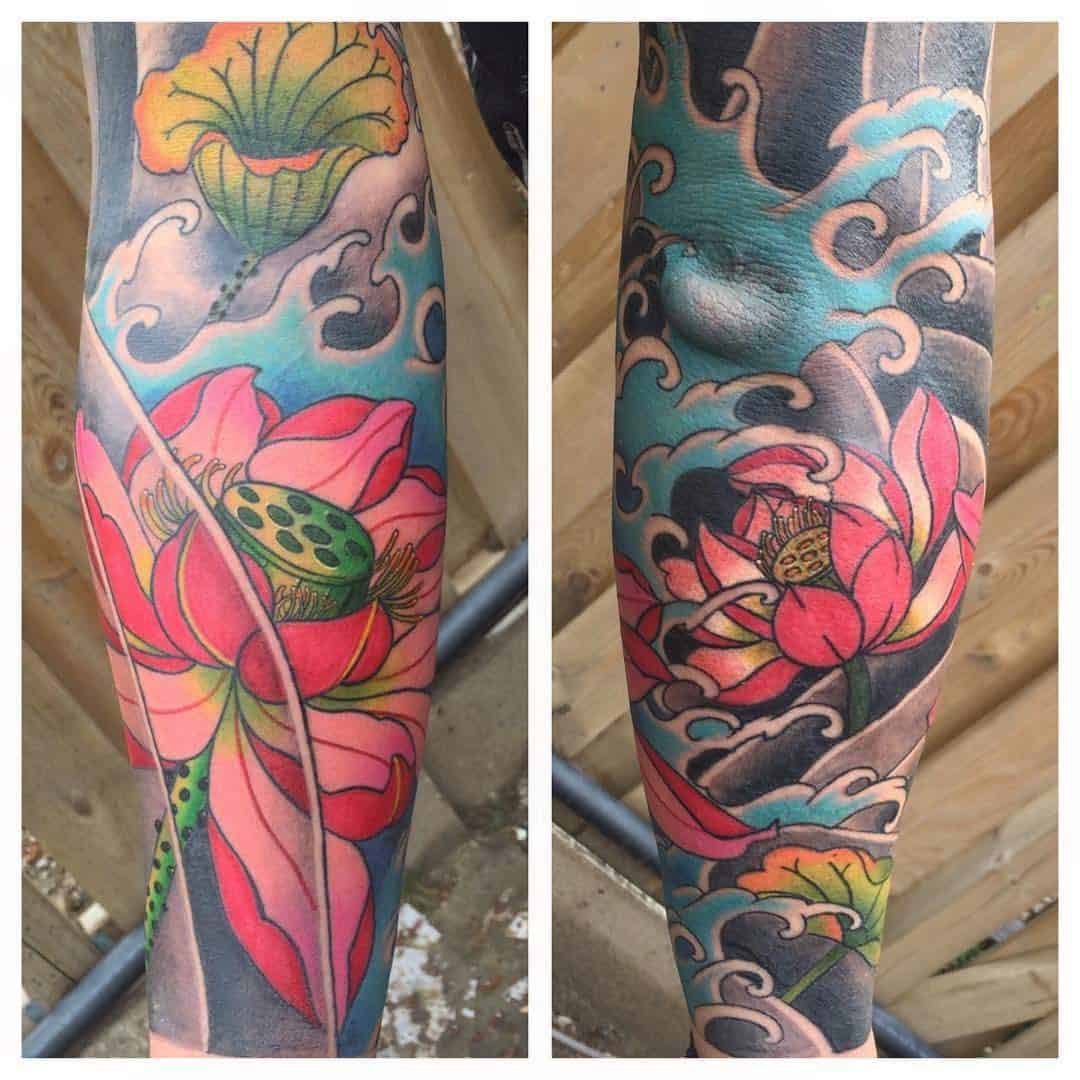
Lotus in Buddhism and Spiritual Awakening
Within Buddhism, the lotus represents spiritual awakening and the path toward enlightenment. Its growth cycle is used as a metaphor for human suffering transforming into wisdom. Different colors of lotus flowers also carry meaning, such as white for purity and pink for the historical Buddha.
In real-world tattoo design, placement and composition matter significantly. A fully bloomed lotus often symbolizes enlightenment achieved, while a bud represents potential and growth. Tattoo artists frequently advise clients to align lotus imagery with personal transformation stories rather than generic aesthetic appeal.
- Misconception: Lotus tattoos only represent beauty or purity
- Expert note: Color variation changes symbolic interpretation
- Practical insight: Bud vs. bloom changes narrative meaning
Cherry Blossom (Sakura) Tattoo Meaning in Japan
Cherry blossom tattoos, known as sakura in Japan, symbolize the fleeting nature of life, beauty, and mortality. They reflect the concept of impermanence, where beauty exists precisely because it does not last. This philosophy is deeply embedded in Japanese cultural identity and historical warrior traditions.
Unlike Western floral tattoos that often emphasize permanence or romance, cherry blossoms highlight the emotional acceptance of transience. This makes them particularly meaningful for individuals experiencing change, loss, or personal transformation. However, many misinterpret sakura tattoos as purely romantic symbols, missing their philosophical depth.
Samurai Culture and Sakura Symbolism
In samurai culture, cherry blossoms symbolized the ideal of a short but honorable life. Warriors associated falling petals with dying at the peak of strength and beauty, reinforcing values of courage, discipline, and acceptance of fate. This historical context significantly deepens modern tattoo interpretations.
Today, tattoo clients often choose sakura designs to represent resilience through life transitions. However, without understanding its warrior heritage, the design risks being reduced to decorative floral imagery. Experts recommend combining sakura elements with complementary symbols to preserve historical depth.
- Historical insight: Samurai used sakura as a metaphor for honorable death
- Common mistake: Treating cherry blossoms as purely feminine or romantic
- Design tip: Pair with wind or water elements for narrative depth
Is this conversation helpful so far?
Lucky Tattoo, a professional tattoo artist, has over 10 years of experience in the art of tattooing in Ho Chi Minh City. Lucky Tattoo Studio was founded in 2014 by skilled and kind artists. All tattoos are provided in a clean, strictly controlled, and friendly environment.
Peony Tattoo Meaning in Chinese Culture
Peony tattoos in traditional Asian symbolism represent wealth, honor, prosperity, and feminine beauty, especially within Chinese cultural heritage. In historical contexts, the peony was regarded as the “king of flowers,” associated with imperial power, high social status, and refined aesthetic taste, often appearing in royal art and ceremonial decoration.
In modern tattoo interpretation, peonies are frequently chosen to represent personal success, ambition, and emotional abundance. However, many people overlook their hierarchical cultural meaning in Chinese history, where peonies were restricted to elite spaces. Understanding this context ensures the tattoo reflects respect for its cultural origins rather than purely decorative intent.
Peony in Imperial Chinese Art and Social Symbolism
Peony symbolism in imperial Chinese art reflects status, wealth, and political authority, as the flower was historically associated with noble families and imperial gardens. It was not just an aesthetic motif but a visual representation of power structure and societal hierarchy within classical Chinese civilization.
In tattoo design, this historical background adds depth to peony imagery. Clients often choose peonies to symbolize personal achievement or financial success, but expert tattoo artists emphasize aligning this symbolism with intention. Without context, the design may lose its cultural narrative and become visually disconnected from its original meaning.
- Expert insight: Peonies were historically reserved for elite classes in China
- Common misconception: Peonies only represent general beauty or romance
- Design recommendation: Pair with phoenix or cloud motifs for cultural authenticity
Chrysanthemum Symbolism in East Asia
Chrysanthemum tattoos symbolize longevity, endurance, and resilience in East Asian cultures, particularly in Japan and China. While often misunderstood in Western contexts as a funerary flower, it actually represents noble character, life strength, and seasonal transition, making it one of the most philosophically complex floral symbols in Asian art.
In tattoo applications, chrysanthemums are chosen by individuals who value perseverance and personal growth through adversity. However, cultural misunderstanding is common, especially when Western audiences associate the flower only with mourning traditions. Correct interpretation requires understanding its dual cultural meanings across regions.
Japan vs China Chrysanthemum Meaning Differences
Chrysanthemum symbolism differs significantly between Japan and China, reflecting unique cultural and historical contexts. In Japan, it is associated with the Imperial family and longevity, while in China it represents retirement, wisdom, and autumn reflection. These differences highlight the importance of regional specificity in tattoo symbolism.
For tattoo artists, this distinction is critical when designing culturally accurate pieces. A chrysanthemum intended to represent strength in one cultural context may unintentionally imply end-of-life symbolism in another. Professional practitioners often consult cultural references to avoid misinterpretation.
- Key insight: Same flower, different cultural meanings across Asia
- Risk factor: Misinterpreting chrysanthemum as purely funerary symbolism
- Practical advice: Always define cultural origin before finalizing design
Cultural Sensitivity in Asian Flower Tattoos
Cultural sensitivity in Asian flower tattoos refers to understanding and respecting the historical, religious, and philosophical meanings behind floral symbolism. These designs are not purely aesthetic; they carry cultural identity markers that require informed interpretation to avoid misrepresentation or unintended cultural appropriation.
In modern tattoo culture, globalization has led to widespread adoption of Asian motifs without contextual understanding. This creates a gap between visual appreciation and cultural literacy. Responsible tattoo design involves researching symbolism, consulting knowledgeable artists, and ensuring alignment between personal meaning and cultural origin.
How to Choose a Respectful Tattoo Design
Choosing a respectful Asian flower tattoo requires evaluating cultural meaning, personal intent, and artistic accuracy. A well-informed decision ensures that the tattoo honors its origins while reflecting individual identity. This process often involves consultation with experienced tattoo artists specializing in Asian symbolism.
Professional artists recommend a structured decision-making approach that includes researching cultural background, verifying symbolic accuracy, and considering placement significance. For example, lotus tattoos placed on the spine often represent spiritual alignment, while sleeve compositions may represent life journeys or philosophical evolution.
- Step 1: Research cultural origin of the flower
- Step 2: Confirm symbolic meaning across regions
- Step 3: Align design with personal narrative
- Step 4: Consult experienced tattoo artist
Modern Interpretations of Asian Floral Tattoos
Modern interpretations of Asian floral tattoos blend traditional symbolism with contemporary artistic styles such as minimalism, neo-traditional art, and abstract composition. While meanings remain rooted in cultural heritage, modern tattoo culture often adapts these symbols to reflect personal identity, emotional expression, and global aesthetic trends.
This evolution has created a hybrid visual language where traditional meanings are preserved but visually reinterpreted. However, experts warn that excessive stylization can dilute symbolic depth. Maintaining balance between innovation and cultural integrity is essential for meaningful tattoo design.
Minimalist vs Traditional Asian Tattoo Styles
Minimalist Asian flower tattoos focus on simplicity, clean lines, and subtle symbolism, while traditional styles emphasize detailed composition, cultural storytelling, and historical accuracy. Each style communicates meaning differently, influencing how symbolism is perceived and emotionally interpreted by viewers.
Minimalist designs are often chosen for subtle personal expression, whereas traditional styles are preferred for cultural storytelling and visual impact. Tattoo professionals advise selecting style based on narrative depth rather than trend popularity, ensuring long-term satisfaction with the design.
- Minimalist style: Subtle, personal, modern interpretation
- Traditional style: Detailed, cultural, historically rooted
- Expert advice: Choose style based on meaning, not trends
Best Flower Tattoo Choices Based on Personality
Flower tattoo choices often reflect personality traits, emotional states, or life philosophies, especially within Asian symbolism systems. Each flower carries psychological and cultural associations that can align with concepts such as resilience, growth, prosperity, or spiritual awakening, making selection highly personalized and meaningful.
Understanding personality-symbol alignment helps ensure the tattoo reflects authentic identity rather than aesthetic preference alone. For example, lotus tattoos often suit individuals focused on transformation, while peonies align with ambition and success-oriented personalities. This alignment enhances long-term emotional connection to the tattoo.
Emotional Meaning Behind Each Flower
Each Asian flower carries distinct emotional symbolism shaped by cultural and philosophical traditions. These meanings extend beyond visual representation and reflect deeper psychological and existential states such as healing, impermanence, endurance, and prosperity, allowing individuals to express internal identity externally.
In practice, tattoo artists often conduct consultations to map emotional intent to symbolic meaning. This ensures the final design resonates not only visually but also psychologically, creating a meaningful connection between wearer and artwork.
| Flower | Core Meaning | Emotional Association |
|---|---|---|
| Lotus | Enlightenment, purity | Transformation, healing |
| Cherry Blossom | Impermanence | Acceptance, reflection |
| Peony | Wealth, honor | Ambition, success |
| Chrysanthemum | Longevity | Resilience, wisdom |
Frequently Asked Questions (FAQ)
What is the most meaningful Asian flower tattoo?
The lotus is often considered the most meaningful Asian flower tattoo because it symbolizes spiritual awakening, purity, and transformation across multiple Eastern philosophies, especially Buddhism.
Are Asian flower tattoos culturally sensitive?
Yes, they can be culturally sensitive if used without understanding their origins. Proper research and respectful design choices help ensure cultural appreciation rather than appropriation.
What does a cherry blossom tattoo symbolize?
Cherry blossoms symbolize the impermanence of life, beauty, and acceptance of change, deeply rooted in Japanese cultural and philosophical traditions.
Which Asian flower tattoo represents wealth?
The peony represents wealth, honor, and prosperity, especially in traditional Chinese culture where it was historically associated with nobility.
Do flower tattoo meanings change by country?
Yes, meanings vary significantly between countries like Japan, China, Vietnam, and Korea, making cultural context essential for accurate interpretation.
Is chrysanthemum a positive tattoo symbol?
Yes, in many Asian cultures it symbolizes longevity, resilience, and wisdom, though interpretations may vary depending on regional traditions.
How do I choose the right Asian flower tattoo?
Choose based on personal meaning, cultural understanding, and consultation with an experienced tattoo artist familiar with Asian symbolism.