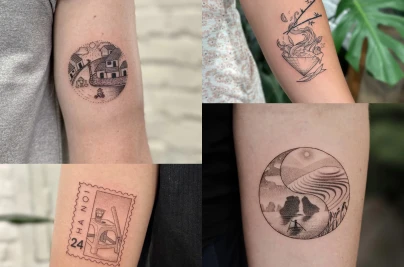
What Is an Outer Bicep Tattoo?
An outer bicep tattoo is placed on the outer upper arm between the shoulder and elbow, where the muscle surface is broad, stable, and moderately visible. This placement is favored for its balance of discretion and display, allowing designs to be hidden under sleeves or showcased easily depending on clothing and movement.
From a professional tattooing perspective, the outer bicep is considered one of the most structurally reliable areas for ink retention. Its relatively low friction and consistent skin tension make it ideal for both fine-line and heavily shaded designs. Unlike more sensitive zones, it provides a controlled canvas for long-term visual stability.
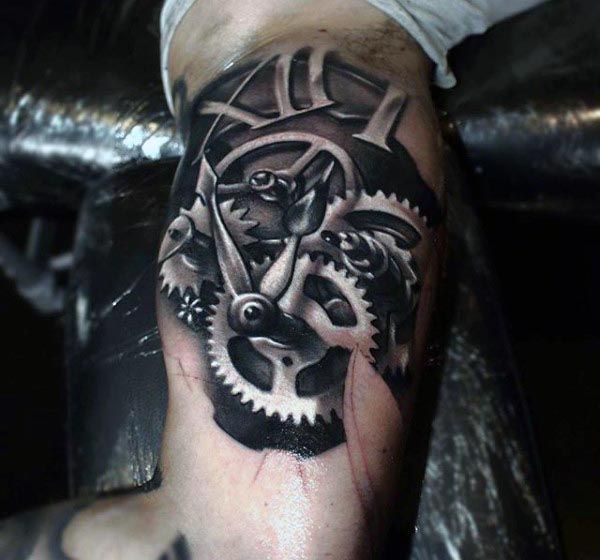
Outer Bicep Location Explained
The outer bicep tattoo location refers specifically to the lateral section of the upper arm’s biceps brachii muscle, where skin tension is more stable and less sensitive than inner arm areas. This anatomical zone provides a naturally curved surface that enhances flow in tattoo composition and reduces distortion during muscle flexing.
Artists often prefer this placement because it supports directional design work. The natural arm curvature allows imagery to wrap organically, improving visual depth. A key professional insight is that correct orientation—aligned with arm movement rather than static posture—significantly improves how the tattoo ages over time.
- Best suited for medium-to-large compositions
- Low interference from daily friction
- Compatible with sleeve expansion planning
Why This Placement Is So Popular
The popularity of outer bicep tattoos comes from their versatility, combining aesthetic visibility with professional discretion. This placement has become especially common among athletes, fitness enthusiasts, and office professionals who want body art without constant exposure in formal settings.
Unlike trend-driven tattoo locations, the outer bicep remains consistently relevant because it adapts well to different lifestyles and body types. One overlooked insight is that its visibility can be controlled naturally by simple wardrobe choices, making it one of the most socially flexible tattoo placements.
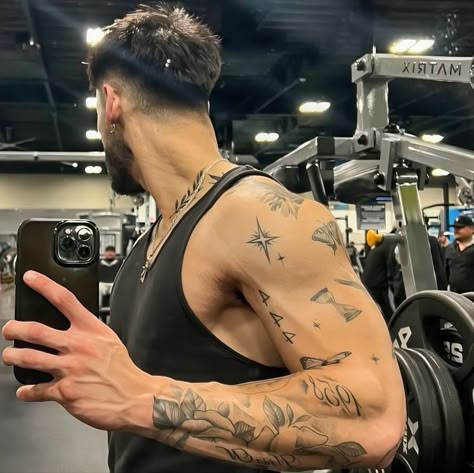
Outer Bicep Tattoo Pain Level Explained
Pain levels for an outer bicep tattoo are generally considered low to moderate due to thicker muscle coverage and fewer concentrated nerve endings compared to sensitive areas like ribs or inner arm. Most clients report discomfort that feels more like consistent pressure or scratching rather than sharp or burning pain.
From a technical standpoint, pain variation depends on needle depth, design density, and proximity to the inner arm border. Highly shaded or detailed work may increase discomfort, but the outer bicep remains one of the more manageable areas for first-time tattoo clients seeking larger designs.
Pain Compared to Other Arm Areas
The pain experienced during an outer bicep tattoo is noticeably lower than inner arm or elbow placements, where nerve density is higher and skin is thinner. It is also significantly more tolerable than rib or spine tattoos, which involve minimal muscle cushioning and higher vibration sensitivity during tattooing.
A key misconception is that all upper arm tattoos hurt equally. In reality, lateral muscle distribution creates a cushioning effect that reduces needle impact intensity, making the outer bicep a strategically chosen entry point for beginners or long-session tattoos.
| Area | Pain Level | Reason |
|---|---|---|
| Outer Bicep | Low–Moderate | Muscle cushioning, low nerve density |
| Inner Arm | High | Sensitive skin, nerve concentration |
| Ribs | Very High | Bone proximity, thin skin |
What Pain Actually Feels Like
The sensation of an outer bicep tattoo is typically described as a repetitive scratching or dull vibration that intensifies slightly during shading sessions. Unlike sharp pain, it tends to plateau, allowing clients to adapt after the initial minutes of the session.
Experienced tattoo artists often observe that psychological anticipation plays a larger role than physical discomfort. Controlled breathing, hydration, and stable positioning significantly reduce perceived pain levels, especially during longer sessions involving detailed linework or realism shading.
Expert insight: Clients who stay relaxed during the first 10–15 minutes typically report up to 30% lower perceived pain throughout the session.
Best Outer Bicep Tattoo Designs
The best outer bicep tattoo designs are those that follow the natural curvature of the upper arm while balancing readability, flow, and long-term aging. Ideal designs include medium-to-large compositions that maintain clarity even when the arm is flexed or in motion, ensuring the artwork remains visually coherent over time.
From an expert tattoo design perspective, the outer bicep works best with directional flow—designs should “move” with the arm rather than against it. This significantly improves longevity and reduces visual distortion caused by muscle growth or skin stretching.
Minimalist and Linework Tattoos
Minimalist outer bicep tattoos are ideal for clients seeking clean aesthetics, subtle symbolism, and long-term clarity. These designs use fine lines, negative space, and simplified forms, making them highly resistant to visual clutter as the skin ages over time.
One important insight is that minimalist tattoos perform exceptionally well on the outer bicep because the area experiences minimal friction and stretching. However, overly thin lines can fade faster if not properly balanced, making artist selection critical for long-term quality.
- Best for first-time tattoo clients
- High longevity when properly spaced
- Works well with geometric or symbolic themes
Realism and Portrait Tattoos
Realism tattoos on the outer bicep rely on shading precision, contrast control, and anatomical placement to create depth and lifelike detail. This placement is ideal because the stable muscle surface supports smooth gradient work and reduces distortion over time.
A common misconception is that realism tattoos age poorly. In reality, outer bicep placements maintain detail better than high-friction areas. However, they require experienced artists who understand light source consistency and ink saturation depth for long-term clarity.
Tribal and Blackwork Styles
Tribal and blackwork tattoos are particularly effective on the outer bicep due to their bold contrast and strong structural flow. These styles emphasize shape, symmetry, and cultural motifs that naturally align with the curvature of the upper arm.
From a design engineering perspective, blackwork performs exceptionally well because solid ink areas age more predictably than fine gradients. The key consideration is spacing and proportion—over-saturation can lead to visual heaviness as the tattoo expands with muscle growth.
Practical note: Blackwork designs on the outer bicep typically retain visual impact longer than fine-line tattoos, especially in high-exposure lifestyles.
How Muscle Growth Affects Your Outer Bicep Tattoo
Lucky Tattoo, a professional tattoo artist, has over 10 years of experience in the art of tattooing in Ho Chi Minh City. Lucky Tattoo Studio was founded in 2014 by skilled and kind artists. All tattoos are provided in a clean, strictly controlled, and friendly environment.
From a professional tattooing and sports physiology perspective, the outer bicep sits on a muscle group that expands outward rather than twisting or folding. This makes it one of the safer placements for long-term visual consistency, especially when compared to inner arm or joint-adjacent tattoo zones.
Tattoo Stretching Explained
Tattoo stretching on the outer bicep occurs when muscle fibers grow in size and expand the skin surface area. This process is typically slow and proportional, meaning the tattoo stretches evenly rather than distorting sharply. Most visible changes occur only after significant and sustained muscle hypertrophy.
Expert observations show that properly designed tattoos that follow natural arm curvature remain visually balanced even after years of training. The biggest risk is not stretching itself, but poorly aligned designs that do not account for directional muscle expansion during flexion.
- Gradual expansion is usually uniform, not distorted
- Curved designs age better than rigid geometric layouts
- Extreme bodybuilding changes may require touch-ups
Best Placement Strategy for Lifelong Design
Strategic placement on the outer bicep focuses on aligning the tattoo with muscle flow rather than static arm position. This ensures that the artwork maintains visual coherence whether the arm is flexed, relaxed, or in motion. Artists often map designs in a semi-flexed state to anticipate real-world movement.
An overlooked professional insight is that tattoos designed while the arm is fully relaxed often distort slightly when flexed. High-level tattoo artists simulate motion during stencil placement to avoid this issue and improve long-term design harmony.
Expert recommendation: Always preview stencil placement in both flexed and relaxed positions before finalizing outer bicep tattoo positioning.
Healing and Aftercare for Outer Bicep Tattoos
Proper healing and aftercare for outer bicep tattoos typically takes 2–4 weeks for surface recovery, but full dermal stabilization may take longer. This area heals relatively well due to consistent airflow, moderate movement, and lower friction compared to joints or high-contact zones like hands or wrists.
Dermatology-informed aftercare emphasizes cleanliness, moisture balance, and sun protection as the three pillars of optimal tattoo healing. Neglecting these factors can lead to fading, patchiness, or infection risk, even in well-placed tattoos like the outer bicep.
Common Healing Mistakes
Outer bicep tattoo healing issues are most commonly caused by over-moisturizing, premature sun exposure, or excessive physical strain during workouts. Many clients underestimate how arm movement during gym training can disrupt scabbing and slow pigment stabilization.
One key insight from tattoo professionals is that “healing interference” is more damaging than the initial tattooing process. Even a well-executed tattoo can degrade if the healing phase is mismanaged, particularly in active individuals.
- Avoid direct sun exposure for at least 2–3 weeks
- Do not pick or scratch scabs during healing
- Limit intense arm workouts during early healing phase
Dermatologist-Backed Aftercare Tips
Aftercare recommendations supported by dermatological principles include gentle cleansing, breathable clothing, and non-comedogenic moisturizing. The goal is to maintain a balanced healing environment without suffocating the skin or introducing bacteria into open micro-wounds.
Medical literature from skin health research highlights that excessive moisture trapping can increase bacterial growth risk. Therefore, thin layers of healing ointment are more effective than heavy application.
Clinical insight: Consistent light moisturizing improves tattoo healing outcomes more effectively than aggressive product application.
Outer Bicep Tattoo for Men vs Women
Outer bicep tattoos for men and women differ primarily in design preference, scale, and aesthetic intention rather than placement mechanics. The outer bicep remains structurally identical across genders, offering equal advantages in visibility control, pain tolerance, and healing performance.
From an industry perspective, men often choose larger, bold compositions such as blackwork or tribal designs, while women more frequently select fine-line florals, script, or symbolic minimalism. However, modern tattoo trends increasingly blur these distinctions.
Style Differences and Personal Expression
Style variation in outer bicep tattoos reflects personal identity rather than biological differences. The placement supports both subtle and highly detailed designs, making it one of the most flexible upper-arm locations for self-expression.
An important insight is that cultural perception of tattoos has shifted significantly in professional environments, reducing the stigma once associated with visible arm tattoos. This has contributed to increased adoption across all demographics.
Cost, Time, and Choosing the Right Tattoo Artist
The cost and time required for an outer bicep tattoo depend on size, complexity, and artist expertise. Small designs may take under an hour, while detailed realism or blackwork pieces can require multiple sessions. Pricing reflects both technical skill and long-term durability of the artwork.
Industry-standard pricing is influenced by artist reputation, studio hygiene standards, and geographic location. High-quality tattooing should be viewed as a long-term investment in visual permanence rather than a short-term aesthetic service.
How to Choose the Right Tattoo Artist
Choosing the right tattoo artist for an outer bicep tattoo requires reviewing portfolio consistency, healed work examples, and specialization in your desired style. Many clients overlook healed results, which are far more indicative of long-term quality than fresh tattoos.
A professional recommendation is to prioritize artists who understand anatomy-based placement rather than purely decorative design. This ensures your tattoo integrates naturally with muscle movement and maintains structure over time.
- Check healed portfolio images, not just fresh tattoos
- Verify hygiene and sterilization practices
- Choose artists specialized in your preferred style
Common Myths About Outer Bicep Tattoos
Outer bicep tattoos are often surrounded by misconceptions related to pain, aging, and professionalism. In reality, this placement is one of the most balanced options in terms of comfort, longevity, and social adaptability, making many common concerns largely outdated or exaggerated.
Many myths originate from outdated assumptions about tattoo visibility and workplace acceptance. Modern research in occupational psychology shows significantly reduced bias toward visible tattoos in most industries, especially when they are well-executed and non-offensive in design.
Reality check: Outer bicep tattoos do not automatically limit career opportunities in most modern professional environments.
Frequently Asked Questions About Outer Bicep Tattoos
Is an outer bicep tattoo painful?
No, it is generally low to moderate in pain due to muscle cushioning and fewer nerve endings compared to inner arm or rib areas.
How long does an outer bicep tattoo take to heal?
Surface healing typically takes 2–4 weeks, but full skin recovery can take longer depending on aftercare quality and lifestyle.
Will my outer bicep tattoo stretch if I build muscle?
Minimal stretching may occur with significant muscle growth, but most designs remain visually stable when properly placed.
What tattoo styles work best on the outer bicep?
Realism, blackwork, tribal, geometric, and minimalist linework all perform well due to the smooth and stable surface area.
Can I hide an outer bicep tattoo at work?
Yes, most short-sleeve shirts easily cover outer bicep tattoos, making them highly adaptable for professional settings.
Does an outer bicep tattoo fade quickly?
No, it typically ages well because it experiences less friction and sun exposure compared to more exposed body areas.
Is the outer bicep a good first tattoo location?
Yes, it is one of the most recommended beginner placements due to manageable pain and easy concealment.
Conclusion: Why the Outer Bicep Is a Smart Tattoo Choice
The outer bicep remains one of the most strategically balanced tattoo placements, offering low-to-moderate pain, strong aging performance, and high design flexibility. Its adaptability across styles and lifestyles makes it a preferred choice for both first-time clients and experienced tattoo collectors.
When designed and healed correctly, an outer bicep tattoo provides long-term aesthetic stability while allowing full control over visibility, making it a practical and visually powerful form of body art.
Lucky Tattoo, a professional tattoo artist, has over 10 years of experience in the art of tattooing in Ho Chi Minh City. Lucky Tattoo Studio was founded in 2014 by skilled and kind artists. All tattoos are provided in a clean, strictly controlled, and friendly environment.
outer-bicep-tattoo