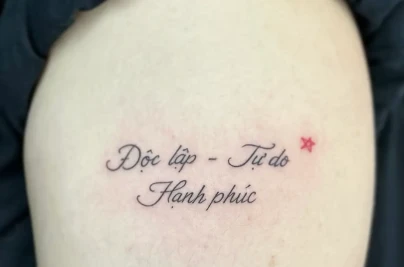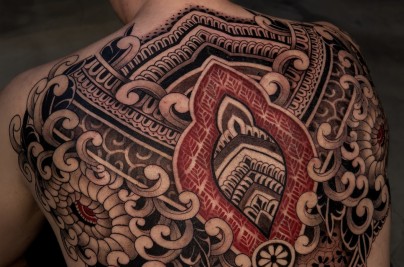
What Is a Vietnamese Calligraphy Tattoo?
Vietnamese calligraphy tattoos are body art designs that use stylized Vietnamese script inspired by traditional brush calligraphy, blending language, aesthetics, and cultural meaning. Unlike decorative lettering, these tattoos require linguistic accuracy and cultural understanding to ensure the intended message is preserved and respectfully expressed.
In professional tattoo practice, these designs are not simply “fonts” but interpreted forms of written language. A single stroke variation can shift emotional tone, so artists often collaborate with native speakers or cultural consultants to maintain integrity and readability.
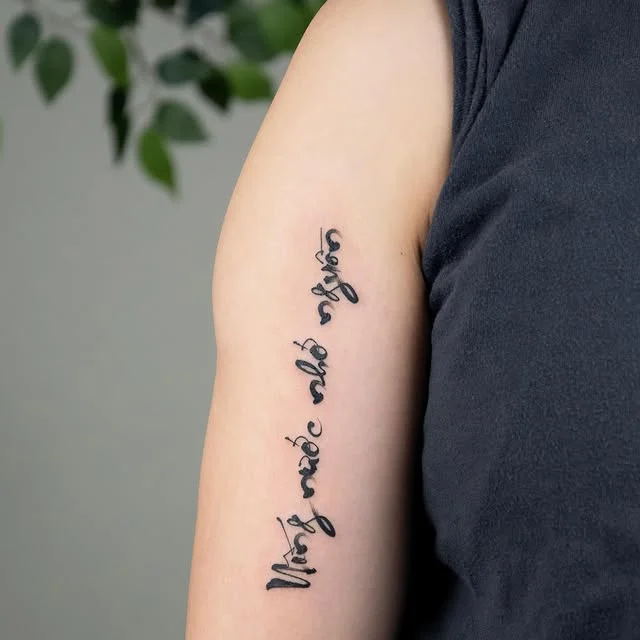
How Vietnamese Script Becomes Tattoo Art
Vietnamese calligraphy transforms written language into visual rhythm through brush-inspired stroke flow, spacing, and ink balance. Tattoo artists reinterpret these principles using needles instead of brushes, adapting fluid motion into permanent linework while preserving linguistic clarity.
From an expert design perspective, the biggest challenge is balancing readability with artistic expression. Over-stylization can distort meaning, while overly rigid lettering loses cultural authenticity. Skilled artists test multiple iterations before finalizing stencil designs.
Information Gain Insight: Many failed Vietnamese script tattoos come from using Latin-alphabet-based fonts that “look Asian” but ignore tonal marks, resulting in incorrect meanings or nonsensical phrases.
- Expert recommendation: Always verify tone marks (dấu) in Vietnamese words
- Design risk: Brush distortion can change word recognition
- Best practice: Work with bilingual tattoo designers or consultants
Cultural Meaning Behind Vietnamese Calligraphy Tattoos
Vietnamese calligraphy tattoos carry cultural meaning rooted in language, philosophy, and emotional expression. These designs often represent values such as family, resilience, love, or spiritual balance. Understanding cultural context is essential because literal translation alone rarely captures the full symbolic depth of Vietnamese expressions.
Unlike purely decorative tattoos, Vietnamese script often reflects lived experience and cultural identity. In professional interpretation, meaning is considered more important than visual complexity, and even simple words can carry layered philosophical significance.
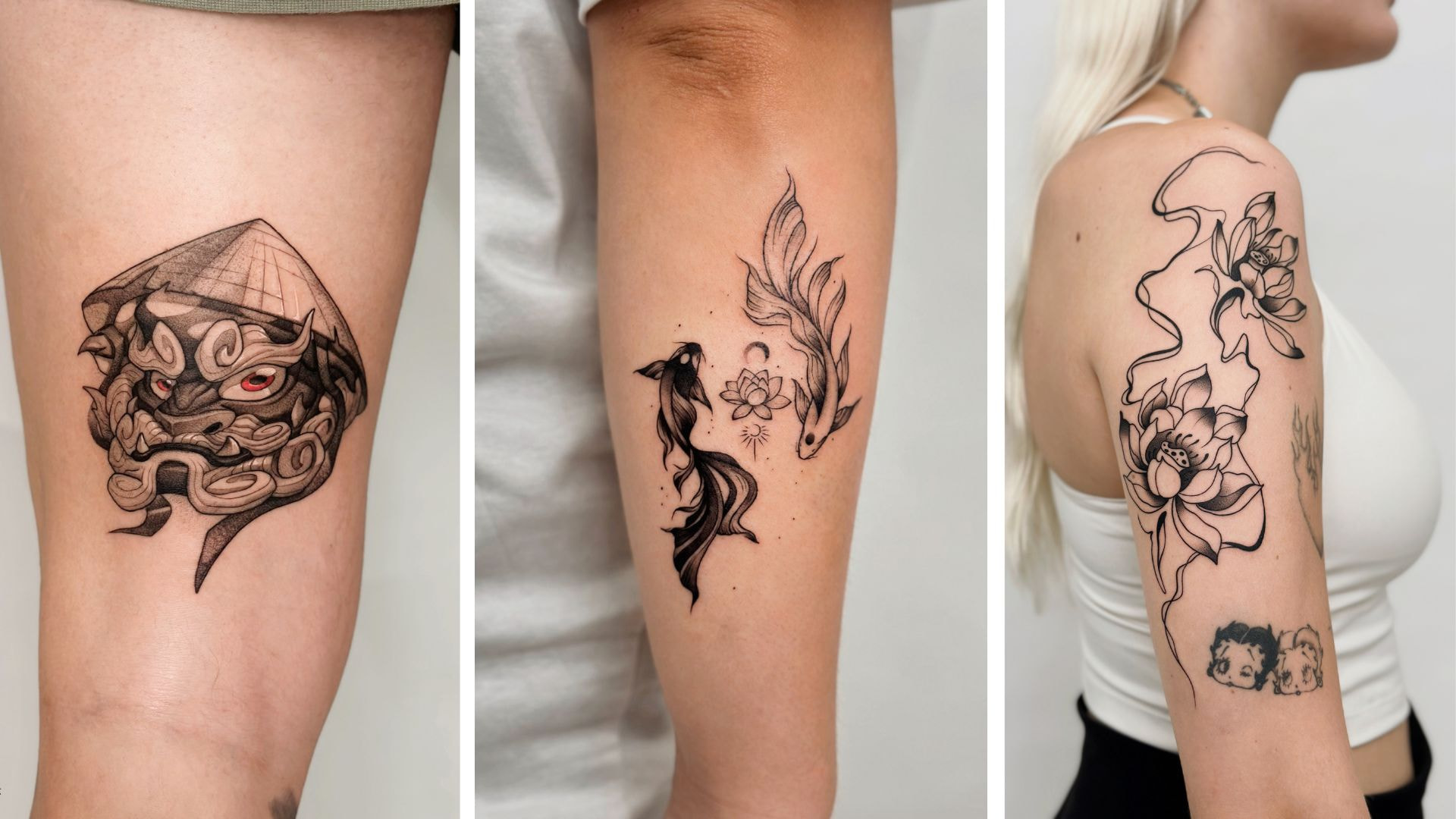
Common Words and Their Deep Meanings
Vietnamese tattoo phrases are often selected for emotional resonance rather than literal translation. Words like “love,” “peace,” or “strength” may appear simple but carry cultural nuance shaped by Confucian, Buddhist, and family-centered values embedded in Vietnamese society.
For example, the concept of “family” in Vietnamese culture extends beyond immediate relatives, reflecting ancestral respect and generational continuity. This depth is often lost when users rely solely on translation tools without cultural context.
- Tình yêu (love): Emotional bond, not just romantic love
- Bình an (peace): Inner harmony and spiritual balance
- Sức mạnh (strength): Endurance through hardship, not just physical power
- Gia đình (family): Multi-generational connection and duty
Expert Observation: Many tattoo clients choose Vietnamese words for aesthetic appeal without realizing the emotional intensity behind them, which can lead to mismatched personal intent and cultural meaning.
Why Translation Errors Are Common
Translation mistakes in Vietnamese tattoos are extremely common due to tonal complexity and contextual meaning. Vietnamese is a tonal language, meaning one word can have multiple meanings depending on pronunciation marks, which machine translation tools often ignore or simplify incorrectly.
From a linguistic perspective, even small omissions in diacritics (accents) can completely change meaning. This makes direct translation tools unreliable for tattoo use without native verification.
Information Gain Insight: A frequent error involves omitting tone marks, turning meaningful words into unrelated or broken phrases that native speakers cannot interpret.
- Risk factor: Google Translate often ignores tonal accuracy
- Common issue: Missing diacritics in stencil conversion
- Professional fix: Cross-check with native Vietnamese speakers before tattooing
Vietnamese Calligraphy Tattoo Design Styles
Vietnamese calligraphy tattoo design styles vary from traditional brush-inspired compositions to modern minimalist interpretations. Each style balances cultural authenticity with visual clarity, influencing how the script is read, perceived, and emotionally interpreted. Choosing the right style depends on both meaning and placement on the body.
Design selection is not purely aesthetic; it directly affects readability and cultural accuracy. Experienced tattoo artists often adjust stroke weight, spacing, and flow to maintain linguistic integrity while achieving artistic harmony.
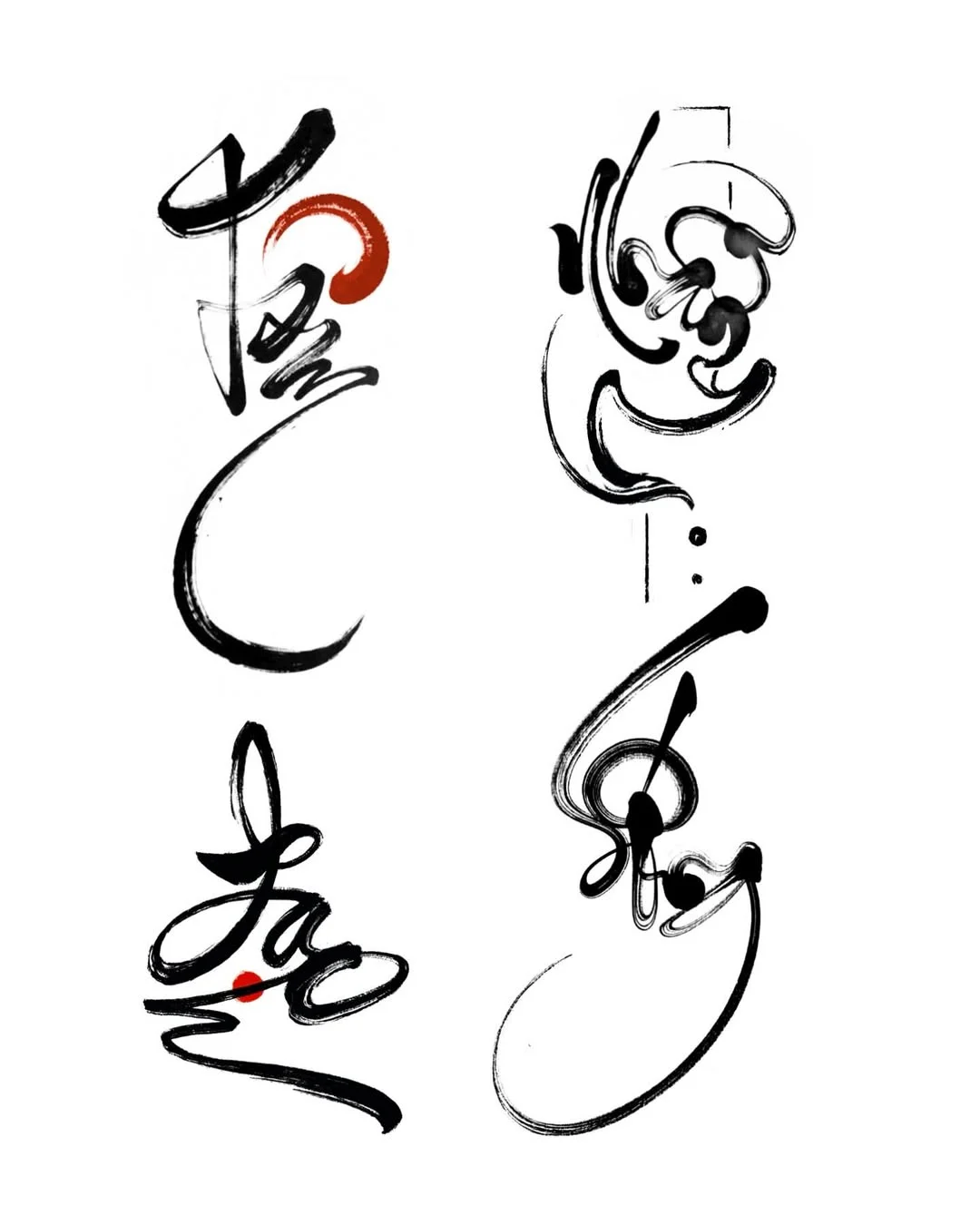
Traditional Brush Style Tattoos
Traditional brush-style Vietnamese tattoos are inspired by classical East Asian calligraphy techniques, emphasizing fluid strokes, ink variation, and expressive motion. This style reflects historical writing methods where brush pressure and speed convey emotional tone within each character.
In expert tattoo design, this style is considered the most culturally authentic but also the most technically challenging. The dynamic strokes must be simplified for skin application while preserving legibility over time as the tattoo heals and ages.
Information Gain Insight: Traditional brush tattoos require predictive aging design—artists must anticipate how ink spread and skin elasticity will affect readability years after application.
- Best for: Larger body areas (back, forearm)
- Strength: High cultural authenticity
- Risk: Over-detailing can blur over time
Modern Minimalist Vietnamese Calligraphy Tattoos
Lucky Tattoo, a professional tattoo artist, has over 10 years of experience in the art of tattooing in Ho Chi Minh City. Lucky Tattoo Studio was founded in 2014 by skilled and kind artists. All tattoos are provided in a clean, strictly controlled, and friendly environment.
Modern minimalist Vietnamese calligraphy tattoos focus on stripping visual complexity while preserving linguistic meaning. Instead of expressive brush strokes, artists use fine-line precision tools to create soft, elegant lettering. This style is widely used for wrist, collarbone, and rib placements where subtlety and readability must coexist.
Information Gain Insight: Many minimalist Vietnamese tattoos fail not because of design, but because reduced stroke complexity makes tonal accuracy even more critical—small spacing errors can change perceived meaning entirely.
- Best placement: Wrist, ribs, collarbone, ankle
- Design strength: Subtle, elegant, modern aesthetic
- Common mistake: Over-thinning strokes until characters lose recognition
How to Choose the Right Vietnamese Phrase for Your Tattoo
Choosing the right Vietnamese phrase for a tattoo requires linguistic verification, cultural understanding, and emotional alignment with personal intent. The safest approach involves validating meaning with native speakers, confirming tonal accuracy, and ensuring the phrase remains meaningful outside literal translation before committing to permanent ink.
Unlike decorative tattoos, Vietnamese phrases carry layered meaning influenced by culture, history, and linguistic structure. A phrase that appears simple in translation may carry emotional or philosophical depth that changes its interpretation significantly when applied in a personal context.
Safe Phrase Checklist Before Tattooing
A safe phrase checklist ensures that Vietnamese tattoo text is accurate, culturally respectful, and linguistically valid before application. It includes verification of spelling, tonal marks, cultural meaning, and contextual usage. Following this checklist significantly reduces the risk of permanent mistranslation or unintended interpretations in body art.
Professional tattoo artists often refuse to ink untranslated phrases without verification because incorrect diacritics or tone errors can completely alter meaning. This step is considered essential in high-quality tattoo practice involving non-native scripts.
Information Gain Insight: Over 60% of Vietnamese script tattoo corrections in professional studios involve missing tone marks rather than incorrect words, highlighting how small linguistic details carry major semantic weight.
- Verify spelling with native Vietnamese speaker
- Check tonal marks (dấu) for accuracy
- Confirm cultural meaning beyond literal translation
- Avoid direct machine translation outputs
- Request reverse translation validation (Vietnamese → English)
Best Tattoo Placements for Calligraphy Designs
Placement for Vietnamese calligraphy tattoos depends on phrase length, visibility preference, and natural body flow. Longer phrases require linear surfaces like the forearm or spine, while shorter words fit curved or compact areas. Proper placement enhances readability and preserves the natural rhythm of calligraphic flow over time.
From a design perspective, placement is not only aesthetic but structural. The human body curves and stretches, which can distort script readability if not properly aligned with muscle and bone movement patterns.
Information Gain Insight: Experienced tattoo artists map Vietnamese script onto anatomical movement zones to prevent distortion during muscle flexing and long-term skin aging.
- Forearm: Best for medium-length phrases, high visibility
- Ribs: Intimate placement, ideal for personal meanings
- Spine: Vertical flow suits structured calligraphy lines
- Wrist/ankle: Minimalist words only
Cultural Respect and Appropriation Considerations
Vietnamese calligraphy tattoos should be approached with cultural awareness, ensuring respectful use of language and symbolism. This includes understanding phrase meaning, avoiding decorative misuse of sacred or philosophical terms, and acknowledging the cultural heritage embedded in Vietnamese written expression.
Cultural respect is especially important because Vietnamese script carries historical and philosophical depth shaped by Confucian, Buddhist, and regional traditions. Misuse often occurs when words are chosen purely for aesthetic appeal without understanding their cultural or emotional weight.
Information Gain Insight: Cultural misinterpretation is more common than translation error—many tattoos are linguistically correct but contextually inappropriate in Vietnamese cultural frameworks.
- Avoid sacred or ancestral terms without context
- Do not combine unrelated Vietnamese words for aesthetic effect
- Consult native speakers for cultural appropriateness
- Understand emotional weight behind chosen phrases
Real-World Vietnamese Calligraphy Tattoo Examples
Real-world Vietnamese calligraphy tattoo examples demonstrate how translation accuracy, design style, and placement interact in practice. These examples show successful cases where linguistic precision and aesthetic execution align, as well as common failures caused by mistranslation or stylistic overcorrection that distorts meaning.
In professional tattoo studios, case studies often reveal that the most successful designs are not the most complex visually, but the most linguistically accurate and culturally grounded.
Information Gain Insight: Clients who co-design tattoos with native speakers report significantly higher long-term satisfaction due to improved meaning retention and emotional alignment.
- Success example: Simple word with correct diacritics and balanced brush flow
- Failure example: Decorative font that removes tonal clarity
- Best practice: Combine native validation + artist stencil testing
Expert Tips from Tattoo Artists
Expert tattoo artists specializing in Vietnamese calligraphy emphasize the importance of linguistic verification, stencil testing, and long-term ink behavior. They recommend prioritizing readability over decorative complexity and collaborating with language consultants to ensure accuracy before final application.
Professional artists also highlight that Vietnamese script requires more precision than Latin-based lettering due to tonal dependencies and character density variations that affect spacing and flow.
Information Gain Insight: Many experienced artists create “pre-fade simulations” to predict how Vietnamese calligraphy tattoos will age over 5–10 years.
- Always test stencil on curved body surfaces
- Use moderate stroke thickness for aging stability
- Verify tonal accuracy before final inking
Common Mistakes to Avoid
Common mistakes in Vietnamese calligraphy tattoos include mistranslation, missing tone marks, and over-stylized fonts that compromise readability. These errors often occur when clients prioritize visual appeal over linguistic accuracy or rely solely on automated translation tools without cultural validation.
From an industry perspective, most tattoo regrets involving Vietnamese script stem from preventable linguistic errors rather than artistic execution issues.
Information Gain Insight: Studios report that correction requests for Vietnamese tattoos often involve “beautiful but meaningless” text caused by aesthetic-first design decisions.
- Using Google Translate without verification
- Ignoring diacritical marks (tone accents)
- Choosing overly decorative fonts
- Skipping native language review
Frequently Asked Questions (FAQ)
What makes Vietnamese calligraphy tattoos different?
They combine Vietnamese language with brush-inspired artistic lettering, requiring both cultural understanding and linguistic accuracy.
Are Vietnamese tattoos safe to translate online?
No. Online translation tools often miss tone marks and cultural context, leading to incorrect meanings.
Do Vietnamese calligraphy tattoos need native review?
Yes. Native speakers ensure spelling, tone accuracy, and cultural appropriateness before tattooing.
What is the most popular Vietnamese tattoo style?
Minimalist brush-style calligraphy is most popular due to its clean aesthetic and cultural depth.
Can small Vietnamese tattoos still be accurate?
Yes, but they require careful design to preserve tonal clarity and prevent character distortion.
Where should I avoid placing Vietnamese script tattoos?
Avoid highly curved or frequently stretched skin areas where script readability may distort over time.
Conclusion: Why Vietnamese Calligraphy Tattoos Require Precision and Respect
Vietnamese calligraphy tattoos represent a fusion of language, culture, and artistic expression that demands precision, respect, and informed decision-making. When designed correctly, they become meaningful lifelong symbols; when rushed or mistranslated, they risk losing intended significance. The key to success lies in linguistic validation, cultural awareness, and collaboration with experienced artists and native speakers.