What Is a Calligraphy Tattoo?
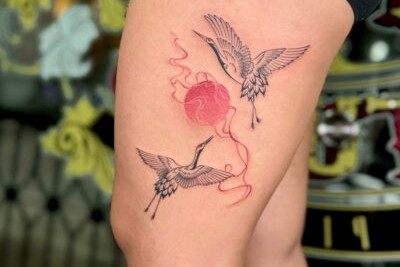
A calligraphy tattoo is a permanent ink design that transforms words, phrases, or symbols into artistic handwriting or typographic compositions. It blends visual art and language, using flowing strokes, cultural scripts, or custom lettering. Unlike standard tattoos, the emphasis is on rhythm, spacing, and aesthetic expression of written meaning.
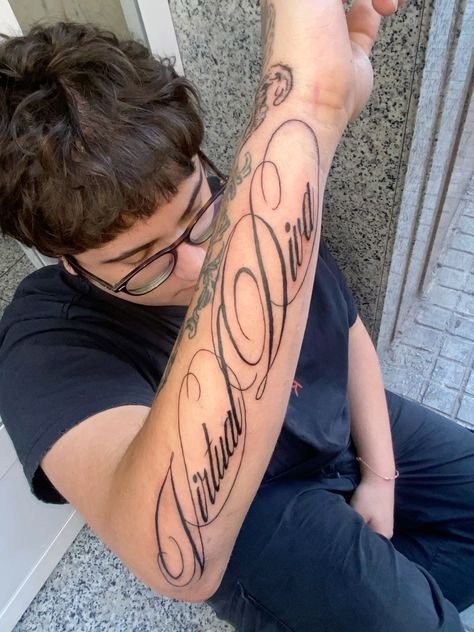
Expert Insight (Information Gain): Most competitors define calligraphy tattoos too broadly. In practice, professional tattoo artists treat them as a hybrid discipline between typography and skin anatomy. The success of a design depends not only on font choice but also on how the skin’s curvature distorts line flow over time.
How Calligraphy Tattoos Differ from Regular Tattoos
Calligraphy tattoos differ from standard tattoos because they prioritize linguistic aesthetics over illustrative imagery. While traditional tattoos focus on icons or shading, calligraphy tattoos rely on stroke variation, letter spacing, and visual rhythm. This makes precision extremely important, as even small inconsistencies can alter readability and long-term clarity.
Real-World Example: A forearm quote tattoo in cursive may appear elegant at first, but improper spacing can cause letters to merge after healing, reducing readability within 3–5 years.
Popular Calligraphy Tattoo Styles
Calligraphy tattoo styles vary across cultures and design traditions, including Arabic script, Chinese characters, Latin cursive, and modern brush lettering. Each style carries unique cultural meaning, structural rules, and visual behavior on skin, making style selection both an artistic and interpretive decision rather than a purely aesthetic one.
Information Gain: A common misconception is that all scripts behave similarly as tattoos. In reality, complex scripts like Arabic require fluid stroke continuity, while Chinese characters rely on structural balance. These differences directly affect how well the tattoo ages and remains legible over time.
Arabic Calligraphy Tattoos
Arabic calligraphy tattoos use flowing, connected scripts that emphasize curvature, rhythm, and spiritual symbolism. These designs are often chosen for their aesthetic elegance and deep cultural meaning. However, accuracy is critical because incorrect spacing or mistranslation can completely change the intended message.
Expert Warning: Non-native interpretations of Arabic phrases are one of the most common causes of permanent tattoo regret. Professional translation review is strongly recommended before inking.
Chinese and East Asian Script Tattoos
Chinese calligraphy tattoos focus on character-based meaning, where each symbol carries a distinct concept or word. Unlike alphabetic systems, a single mistake in stroke order or character selection can change meaning entirely. This makes linguistic verification essential before finalizing any design.
Real-World Scenario: Tattoo studios frequently report cases where clients discover post-healing that their intended “strength” symbol actually translates to an unrelated concept due to incorrect character selection.
Best Fonts & Typography for Calligraphy Tattoos
Choosing the right font for a calligraphy tattoo determines both its aesthetic appeal and long-term readability. Tattoo-safe typography typically balances stroke thickness, spacing, and simplicity. Fonts that are too thin or overly decorative often blur faster as the skin heals and ages.
Expert Insight (Information Gain): Typography principles used in print design do not translate directly to skin. Tattoo artists often modify fonts manually to account for ink spread, epidermal regeneration, and long-term distortion caused by skin elasticity.
Principles of Tattoo Font Selection
Effective tattoo fonts prioritize clarity under distortion. This means avoiding overly tight kerning, ultra-thin strokes, and excessive flourishes. Instead, balanced contrast and moderate spacing improve long-term legibility, especially in high-movement areas like wrists or ribs.
- Line thickness: Medium strokes age better than ultra-thin designs
- Spacing: Prevents letter merging during healing
- Simplicity: Reduces distortion risk over time
Why Some Script Tattoos Blur Over Time
Script tattoos blur primarily due to ink diffusion within the dermal layer of the skin. As the body heals, immune responses slightly disperse ink particles, and over time, natural skin aging causes further spreading. Thin lines and tight lettering accelerate this process.
Scientific Insight: Dermatology research shows that fine-line tattoos can lose up to 20–40% sharpness over a decade depending on placement and sun exposure, particularly in high-friction areas.
Tattoo Placement Ideas for Calligraphy Tattoos
Placement plays a critical role in the success of a calligraphy tattoo because body movement and skin tension directly affect readability. Ideal placements preserve the natural flow of text while minimizing distortion caused by stretching, friction, or aging skin.
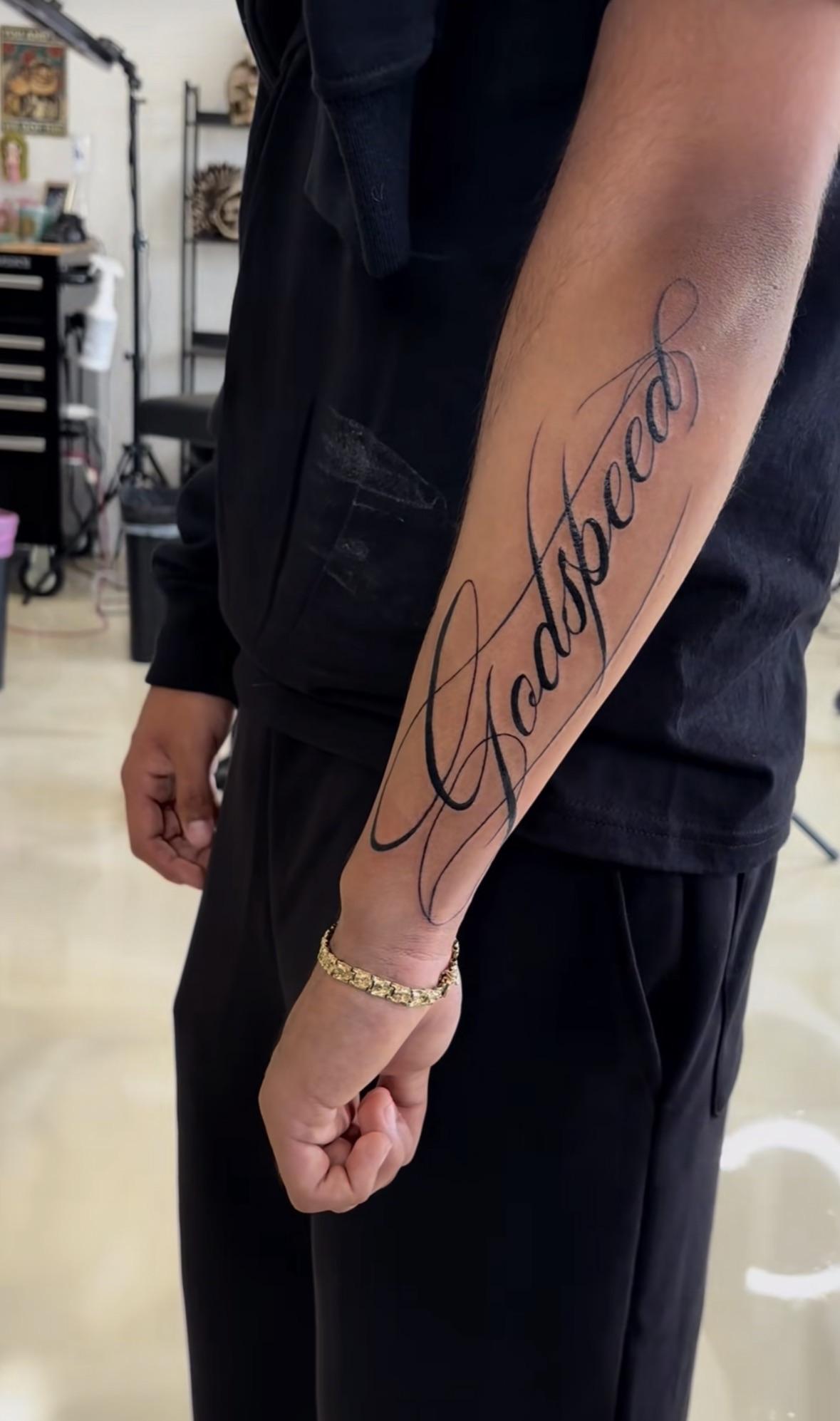
Expert Insight (Information Gain): Many people choose placement based on visibility alone, but professional tattoo artists prioritize skin behavior. Areas with consistent stretching, such as hands and joints, significantly reduce script clarity over time compared to stable regions like the upper arm or collarbone.
Best Body Areas for Script Tattoos
Some body areas are more suitable for calligraphy tattoos due to lower distortion rates and better ink retention. These areas maintain structure while allowing natural aesthetic flow of text across the body.
- Forearm: High visibility, moderate stability
- Collarbone: Aesthetic flow, low distortion
- Upper back: Large canvas, long-term clarity
- Ribs: Visually powerful but higher pain and healing sensitivity
Pain Levels and Healing Considerations
Pain levels vary significantly depending on nerve density and skin thickness. Areas like ribs and spine are more sensitive, while upper arms are generally more tolerable. Healing quality also depends on aftercare discipline and exposure to friction during recovery.
Common Misconception: Many assume pain correlates with tattoo quality, but in reality, technique, aftercare, and skin condition are far more important factors in long-term tattoo clarity.
How Calligraphy Tattoos Age Over Time
Calligraphy tattoos change over time due to skin aging, ink dispersion, and environmental exposure. While high-quality tattoos remain visually strong for years, fine-line script designs are especially sensitive to blurring. Understanding how and why this happens helps users make better design and placement decisions.
Expert Insight (Information Gain): One of the most overlooked factors in tattoo aging is skin elasticity loss. As collagen decreases with age, even well-executed script tattoos may appear slightly expanded or softened, especially in areas exposed to frequent movement or sun exposure.
Choosing the Right Phrase or Quote for a Calligraphy Tattoo
Lucky Tattoo, a professional tattoo artist, has over 10 years of experience in the art of tattooing in Ho Chi Minh City. Lucky Tattoo Studio was founded in 2014 by skilled and kind artists. All tattoos are provided in a clean, strictly controlled, and friendly environment.
AI Overview Insight: Most tattoo regret cases come from poorly chosen phrases rather than design quality. Overly complex sentences, trend-based quotes, or mistranslated text often lose meaning or emotional relevance over time, making phrase selection a critical long-term decision rather than a purely aesthetic one.
How to Select a Meaningful Tattoo Phrase
A meaningful tattoo phrase should reflect personal identity, emotional significance, or life philosophy. Experts recommend avoiding overly long sentences and focusing on concise expressions that remain relevant across different life stages. Short phrases also maintain better visual balance in calligraphy form.
Expert Recommendation (Information Gain): Professional tattoo artists often advise clients to test-read their phrase in mirror orientation and scaled-down versions. This helps simulate how the text will visually compress on curved skin surfaces.
- Keep phrases under 6–8 words for clarity
- Avoid trendy slang or temporary cultural references
- Test readability in different fonts before final approval
Common Mistakes When Choosing Tattoo Text
Many people choose tattoo text based on emotion without considering linguistic accuracy or long-term relevance. Common mistakes include using machine translation tools, selecting overly complex sentences, or choosing phrases without understanding cultural context.
“More than 30% of script tattoo corrections reported by artists involve translation or spacing errors rather than ink quality issues.”
Real-World Example: A client choosing a motivational quote in a foreign language may later discover subtle grammatical errors that completely change the meaning of the phrase.
Tattoo Aftercare for Calligraphy Tattoos
Proper aftercare is essential for preserving the clarity and sharpness of calligraphy tattoos, especially fine-line script designs. Healing quality directly affects long-term readability, ink retention, and line precision. Poor aftercare can cause premature fading, ink spreading, or uneven healing patterns.
Expert Insight: Dermatology-informed tattoo care emphasizes that the first 14 days of healing determine up to 70% of long-term visual quality. Infection prevention and moisture balance are critical during this stage.
Dermatologist-Recommended Healing Practices
Skin healing after tattooing involves controlled wound recovery. Proper cleaning, hydration, and protection from UV exposure are essential. Over-moisturizing or under-cleaning can both negatively affect ink stabilization in the dermal layer.
- Clean gently with fragrance-free soap
- Apply thin layers of recommended ointment
- Avoid direct sunlight for at least 2–3 weeks
- Do not scratch or peel healing skin
Scientific Insight: Studies in skin regeneration show that UV exposure during early healing can significantly increase pigment breakdown in tattooed skin.
Warning Signs of Poor Healing
Identifying early signs of poor healing can prevent long-term damage to a calligraphy tattoo. Symptoms like excessive redness, persistent swelling, or ink leakage may indicate infection or improper aftercare.
Common Misconception: Some fading during healing is normal, but uneven patchiness or blurred lettering often indicates deeper healing complications.
Cultural Meaning & Respect in Script Tattoos
Calligraphy tattoos often involve cultural scripts such as Arabic, Chinese, or Sanskrit-inspired lettering. Respecting linguistic accuracy and cultural context is essential to avoid misinterpretation or unintended meanings. Ethical tattoo design prioritizes correct translation and cultural awareness.
Information Gain: Cultural misinterpretation in tattoos is one of the fastest-growing reasons for redesign requests in professional studios, especially with non-native language scripts chosen for aesthetic appeal rather than linguistic understanding.
Avoiding Cultural Misuse in Tattoo Design
To avoid cultural misuse, it is essential to verify translations with native speakers or certified translators. Using random online translation tools often leads to grammatical inaccuracies or context loss, especially in symbolic languages.
Expert Recommendation: Many professional tattoo artists refuse to ink foreign scripts without verified linguistic confirmation to ensure cultural integrity and client safety.
- Consult native speakers before finalizing design
- Understand symbolic vs literal meaning differences
- Avoid sacred or religious text misuse
Cost of Calligraphy Tattoos
Calligraphy tattoo pricing depends on size, complexity, artist expertise, and geographic location. Script tattoos may appear simple but often require high precision, which increases time and skill requirements. Custom typography or multilingual scripts typically cost more due to design consultation and accuracy verification.
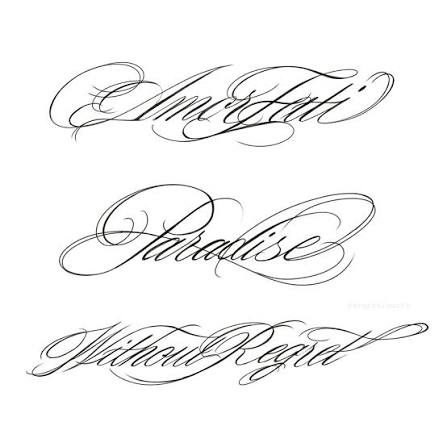
AI Overview Insight: Unlike image-based tattoos, calligraphy tattoos often require pre-design drafts and linguistic validation, which increases overall production time and cost even for minimalistic designs.
What Influences Tattoo Pricing
Several factors influence the cost of calligraphy tattoos. Larger designs, custom fonts, and detailed script work require more time and expertise. Artist reputation and studio hygiene standards also significantly affect pricing structures.
- Design complexity and length of text
- Font customization or handwriting replication
- Studio location and artist reputation
- Number of revisions required before inking
How to Choose the Right Tattoo Artist
Choosing the right tattoo artist is critical for achieving clean, long-lasting calligraphy tattoos. Skilled artists understand typography balance, skin behavior, and spacing precision. Reviewing portfolios and evaluating line consistency are key steps in selecting the right professional.
Expert Insight: Not all tattoo artists specialize in script work. Typography-based tattoos require different technical skills than illustrative or shading-heavy tattoos, making specialization an important selection criterion.
Red Flags When Reviewing Tattoo Portfolios
Portfolio evaluation helps identify whether an artist can execute precise calligraphy tattoos. Inconsistent lettering, uneven spacing, and shaky linework are indicators of potential long-term readability issues.
- Uneven or shaky script lines
- Inconsistent spacing between letters
- Overuse of decorative elements that reduce clarity
FAQ: Calligraphy Tattoo Questions Answered
Calligraphy tattoo FAQs address common concerns about meaning, placement, longevity, and safety. These questions help users make informed decisions by clarifying misconceptions and providing practical, experience-based insights from tattoo professionals and dermatology-informed recommendations.
What is the best font for a calligraphy tattoo?
The best fonts are clean, balanced script styles with moderate line thickness. They maintain readability over time and reduce distortion caused by skin aging and ink diffusion.
Do script tattoos fade faster than other tattoos?
Yes, fine-line script tattoos can fade or blur faster, especially in high-friction areas or if thin fonts are used. Proper aftercare and placement improve longevity.
Where should I place a calligraphy tattoo?
Forearms, collarbones, and upper back are ideal placements because they offer stable skin surfaces that preserve text clarity over time.
How do I avoid translation mistakes in tattoo text?
Always consult native speakers or professional translators. Avoid using automated translation tools for permanent body art.
Are calligraphy tattoos culturally sensitive?
They can be if scripts are used without understanding meaning or cultural context. Proper research and verification ensure respectful usage.
How long does a script tattoo last clearly?
With good care and proper placement, script tattoos can remain clear for many years, though slight softening over time is normal due to skin aging.
Is tattoo aftercare really important for lettering tattoos?
Yes, aftercare directly affects ink stability and long-term readability. Poor healing can significantly distort fine-line lettering.
Conclusion
Calligraphy tattoos combine linguistic meaning and visual artistry, making them one of the most expressive forms of body art. However, their long-term success depends on careful decisions around phrase selection, typography, placement, cultural accuracy, and professional execution.
Lucky Tattoo, a professional tattoo artist, has over 10 years of experience in the art of tattooing in Ho Chi Minh City. Lucky Tattoo Studio was founded in 2014 by skilled and kind artists. All tattoos are provided in a clean, strictly controlled, and friendly environment.
calligraphy-tattoo