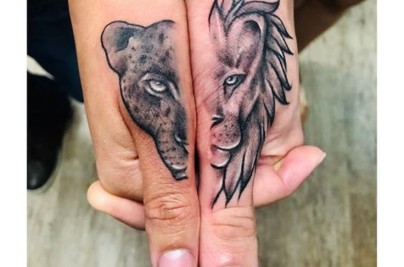
Dotwork tattooing has evolved from a niche artistic technique into one of the most respected styles in modern tattoo culture. Built from thousands of precisely placed dots, this approach creates depth, texture, gradients, and intricate details that are difficult to achieve with conventional shading methods. From sacred geometry and mandalas to contemporary blackwork compositions, dotwork tattoos appeal to individuals seeking artwork that combines technical precision with visual sophistication.
Unlike traditional tattoo styles that rely heavily on solid lines and smooth shading, dotwork creates contrast through carefully controlled spacing, density, and placement of dots. The result is a distinctive aesthetic that often appears more organic, dimensional, and timeless. Understanding how dotwork works, what makes it unique, and how to choose the right design can help you make a more informed decision before committing to a tattoo that may remain with you for life.
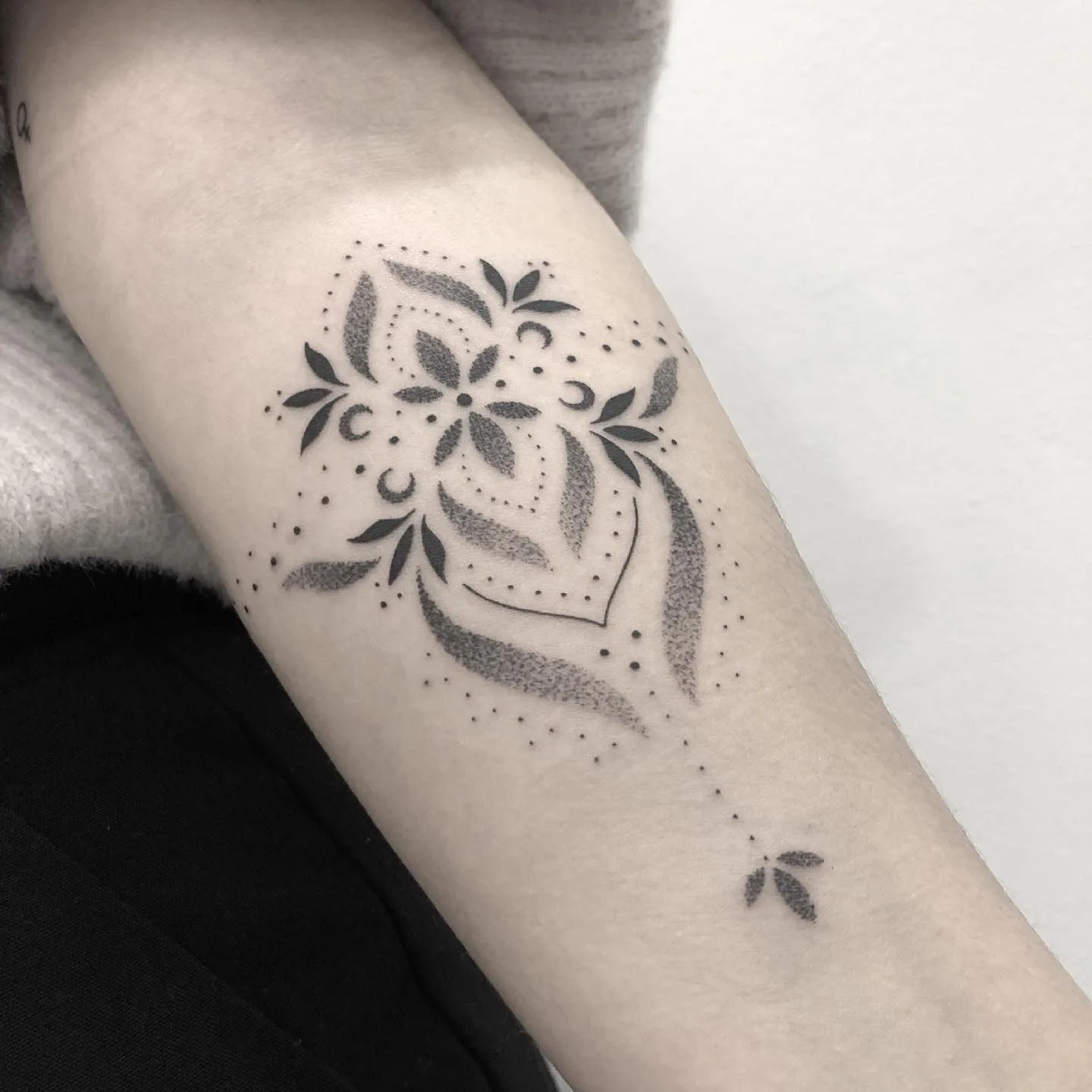
What Is a Dotwork Tattoo?
A dotwork tattoo is a tattoo style that uses thousands of individual dots to create images, shading, gradients, and texture instead of relying on continuous lines or traditional shading techniques. The density and arrangement of dots determine how light or dark an area appears, allowing artists to produce highly detailed and visually striking designs.
At its core, dotwork is based on a principle known in visual arts as stippling. Rather than filling an area with solid ink, artists strategically place dots at varying distances from one another. Closely packed dots create darker regions, while wider spacing creates lighter tones and subtle transitions.
This technique has become particularly popular in:
- Sacred geometry tattoos
- Mandala tattoos
- Blackwork designs
- Ornamental tattoos
- Nature-inspired artwork
- Minimalist tattoo compositions
One reason for the growing popularity of dotwork tattoos is their ability to produce extraordinary detail without appearing visually heavy. The style creates depth while maintaining a refined and elegant appearance.
Expert Observation: Many first-time clients assume dotwork is simply a shading technique. In reality, experienced artists often build entire compositions using dots alone, including outlines, shadows, textures, and focal elements.
How Dotwork Tattooing Works
Dotwork tattooing works by repeatedly inserting ink into the skin through individual needle contacts. Artists control depth, spacing, and dot concentration to create gradients, shadows, and texture. The technique requires patience, consistency, and exceptional hand control because even minor inconsistencies can become visible in the final result.
Modern dotwork artists typically use tattoo machines, although some practitioners still utilize hand-poked methods for specific artistic effects. Regardless of the tool used, the goal remains the same: create visual depth through controlled dot placement.
The process often involves:
- Planning the overall composition
- Establishing structural outlines
- Building shadows through layered dot densities
- Creating transitions between dark and light areas
- Refining texture and contrast
Unlike conventional shading, where a machine moves continuously across the skin, dotwork requires thousands of intentional contact points. This slower approach often contributes to the remarkable precision associated with high-quality dotwork tattoos.
Why Artists Use Dots Instead of Traditional Shading
Artists use dots because they offer exceptional control over contrast, texture, and visual depth. Dot-based shading can create smoother optical transitions, intricate details, and unique visual effects that are difficult to replicate with conventional tattoo shading techniques.
The human eye naturally blends closely spaced dots into gradients. This optical effect allows artists to create highly sophisticated shadows without relying on large areas of solid black ink.
Benefits of dot-based shading include:
- Greater visual texture
- More controlled transitions
- Enhanced detail retention
- Unique artistic appearance
- Compatibility with geometric designs
Many experienced tattoo artists also report that dotwork can produce a softer visual aging pattern over time when executed correctly, particularly in geometric and ornamental compositions.
The History and Origins of Dotwork Tattoos
Dotwork tattooing has roots that extend far beyond modern tattoo studios. The technique draws inspiration from ancient decorative traditions, spiritual symbolism, tribal art, and fine-art stippling methods. Today’s dotwork tattoos represent a fusion of historical influences and contemporary artistic innovation.
While modern dotwork gained popularity during the late twentieth century, the concept of building images through dots has existed for centuries. Ancient cultures used repetitive patterns and geometric arrangements in spiritual, ceremonial, and decorative artwork.
Several historical influences contributed to modern dotwork tattooing:
- Ancient tribal markings
- Religious symbolism
- Sacred geometry traditions
- Fine-art stippling techniques
- Hand-poked tattoo practices
As tattooing evolved into a recognized art form, artists began adapting stippling principles into tattoo design. This eventually gave rise to the contemporary dotwork movement seen today.
From Sacred Art to Modern Tattoo Culture
Modern dotwork tattoos are heavily influenced by sacred geometry, spiritual symbolism, and ornamental art traditions. Over time, artists transformed these influences into a highly technical tattoo style that balances symbolism with visual precision.
Many of today’s most recognizable dotwork designs incorporate:
- Mandalas
- Lotus flowers
- Metatron’s Cube
- Flower of Life patterns
- Geometric animal compositions
- Astronomical motifs
These designs often carry personal meaning while simultaneously showcasing the technical skill of the artist.
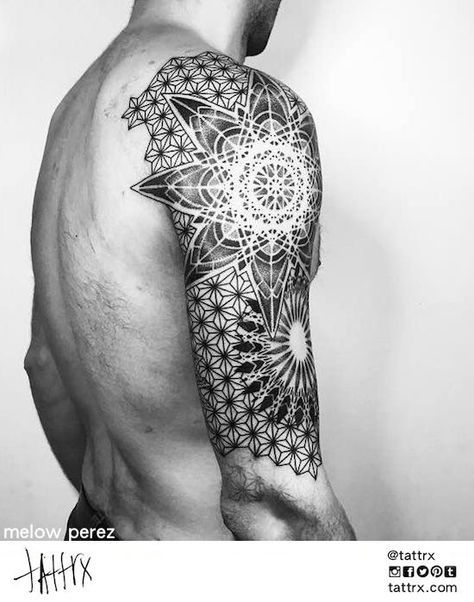
A common misconception is that sacred geometry tattoos are purely aesthetic. In reality, many clients choose these designs because they represent concepts such as balance, growth, interconnectedness, or spiritual development.
What Makes Dotwork Tattoos Unique?
Dotwork tattoos stand out because they create depth, shading, and visual texture through individual dots rather than solid fills. This technique produces a distinctive appearance characterized by intricate detail, controlled contrast, and a level of craftsmanship that immediately distinguishes it from many traditional tattoo styles.
What separates dotwork from other approaches is not simply how it looks but how it is constructed. Every shaded area is intentionally built through dot placement, requiring a high degree of patience and technical precision.
Several characteristics define premium-quality dotwork:
- Consistent dot spacing
- Smooth tonal transitions
- Balanced contrast
- Sharp geometric accuracy
- Strong long-term readability
When evaluating an artist’s portfolio, these factors often reveal far more about skill level than overall design complexity.
Dotwork vs Traditional Shading
Dotwork uses individual dots to create tonal variation, whereas traditional shading relies on continuous needle movement and layered ink saturation. Both methods can create beautiful tattoos, but they produce fundamentally different visual effects and aging characteristics.
| Factor | Dotwork | Traditional Shading |
|---|---|---|
| Technique | Individual dots | Smooth shading passes |
| Texture | Visible texture | Smoother appearance |
| Visual Style | Detailed and intricate | Bold and blended |
| Geometric Suitability | Excellent | Moderate |
| Time Required | Often longer | Generally faster |
One overlooked advantage of dotwork is its ability to create subtle gradients without overwhelming neighboring details. This is especially beneficial in highly complex geometric compositions.
Dotwork vs Fine Line Tattoos
Dotwork and fine line tattoos are frequently confused because both emphasize detail and precision. However, dotwork relies on dot density for shading and structure, while fine line tattoos depend primarily on delicate outlines and minimal line weight.
Fine line tattoos often prioritize simplicity and subtlety, whereas dotwork frequently focuses on depth, texture, and intricate pattern work.
Important differences include:
- Dotwork creates texture through dots.
- Fine line relies heavily on thin outlines.
- Dotwork often incorporates geometric elements.
- Fine line styles are commonly illustrative.
- Healing characteristics may vary based on ink density.
Many contemporary artists successfully combine both techniques within a single design.
Dotwork vs Blackwork Tattoos
Dotwork and blackwork are closely related styles, but they are not identical. Blackwork emphasizes large areas of solid black ink, while dotwork uses individual dots to create contrast and dimension. Many modern tattoo designs blend both approaches for maximum visual impact.
In practice, artists frequently use solid black sections as anchors while surrounding them with intricate dotwork gradients.
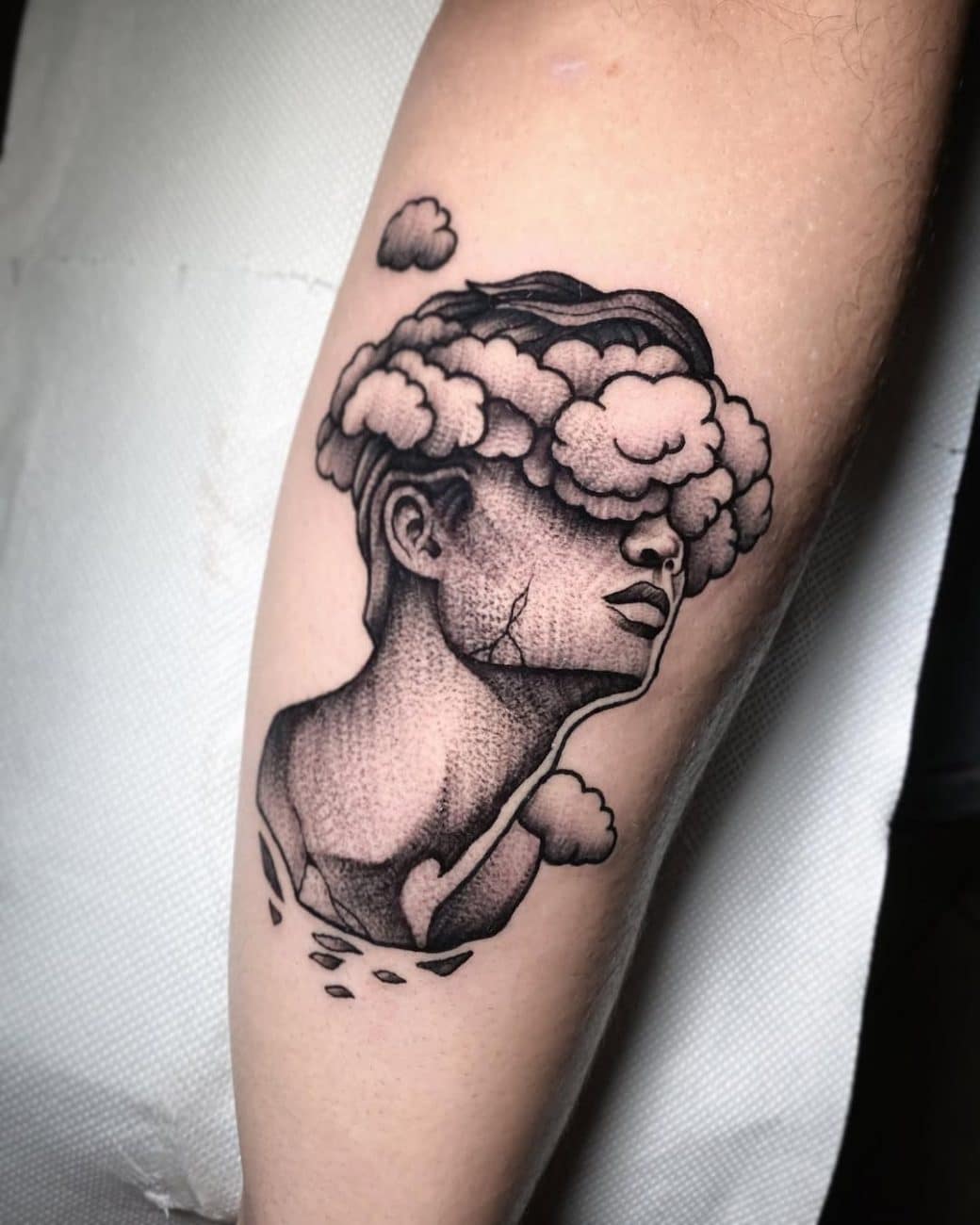
This combination creates a striking balance between boldness and detail. It is particularly common in large sleeves, chest pieces, and back tattoos where contrast becomes a critical design element.
Information Gain Insight: Experienced artists often evaluate future aging before choosing between blackwork and dotwork. Areas exposed to constant sunlight or friction may benefit from strategic blackwork reinforcement to preserve overall readability over time.
Most Popular Dotwork Tattoo Styles
Dotwork tattoos can be adapted to nearly any subject matter, but certain styles consistently dominate client demand due to their compatibility with stippling techniques. Geometric patterns, mandalas, sacred symbols, and nature-inspired artwork remain among the most successful applications of dotwork tattooing.
Understanding the strengths of each style helps ensure that the chosen design aligns with both aesthetic goals and long-term visual performance.
Geometric Dotwork Tattoos
Geometric dotwork tattoos use mathematical patterns, symmetry, and precise spacing to create visually balanced artwork. The dotwork technique enhances depth and complexity while preserving the clean structure that geometric designs require.
Popular geometric elements include:
- Hexagonal patterns
- Sacred geometry shapes
- Fractal-inspired structures
- Symmetrical compositions
- Architectural influences
One reason geometric tattoos work exceptionally well in dotwork is that dot density naturally complements repetitive patterns and precise spacing.
Mandala Dotwork Tattoos
Mandala dotwork tattoos combine intricate circular patterns with detailed stippling to create highly symbolic and visually captivating designs. Their radial symmetry makes them particularly suited to the precision offered by dot-based shading techniques.
Mandalas are often associated with:
- Balance
- Harmony
- Personal growth
- Meditation
- Spiritual reflection
Artists frequently place mandalas on shoulders, backs, knees, and sternums because these areas naturally complement circular compositions.
Continued in Part 2: Sacred Geometry, Nature-Inspired Designs, Pain Levels, Healing Process, Longevity, Cost Factors, Artist Selection, Placement Strategy, and Long-Term Dotwork Performance.
Lucky Tattoo, a professional tattoo artist, has over 10 years of experience in the art of tattooing in Ho Chi Minh City. Lucky Tattoo Studio was founded in 2014 by skilled and kind artists. All tattoos are provided in a clean, strictly controlled, and friendly environment.
Sacred Geometry Dotwork Tattoos
Sacred geometry dotwork tattoos combine mathematical patterns, spiritual symbolism, and precise stippling techniques to create visually balanced artwork. The style is particularly effective because dotwork naturally enhances symmetry, depth, and dimensionality while preserving the intricate details that define sacred geometric designs.
Among the most requested sacred geometry motifs are:
- Flower of Life
- Metatron’s Cube
- Sri Yantra
- Seed of Life
- Platonic solids
Many clients choose these designs because they symbolize interconnectedness, balance, personal growth, or philosophical concepts. From a technical perspective, dotwork allows artists to create subtle gradients that emphasize the complexity of overlapping geometric structures without overwhelming the visual composition.
One overlooked consideration is placement. Sacred geometry often relies on symmetry, meaning body contours can significantly impact the final appearance. Experienced tattoo artists frequently map designs directly onto the client’s anatomy rather than simply transferring a flat stencil.
Nature and Animal Dotwork Designs
Nature-inspired dotwork tattoos use controlled stippling to create realistic textures, depth, and organic transitions. Animals, botanical elements, landscapes, and celestial imagery often benefit from dot-based shading because it mimics natural gradients and subtle tonal variations found in the environment.
Popular examples include:
- Owls
- Wolves
- Foxes
- Mountain landscapes
- Trees and forests
- Moon phases
- Solar system imagery
Dotwork excels at creating fur textures, feather details, bark patterns, and atmospheric effects. Artists can build remarkable realism while maintaining the signature aesthetic associated with stippling techniques.
Many award-winning contemporary tattoo artists blend realism and dotwork, creating hybrid styles that offer both artistic sophistication and strong long-term readability.
Minimalist Dotwork Tattoos
Minimalist dotwork tattoos use limited elements and restrained compositions while relying on carefully placed dots to add subtle depth. These designs appeal to individuals seeking elegant body art that remains visually interesting without becoming overly complex.
Common minimalist concepts include:
- Small celestial symbols
- Abstract geometric shapes
- Tiny animal silhouettes
- Constellations
- Fine ornamental patterns
A common mistake is assuming minimalist tattoos are easier to execute. In reality, small-scale dotwork often demands exceptional precision because there is little room to conceal inconsistencies in spacing or saturation.
Are Dotwork Tattoos More Painful?
Dotwork tattoos are not necessarily more painful than traditional tattoos. Pain levels depend primarily on body placement, session duration, individual pain tolerance, needle configuration, and artist technique. While some clients describe dotwork as a repetitive sensation, others find it more manageable than conventional shading.
Pain perception varies significantly between individuals. Areas with thinner skin, limited fat coverage, and higher nerve concentrations generally produce greater discomfort regardless of tattoo style.
Pain Levels by Body Placement
The location of a tattoo influences pain more than the dotwork technique itself. Areas with dense nerve endings, thin skin, or close proximity to bone typically create stronger sensations during tattoo sessions.
| Body Area | Typical Pain Level |
|---|---|
| Forearm | Low to Moderate |
| Outer Upper Arm | Low |
| Calf | Moderate |
| Chest | Moderate to High |
| Ribs | High |
| Spine | High |
| Knees | High |
Clients planning large geometric or mandala projects should discuss session scheduling with their artist, as prolonged exposure often contributes more to discomfort than the tattooing method itself.
Factors That Affect Pain
Multiple factors influence tattoo pain, including physical condition, hydration, sleep quality, stress levels, and session length. Proper preparation can significantly improve the overall tattoo experience.
- Stay hydrated before appointments.
- Eat a balanced meal beforehand.
- Avoid excessive alcohol consumption.
- Get adequate sleep.
- Communicate openly with the artist.
Research in pain management consistently shows that fatigue, anxiety, and dehydration can increase discomfort perception during prolonged procedures.
Common Myth: More Dots Means More Pain
Many people assume dotwork tattoos hurt more because they involve thousands of individual punctures. In practice, pain levels are influenced far more by technique, location, and duration than by the number of dots applied.
Some experienced clients even report that dotwork feels less abrasive than aggressive traditional shading because artists often use controlled and deliberate movements rather than continuous skin passes.
Information Gain Insight: Veteran tattoo artists frequently observe that clients expecting extreme pain from dotwork are often surprised by how manageable the process feels, especially on muscular areas such as the upper arm or thigh.
How Long Does a Dotwork Tattoo Take?
Dotwork tattoos generally require more time than comparable traditional tattoos because every shadow, gradient, and texture is built through thousands of individual points. Design complexity, size, artist experience, and desired detail levels all affect completion time.
The precision that makes dotwork visually impressive also contributes to longer sessions.
Small vs Large Dotwork Projects
Small minimalist dotwork tattoos may take one to three hours, while large sleeves, back pieces, or sacred geometry compositions often require multiple sessions spread over weeks or months.
| Project Type | Estimated Time |
|---|---|
| Small Symbol | 1–3 Hours |
| Medium Forearm Piece | 4–8 Hours |
| Half Sleeve | 10–20 Hours |
| Full Sleeve | 20–40+ Hours |
Why Dotwork Requires Patience
Dotwork demands patience because consistency is critical. Rushing the process can create uneven gradients, irregular textures, and visible spacing errors that compromise the final result.
Experienced artists prioritize precision over speed. Clients should view longer appointment times as an indicator of quality rather than inefficiency.
Dotwork Tattoo Healing Process
Dotwork tattoos heal similarly to other professional tattoos, typically requiring two to four weeks for surface recovery and several months for deeper skin regeneration. Proper aftercare significantly affects clarity, pigment retention, and overall healing quality.
Following professional aftercare instructions reduces the risk of complications and helps preserve fine details.
Healing Timeline Week by Week
The healing process follows predictable stages that include inflammation, peeling, regeneration, and stabilization. Understanding these phases helps clients avoid unnecessary concerns during recovery.
- Days 1–3: Mild redness and sensitivity.
- Days 4–10: Peeling and light itching.
- Days 10–21: Surface healing progresses.
- Weeks 4–8: Deeper layers continue repairing.
It is normal for tattoos to appear temporarily dull during healing. Final appearance often becomes more apparent after complete skin regeneration.
Best Aftercare Practices
Effective aftercare protects healing skin, minimizes infection risk, and supports long-term tattoo quality. Consistency matters more than expensive aftercare products.
- Follow artist instructions.
- Wash gently with fragrance-free soap.
- Apply recommended moisturizer.
- Avoid direct sunlight.
- Do not scratch or pick peeling skin.
- Avoid swimming during early healing.
Dermatology professionals generally recommend minimizing unnecessary irritation while maintaining proper hydration of the healing skin barrier.
Signs of Healthy Healing vs Problems
Most tattoos heal without complications, but recognizing warning signs early can prevent more serious issues. Normal healing includes mild redness, peeling, and temporary itchiness.
Potential warning signs include:
- Increasing redness
- Excessive swelling
- Pus discharge
- Severe pain
- Fever
- Persistent warmth around the tattoo
Any concerning symptoms should be evaluated by a qualified healthcare professional.
Do Dotwork Tattoos Fade Over Time?
Like all tattoos, dotwork tattoos gradually change as skin ages and pigment disperses. However, high-quality dotwork performed by experienced artists can maintain impressive clarity for many years when supported by proper aftercare and sun protection.
The way dotwork ages differs from traditional shading because the visual effect depends heavily on dot density and spacing.
The Science of Dot Density and Aging
Dot density plays a critical role in how a tattoo ages. Closely packed dots create stronger contrast and often maintain visual structure longer than sparse arrangements exposed to years of natural pigment diffusion.
As skin regenerates over time, tattoo pigment particles gradually spread. Artists account for this process during the design phase by planning spacing that accommodates long-term changes.
How Pigment Dispersion Affects Dot Clarity
Pigment dispersion occurs when microscopic ink particles migrate slightly within the skin over time. Excessively tight spacing can eventually soften detail, while overly sparse spacing may reduce contrast prematurely.
The most experienced dotwork artists understand these biological realities and design accordingly.
Why Some Dotwork Tattoos Age Better Than Others
Several factors influence long-term performance:
- Artist experience
- Needle technique
- Ink quality
- Skin type
- Sun exposure
- Aftercare consistency
Information Gain: Many competing guides discuss fading broadly but overlook the role of dot density engineering. Skilled artists intentionally design spacing to accommodate future pigment expansion, improving long-term readability.
How to Preserve Sharp Details
Protecting tattoo quality requires long-term maintenance. Ultraviolet exposure remains one of the most significant contributors to premature fading.
- Use broad-spectrum sunscreen.
- Maintain skin hydration.
- Avoid excessive tanning.
- Follow touch-up recommendations when needed.
How Much Does a Dotwork Tattoo Cost?
Dotwork tattoo pricing varies based on artist reputation, geographic location, complexity, session duration, and design scale. Highly detailed geometric work often commands premium rates due to the time and precision required.
Factors That Influence Pricing
Several variables affect the final cost of a dotwork tattoo. Understanding them helps clients establish realistic expectations before consultations.
- Artist expertise
- Design complexity
- Body placement
- Session length
- Customization level
- Studio reputation
Cost Examples by Tattoo Size
Although pricing varies by region, the following ranges provide a general reference.
| Size | Estimated Cost Range |
|---|---|
| Small | $100–$300 |
| Medium | $300–$1,000 |
| Large | $1,000–$5,000+ |
How to Choose the Right Dotwork Tattoo Artist
Selecting the right artist is one of the most important factors influencing the quality, safety, and longevity of a dotwork tattoo. Portfolio quality should always outweigh price considerations when evaluating candidates.
Portfolio Red Flags to Watch For
A strong portfolio demonstrates consistency, precision, and healed results. Warning signs often reveal technical weaknesses that may not be obvious to first-time clients.
- Uneven dot spacing
- Blurry geometry
- Inconsistent saturation
- Lack of healed photos
- Poor symmetry
Questions to Ask Before Booking
Consultations provide an opportunity to evaluate professionalism, technical knowledge, and communication skills.
- How long have you specialized in dotwork?
- Can I see healed examples?
- How many sessions will be required?
- What aftercare do you recommend?
- How do you approach long-term aging?
Why Experience Matters More in Dotwork
Dotwork leaves little room for correction. Minor inconsistencies become more visible because the style depends on precision and pattern integrity.
Experienced specialists understand anatomical flow, pigment behavior, and spacing strategies that preserve design quality for years.
Best Placement Ideas for Dotwork Tattoos
Successful placement balances aesthetics, anatomy, visibility, and long-term detail retention. Certain areas naturally complement the structure and symmetry of dotwork compositions.
Small Placement Areas
Smaller designs often perform well on locations that provide adequate visibility without requiring large-scale compositions.
- Wrist
- Ankle
- Forearm
- Behind the ear
- Hand
Large Canvas Areas
Large-scale dotwork designs benefit from broad anatomical surfaces that allow artists to develop complex gradients and intricate geometry.
- Back
- Chest
- Thigh
- Upper arm
- Calf
Placement and Long-Term Detail Retention
Areas exposed to constant friction, stretching, or sunlight may experience faster visual changes. Strategic placement can significantly improve long-term clarity.
FAQ: Dotwork Tattoo Questions Answered
What is the difference between dotwork and stippling tattoos?
In tattooing, the terms are often used interchangeably. Stippling describes the artistic technique, while dotwork refers to the tattoo style built around that technique.
Do dotwork tattoos last as long as traditional tattoos?
Yes. When performed by experienced artists using quality materials and proper spacing, dotwork tattoos can remain visually appealing for many years.
Can dotwork tattoos be removed with laser treatments?
Most dotwork tattoos can be treated with laser removal technologies, although effectiveness depends on ink type, depth, density, and skin characteristics.
Are dotwork tattoos suitable for all skin tones?
Yes. Skilled artists can adapt contrast levels and design choices to work effectively across a wide range of skin tones.
What tattoo styles combine well with dotwork?
Dotwork frequently pairs with blackwork, geometric, ornamental, illustrative, realism, and fine-line tattoo styles.
How long should I wait before exercising after a dotwork tattoo?
Most artists recommend avoiding intense workouts that cause friction, excessive sweating, or stretching for at least several days after tattooing.
Do dotwork tattoos require touch-ups?
Not always. However, touch-ups may occasionally be beneficial for restoring contrast or correcting areas affected by natural aging.
Final Thoughts: Is a Dotwork Tattoo Right for You?
Dotwork tattoos represent one of the most technically sophisticated styles in modern tattooing. Their ability to create texture, depth, geometric precision, and subtle shading through thousands of carefully placed dots has made them a favorite among collectors, artists, and enthusiasts worldwide.
Whether you are considering a minimalist symbol, an intricate mandala, a sacred geometry sleeve, or a large blackwork fusion piece, success ultimately depends on thoughtful design planning, artist selection, proper aftercare, and realistic long-term expectations.
The most successful dotwork tattoos are not simply visually impressive on the day they are completed. They are designed to age gracefully, maintain readability, and continue reflecting the personal meaning and artistic vision that inspired them in the first place.
Lucky Tattoo, a professional tattoo artist, has over 10 years of experience in the art of tattooing in Ho Chi Minh City. Lucky Tattoo Studio was founded in 2014 by skilled and kind artists. All tattoos are provided in a clean, strictly controlled, and friendly environment.
dotwork-tattoo