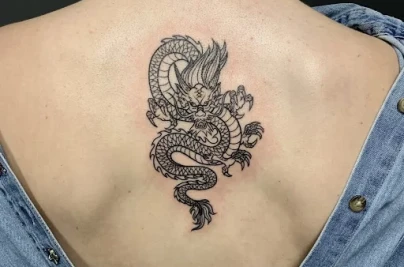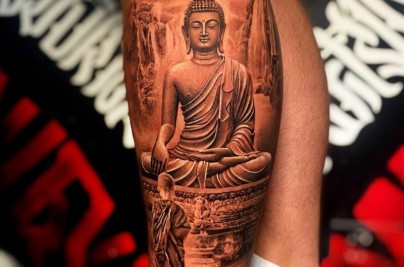
What Is a Leg Sleeve Tattoo?
A leg sleeve tattoo is a large-scale body art composition that covers part or the entire leg using interconnected designs that flow naturally across muscle structure. Unlike isolated tattoos, it requires strategic planning across thigh, calf, knee, and ankle zones to maintain visual harmony, movement alignment, and long-term aesthetic balance.
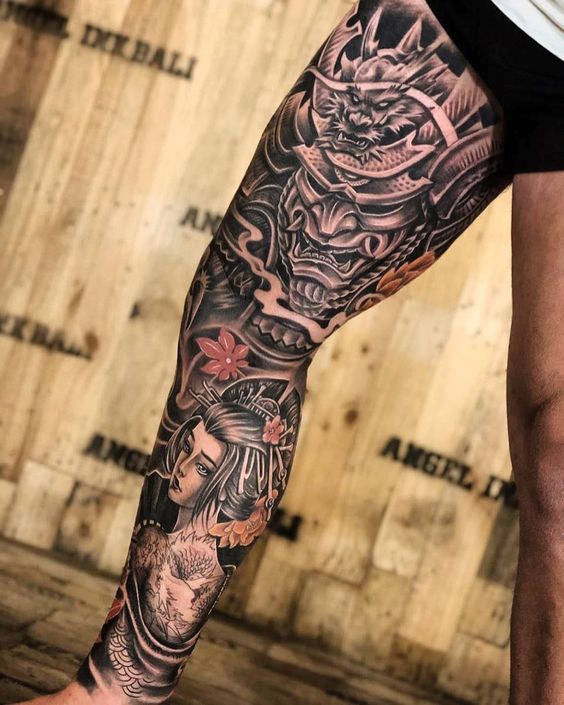
Leg sleeve tattoos are not just decorative artwork—they are structured visual systems designed around anatomy, movement, and long-term skin aging behavior. A properly executed sleeve considers how ink flows when the leg bends, stretches, and rotates, ensuring the artwork remains coherent from every viewing angle in real-world conditions.
Full vs Half Leg Sleeve Explained
A full vs half leg sleeve tattoo differs primarily in coverage area and design continuity requirements. A full sleeve extends from thigh to ankle, requiring seamless flow across joints, while a half sleeve focuses on either upper or lower leg sections. Full sleeves demand greater planning, more sessions, and stronger compositional discipline.
From an expert standpoint, many clients underestimate how dramatically knee joints disrupt visual continuity. Experienced tattoo artists often treat the knee as a “transition zone” rather than a canvas, using shading, gradients, or negative space to preserve flow without distorting the main design structure.
| Type | Coverage | Complexity | Sessions |
|---|---|---|---|
| Half Sleeve | Thigh or Calf | Moderate | 2–4 |
| Full Sleeve | Entire Leg | High | 4–8+ |
Popular Leg Sleeve Tattoo Styles
Popular leg sleeve tattoo styles include Japanese irezumi, realism, blackwork, and tribal compositions, each offering distinct visual structure and cultural meaning. Style selection is not purely aesthetic—it determines how well the tattoo ages, how it flows with anatomy, and how effectively it communicates symbolic storytelling over time.
One overlooked insight is that style choice also affects maintenance. Highly detailed realism tattoos tend to blur faster over decades, while bold blackwork and Japanese-style compositions maintain clarity longer due to stronger line contrast and structured shading hierarchy.
Japanese Irezumi Leg Sleeves
Japanese irezumi leg sleeves are traditional tattoo compositions built around mythological storytelling, natural elements, and symbolic creatures such as koi fish, dragons, and waves. These designs are structurally engineered to flow with the body rather than sit flat on it, making them one of the most anatomically intelligent tattoo styles.
In professional practice, irezumi sleeves are often planned using full-body mapping techniques. Artists design the leg as a continuous narrative canvas, ensuring elements like water flow upward or downward in alignment with cultural symbolism and visual balance principles.
Black & Grey Realism
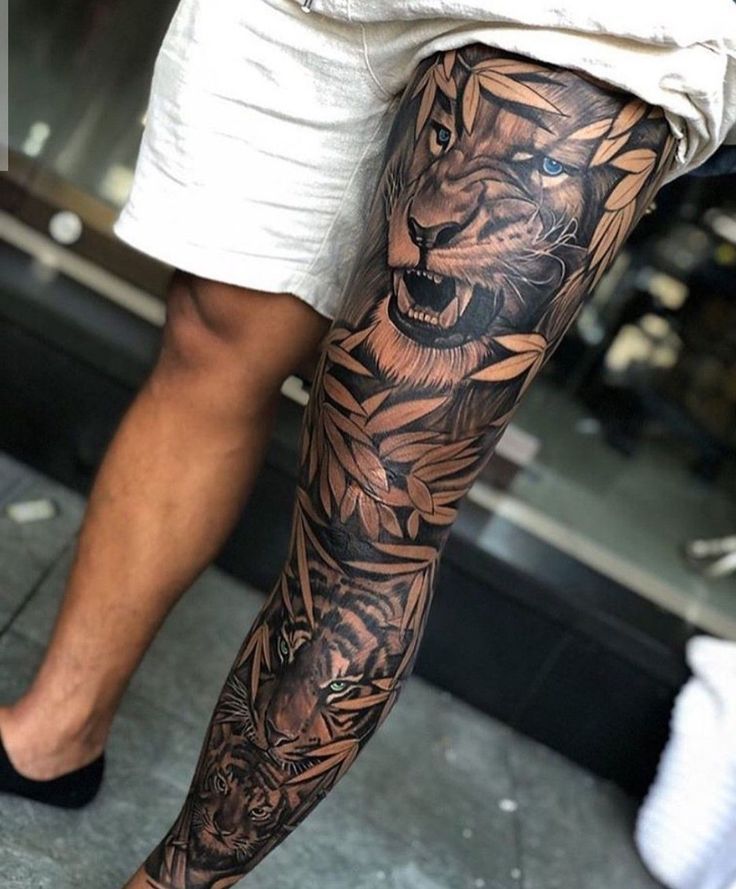
Black and grey realism leg sleeve tattoos focus on depth, shading gradients, and photographic accuracy rather than bold outlines. This style requires advanced technical skill because skin tone, ink dilution, and needle control directly influence how realistic the final piece appears once healed.
A common misconception is that realism tattoos are easier because they avoid color complexity. In reality, they demand higher precision in shading transitions, and even minor inconsistencies in pressure can distort facial features or architectural details once the skin fully heals.
Leg Sleeve Tattoo Design Process Explained
The leg sleeve tattoo design process involves strategic planning, anatomical mapping, and multi-session execution to ensure visual continuity across complex body contours. Artists typically begin with concept development, followed by stencil placement and progressive layering across sessions to maintain proportional balance and long-term structural integrity.
This stage is where most failed tattoo projects originate. Poor planning often leads to disconnected imagery, awkward spacing, or visual overcrowding. Expert tattooists emphasize composition flow over individual design elements, treating the entire leg as a unified artistic system rather than isolated tattoo segments.
How Artists Build Flow Across the Leg
Flow creation in leg sleeve tattoos is the process of aligning visual direction, shading gradients, and subject positioning with the natural anatomy of the leg. Professional artists use muscle mapping techniques to ensure designs wrap naturally around calves, thighs, and knees without visual breaks or distortion during movement.
A key expert insight is that flow is not purely visual—it is biomechanical. When a person walks or flexes, skin shifts. Skilled tattoo artists anticipate this movement by adjusting curvature, spacing, and focal points so the design remains coherent under real-life motion conditions rather than static poses.
Common Design Mistakes to Avoid
Common leg sleeve tattoo design mistakes include overcrowding, ignoring anatomical transitions, and selecting mismatched styles that disrupt visual harmony. These errors often result in tattoos that appear fragmented or chaotic once completed, especially when multiple artists contribute without a unified design blueprint.
One frequently overlooked issue is knee placement. Many clients request detailed imagery directly on the kneecap, but experienced artists often avoid this area due to distortion risk. Instead, they use gradients or transitional motifs to preserve composition integrity while accommodating joint movement.
- Overcrowding without negative space balance
- Ignoring knee and ankle distortion zones
- Mixing incompatible tattoo styles
- Lack of long-term expansion planning
Leg Sleeve Tattoo Pain Levels by Area
Pain levels in leg sleeve tattoos vary significantly depending on skin thickness, nerve density, and proximity to bone. Thigh areas are generally less painful due to muscle cushioning, while shins, ankles, and knees are more sensitive because of thinner skin and higher nerve concentration near bone surfaces.
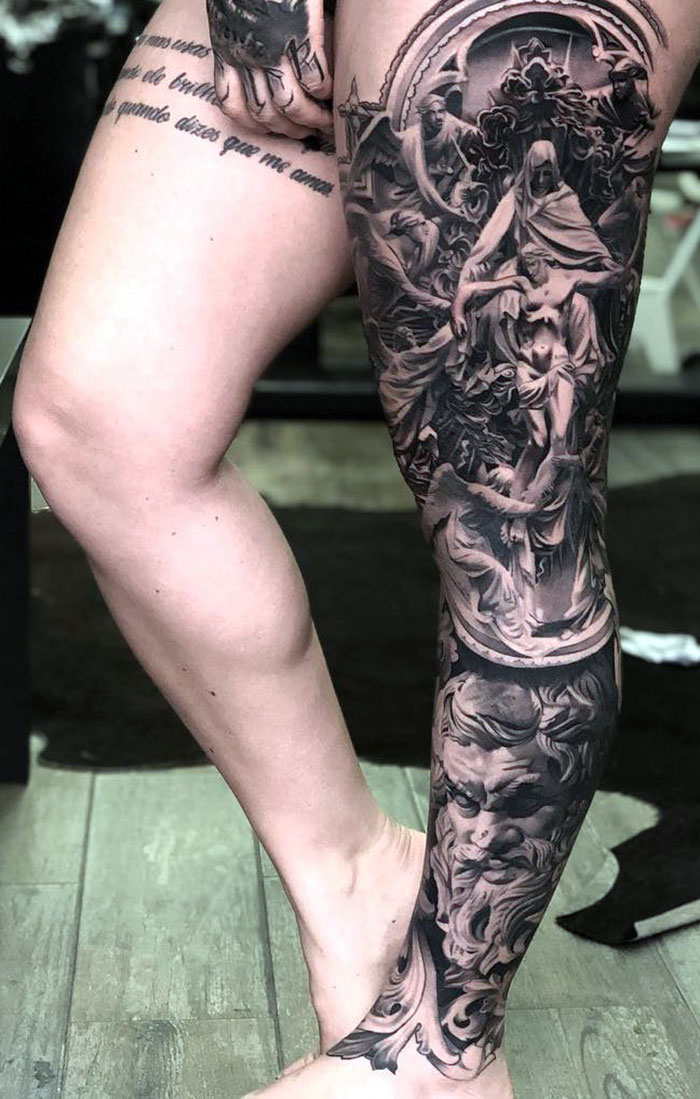
Understanding pain distribution is critical for session planning. Many experienced tattoo collectors schedule lower-pain zones first to build tolerance gradually, while reserving high-pain areas like the shin or ankle for later sessions when psychological adaptation has improved.
Thigh vs Shin vs Calf Pain Comparison
Pain comparison across thigh, shin, and calf areas reveals distinct sensory differences influenced by muscle density and bone proximity. The thigh typically registers moderate discomfort, the calf varies depending on placement, and the shin is often described as sharp and intense due to minimal cushioning over bone.
From a physiological perspective, pain intensity is also influenced by inflammation buildup across multiple sessions. As the tattoo progresses, the nervous system becomes more sensitized in previously inked areas, which can slightly increase perceived discomfort even in normally less painful regions.
| Area | Pain Level | Reason |
|---|---|---|
| Thigh | Moderate | Muscle cushioning |
| Calf | Moderate–High | Variable fat distribution |
| Shin | High | Bone proximity |
| Ankle | Very High | Thin skin, nerve density |
How Pain Changes During Sessions
Pain perception during leg sleeve tattoo sessions often changes due to neurological adaptation and endorphin release. Initial sessions may feel more intense, but the body gradually adjusts, producing natural pain tolerance over time. However, fatigue, hydration levels, and session length can significantly influence discomfort variability.
An expert observation from long-session artists is that clients often experience “pain waves” rather than constant intensity. These waves correlate with needle depth consistency, skin sensitivity zones, and emotional fatigue, making breaks between sessions essential for both physical recovery and design precision.
Cost of a Leg Sleeve Tattoo Explained
Lucky Tattoo, a professional tattoo artist, has over 10 years of experience in the art of tattooing in Ho Chi Minh City.
Lucky Tattoo Studio was founded in 2014 by skilled and kind artists. All tattoos are provided in a clean, strictly controlled, and friendly environment.
Leg sleeve pricing is not arbitrary—it reflects technical skill, design planning complexity, and the physical demand placed on the artist over long sessions. High-quality sleeve tattoos often involve 10–40 hours of work, making cost estimation dependent on both artistic detail and structural composition requirements.
What Affects Pricing?
Leg sleeve tattoo pricing is influenced by artist skill level, design intricacy, session duration, and geographic location. Highly detailed realism or Japanese irezumi sleeves require more planning and execution time, significantly increasing overall cost compared to simpler blackwork or minimal shading designs.
An often-overlooked factor is revision time. Complex sleeves require pre-design consultations, stencil adjustments, and layout corrections. Experienced artists build this into pricing because poor planning early on leads to costly corrections during later stages of the tattoo process.
- Artist experience and reputation
- Design complexity and shading detail
- Number of required sessions
- Studio hygiene standards and licensing
- Geographic pricing differences
Payment Plans & Multi-Session Costs
Leg sleeve tattoos are commonly paid per session rather than as a single lump sum due to their long-term execution. Many studios offer structured payment plans that allow clients to spread costs across multiple months, making large-scale body art more financially manageable.
From a professional standpoint, breaking the process into sessions also benefits healing and design accuracy. Skin recovery between sessions ensures cleaner ink retention and reduces the risk of overworking tissue, which can negatively impact final visual quality.
Healing & Aftercare for Leg Sleeve Tattoos
Proper healing and aftercare for leg sleeve tattoos involve cleaning, moisturizing, and protecting the skin during a 2–4 week regeneration cycle per session. Consistent aftercare prevents infection, improves ink retention, and ensures long-term color stability across large tattoo surfaces exposed to friction and environmental stress.
Healing a leg sleeve tattoo is a biological process involving epidermal regeneration and ink stabilization beneath the skin surface. Poor aftercare can lead to patchy healing, fading, or scar formation, making post-session maintenance as important as the tattooing process itself.
Tattoo Healing Stages Explained
Tattoo healing occurs in multiple biological stages, beginning with inflammation, followed by scabbing, peeling, and final skin regeneration. Each stage plays a critical role in locking ink into the dermal layer while the epidermis repairs itself over time.
Experts emphasize that premature interference—such as picking scabs or over-moisturizing—can disrupt pigment retention and lead to uneven healing. Proper understanding of each stage helps clients avoid long-term visual degradation of their tattoo.
| Stage | Timeline | Process |
|---|---|---|
| Inflammation | 0–3 days | Redness, swelling |
| Scabbing | 3–7 days | Protective crust formation |
| Peeling | 7–14 days | Skin regeneration |
| Recovery | 2–4 weeks | Ink stabilization |
Best Aftercare Routine
A proper aftercare routine for leg sleeve tattoos includes gentle cleaning, fragrance-free moisturizing, and avoiding sun exposure or excessive friction. The goal is to support natural healing without disrupting the ink integration process within the dermal layer.
One critical expert recommendation is avoiding tight clothing during early healing stages. Compression on freshly tattooed skin can trap bacteria and interfere with oxygen flow, increasing infection risk and slowing regeneration significantly.
- Wash with mild antibacterial soap twice daily
- Apply thin layer of recommended healing ointment
- Avoid swimming and direct sunlight
- Wear loose, breathable clothing
- Do not scratch or peel scabs
How to Choose the Right Tattoo Artist
Choosing the right tattoo artist for a leg sleeve requires evaluating portfolio consistency, technical specialization, hygiene standards, and experience with large-scale body compositions. A skilled artist should demonstrate strong design flow, anatomical understanding, and the ability to maintain visual coherence across multiple sessions.
This decision is one of the most critical factors in the success of a leg sleeve tattoo. Even a well-designed concept can fail if executed by an artist without experience in large-format composition or proper skin handling techniques.
What to Look for in a Portfolio
A strong tattoo portfolio should demonstrate consistency in style, clean line work, balanced shading, and successful completion of large-scale projects. For leg sleeves specifically, look for examples showing how designs wrap around curved anatomy without distortion or visual breaks.
Industry experts often recommend focusing less on individual tattoos and more on full-body projects. This reveals whether the artist understands long-term composition flow rather than isolated design execution.
- Completed full sleeve or full leg projects
- Clean healed tattoo photos (not just fresh ink)
- Consistent shading and line quality
- Experience with your chosen style
Red Flags to Avoid
Common red flags when selecting a tattoo artist include inconsistent portfolio quality, lack of healed work examples, poor hygiene practices, and inability to explain design flow across anatomical structures. These issues often result in poorly executed sleeves that require costly corrections or cover-ups.
A frequently overlooked warning sign is refusal to discuss long-term planning. Professional sleeve artists always plan for future expansion, ensuring that early work does not limit later design development or visual continuity.
Expert observation: “A good tattoo artist designs for the next session, not just the current one.”
Leg Sleeve Tattoo Ideas & Inspiration
Leg sleeve tattoo ideas range from cultural storytelling designs to abstract blackwork and realism compositions. The best designs integrate personal meaning with anatomical flow, ensuring the artwork complements leg movement while maintaining visual impact across different viewing angles and lighting conditions.
Inspiration should not be copied blindly. Instead, strong sleeve designs evolve from multiple references, combined with personal symbolism and professional composition planning tailored to the wearer’s leg structure and lifestyle.
Masculine Leg Sleeve Ideas
Masculine leg sleeve tattoo designs often feature bold themes such as warriors, mythology, geometric armor patterns, or animal symbolism. These designs emphasize strong contrast, sharp outlines, and structured composition to create a visually powerful aesthetic.
One important insight is that masculinity in tattoo design is not defined by subject matter alone but by composition strength, contrast hierarchy, and spatial balance across the leg’s musculature.
Feminine Leg Sleeve Designs
Feminine leg sleeve tattoos typically focus on flowing patterns, floral compositions, soft shading, and nature-inspired elements. These designs prioritize elegance and movement, often using negative space to enhance visual softness and organic flow.
Experienced artists often combine feminine designs with subtle geometric structuring to maintain long-term clarity while preserving delicate visual aesthetics over time.
Nature-Inspired Leg Sleeves
Nature-inspired leg sleeve tattoos incorporate forests, water elements, animals, and organic textures to create flowing compositions that follow the natural curves of the leg. These designs are especially effective because they align with anatomical movement patterns rather than fighting against them.
From a design psychology perspective, nature-based sleeves are also associated with long-term satisfaction because they remain visually relevant and less trend-dependent compared to highly stylized tattoo fads.
FAQ: Leg Sleeve Tattoos
Leg sleeve tattoo FAQs provide quick, structured answers to common questions about cost, pain, healing, design choices, and long-term maintenance. These answers help users make informed decisions and address concerns about commitment, visibility, and overall tattoo longevity in real-world conditions.
How long does a leg sleeve tattoo take to complete?
A full leg sleeve tattoo typically takes 10–40 hours spread across multiple sessions depending on complexity, healing time, and artist scheduling availability.
Is a leg sleeve tattoo more painful than other tattoos?
Yes, certain areas like the shin and ankle are more painful due to thin skin and bone proximity, while the thigh is generally more tolerable.
Can I work while getting a leg sleeve tattoo?
Yes, but mobility may be limited after longer sessions. Jobs requiring prolonged standing may be uncomfortable during healing phases.
Do leg sleeve tattoos fade faster?
Not if properly cared for. However, sun exposure and poor aftercare can accelerate fading, especially on lower leg areas.
Can a leg sleeve tattoo be expanded later?
Yes, most professional artists design sleeves with future expansion in mind, allowing seamless additions without disrupting existing composition.
What is the best style for long-lasting leg sleeve tattoos?
Blackwork and Japanese irezumi styles tend to age best due to strong contrast and structured composition, which resist visual blurring over time.
Conclusion
A leg sleeve tattoo is a long-term artistic and physical commitment that combines design planning, anatomical understanding, and skilled execution. When properly designed and cared for, it becomes a cohesive visual narrative that evolves with the body while maintaining clarity, symbolism, and personal meaning over time.