Vietnam has become one of Southeast Asia’s fastest-growing tattoo destinations, attracting both local clients and international travelers seeking high-quality artwork at competitive prices. However, not every tattoo studio operates to the same professional standards. Understanding how to identify a licensed tattoo shop in Vietnam is essential for protecting your health, ensuring quality results, and avoiding costly mistakes.
Whether you are planning your first tattoo or adding to an existing collection, this guide explains how professional tattoo studios operate, what safety standards matter most, and how to verify that a shop meets legal and hygiene expectations before you sit in the chair.
What Is a Licensed Tattoo Shop in Vietnam?
A licensed tattoo shop in Vietnam is a legally operating business that follows local registration requirements, maintains professional hygiene practices, uses safe tattooing procedures, and operates from a dedicated commercial facility. While regulations may vary by locality, reputable studios typically prioritize sterilization, customer safety, and transparent business operations.
Many people assume a “licensed” tattoo shop simply means the artist is talented. In reality, professional legitimacy extends beyond artistic ability. A safe studio combines skilled artists, proper sanitation protocols, documented business operations, and clear customer procedures.
One of the biggest misconceptions among tourists and first-time clients is that social media popularity automatically equals professionalism. A studio may have thousands of followers while still neglecting essential safety standards behind the scenes. Conversely, some highly professional studios focus more on client care and hygiene than online marketing.
When evaluating tattoo studios in Vietnam, clients should look beyond portfolios and ask practical questions about equipment sterilization, disposable supplies, consultation procedures, and aftercare support.
How Tattoo Studios Operate Legally in Vietnam
Professional tattoo studios in Vietnam typically operate as registered businesses, maintain dedicated working environments, and follow health-conscious practices designed to reduce contamination risks. Legal operation creates accountability and helps establish consistent service standards for customers.
Unlike temporary tattoo vendors or informal home-based operators, established studios invest in:
- Commercial premises designed for tattoo procedures
- Professional workstations
- Disposable tattoo supplies
- Sterilization equipment
- Client consultation processes
- Aftercare guidance
- Business branding and reputation management
Experienced tattoo artists often explain that the visible artwork represents only a small part of professional tattooing. Most of the work happens before the needle touches the skin, including client assessment, design planning, equipment preparation, and contamination prevention.
A useful real-world example is comparing two studios with equally impressive portfolios. One provides consultation forms, opens sterile needles in front of the client, and explains aftercare in detail. The other simply seats the customer and begins tattooing. Even if both artists produce attractive designs, the first studio demonstrates significantly stronger professional standards.
Common Misconceptions About Tattoo Licensing
Many tattoo clients misunderstand what licensing and professional operation actually indicate. The safest studios combine artistic expertise with strict hygiene protocols, while unverified assumptions can expose clients to unnecessary risks.
Several common myths continue to circulate among tattoo customers:
- Myth: A large Instagram following guarantees safety.
- Reality: Social proof does not verify hygiene standards.
- Myth: Expensive tattoos are always safer.
- Reality: Pricing alone does not indicate sterilization quality.
- Myth: Home studios are identical to commercial studios.
- Reality: Professional environments generally provide greater control over sanitation procedures.
- Myth: New needles are the only safety concern.
- Reality: Cross-contamination can occur through surfaces, gloves, ink caps, or improperly handled equipment.
Professional tattoo artists often note that clients frequently ask about pain levels and pricing but rarely ask about sterilization procedures—the factor most directly connected to safety.
Why Licensing Matters for Tattoo Safety
Licensing and professional operation matter because tattooing intentionally breaks the skin barrier. Any lapse in hygiene, equipment handling, or contamination control can increase the risk of infection, allergic reactions, and poor healing outcomes.
Every tattoo involves thousands of microscopic punctures in the skin. This creates a pathway through which bacteria, viruses, and other contaminants can enter the body if proper precautions are not followed.
Professional studios understand that tattoo safety is a system rather than a single action. Sterile needles alone are not enough. Safety depends on multiple factors working together:
- Proper hand hygiene
- Single-use supplies
- Surface disinfection
- Equipment sterilization
- Cross-contamination prevention
- Quality tattoo inks
- Client screening procedures
- Aftercare education
An overlooked insight is that many tattoo complications occur after the appointment rather than during it. Studios that provide detailed healing instructions help clients avoid mistakes that can compromise results.
How Licensing Supports Hygiene and Sterilization Standards
Professional tattoo studios generally implement structured hygiene protocols designed to minimize contamination risks. These procedures help protect both clients and artists throughout the tattooing process.
The best studios treat infection prevention as a routine practice rather than an optional precaution.
Single-Use Needles vs Reused Equipment
Modern professional tattooing relies heavily on disposable equipment. Needles should be opened from sterile packaging immediately before use and discarded afterward.
Clients should feel comfortable observing:
- Sealed needle packaging
- Fresh disposable gloves
- Single-use ink caps
- Protected machine surfaces
- Disposable razors
If an artist appears uncomfortable answering questions about equipment handling, consider that a warning sign rather than an inconvenience.
Why Autoclave Sterilization Matters
Autoclaves use pressurized steam to sterilize reusable equipment. When properly maintained, they remain one of the most effective methods for eliminating harmful microorganisms from tattoo tools.
Although many modern tattoo supplies are disposable, certain reusable instruments may still require sterilization. Professional studios understand how and when autoclave procedures should be applied.
Industry veterans often point out that clients rarely see the sterilization process itself. This is why transparency matters. Reputable studios willingly explain their procedures instead of dismissing questions.
Risks of Choosing an Unlicensed Tattoo Studio
Unlicensed or poorly managed tattoo environments may expose clients to avoidable health risks, inconsistent quality standards, and limited accountability if problems occur after the procedure.
The risks extend beyond cosmetic disappointment.
| Potential Issue | Possible Consequence |
|---|---|
| Poor sterilization practices | Increased infection risk |
| Contaminated equipment | Cross-contamination exposure |
| Low-quality inks | Allergic reactions or poor color retention |
| Insufficient aftercare guidance | Delayed healing and tattoo damage |
| Lack of consultation | Unsuitable design placement or expectations mismatch |
One frequently overlooked problem involves emergency response planning. Professional studios typically know how to respond if a client experiences dizziness, fainting, or an unexpected skin reaction. Less experienced operators may lack procedures for handling such situations.
The 7-Point Licensed Tattoo Shop Verification Checklist
Before booking a tattoo appointment in Vietnam, clients should evaluate a studio using a structured verification process. This checklist helps identify professional operations while revealing warning signs that many customers overlook.
Most tattoo regret begins before the tattoo itself. It starts with choosing the wrong studio. Experienced collectors often spend more time researching artists and hygiene standards than selecting the design.
The following framework can dramatically reduce risk while improving the likelihood of a successful tattoo experience.
1. Verify Business Registration
Professional tattoo studios typically operate under a registered business identity and maintain a visible commercial presence. Transparency is often one of the strongest indicators of legitimacy.
Look for:
- Established business branding
- Consistent online presence
- Physical studio location
- Published contact information
- Clear booking procedures
Be cautious of operators who frequently change locations or conduct all communication through temporary social media accounts.
2. Check Artist Qualifications and Portfolio
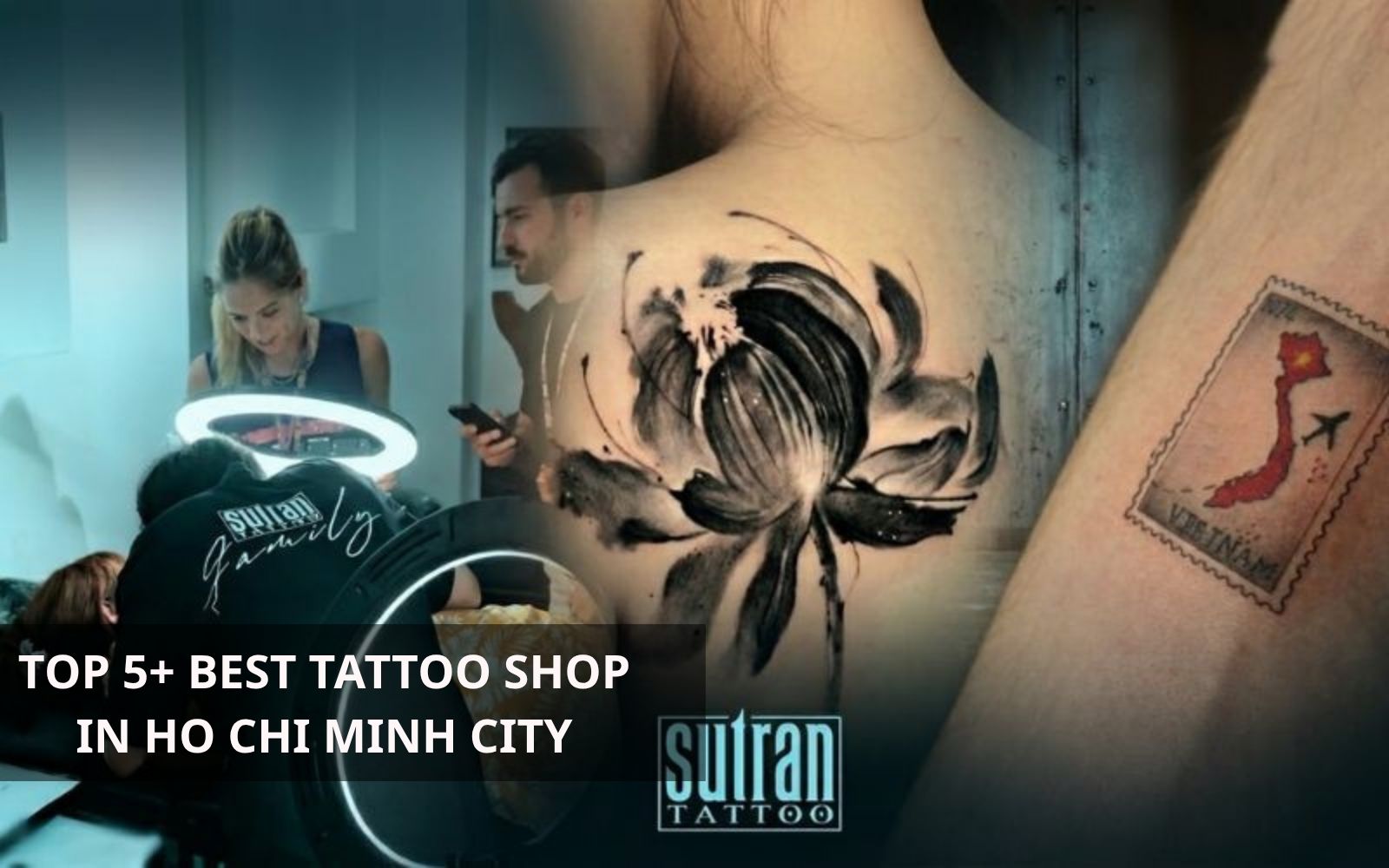
A professional portfolio should demonstrate consistency, healed work examples, and expertise within specific tattoo styles rather than showcasing only a few exceptional pieces.
Many clients focus exclusively on fresh tattoos. However, healed tattoos often provide a more accurate assessment of long-term quality.
Evaluate:
- Line consistency
- Color saturation
- Black and grey shading
- Style specialization
- Healed tattoo photographs
- Client testimonials
A useful expert tip is to ask artists which styles they prefer to create. Specialists generally produce stronger results than artists claiming mastery of every tattoo style imaginable.
3. Confirm Sterilization Procedures
Sterilization protocols are among the most important indicators of a professional tattoo studio. Reputable artists should be able to explain their hygiene procedures clearly and confidently.
Ask directly:
- Are needles single-use?
- How are reusable tools sterilized?
- How are workstations disinfected?
- What measures prevent cross-contamination?
- How often are gloves changed?
If staff appear irritated by these questions, that response itself provides useful information.
Continue with the next sections covering ink quality verification, consultation standards, traveler considerations, and the complete tattoo process.
4. Review Ink Quality and Sourcing
Professional tattoo studios use reputable tattoo inks sourced through established suppliers, maintain batch consistency, and avoid unknown products with unclear ingredients. Ink quality affects not only color vibrancy but also healing outcomes, skin compatibility, and long-term tattoo appearance.
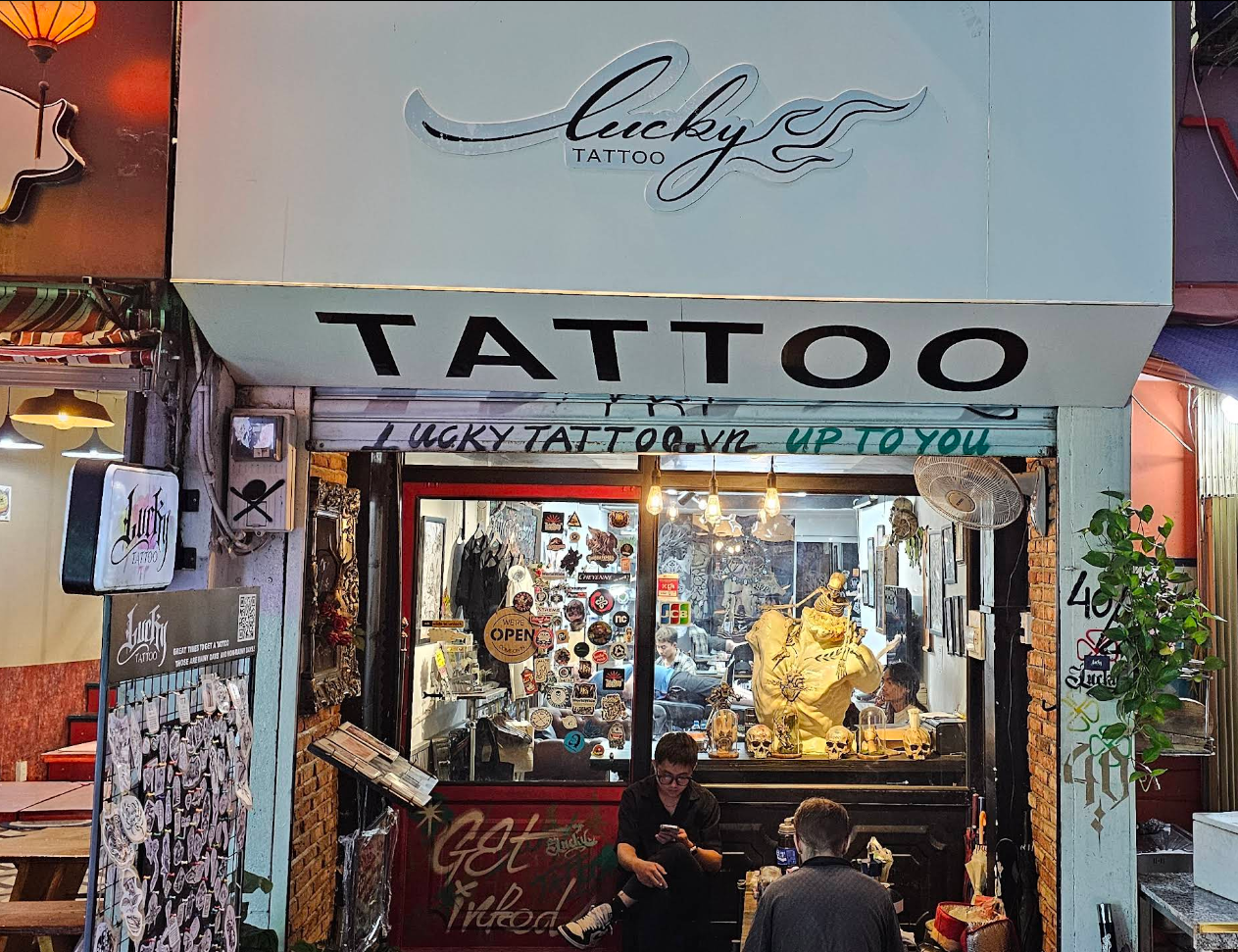
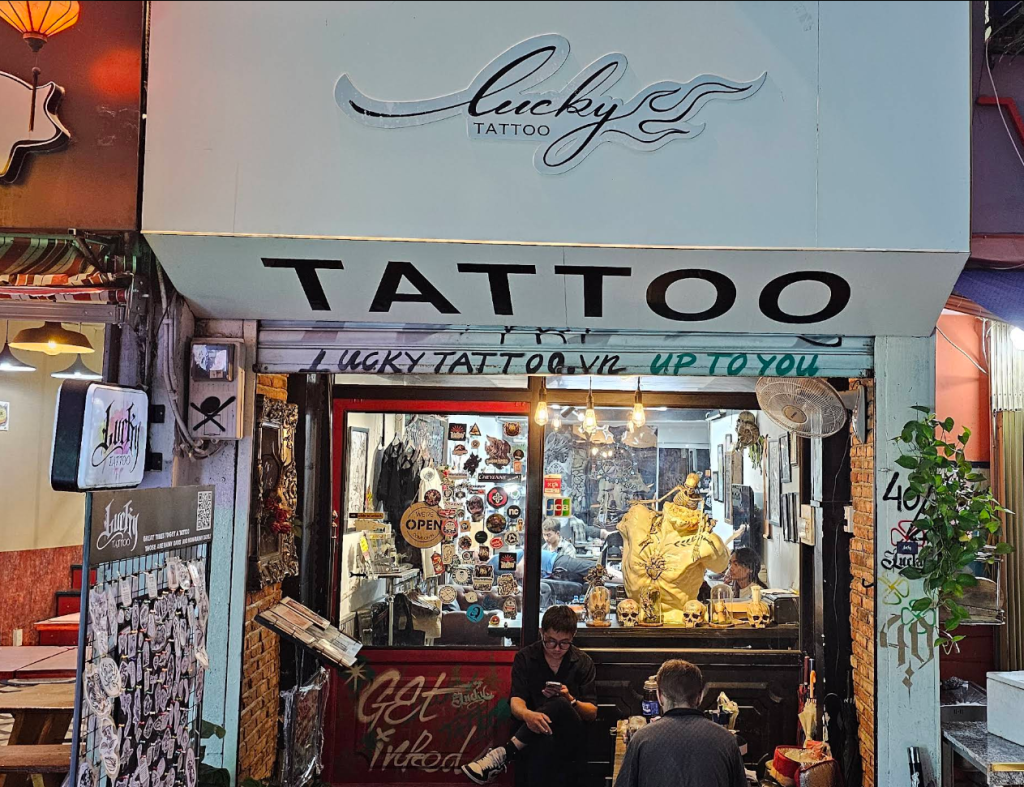
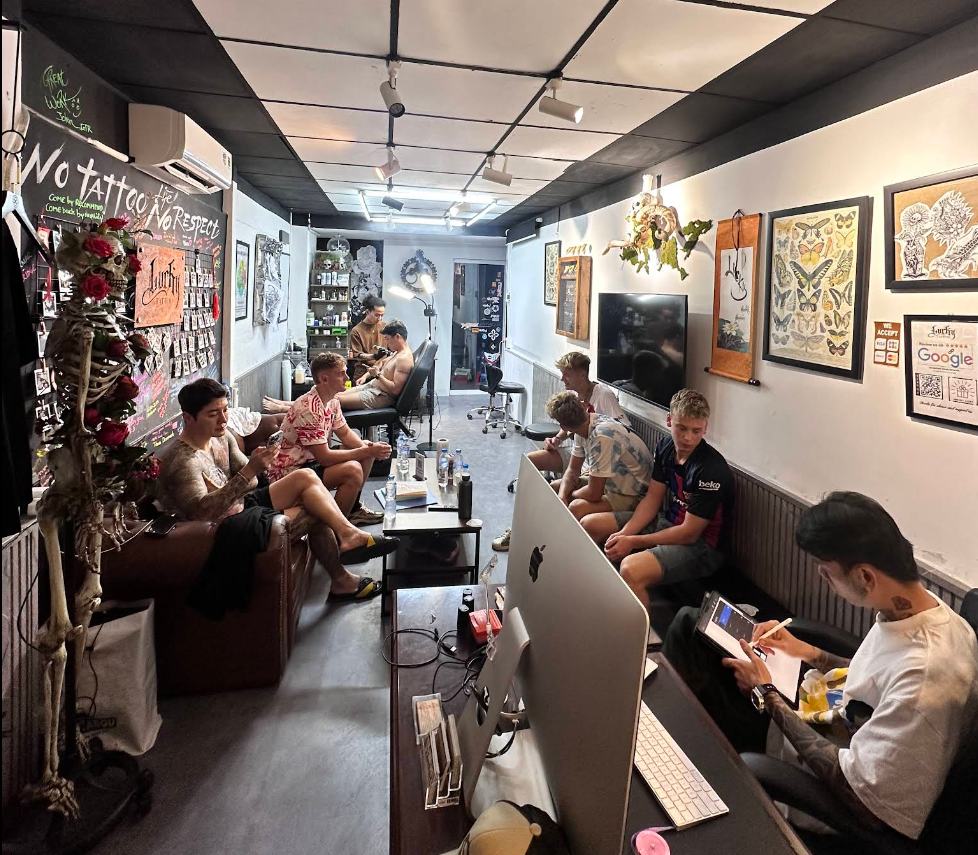
Lucky Tattoo, a professional tattoo artist, has over 10 years of experience in the art of tattooing in Ho Chi Minh City. Lucky Tattoo Studio was founded in 2014 by skilled and kind artists. All tattoos are provided in a clean, strictly controlled, and friendly environment.
One of the least discussed aspects of tattoo safety is ink sourcing. Many clients carefully review portfolios but never ask what products are being implanted into their skin. Experienced artists understand that premium ink selection is a critical component of professional tattooing.
When evaluating a studio, consider asking:
- Which ink brands are used?
- Are inks purchased through authorized distributors?
- How are inks stored?
- Are products used before expiration dates?
- Can the artist explain color longevity expectations?
Research in dermatology has shown that adverse tattoo reactions may be linked to pigments, contaminants, or individual sensitivities. While reactions remain relatively uncommon, professional studios reduce risk by using high-quality products and conducting thorough consultations.
An overlooked insight is that experienced artists often decline certain inks if they have observed poor healing performance over time. This practical knowledge can be more valuable than marketing claims from manufacturers.
5. Evaluate Consultation and Aftercare Support
Comprehensive consultation and aftercare support often distinguish professional tattoo studios from less experienced operators. Quality studios invest significant time in education, expectation management, and post-procedure guidance to improve healing outcomes.
The consultation phase should cover more than artwork selection.
- Medical considerations
- Skin condition assessment
- Placement recommendations
- Design suitability
- Healing expectations
- Pain considerations
- Long-term maintenance
A common mistake occurs when clients prioritize booking speed over consultation quality. Professional artists frequently identify design modifications that improve readability, longevity, and visual balance.
Similarly, aftercare support plays a major role in tattoo success. Even a perfectly executed tattoo can heal poorly if clients ignore recovery instructions.
Experienced tattoo artists often report that most healing complications stem from improper aftercare rather than tattoo application itself.
How Foreigners Can Safely Get Tattooed in Vietnam
Foreign travelers can safely receive tattoos in Vietnam by choosing established studios, verifying hygiene practices, communicating expectations clearly, and scheduling appointments with experienced artists. Preparation and research significantly reduce risk while improving the overall tattoo experience.
Vietnam attracts thousands of tattoo tourists annually due to its growing artistic reputation and competitive pricing. However, international visitors face unique challenges that local customers may not encounter.
These include language barriers, limited recovery time before travel, and difficulty evaluating studios from abroad.
Questions International Travelers Should Ask
Travelers should ask targeted questions about safety procedures, artist experience, scheduling requirements, and aftercare support before confirming an appointment. Direct communication helps identify professional studios while revealing potential red flags.
Important questions include:
- How many years has the artist specialized in this style?
- What sterilization procedures are followed?
- Are consultation appointments available online?
- How long should I remain in Vietnam after the tattoo?
- What aftercare products do you recommend?
- Can follow-up support be provided remotely?
Studios accustomed to international clients generally answer these questions confidently and provide detailed guidance rather than vague assurances.
Language and Communication Considerations
Effective communication is essential for tattoo accuracy, safety, and client satisfaction. Studios serving international customers often employ English-speaking staff or artists capable of discussing technical tattoo concepts clearly.
Miscommunication can affect:
- Design details
- Placement preferences
- Sizing expectations
- Medical disclosures
- Aftercare understanding
A useful recommendation is to provide visual references, exact measurements, and written descriptions before arrival. This minimizes misunderstandings and allows artists to prepare appropriately.
Booking a Tattoo Appointment Before Arrival
Scheduling in advance improves artist availability, allows time for consultation, and reduces the likelihood of rushed decisions. Highly sought-after tattoo artists often maintain booking calendars weeks or months ahead.
Many experienced travelers begin the process by:
- Researching artist portfolios.
- Reviewing customer feedback.
- Confirming studio hygiene practices.
- Discussing design concepts.
- Scheduling consultation sessions.
- Allowing recovery time before departure.
A frequently overlooked factor is flight timing. Long flights immediately after a tattoo session may increase discomfort and complicate aftercare. Whenever possible, allow several days for initial healing before extensive travel.
What to Expect During the Tattoo Process
The professional tattoo process includes consultation, design preparation, workstation setup, tattoo application, and aftercare guidance. Understanding each phase helps clients prepare effectively while identifying whether a studio follows professional standards.
Many first-time clients focus exclusively on the tattoo session itself. In reality, successful tattoos result from careful planning before and responsible care afterward.
Consultation Stage
During consultation, the artist evaluates design goals, placement, sizing, skin condition, and feasibility. This stage helps align expectations while identifying potential challenges before tattooing begins.
Professional consultations typically include:
- Design discussion
- Body placement analysis
- Style recommendations
- Size adjustments
- Healing expectations
- Pricing transparency
- Scheduling details
Experienced artists may recommend changes that improve long-term tattoo quality. Clients should view these suggestions as professional expertise rather than artistic preference.
Tattoo Session and Safety Procedures
Professional tattoo sessions follow structured hygiene protocols that prioritize client safety. Preparation, sterilization, and contamination control are often as important as artistic execution.
Clients should expect to observe:
- Fresh gloves
- Protected work surfaces
- Single-use supplies
- Sterile needle preparation
- Clean workstation organization
- Clear communication throughout the session
One overlooked sign of professionalism is workflow discipline. Experienced artists avoid unnecessary interruptions and maintain contamination awareness throughout the procedure.
Healing and Aftercare Timeline
Most tattoos undergo initial healing within two to four weeks, although complete skin recovery may take longer. Following aftercare instructions significantly improves healing quality and tattoo appearance.
| Healing Phase | Typical Characteristics |
|---|---|
| Days 1–3 | Redness, sensitivity, initial recovery |
| Days 4–10 | Peeling and itching |
| Weeks 2–4 | Surface healing improves |
| Weeks 4+ | Deeper skin recovery continues |
Common aftercare recommendations include:
- Keep the tattoo clean.
- Avoid excessive sun exposure.
- Follow artist instructions carefully.
- Avoid swimming during early healing.
- Do not pick peeling skin.
- Use recommended moisturizers.
Signs of a High-Quality Licensed Tattoo Studio
High-quality tattoo studios consistently demonstrate professionalism through hygiene standards, artist expertise, transparent communication, and strong client education. These indicators often predict better outcomes than marketing claims alone.
Clients who evaluate studios systematically tend to report higher satisfaction and fewer complications.
Professional Studio Characteristics
Professional studios share recognizable traits that reflect long-term commitment to safety, quality, and customer experience. These characteristics often become apparent during the first consultation.
- Clean and organized environment
- Transparent pricing
- Strong portfolios
- Clear safety protocols
- Professional communication
- Detailed consultations
- Documented aftercare guidance
- Positive long-term client reviews
Another useful indicator is specialization. Many top artists focus on specific styles such as realism, fine line, Japanese, blackwork, or color tattoos rather than attempting to master every category.
Red Flags That Should Make You Leave
Certain warning signs suggest a studio may not meet professional safety or quality expectations. Recognizing these indicators before tattooing can prevent serious problems later.
- Reluctance to discuss hygiene practices
- Dirty workstations
- Unopened wounds exposed in shared spaces
- Lack of consultation process
- Pressure to make immediate decisions
- Unclear pricing structures
- Poor communication
- Absence of aftercare guidance
A practical rule used by many experienced collectors is simple: if a studio creates doubt before the appointment begins, continue researching rather than accepting unnecessary risk.
Frequently Asked Questions About Licensed Tattoo Shops in Vietnam
Is tattooing legal in Vietnam?
Yes. Professional tattoo studios operate throughout Vietnam. Customers should choose established businesses that demonstrate strong hygiene standards, transparent operations, and professional consultation practices.
How can I verify a tattoo shop’s legitimacy?
Review the studio’s physical location, portfolio quality, customer feedback, consultation process, hygiene protocols, and business transparency. Legitimate studios generally provide clear answers to safety-related questions.
Are licensed tattoo shops safer than unlicensed artists?
Professional studios typically provide greater accountability, structured hygiene procedures, dedicated facilities, and more consistent safety standards, which can reduce risks associated with tattooing.
What sterilization methods should a tattoo studio use?
Professional studios commonly use single-use supplies and autoclave sterilization for appropriate reusable equipment while implementing strict contamination-control procedures.
How much does a professional tattoo cost in Vietnam?
Pricing varies based on size, complexity, artist experience, placement, and session duration. High-quality work should be evaluated on safety, expertise, and long-term results rather than price alone.
Can tourists get tattooed safely in Vietnam?
Yes. Many Vietnamese studios regularly serve international clients. Researching artists, confirming hygiene standards, and scheduling consultations in advance help ensure a positive experience.
How long does tattoo healing usually take?
Initial healing often takes two to four weeks, while deeper skin recovery may continue beyond that period depending on tattoo size, placement, and aftercare practices.
What should I avoid after getting a tattoo?
Avoid excessive sun exposure, swimming, picking peeling skin, and ignoring aftercare instructions. Following professional guidance improves healing and preserves tattoo quality.
Conclusion
Choosing a licensed tattoo shop in Vietnam involves more than finding an artist with an impressive portfolio. The safest and most professional studios combine artistic expertise with rigorous hygiene standards, transparent communication, quality materials, and comprehensive aftercare support.
By applying the seven-point verification checklist, evaluating sterilization practices, reviewing artist specialization, and understanding the complete tattoo process, clients can make informed decisions that protect both their health and their investment.
Whether you are a first-time customer, a seasoned collector, an expatriate, or a traveler visiting Ho Chi Minh City, Hanoi, or Da Nang, selecting a professional tattoo studio remains the single most important factor in achieving a safe, successful, and lasting tattoo experience.