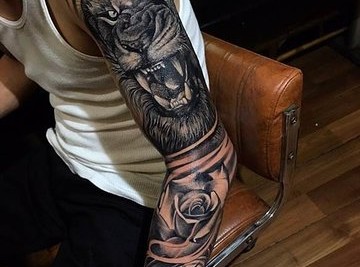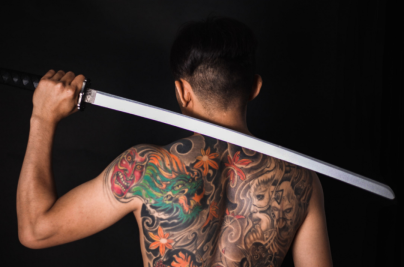
Patchwork tattoos have evolved from a niche tattoo collector aesthetic into one of the most requested tattoo styles worldwide. Unlike traditional sleeves that follow a unified composition, patchwork tattoos allow individuals to build a personal gallery of meaningful designs over time. The result is a curated collection of standalone tattoos that collectively tell a story while maintaining flexibility for future additions.
What makes patchwork tattoos especially appealing is their freedom. You can start with a single piece, gradually add artwork as your interests evolve, and create a highly personalized arrangement without committing to a full sleeve design from day one. However, successful patchwork tattoos are rarely as random as they appear. Behind the best examples lies careful planning, strategic spacing, and an understanding of visual balance.
What Is a Patchwork Tattoo?
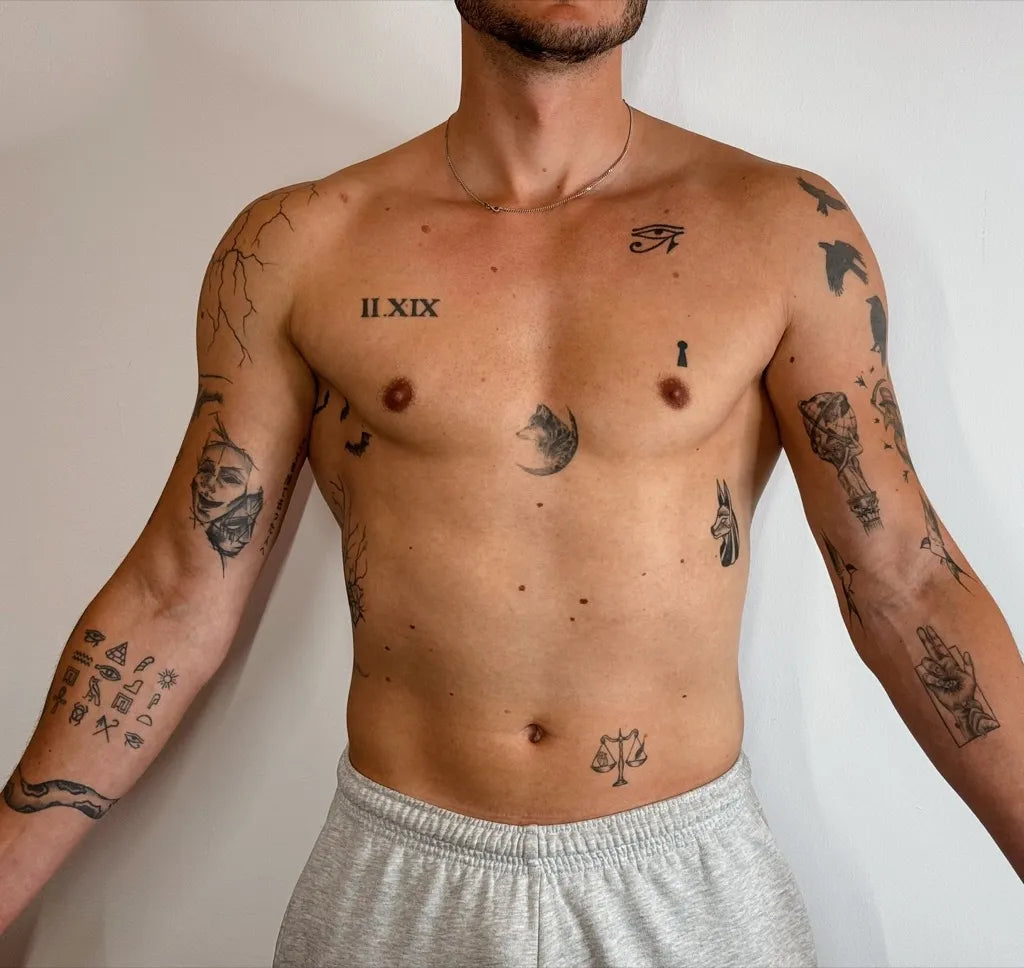
A patchwork tattoo is a collection of individual tattoos placed separately across a body area without a fully connected background. Rather than forming one continuous composition, each piece remains distinct while contributing to an overall aesthetic. Successful patchwork tattoos rely on thoughtful placement, balanced spacing, and a long-term vision that allows the collection to grow naturally over time.
At its core, a patchwork tattoo resembles a visual collage. Each design functions independently, yet together they create a cohesive appearance across the arm, leg, chest, or other body regions.
Historically, many heavily tattooed individuals developed patchwork collections organically before modern sleeve concepts became popular. Today’s patchwork movement embraces that same freedom while applying more intentional design principles.
Common elements found in patchwork tattoos include:
- Traditional flash tattoos
- Fine line artwork
- Blackwork symbols
- Lettering and script
- Animals and nature motifs
- Personal memorial pieces
- Cultural and symbolic imagery
The defining characteristic is not the subject matter but the separation between designs. Each tattoo occupies its own visual space.
How Patchwork Tattoos Differ From Traditional Tattoo Sleeves
Patchwork tattoos and traditional sleeves can cover similar body areas, but their design philosophies are fundamentally different. Traditional sleeves are planned as unified compositions, whereas patchwork tattoos consist of separate pieces added over time while maintaining intentional visual balance.
| Patchwork Tattoo | Traditional Sleeve |
|---|---|
| Separate individual tattoos | Single connected composition |
| Flexible expansion | Requires extensive planning upfront |
| Can evolve gradually | Usually completed in larger sessions |
| Mixes multiple subjects | Often follows one theme |
| Visible negative space | Backgrounds fill most gaps |
Many first-time collectors choose patchwork tattoos because they can begin with one meaningful design and expand naturally rather than committing to a full sleeve immediately.
Why Patchwork Tattoos Have Become So Popular
Patchwork tattoos have gained popularity because they offer flexibility, personalization, and lower entry barriers than traditional sleeves. Individuals can collect tattoos gradually, adapt their style preferences over time, and create a visual timeline of experiences without requiring a predetermined master design.
Social media has accelerated the trend by showcasing diverse patchwork projects ranging from minimalist fine-line collections to dense traditional sleeves.
Several factors contribute to the style’s popularity:
- Greater creative freedom
- Lower initial financial commitment
- Ability to evolve personal aesthetics
- Less pressure to commit to large projects
- Highly individualized appearance
Many tattoo artists also appreciate patchwork projects because they allow clients to revisit and refine their collections over years rather than weeks.
Common Misconception: Are Patchwork Tattoos Just Random Tattoos?
One of the biggest misconceptions is that patchwork tattoos are completely random. While spontaneous additions are common, the most visually impressive patchwork collections usually follow hidden principles involving scale, spacing, theme consistency, and strategic placement.
Experienced tattoo artists frequently describe successful patchwork projects as “controlled chaos.” The tattoos may appear spontaneous, but visual harmony is often carefully maintained.
The difference between a patchwork tattoo that looks artistic and one that looks cluttered is usually planning, not artistic skill.
How Patchwork Tattoos Work: The Visual Architecture Behind the Style
A well-executed patchwork tattoo functions like architectural design rather than random decoration. Successful layouts use anchor pieces, spacing strategies, visual hierarchy, and future expansion planning to maintain balance. Understanding these principles helps prevent overcrowding and creates a collection that remains attractive as new tattoos are added.
Most competing guides focus on tattoo ideas but rarely explain why some patchwork sleeves look cohesive while others appear chaotic.
This is where understanding tattoo architecture becomes valuable.
The Anchor Piece Strategy Used by Experienced Tattoo Artists
Professional tattoo artists often begin patchwork projects with one or more anchor pieces. These larger tattoos establish visual weight, guide future placement decisions, and create reference points that help maintain balance as the collection grows.
Anchor pieces typically occupy high-visibility areas such as:
- Outer forearm
- Upper arm
- Calf
- Chest centerline
- Upper thigh
For example, a large snake, eagle, portrait, or symbolic centerpiece may serve as the visual foundation around which smaller designs are arranged.
Without anchor pieces, collections often become fragmented and lack direction.
Creating Balance Through Spacing and Negative Space
Negative space is one of the most overlooked elements in patchwork tattoo design. The empty skin between tattoos creates visual breathing room, helping each design remain distinct while preventing the overall composition from appearing overcrowded.
Many inexperienced collectors make the mistake of filling every available gap immediately.
However, tattoo artists frequently recommend allowing strategic spacing because:
- Individual designs remain recognizable
- The sleeve appears cleaner
- Future additions become easier
- Tattoos age more gracefully
- Visual hierarchy becomes clearer
In practice, negative space functions similarly to margins in graphic design. It organizes information and improves readability.
How Cohesion Is Created Without a Connected Background
Patchwork tattoos achieve cohesion through repeated visual elements rather than physical connections. Consistent line weight, recurring themes, color palettes, symbolism, and proportional sizing help create unity even when tattoos remain separate.
For example, a collector may combine:
- Traditional roses
- Daggers
- Swallows
- Ships
- Panthers
Although each tattoo stands alone, their shared traditional style creates visual consistency.
Similarly, a fine-line patchwork sleeve may unite unrelated subjects through delicate linework and minimalist execution.
Information Gain: The Patchwork Tattoo Architecture Framework
The most successful long-term patchwork tattoos often follow an informal framework used by experienced artists. This planning model combines visual hierarchy, expansion flexibility, and aesthetic consistency to guide tattoo placement over multiple years.
- Anchor Pieces — Establish major focal points.
- Secondary Designs — Support the main visual flow.
- Spacing Zones — Reserve breathing room.
- Expansion Areas — Protect future placement opportunities.
- Fillers Last — Add small connecting elements only after major pieces are complete.
This approach helps prevent one of the most common regrets among tattoo collectors: running out of space before meaningful future tattoos can be added.
Most Popular Patchwork Tattoo Styles
Patchwork tattoos work across many artistic styles, but some approaches age better and create stronger visual cohesion than others. Choosing a style early helps guide future additions, maintain consistency, and avoid common design conflicts that emerge as collections become larger.
One advantage of patchwork tattoos is that they are not restricted to a single artistic direction.
American Traditional Patchwork Tattoos
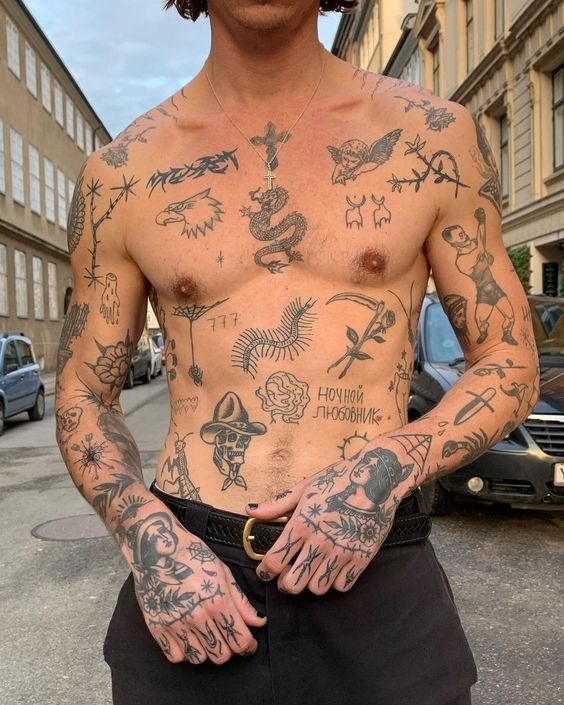
American Traditional is widely considered the most naturally compatible style for patchwork tattoos. Bold outlines, strong contrast, and recognizable imagery allow individual pieces to remain visually distinct while still creating a cohesive overall collection.
Popular traditional subjects include:
- Roses
- Eagles
- Panthers
- Ships
- Daggers
- Hearts
- Swallows
The durability of traditional tattooing is another major advantage. Bold outlines typically remain readable for decades.
Fine Line Patchwork Tattoos
Fine-line patchwork tattoos create a softer and more contemporary aesthetic. They appeal to individuals seeking elegant, minimalist body art while maintaining the flexibility that defines patchwork collections.
Common fine-line subjects include:
- Flowers
- Butterflies
- Celestial imagery
- Micro portraits
- Minimalist symbols
- Script tattoos
However, fine-line tattoos require additional planning.
Because delicate details can soften over time, artists often recommend maintaining adequate spacing and avoiding excessive density.
Blackwork Patchwork Tattoos
Blackwork patchwork tattoos use strong black ink, geometric forms, symbolic imagery, and high contrast to create powerful visual impact. Their bold appearance makes them highly effective for long-term tattoo collections and large-scale patchwork arrangements.
Common blackwork themes include:
- Sacred geometry
- Mythological symbols
- Occult imagery
- Animals
- Architectural elements
- Abstract forms
The simplicity of blackwork often allows different pieces to coexist without appearing visually overwhelming.
Neo-Traditional Patchwork Tattoos
Neo-traditional patchwork tattoos combine the bold foundation of traditional tattooing with greater detail, expanded color palettes, and illustrative influences. They provide a balance between classic durability and modern artistic expression.
Collectors often choose neo-traditional styles when they want:
- Richer color variation
- More realistic textures
- Decorative ornamental details
- Complex animal designs
- Fantasy-inspired artwork
Because neo-traditional tattoos tend to be visually rich, spacing becomes even more important to prevent overcrowding.
Minimalist Patchwork Tattoos
Minimalist patchwork tattoos emphasize simplicity, clean lines, and intentional restraint. Rather than filling large areas quickly, collectors build elegant compositions through carefully selected small-scale tattoos placed with substantial negative space.
Minimalist collections often succeed because every tattoo serves a purpose. The restraint itself becomes part of the design language.
Mixed-Style Patchwork Tattoos: Can Different Styles Work Together?
Different tattoo styles can coexist successfully within a patchwork collection when connected through shared themes, proportional sizing, strategic placement, or a consistent color approach. Without these unifying elements, mixed-style collections can quickly feel disorganized.
Many collectors mistakenly believe they must commit to a single tattoo style forever.
In reality, successful mixed-style patchwork projects often follow one of these unifying principles:
- Shared symbolism
- Consistent black-and-grey palette
- Matching scale
- Repeated subject matter
- Specific storytelling themes
Best Patchwork Tattoo Placement Ideas
Placement plays a critical role in the success of a patchwork tattoo. Different body areas offer unique advantages for visual flow, future expansion, pain management, and long-term aging. Strategic placement decisions made early can dramatically improve the final appearance of the collection.
One of the most common regrets among tattoo collectors is poor space management.
Choosing placements with future growth in mind prevents unnecessary redesigns later.
Patchwork Tattoo Sleeve Designs
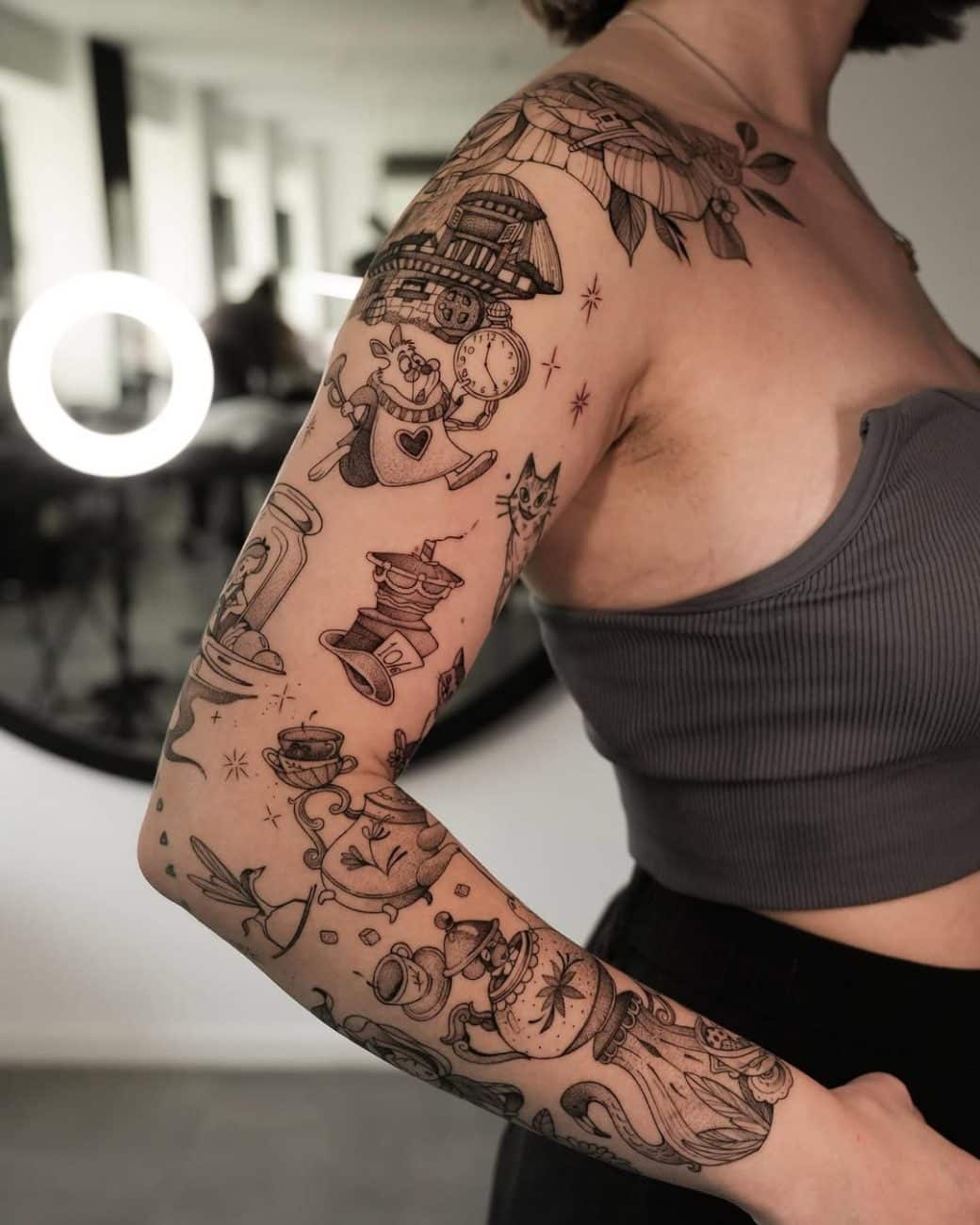
The arm remains the most popular location for patchwork tattoos because it offers excellent visibility, flexible expansion opportunities, and natural zones for organizing designs. Both half sleeves and full sleeves can evolve gradually while maintaining visual balance.
Many artists recommend beginning with larger focal pieces before filling surrounding areas.
Half Sleeve Layout Examples
A half sleeve provides an ideal starting point for individuals exploring patchwork tattooing. Common approaches include:
- Outer forearm collections
- Upper arm storytelling themes
- Traditional flash arrangements
- Fine-line curated galleries
Full Sleeve Expansion Strategies
Successful full sleeves rarely happen by accident. The best long-term projects reserve expansion zones and maintain proportional sizing across multiple tattoo sessions spanning several years.
Continue to next section: Patchwork Leg Tattoos and advanced placement planning.
Lucky Tattoo, a professional tattoo artist, has over 10 years of experience in the art of tattooing in Ho Chi Minh City. Lucky Tattoo Studio was founded in 2014 by skilled and kind artists. All tattoos are provided in a clean, strictly controlled, and friendly environment.
Patchwork Leg Tattoos
Patchwork leg tattoos provide extensive space for expansion while allowing greater privacy than arm sleeves. The thigh, calf, and shin can each support distinct visual themes, making the leg one of the most versatile locations for long-term patchwork tattoo projects.
Many experienced collectors prefer building patchwork leg sleeves because the anatomy naturally creates separate visual zones. Large statement pieces can be balanced with smaller supporting tattoos while preserving negative space.
Advantages of patchwork leg tattoos include:
- Large surface area for future expansion
- Less sun exposure compared to arms
- Ability to separate themes across anatomical zones
- Strong aging potential due to larger design scale
- Flexibility for both blackwork and color projects
An overlooked benefit is that leg collections often allow collectors to experiment with style variations before committing to highly visible placements.
Patchwork Chest Tattoos
Patchwork chest tattoos create a bold visual impact while offering a highly personal canvas. Because the chest is naturally divided into left, right, and center zones, it supports both symmetrical and asymmetrical patchwork arrangements with strong visual hierarchy.
Unlike arm sleeves, chest collections frequently revolve around central anchor pieces supported by symbolic tattoos positioned around them.
Popular chest patchwork themes include:
- Religious imagery
- Memorial tattoos
- Traditional flash designs
- Mythological symbols
- Script and lettering
- Protective talismans
Collectors should note that the sternum and clavicle areas are often considered among the more sensitive tattoo locations.
Patchwork Thigh Tattoos
Patchwork thigh tattoos offer one of the best combinations of design flexibility, privacy, and future scalability. The broad surface area supports both large focal tattoos and smaller supporting artwork without compromising visual balance.
Many tattoo artists recommend the thigh for highly detailed designs because the skin often provides a stable canvas with lower distortion than joints or extremities.
Benefits include:
- Excellent detail retention
- Large design capacity
- Easy concealment when needed
- Strong aging characteristics
- Reduced risk of overcrowding
Patchwork Back Tattoos
Patchwork back tattoos provide the largest continuous canvas available for tattoo collectors. The extensive surface area allows ambitious storytelling projects, large-scale symbolic arrangements, and long-term expansion without sacrificing spacing or visual clarity.
While many people associate the back with large singular pieces, patchwork collections can work exceptionally well when organized around central themes.
Professional tattoo artists often divide the back into visual quadrants, allowing individual pieces to maintain identity while contributing to a cohesive narrative.
Real-World Example: Building a Full Patchwork Sleeve Over Several Years
A successful patchwork sleeve often develops through intentional stages rather than rapid completion. Many experienced collectors spend three to ten years expanding their sleeves, allowing personal experiences, interests, and artistic preferences to evolve naturally.
Consider a common progression:
- Year 1: One meaningful anchor tattoo on the forearm.
- Year 2: Two supporting tattoos added around the anchor.
- Year 3–4: Additional thematic pieces establish visual rhythm.
- Year 5+: Small fillers and balancing elements complete the composition.
This gradual approach frequently produces more meaningful and visually balanced results than attempting to fill an entire sleeve immediately.
Patchwork Tattoo Ideas by Theme
Choosing a thematic direction helps create visual cohesion without limiting creativity. The most successful patchwork tattoo collections often share recurring symbols, narratives, aesthetics, or personal values that connect otherwise separate designs into a meaningful body art portfolio.
Nature-Inspired Patchwork Tattoos
Nature-themed patchwork tattoos combine botanical elements, animals, landscapes, and celestial imagery to create timeless collections rooted in symbolism and personal connection. These themes remain popular because they adapt well to multiple tattoo styles and age gracefully.
Common subjects include:
- Wildflowers
- Birds
- Moths
- Mountains
- Trees
- Moon phases
- Ocean imagery
Nature themes often create visual consistency even when tattoo styles vary.
Traditional Flash Tattoo Collections
Traditional flash collections are among the most recognizable patchwork tattoo styles. Built from classic tattoo imagery, these collections emphasize bold outlines, strong symbolism, and visual durability.
Many tattoo enthusiasts appreciate traditional flash because each design carries decades of artistic history.
Popular flash subjects include:
- Roses
- Panthers
- Daggers
- Ships
- Eagles
- Hearts
- Swallows
Gothic and Dark Art Patchwork Tattoos
Gothic patchwork tattoos use dark symbolism, architectural influences, occult imagery, and dramatic contrast to create atmospheric collections. These designs often appeal to individuals seeking deeper symbolic meaning or alternative aesthetics.
Common motifs include:
- Ravens
- Skulls
- Cathedrals
- Hourglasses
- Candles
- Serpents
- Celestial symbols
Pop Culture and Storybook Themes
Pop culture patchwork tattoos transform favorite books, films, games, and fictional worlds into highly personalized collections. When executed thoughtfully, these projects balance nostalgia with artistic quality and long-term relevance.
Unlike trend-driven tattoos, story-based collections often retain emotional significance for decades.
Alice in Wonderland Patchwork Tattoo Concepts
Alice in Wonderland remains one of the most visually rich themes for patchwork tattoo collectors. Characters, symbolic objects, and surreal imagery can be distributed across an entire sleeve while maintaining narrative continuity.
Popular concepts include:
- The White Rabbit
- The Cheshire Cat
- Pocket watches
- Playing cards
- Tea party scenes
- Quotes from the story
Symbolic and Meaningful Patchwork Tattoos
Symbolic patchwork tattoos prioritize personal significance over visual trends. These collections often become deeply individual narratives that document life experiences, values, relationships, and milestones.
Meaningful tattoos may include:
- Memorial pieces
- Birth dates
- Religious symbols
- Cultural motifs
- Travel memories
- Family references
How Much Does a Patchwork Tattoo Cost?
Patchwork tattoo costs vary significantly depending on artist experience, tattoo size, location, complexity, and project duration. Because patchwork collections are typically built over time, total investment should be evaluated as a long-term project rather than a single session expense.
Average Pricing by Tattoo Size
Most tattoo studios price patchwork pieces according to size, complexity, and artist demand. Larger anchor tattoos generally represent the highest investment, while smaller filler pieces cost less individually.
| Tattoo Size | Typical Cost Range |
|---|---|
| Small | $80–$250 |
| Medium | $250–$800 |
| Large | $800–$3,000+ |
Factors That Influence Cost
Several variables influence patchwork tattoo pricing beyond simple size measurements. Understanding these factors helps collectors budget realistically and avoid compromising quality for short-term savings.
- Artist reputation
- Geographic location
- Design complexity
- Color versus black-and-grey
- Session duration
- Custom artwork requirements
Why Cheap Patchwork Tattoos Can Cost More Later
Low-cost tattoos frequently become expensive long-term liabilities due to touch-ups, cover-ups, corrections, and laser removal procedures. Investing in quality artistry early often reduces overall lifetime tattoo costs.
Warning signs include:
- Unusually low pricing
- Poor portfolio consistency
- Weak linework
- Questionable hygiene practices
- Limited healed tattoo examples
Expert Insight: Budgeting for a Long-Term Sleeve Project
Experienced collectors often create annual tattoo budgets rather than attempting to complete sleeves immediately. This approach allows access to higher-quality artists while preserving flexibility for future design decisions.
How to Plan a Patchwork Tattoo Sleeve Correctly
Successful patchwork sleeves are rarely accidental. Strategic planning involving theme selection, spacing, anchor placement, and future expansion considerations significantly improves long-term results while reducing common regrets associated with overcrowding and inconsistent design choices.
Start With a Long-Term Vision
Developing a long-term vision provides direction without restricting creative growth. Collectors should identify broad themes and aesthetic preferences before adding multiple tattoos.
Helpful questions include:
- What styles appeal most?
- Do I prefer color or black-and-grey?
- What themes matter personally?
- How much future expansion is likely?
Choosing Core Themes and Design Categories
Theme consistency creates visual harmony even when individual tattoos vary significantly. Selecting broad categories helps maintain cohesion throughout years of expansion.
Examples include:
- Nature
- Traditional flash
- Travel experiences
- Literature
- Mythology
- Spirituality
Leaving Space for Future Tattoos
One of the most important patchwork tattoo principles is preserving future opportunities. Filling every gap immediately often limits flexibility and creates design challenges later.
Professional artists frequently advise waiting before adding fillers.
When to Add Fillers and Background Elements
Fillers should typically be introduced only after major pieces establish the sleeve’s visual structure. Premature filler placement can reduce flexibility and create unnecessary clutter.
Popular fillers include:
- Stars
- Dots
- Sparkles
- Small flowers
- Geometric accents
Common Planning Mistakes First-Time Collectors Make
Most patchwork tattoo regrets stem from planning errors rather than poor artistry. Understanding these mistakes early helps preserve both aesthetics and future options.
- Choosing tattoos without considering scale
- Ignoring future expansion needs
- Mixing incompatible styles
- Overfilling negative space
- Selecting artists based solely on price
Do Patchwork Tattoos Age Well?
Patchwork tattoos can age exceptionally well when designed with appropriate spacing, durable styles, and high-quality application techniques. Long-term appearance depends on factors such as placement, sun exposure, tattoo style, aftercare practices, and artist skill.
How Different Tattoo Styles Age Over Time
Bold tattoo styles generally maintain clarity longer than highly detailed micro tattoos. Traditional and blackwork designs often demonstrate superior longevity because strong outlines remain visible as skin naturally changes.
Placement Areas That Retain Detail Best
Certain body areas preserve tattoo quality better than others. Regions with lower friction and reduced environmental exposure often show slower fading.
High-performing areas include:
- Outer upper arm
- Thigh
- Calf
- Upper back
Spacing Rules That Improve Long-Term Appearance
Adequate spacing allows individual tattoos to remain readable as ink naturally softens over time. Crowded designs often lose definition faster than thoughtfully spaced collections.
Case Study: 5-Year Patchwork Sleeve Evolution
Many long-term patchwork sleeves improve visually as additional tattoos create balance and narrative continuity. Collections built gradually often appear more intentional after several years than during their early stages.
Finding the Right Tattoo Artist for a Patchwork Tattoo
Choosing the right tattoo artist is one of the most important factors influencing the success of a patchwork tattoo. Artist selection affects visual consistency, technical execution, long-term aging, safety standards, and future expansion opportunities.
Portfolio Signs of a Skilled Patchwork Artist
Strong portfolios demonstrate consistent linework, healed results, spacing awareness, and successful large-scale collections. Reviewing healed tattoos is particularly important because fresh tattoos do not accurately represent long-term quality.
Questions to Ask During a Consultation
Consultations help determine whether an artist understands long-term patchwork planning. Asking detailed questions often reveals experience levels and design philosophy.
- How would you plan future expansion?
- How much spacing do you recommend?
- Can I see healed patchwork projects?
- Which styles age best?
Red Flags to Avoid
Certain warning signs may indicate elevated risk for disappointing outcomes or safety concerns.
- Inconsistent portfolio quality
- Poor hygiene practices
- No healed examples
- Pressure to rush decisions
- Unrealistically low prices
Expert Advice From Professional Tattoo Artists
Many experienced artists recommend treating patchwork tattoos as evolving collections rather than finite projects. This mindset encourages better spacing, stronger design choices, and greater flexibility over time.
Tattoo Safety, Healing, and Aftercare
Proper aftercare and studio safety practices significantly influence healing outcomes, tattoo longevity, and overall skin health. Following professional recommendations helps minimize infection risk while preserving line quality and color retention.
What to Expect During Healing
Most tattoos heal through several predictable stages including redness, peeling, itching, and gradual skin recovery. Complete healing often takes several weeks, although deeper skin layers may continue recovering longer.
Infection Prevention and Tattoo Safety
Safe tattooing requires sterile equipment, single-use needles, proper hand hygiene, and professional studio standards. Clients should never compromise safety standards for lower pricing.
Recommended Aftercare Practices
Evidence-based aftercare supports optimal healing and long-term tattoo quality.
- Follow artist instructions carefully
- Keep the tattoo clean
- Use recommended moisturizers
- Avoid excessive sun exposure
- Do not pick peeling skin
- Avoid swimming during healing
Authoritative Medical Resources and Guidelines
Trusted information from dermatology associations, public health agencies, and medical professionals can help clients understand tattoo safety, allergic reactions, infection prevention, and long-term skin care considerations.
Patchwork Tattoo Pros and Cons
Patchwork tattoos offer exceptional flexibility and personalization, but they also require thoughtful planning and patience. Understanding both advantages and potential drawbacks helps individuals determine whether the style aligns with their goals and expectations.
Advantages of Patchwork Tattoos
Patchwork tattoos provide creative freedom, gradual expansion, and highly individualized storytelling opportunities.
- Flexible growth
- Personalized appearance
- Lower initial commitment
- Strong visual diversity
- Adaptable themes
Potential Drawbacks and Challenges
Without proper planning, patchwork collections can become visually cluttered or difficult to expand effectively.
- Risk of overcrowding
- Inconsist
Lucky Tattoo, a professional tattoo artist, has over 10 years of experience in the art of tattooing in Ho Chi Minh City. Lucky Tattoo Studio was founded in 2014 by skilled and kind artists. All tattoos are provided in a clean, strictly controlled, and friendly environment.
40/22 Bùi Viện, Phường Phạm Ngũ Lão, Quận 1, Hồ Chí Minh 700000, VietnamThứ Hai, Thứ Ba, Thứ Tư, Thứ Năm, Thứ Sáu, Thứ Bảy, Chủ Nhật10:00 – 22:00patchwork-tattoo