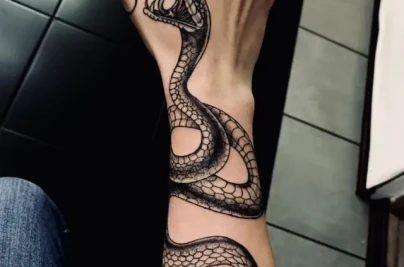
What Is a Wanderlust Tattoo? Meaning & Symbolism Explained
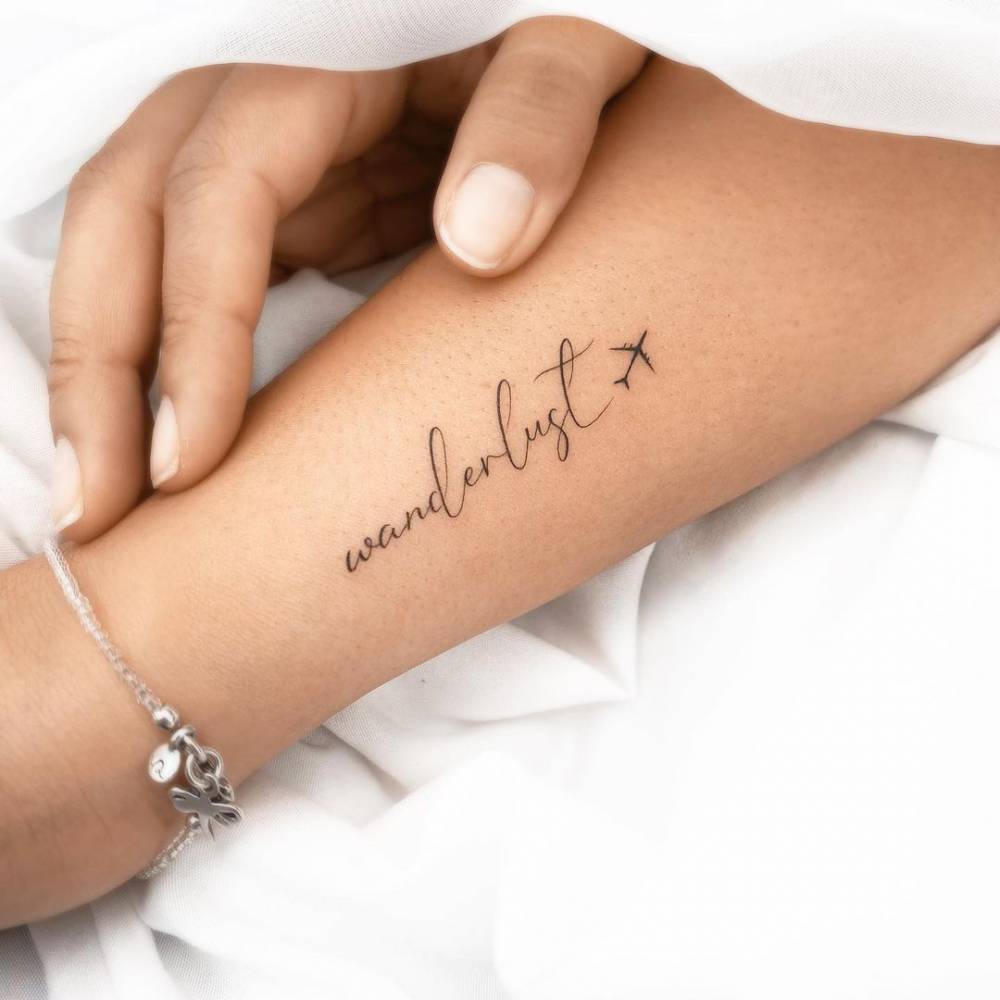
A wanderlust tattoo represents a deeply personal expression of the desire to travel, explore, and experience the world beyond familiar boundaries. It is not just decorative body art but a symbolic narrative of freedom, transformation, and identity shaped through movement, cultural encounters, and life-changing journeys.
From an expert tattoo symbolism perspective, wanderlust designs are often chosen during transitional life phases—after solo travel, migration, emotional change, or identity shifts. Unlike generic tattoos, these carry autobiographical weight, making design selection more emotionally significant and long-lasting in meaning.
Emotional Meaning Behind Wanderlust Tattoos
A wanderlust tattoo emotionally represents independence, curiosity, and personal evolution through travel experiences. It often reflects moments where individuals felt most alive—during journeys, cultural immersion, or life transitions that reshaped their worldview and sense of identity.
In practice, tattoo artists often observe that clients choose these designs after milestone trips or emotional turning points. For example, a first solo backpacking trip through Southeast Asia or relocation abroad frequently becomes the symbolic anchor behind the tattoo’s meaning.
Information Gain Insight: Unlike common belief, wanderlust tattoos are rarely about “loving travel” in a general sense. They are more accurately emotional memory markers tied to identity reconstruction after transformative experiences, making them closer to psychological storytelling than aesthetic travel art.
Common Misconceptions About Travel Tattoos
A wanderlust tattoo is often misunderstood as a purely aesthetic travel symbol, but in reality, it functions as a personal identity marker shaped by experience. Many assume these tattoos are trendy or impulsive, yet most meaningful designs are carefully chosen after significant life or travel events.
One common misconception is that popular symbols like airplanes or globes are inherently cliché. However, when personalized through coordinates, dates, or unique stylistic choices, even widely used symbols can carry deeply individual meaning that avoids generic interpretation.
Expert Warning: Many clients regret tattoos not because of the symbol itself, but due to lack of personalization. Overused templates without narrative context tend to lose emotional relevance over time.
Best Wanderlust Tattoo Ideas & Their Meanings
The best wanderlust tattoo ideas combine symbolic travel imagery with personal storytelling elements that reflect individual journeys. These include compass designs, airplanes, world maps, and mountains, each representing direction, freedom, global identity, and inner stability shaped through travel experiences.
From a professional tattoo design perspective, the most successful travel tattoos integrate at least one personalization layer such as coordinates, meaningful dates, or geographic outlines connected to real-life experiences.
Compass Tattoos: Direction & Life Journey Symbolism
A compass tattoo symbolizes guidance, direction, and staying true to one’s life path while navigating change and uncertainty. It is one of the most enduring wanderlust tattoo designs because it reflects both physical travel and metaphorical life decisions shaped by exploration and personal growth.
In real-world applications, compass tattoos are often chosen by individuals who have experienced major directional changes in life, such as career shifts or long-term travel. The design serves as a reminder of internal navigation rather than external destinations alone.
Information Gain Insight: Many tattoo artists recommend customizing compass designs with directional coordinates or map fragments rather than standard compass roses to avoid visual redundancy and increase long-term uniqueness.
Airplane Tattoos: Freedom & Movement Identity
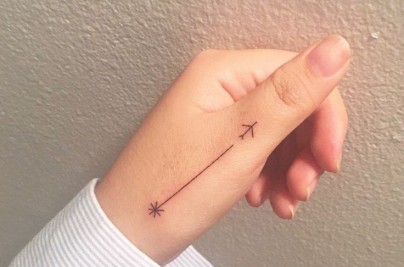
An airplane tattoo represents movement, transition, and the emotional experience of crossing boundaries—both geographical and psychological. It is commonly chosen by travelers who associate flying with freedom, opportunity, or significant life changes such as relocation or long-distance relationships.
Minimalist airplane silhouettes are particularly popular due to their subtle aesthetic and versatility. However, experts caution that overly simplified designs may lose individuality unless paired with meaningful placement or contextual elements like flight paths or coordinates.
Practical Insight: Airplane tattoos work best when placed on wrists, collarbones, or forearms, where linear movement enhances the sense of direction and flow in the design.
World Map Tattoos: Global Exploration Identity
A world map tattoo symbolizes global awareness, exploration identity, and a connection to multiple cultures and destinations. It is often chosen by frequent travelers or digital nomads who see themselves as global citizens rather than being tied to a single geographic identity.
However, tattoo professionals frequently note that full world map designs can become visually overwhelming or lose clarity over time due to detail density. As a result, simplified outlines or fragmented map sections are increasingly preferred.
Expert Observation: Instead of full maps, many experienced travelers opt for continent outlines or highlighted regions tied to personal journeys, creating a more refined and meaningful visual narrative.
Mountain Tattoos: Stability Within Adventure
A mountain tattoo represents resilience, grounding, and inner stability found through outdoor exploration and travel challenges. It symbolizes the balance between adventure and personal endurance, often chosen by hikers, climbers, and nature-focused travelers.
Unlike more symbolic travel tattoos, mountain designs carry dual meaning—external exploration and internal strength. This makes them particularly popular among individuals who associate travel with self-discovery rather than leisure alone.
Real-World Insight: Mountain tattoos are often paired with sunrise elements or trail lines to represent progression rather than static imagery, reinforcing the idea of continuous personal growth.
Personalized Wanderlust Tattoo Framework (Identity-Based Approach)
A personalized wanderlust tattoo framework helps individuals choose designs based on their travel identity rather than generic symbols. It categorizes travelers into archetypes such as explorers, nomads, and memory keepers, ensuring the tattoo reflects authentic life experiences instead of trending aesthetics.
This method reduces long-term regret by aligning tattoo symbolism with psychological identity patterns rather than visual popularity, making the design more meaningful and sustainable over time.
The Explorer Archetype (Nature-Focused Travelers)
The explorer archetype represents individuals who connect deeply with nature, landscapes, and physical adventure. Their wanderlust tattoos often include mountains, trails, forests, or compass-based designs that symbolize discovery and environmental connection through travel experiences.
These designs are typically bold or line-focused to reflect endurance and physical engagement with travel. They are commonly chosen by hikers, climbers, and outdoor expedition travelers seeking symbolic representation of resilience and discovery.
The Nomad Archetype (Digital & Global Travelers)
The nomad archetype represents individuals who live or work across multiple countries, often identified as digital nomads or long-term global travelers. Their tattoos frequently include coordinates, globe fragments, or abstract travel symbols representing fluid identity and borderless living.
These tattoos emphasize adaptability and movement rather than fixed destinations. They often evolve over time, with additional coordinates or symbols added after new travel experiences.
The Memory Keeper Archetype (Sentimental Travelers)
The memory keeper archetype focuses on emotional travel experiences tied to specific moments, relationships, or transformative events. Their tattoos often include dates, passport stamps, or minimalist symbols connected to meaningful personal journeys.
This category prioritizes emotional storytelling over visual complexity, making it one of the most personally meaningful approaches to wanderlust tattoo design.
Information Gain Insight: Unlike generic travel tattoo guides, this archetype model reduces decision fatigue by aligning design choice with identity psychology rather than aesthetic trends alone.
Best Placement Ideas for Wanderlust Tattoos
Lucky Tattoo, a professional tattoo artist, has over 10 years of experience in the art of tattooing in Ho Chi Minh City. Lucky Tattoo Studio was founded in 2014 by skilled and kind artists. All tattoos are provided in a clean, strictly controlled, and friendly environment.
From an expert tattoo placement perspective, location choice should never be purely aesthetic. Skin movement, sun exposure, and aging patterns all influence how a wanderlust tattoo will evolve over time. For example, fine-line airplane tattoos may blur faster on high-friction areas like fingers or feet.
Wrist & Ankle: Minimalist Travel Symbols
Wrist and ankle placements are ideal for minimalist wanderlust tattoos because they offer subtle visibility and elegant simplicity. These areas are commonly chosen for small airplane outlines, coordinates, or compass fragments that symbolize personal travel identity without overwhelming visual impact.
These placements are particularly popular among first-time tattoo clients or professionals who prefer discreet body art. However, due to frequent movement and sun exposure, fine-line designs in these areas may require touch-ups over time.
Expert Insight: Wrist tattoos often fade faster due to UV exposure and washing frequency, so bold linework or slightly thicker detailing is recommended for longevity.
Forearm & Shoulder: Storytelling Tattoos
Forearm and shoulder placements are best suited for medium to large wanderlust tattoos that tell a visual story through multiple elements such as maps, mountains, or travel sequences. These areas allow for greater detail and compositional flow.
Travelers often choose forearm placements because they act as daily visual reminders of past journeys and future aspirations. Shoulder placements, on the other hand, provide more flexibility for expanding designs over time.
Information Gain Insight: Forearm tattoos are increasingly used by digital nomads as “visual travel journals,” where each symbol represents a specific country or milestone trip.
Rib & Back: Hidden Meaning Tattoos
Rib and back placements are ideal for deeply personal wanderlust tattoos that are not meant for constant visibility. These areas are often chosen for emotional or symbolic designs such as long quotes, detailed world maps, or significant coordinates.
While these placements allow for larger and more intricate artwork, they are also among the most painful due to thinner skin and proximity to bone. Despite this, many clients choose them for their privacy and emotional intimacy.
Expert Warning: Rib tattoos require careful breathing control during sessions, and healing may take longer due to movement from daily respiration.
Tattoo Styles for Wanderlust Designs
Wanderlust tattoo styles vary widely, but the most effective designs align visual aesthetics with emotional meaning. Popular styles include minimalist fine-line work, watercolor effects, realism, and abstract interpretations. Each style impacts longevity, clarity, and symbolic strength differently over time.
From a professional tattoo strategy perspective, style selection should prioritize both meaning retention and skin aging performance, not just visual trends seen on social media platforms like Pinterest or Instagram.
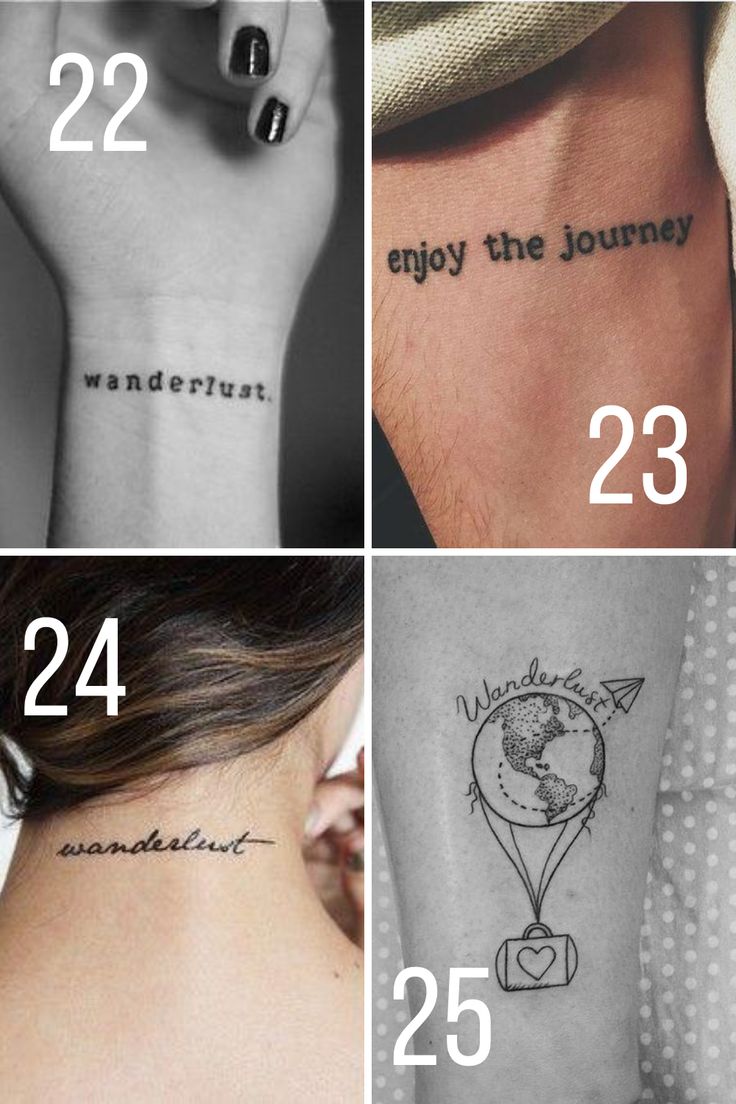
Minimalist Fine-Line Travel Tattoos
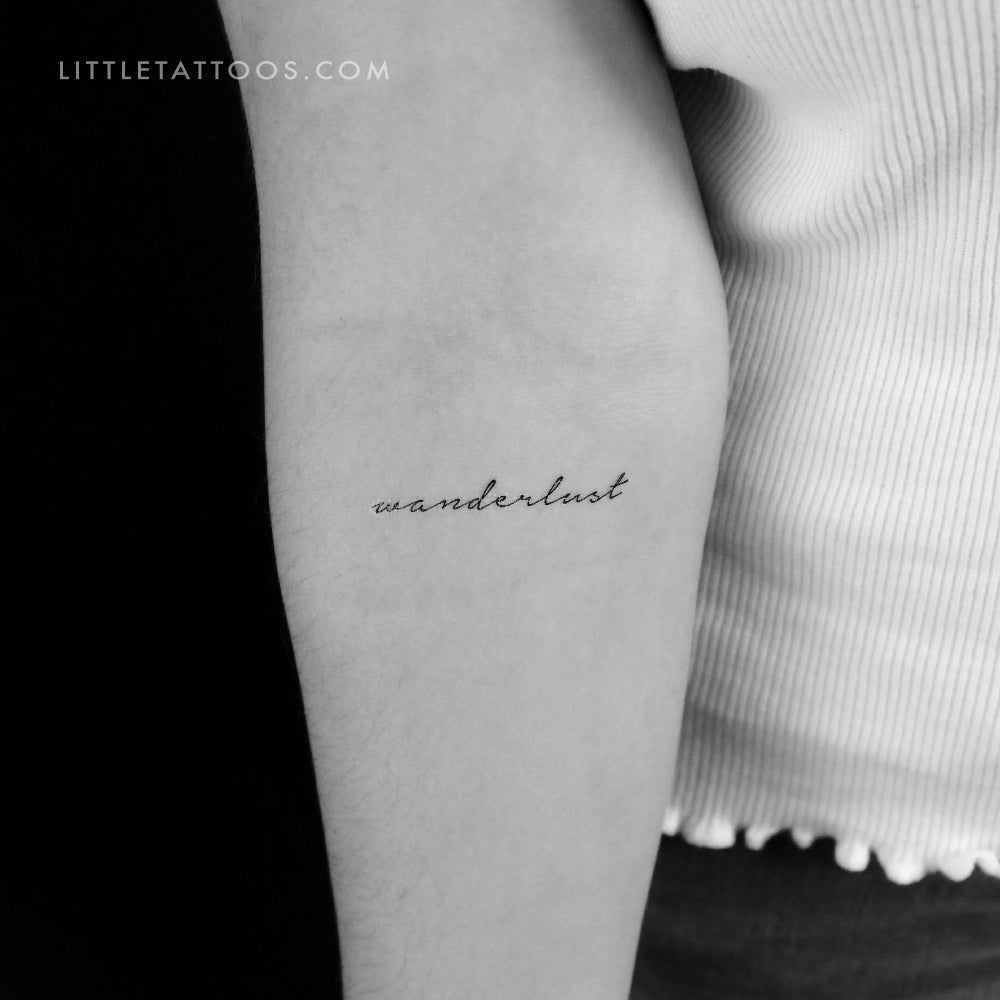
Minimalist fine-line tattoos are the most popular choice for wanderlust designs due to their subtle elegance and modern aesthetic. They typically include simple outlines such as airplanes, compasses, or coordinates that reflect travel identity in a clean visual format.
These tattoos are especially favored by professionals and first-time clients, but they require careful execution by experienced artists. Poor line stability or inexperienced technique can result in fading or blurring over time.
Practical Insight: Fine-line tattoos should avoid overly thin strokes in high-movement areas, as skin elasticity can distort the design over years.
Watercolor Travel Tattoos
Watercolor tattoos use soft gradients and brush-like effects to represent emotional and artistic interpretations of travel experiences. They are often combined with silhouettes such as globes or mountains to create expressive, painterly compositions.
While visually striking, watercolor tattoos are known to fade faster than traditional linework due to pigment diffusion. This makes them more suitable for individuals who prioritize artistic expression over long-term structural clarity.
Expert Observation: Watercolor effects work best when anchored with strong black outlines to maintain structure as colors soften over time.
Realism vs Abstract Travel Art
Realism tattoos aim to replicate real-world travel imagery such as landmarks, landscapes, or photographs with high detail accuracy. Abstract travel tattoos, on the other hand, focus on symbolic representation rather than literal visuals, offering more creative freedom.
Realism requires high technical skill and larger skin areas, while abstract designs allow for more personalization and conceptual depth. The choice depends on whether the wearer prioritizes visual accuracy or emotional symbolism.
Information Gain Insight: Abstract travel tattoos tend to age better visually because they rely less on precise detail and more on symbolic composition, making them more resilient to skin changes over time.
Mistakes to Avoid When Getting a Wanderlust Tattoo
Common wanderlust tattoo mistakes include choosing overused designs, ignoring personal meaning, and selecting poor placement. These errors often lead to regret, fading emotional relevance, or visual imbalance over time. Thoughtful planning and professional consultation significantly reduce long-term dissatisfaction.
From an expert perspective, most tattoo regret cases are not due to the concept itself but due to rushed decisions influenced by trends rather than personal storytelling or identity alignment.
Overused Designs and Clichés
Overused wanderlust tattoo designs such as generic globes, standard airplanes, or basic compass symbols often lose individuality when not personalized. While these symbols are meaningful, they require customization to avoid blending into mass-produced tattoo trends.
Adding coordinates, unique linework, or combining multiple travel elements helps transform a common design into a personal narrative rather than a repetitive visual motif.
Expert Insight: Tattoo artists frequently recommend avoiding “Pinterest-only inspiration” without personalization, as this is the leading cause of design regret.
Ignoring Personal Meaning
Ignoring personal meaning is one of the most common mistakes in wanderlust tattoo decisions. When designs are chosen purely for aesthetics, they often lose emotional relevance over time, especially after lifestyle or identity changes.
Meaningful tattoos are anchored in lived experiences such as specific trips, emotional transitions, or cultural encounters. Without this foundation, even visually appealing tattoos can feel disconnected later in life.
Information Gain Insight: Studies in identity psychology suggest that body art tied to autobiographical memory is significantly more likely to remain satisfying long-term than trend-based designs.
Poor Placement Decisions
Poor placement decisions can reduce both the aesthetic quality and longevity of wanderlust tattoos. Areas with high sun exposure or frequent movement can accelerate fading and distortion, especially for fine-line designs.
Choosing placement should involve evaluating lifestyle factors such as clothing coverage, professional environment, and pain tolerance, not just visual preference in isolation.
Expert Warning: Finger and foot tattoos are among the highest-maintenance placements due to rapid fading and frequent touch-ups.
FAQ: Wanderlust Tattoo Questions Answered
Wanderlust tattoo FAQs address meaning, design choices, placement, and longevity concerns. These answers help users make informed decisions by clarifying common misconceptions and providing practical, experience-based guidance for selecting meaningful travel-inspired body art.
What does a wanderlust tattoo symbolize?
It symbolizes freedom, travel passion, and personal transformation through exploration and life experiences.
What are the most meaningful wanderlust tattoo ideas?
Compass, airplane, coordinates, mountain ranges, and world map fragments tied to personal travel memories.
Do travel tattoos age well over time?
Yes, especially bold or minimalist designs, while very fine-line or highly detailed tattoos may require maintenance.
Where is the best place for a wanderlust tattoo?
Wrist, forearm, shoulder, and ankle are popular depending on visibility preferences and design complexity.
How can I make my wanderlust tattoo unique?
Incorporate coordinates, meaningful dates, custom map outlines, or combine multiple travel memories into one design.
Are minimalist travel tattoos a good choice?
Yes, they are modern, subtle, and versatile, but should be executed with quality linework to ensure longevity.
What is the biggest mistake in travel tattoos?
Choosing generic designs without personal meaning or context, which often leads to long-term regret.
Final Thoughts on Wanderlust Tattoos
Wanderlust tattoos are more than decorative art—they are personal identity markers shaped by exploration, memory, and transformation. When designed thoughtfully with meaningful symbolism, proper placement, and skilled execution, they become lasting representations of life experiences and emotional journeys across the world.