What Is the Om Symbol in Spiritual Culture?
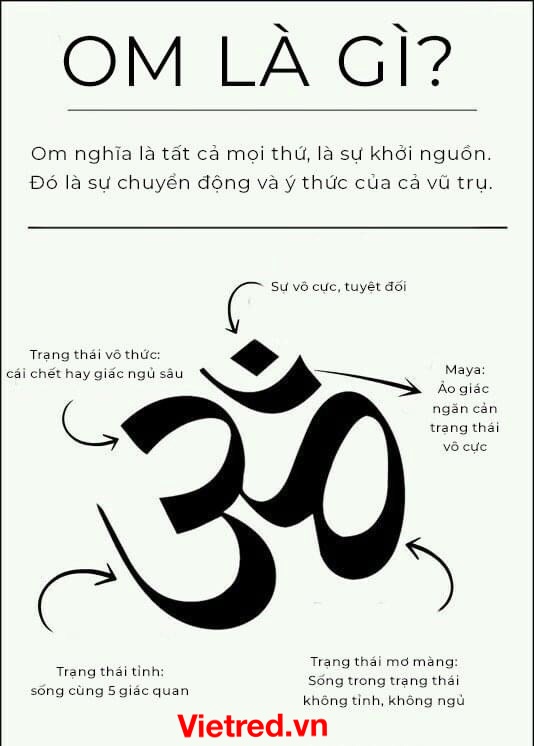
Biểu tượng Om (Aum) là một âm thanh và ký hiệu thiêng liêng có nguồn gốc từ Ấn Độ giáo và Phật giáo, đại diện cho “âm thanh vũ trụ” và sự khởi nguyên của tồn tại. Trong văn hóa tâm linh, Om không chỉ là ký hiệu mà còn là trải nghiệm thiền định, giúp con người kết nối với trạng thái ý thức sâu hơn và sự cân bằng nội tâm.
Trong thực hành yoga và thiền, Om được xem như một “mantra gốc” giúp ổn định tâm trí, giảm nhiễu loạn tinh thần và tăng khả năng tập trung. Nhiều nghiên cứu về mindfulness hiện đại cũng ghi nhận hiệu ứng tích cực của việc tụng niệm hoặc tập trung vào âm Om đối với hệ thần kinh và trạng thái cảm xúc.
Om không chỉ là biểu tượng tôn giáo mà còn là một cấu trúc triết học về sự tồn tại: sinh – tồn tại – tan rã.
Historical Origins of Om in Vedic Tradition
Trong hệ thống Vệ Đà cổ đại, Om xuất hiện như một âm thanh nguyên thủy mô tả nguồn gốc của vũ trụ và ý thức. Nó được ghi nhận trong Upanishads như biểu tượng của Brahman – thực tại tối thượng. Ý nghĩa này vượt xa tôn giáo, trở thành nền tảng triết học về sự hợp nhất giữa con người và vũ trụ.
Từ góc nhìn học thuật, nhiều nhà nghiên cứu Ấn Độ học cho rằng Om là một “ký hiệu âm thanh trừu tượng hóa ý thức”, không thể dịch đơn giản sang ngôn ngữ hiện đại mà phải được hiểu qua thực hành thiền định.
- Om xuất hiện trong Upanishads và Rig Veda
- Biểu tượng của Brahman – thực tại tối thượng
- Đại diện cho chu kỳ sinh – tồn – diệt
Om in Modern Meditation & Yoga Practice
Trong yoga hiện đại, Om được sử dụng như một công cụ kích hoạt trạng thái thư giãn sâu, giúp điều hòa hơi thở và giảm căng thẳng thần kinh. Các giáo viên yoga thường hướng dẫn học viên tụng Om trước và sau buổi tập để tạo sự kết nối giữa cơ thể, tâm trí và năng lượng.
Nhiều nghiên cứu về mindfulness cho thấy việc tập trung vào âm thanh đơn giản như Om có thể giúp giảm mức cortisol – hormone căng thẳng, từ đó cải thiện chất lượng giấc ngủ và khả năng tập trung.
Humanistic Meaning of Om Tattoo in Modern Life
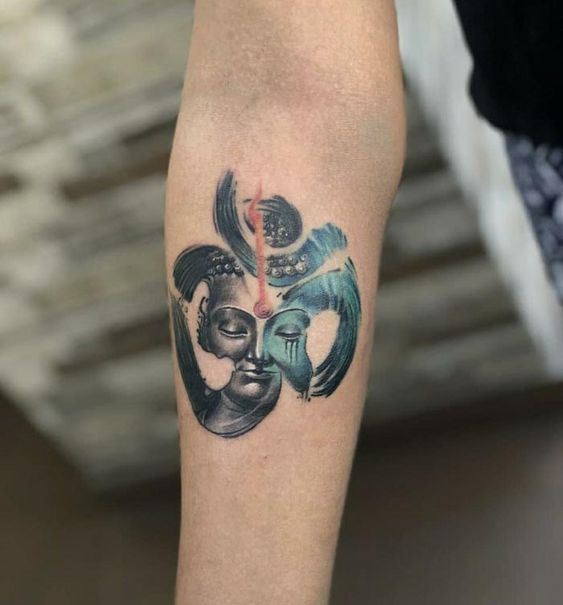
Hình xăm chữ Om trong bối cảnh hiện đại không chỉ mang ý nghĩa tôn giáo mà còn được hiểu như một biểu tượng nhân văn về sự chữa lành nội tâm, nhận thức bản thân và kết nối tinh thần. Nó phản ánh xu hướng con người hiện đại tìm kiếm sự bình an giữa nhịp sống căng thẳng và áp lực xã hội.
Trong góc nhìn nhân văn, Om tattoo không còn giới hạn trong tín ngưỡng mà trở thành một “ngôn ngữ hình ảnh” thể hiện hành trình cá nhân: từ hỗn loạn đến cân bằng, từ mất phương hướng đến tự nhận thức. Đây là lý do khiến nó phổ biến trong giới trẻ, đặc biệt là những người theo đuổi lối sống mindfulness.
Om tattoo ngày nay đại diện cho sự chữa lành tinh thần nhiều hơn là biểu tượng tôn giáo thuần túy.
Why People Choose Om Tattoos Today
Người hiện đại lựa chọn hình xăm Om không chỉ vì thẩm mỹ mà vì nhu cầu nội tâm về sự ổn định cảm xúc và nhận diện bản thân. Nó thường xuất hiện ở những người trải qua biến cố, thay đổi lớn trong cuộc sống hoặc đang theo đuổi hành trình phát triển cá nhân.
Trong thực tế, nhiều nghệ sĩ xăm hình ghi nhận rằng khách hàng chọn Om như một “dấu mốc tâm lý” đánh dấu sự chuyển đổi từ giai đoạn căng thẳng sang trạng thái bình an hơn trong cuộc sống.
- Biểu tượng chữa lành tinh thần
- Thể hiện hành trình tự nhận thức
- Liên kết với yoga và thiền định
Psychological Interpretation of Om Symbolism
Dưới góc độ tâm lý học, Om có thể được xem như một “neo nhận thức” giúp cá nhân quay về trạng thái hiện tại (present moment awareness). Khi con người tập trung vào một biểu tượng đơn giản nhưng sâu sắc, não bộ giảm hoạt động của hệ thống lo âu và tăng khả năng điều hòa cảm xúc.
Một số nghiên cứu trong lĩnh vực tâm lý học tích cực cho thấy các biểu tượng thiền định như Om có thể hỗ trợ giảm stress và cải thiện khả năng tự điều chỉnh cảm xúc, đặc biệt trong môi trường áp lực cao.
Cultural Sensitivity: Is Om Tattoo Respectful or Not?
Hình xăm Om có thể mang ý nghĩa tích cực nhưng cũng đặt ra câu hỏi về sự tôn trọng văn hóa khi sử dụng biểu tượng tôn giáo trong nghệ thuật cơ thể. Vấn đề không nằm ở bản thân hình xăm mà ở cách người sở hữu hiểu và thể hiện ý nghĩa của nó trong đời sống cá nhân.
Trong bối cảnh toàn cầu hóa, nhiều biểu tượng tôn giáo bị thương mại hóa, dẫn đến hiểu lầm hoặc mất đi chiều sâu văn hóa ban đầu. Do đó, việc tìm hiểu kỹ nguồn gốc và ý nghĩa là yếu tố quan trọng trước khi lựa chọn xăm.
Tôn trọng biểu tượng Om bắt đầu từ việc hiểu đúng lịch sử và giá trị tinh thần của nó.
Religious Meaning vs Artistic Expression
Om tồn tại song song giữa hai lớp ý nghĩa: tôn giáo và nghệ thuật. Trong tôn giáo, nó mang tính thiêng liêng tuyệt đối; trong nghệ thuật xăm, nó được tái diễn giải như một biểu tượng cá nhân hóa. Sự khác biệt này cần được cân bằng để tránh hiểu sai hoặc sử dụng thiếu tôn trọng.
Các nghệ sĩ xăm chuyên nghiệp thường khuyến nghị khách hàng tìm hiểu kỹ trước khi xăm các biểu tượng tôn giáo nhằm đảm bảo tính văn hóa và ý nghĩa lâu dài.
- Tôn giáo: biểu tượng thiêng liêng tuyệt đối
- Nghệ thuật: biểu tượng cá nhân hóa
- Quan trọng: hiểu đúng trước khi thể hiện
Common Misconceptions About Om Tattoos
Nhiều người cho rằng Om chỉ đơn giản là “biểu tượng may mắn” hoặc “hình xăm phong cách yoga”, nhưng thực tế ý nghĩa của nó sâu sắc hơn nhiều. Việc giản lược biểu tượng này có thể làm mất đi chiều sâu triết học và giá trị tinh thần vốn có.
Một hiểu lầm phổ biến khác là cho rằng Om chỉ thuộc Phật giáo, trong khi thực tế nó bắt nguồn từ truyền thống Vệ Đà của Ấn Độ giáo và sau đó được Phật giáo tiếp nhận và diễn giải lại.
Lucky Tattoo, a professional tattoo artist, has over 10 years of experience in the art of tattooing in Ho Chi Minh City. Lucky Tattoo Studio was founded in 2014 by skilled and kind artists. All tattoos are provided in a clean, strictly controlled, and friendly environment.
Best Om Tattoo Designs & Their Meanings
Om tattoo designs vary from minimalist line art to complex mandala combinations, each carrying different layers of spiritual and aesthetic meaning. In modern tattoo culture, design choice reflects not only personal style but also the wearer’s interpretation of mindfulness, identity, and inner balance derived from yogic and Vedic philosophy.
Choosing the right design requires understanding both visual impact and symbolic depth. Many tattoo artists emphasize that Om should not be treated as a decorative element alone, but as a structured spiritual symbol whose meaning changes depending on context, surrounding elements, and placement on the body.
Designing an Om tattoo is not just an artistic decision—it is a personal philosophy expressed visually.
Minimalist Om Tattoo Design
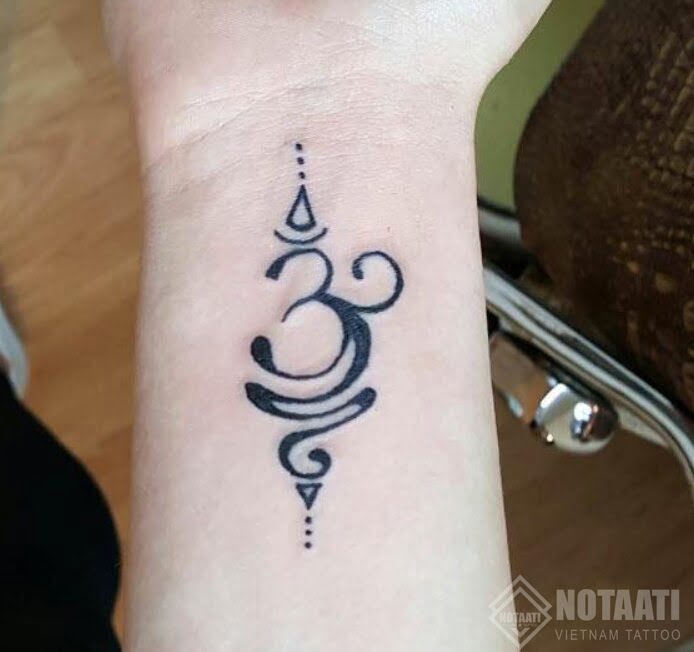
A minimalist Om tattoo focuses on clean lines and simple geometry, making it suitable for individuals who prefer subtle expressions of spirituality. This design is often chosen by people who value mindfulness without overt religious symbolism, reflecting modern interpretations of inner peace and mental clarity.
In practice, minimalist Om tattoos are popular among professionals and travelers because they are discreet, timeless, and adaptable across cultural contexts. Tattoo artists often recommend wrist or collarbone placement for balanced visibility and personal significance.
- Simple line-based structure
- Suitable for first-time tattoo users
- Easy to integrate into small body areas
Mandala + Om Fusion Design
Mandala Om tattoos combine sacred geometry with spiritual symbolism, representing cosmic order and inner harmony. This design is often associated with deep meditation practices in Tibetan Buddhism, where mandalas symbolize the universe and spiritual journey toward enlightenment.
From an expert perspective, this combination is more complex to execute and requires experienced tattoo artists. It is typically chosen by individuals with strong interest in Eastern philosophy or long-term meditation practice.
Lotus + Om Combination
The lotus and Om combination is one of the most meaningful tattoo designs, symbolizing purity, rebirth, and spiritual awakening. In Buddhist philosophy, the lotus grows from muddy water yet remains clean, representing human resilience and the ability to rise above suffering.
This design is often chosen by individuals who have experienced emotional transformation or life challenges. Tattoo experts note that this combination carries strong narrative meaning, making it one of the most emotionally expressive Om variations.
- Lotus = purity and rebirth
- Om = universal consciousness
- Combined = spiritual transformation
Placement Meaning of Om Tattoos
Om tattoo placement significantly influences its symbolic interpretation, as different body locations represent varying levels of visibility, energy flow, and personal expression. In both yoga philosophy and modern tattoo psychology, placement is considered part of the meaning, not just a design decision.
Experts in tattoo culture emphasize that placement can affect how the wearer emotionally connects with the symbol. Visible placements often reflect identity sharing, while hidden placements indicate private spirituality or introspective meaning.
Where you place an Om tattoo often reflects how publicly or privately you express your spiritual identity.
Wrist, Neck, Spine Placement Meaning
Wrist placements symbolize constant awareness and mindfulness, as the tattoo remains in the wearer’s direct line of sight. Neck placements reflect bold identity expression, while spine placements are associated with energy alignment and chakra flow in yogic philosophy.
In real-world tattoo practice, spine Om tattoos are often chosen by yoga practitioners who associate the spine with Kundalini energy, while wrist tattoos are more common among beginners and mindfulness practitioners.
- Wrist: daily mindfulness reminder
- Neck: strong identity expression
- Spine: energy alignment & spiritual depth
Hidden vs Visible Tattoos
Hidden Om tattoos often represent deeply personal spirituality that is not intended for public display, while visible tattoos communicate identity, belief systems, or lifestyle choices. This distinction is important in professional environments where visible tattoos may carry social implications.
Tattoo artists frequently advise clients to consider long-term social and career contexts before choosing placement, especially for spiritual symbols like Om that may carry cultural interpretations.
- Hidden tattoos = private spirituality
- Visible tattoos = identity communication
- Consider professional environment impact
Expert Tattoo Artist Insights on Om Designs
Professional tattoo artists view Om designs as culturally sensitive symbols that require both artistic precision and philosophical understanding. They emphasize that successful execution depends not only on technical skill but also on respect for the symbol’s origins in Hindu and Buddhist traditions.
Industry experts also highlight a growing trend: clients increasingly request meaningful tattoos rather than purely aesthetic designs, pushing artists to integrate storytelling into their work.
A well-designed Om tattoo should balance aesthetic clarity with cultural respect and personal meaning.
How Tattoo Artists Interpret Spiritual Symbols
Experienced tattoo artists interpret spiritual symbols like Om by considering client intent, cultural context, and design integrity. Many professionals conduct consultations to ensure the tattoo aligns with the client’s personal philosophy rather than being a purely visual trend.
In modern studios, ethical tattooing includes educating clients about cultural origins and discouraging misuse or superficial application of sacred symbols.
- Client intent assessment
- Cultural context evaluation
- Ethical design consultation
Real-Life Examples of Om Tattoos
Real-life applications of Om tattoos demonstrate how individuals integrate spirituality into daily identity. From yoga instructors to digital professionals, Om tattoos often serve as personal reminders of balance, mindfulness, and emotional resilience in high-stress environments.
These examples highlight the transition of Om from a religious symbol to a global wellness icon embedded in modern lifestyle culture.
Om tattoos today function as personal anchors for mindfulness in fast-paced modern life.
Yoga Community Tattoo Trends
Within yoga communities, Om tattoos are widely adopted as symbols of practice commitment and philosophical alignment. Many instructors and long-term practitioners view the tattoo as a visual extension of their internal discipline and meditative journey.
Observational studies in wellness communities show that symbolic tattoos like Om often correlate with sustained engagement in mindfulness practices and holistic health lifestyles.
- Common among yoga instructors
- Represents long-term practice commitment
- Linked to mindfulness lifestyle adoption
FAQ About Om Tattoo Meaning
The following FAQs address common search queries and voice-based questions about Om tattoos, focusing on meaning, cultural context, placement, and spiritual interpretation. These answers are optimized for quick understanding and AI search extraction.
1. What does an Om tattoo mean spiritually?
Om tattoo symbolizes universal consciousness, inner peace, and spiritual unity rooted in Hindu and Buddhist philosophy.
2. Is Om a Buddhist or Hindu symbol?
Om originates from Hinduism (Vedic tradition) and is also used in Buddhism as a meditative and spiritual sound.
3. Is it disrespectful to get an Om tattoo?
It is not inherently disrespectful if the wearer understands and respects its cultural and spiritual significance.
4. Where is the best placement for an Om tattoo?
Common placements include wrist, chest, spine, or neck depending on visibility and personal meaning.
5. Does Om tattoo bring peace or luck?
Symbolically, it represents inner peace and mindfulness rather than literal luck or material outcomes.
6. Why do yoga practitioners get Om tattoos?
Yoga practitioners use Om tattoos as reminders of mindfulness, breath control, and spiritual discipline.
7. What is the difference between Om and Aum?
Aum is the phonetic breakdown of Om representing creation, preservation, and transformation energies.
Conclusion: Om Tattoo as a Symbol of Inner Balance
The Om tattoo has evolved from a sacred spiritual symbol into a modern humanistic expression of mindfulness, healing, and identity. While rooted in ancient Vedic and Buddhist traditions, its contemporary meaning reflects personal transformation and emotional awareness in today’s fast-paced world.
Understanding its cultural depth ensures that the symbol is used respectfully and meaningfully. Whether chosen for spiritual devotion or personal growth, Om remains one of the most profound and universally recognized symbols of inner balance and consciousness.