Polynesian tattoos are among the world’s oldest and most meaningful tattoo traditions. Far more than decorative body art, they serve as visual narratives that communicate identity, ancestry, achievements, social status, spiritual beliefs, and life experiences. Today, Polynesian tattoo designs remain highly sought after, but understanding their cultural significance is essential before choosing one.
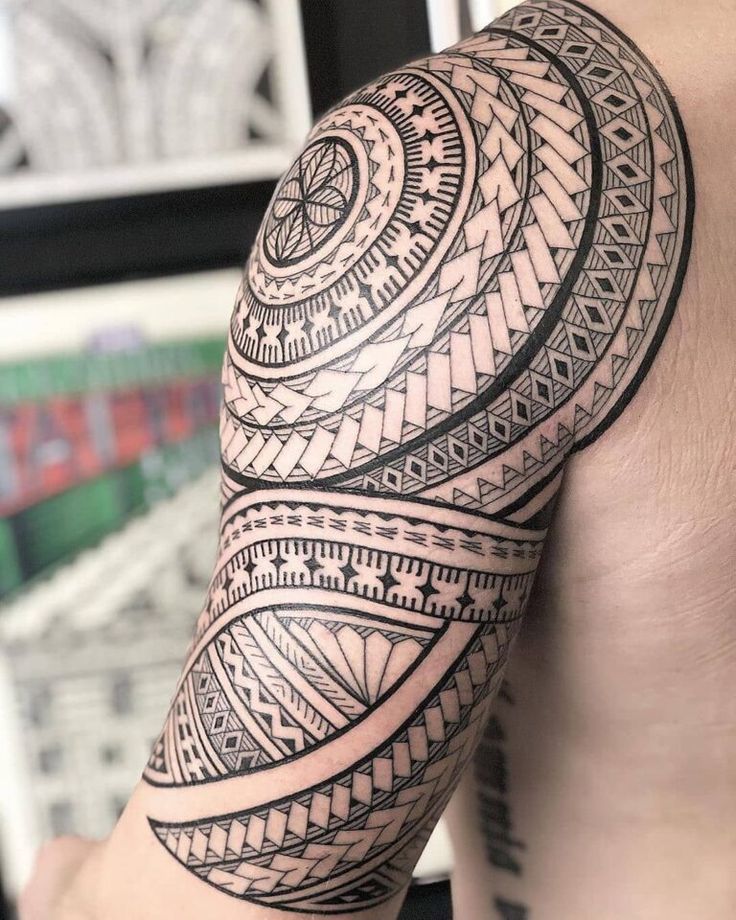
Unlike many modern tattoo styles that prioritize aesthetics alone, authentic Polynesian tattoos were traditionally created to document personal stories. Every line, pattern, and symbol held specific meaning, making each tattoo unique to its wearer. This cultural depth is precisely why Polynesian tattoos continue to fascinate tattoo enthusiasts, historians, and cultural researchers worldwide.
What Is a Polynesian Tattoo?
A Polynesian tattoo is a traditional form of body art originating from the islands of Polynesia, including Samoa, Hawaii, Tahiti, the Marquesas Islands, and New Zealand. These tattoos use symbolic geometric patterns to represent ancestry, protection, courage, spirituality, social status, and life achievements while preserving cultural identity.
Polynesian tattooing predates modern tattoo culture by centuries. Historically, tattoos were earned rather than chosen from a design catalog. The process often marked significant milestones such as reaching adulthood, becoming a warrior, establishing family lineage, or demonstrating leadership within the community.
Today, many people recognize Polynesian tattoos by their bold black patterns, repeating geometric motifs, and large-scale compositions. However, reducing them to merely “tribal tattoos” overlooks their deeper cultural purpose.
One of the most misunderstood aspects of Polynesian tattooing is that symbols rarely function independently. Traditional designs communicate meaning through the relationship between multiple symbols arranged into a cohesive narrative.
How Polynesian Tattoos Differ From Generic Tribal Tattoos
Polynesian tattoos differ from generic tribal tattoos because every pattern carries cultural, historical, and symbolic meaning. While modern tribal tattoos often prioritize visual impact, authentic Polynesian designs are intended to communicate identity, ancestry, achievements, and spiritual beliefs through carefully structured symbolism.
Many tattoo galleries categorize all black geometric tattoos as “tribal,” creating confusion among clients. In reality, Polynesian tattoo traditions have specific cultural origins and established symbolic systems.
| Polynesian Tattoo | Generic Tribal Tattoo |
|---|---|
| Rooted in cultural traditions | Primarily decorative |
| Symbol-based storytelling | Visual aesthetics focused |
| Historical significance | Often lacks cultural context |
| Personalized narratives | Frequently pre-made designs |
| Community and heritage connection | Individual artistic interpretation |
This distinction has become increasingly important as conversations about cultural appreciation and cultural appropriation continue to grow within the tattoo industry.
The Origins of the Word “Tatau” and Its Cultural Importance
The English word “tattoo” originates from the Polynesian word “tatau,” which refers to the traditional tattooing process practiced throughout many Pacific Island cultures. The term reflects both the physical act of tattooing and its ceremonial importance within society.
Traditional tattooing involved handcrafted tools made from bone, shell, turtle shell, and wood. Rather than using modern tattoo machines, artists tapped pigment beneath the skin using rhythmic hand techniques.
The sound produced during the process is widely believed to have influenced the term “tatau.” Beyond the physical procedure, receiving a tattoo often represented courage, endurance, and commitment to cultural values.
For many Polynesian communities, tattoos served as permanent records of a person’s social role, genealogy, achievements, and spiritual journey.
Why Every Authentic Polynesian Tattoo Tells a Personal Story
Authentic Polynesian tattoos function as visual biographies. Rather than selecting isolated symbols, traditional tattoo artists combine meaningful elements into a narrative that reflects an individual’s family history, values, achievements, beliefs, and aspirations.
This storytelling aspect is frequently missing from modern interpretations.
For example, two individuals may both include shark teeth within their tattoo. However, one design may symbolize protection during ocean voyages, while another represents warrior strength inherited through family lineage.
The meaning emerges not only from individual symbols but also from their placement, orientation, and relationship to surrounding patterns.
- Family lineage markers
- Protection symbols
- Ocean and navigation references
- Spiritual guardians
- Life milestones
- Community responsibilities
- Personal achievements
The History of Polynesian Tattooing Across the Pacific Islands
Polynesian tattooing developed over thousands of years across numerous Pacific Island cultures. Although sharing common roots, each region evolved distinct tattoo traditions, techniques, symbols, and social meanings that reflected local customs, beliefs, and community structures.
Archaeological evidence and oral traditions suggest tattooing was deeply integrated into daily life throughout Polynesia. Tattoos often indicated social rank, spiritual authority, family heritage, and readiness for adult responsibilities.
European explorers who encountered Polynesian communities during the eighteenth century documented extensive tattoo traditions, helping introduce the practice to the wider world.
Ancient Tattoo Traditions in Samoa
Samoa is widely regarded as one of the most influential centers of traditional Polynesian tattooing. The Samoan tattoo tradition remains among the most preserved and culturally significant tattoo practices in the Pacific region.
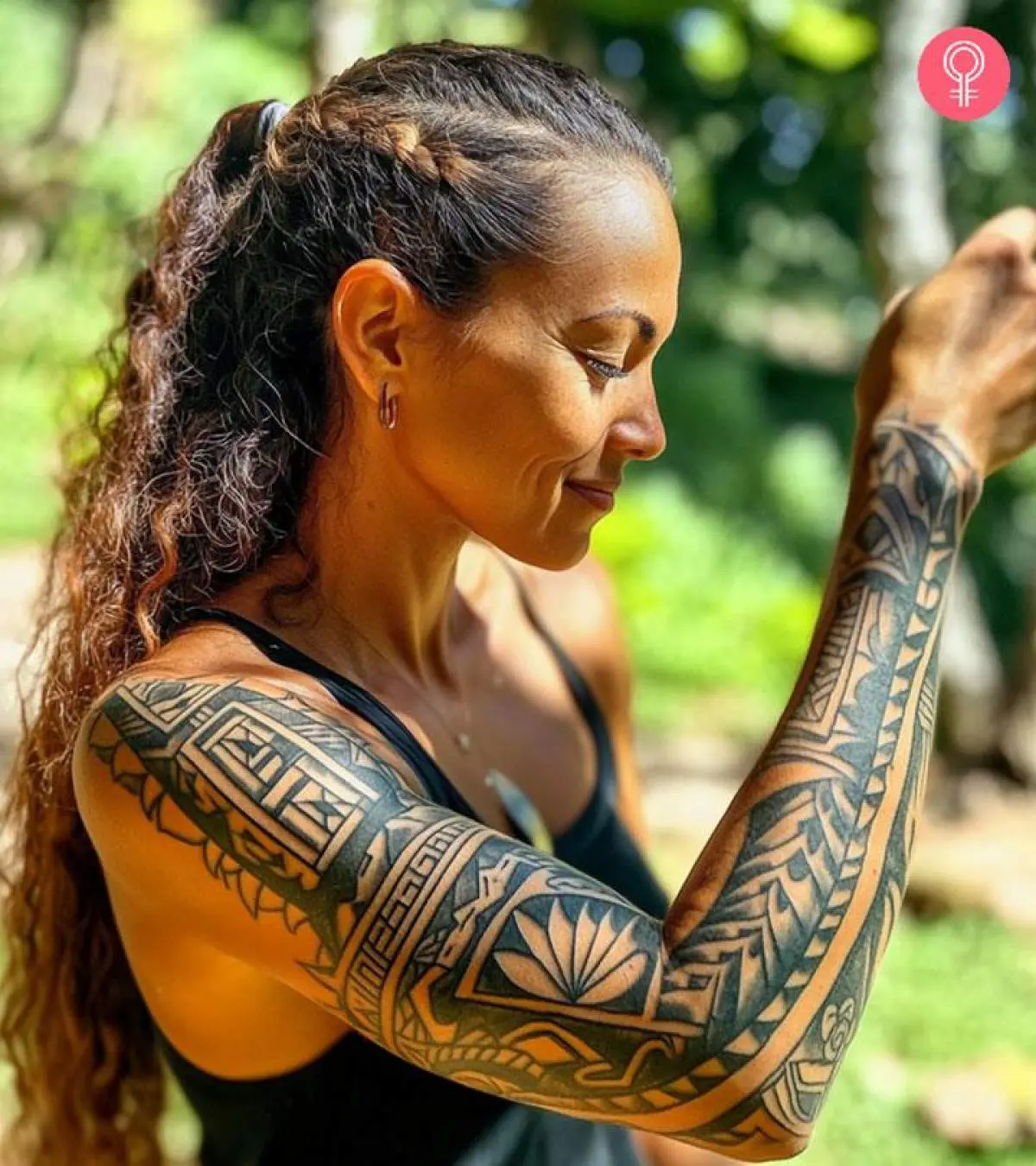
The traditional male tattoo, known as the Pe’a, covers much of the body from the waist to the knees. Receiving a Pe’a requires physical endurance and often symbolizes dedication to family, community service, and cultural responsibility.
Women traditionally receive the Malu, a more delicate tattoo pattern that reflects grace, service, and cultural participation.
Unlike many modern tattoo experiences, traditional Samoan tattooing remains connected to ceremonial customs and community recognition.
Māori Tattoo Culture and Tā Moko
Tā Moko is the traditional tattoo practice of the Māori people of New Zealand. Unlike many Polynesian tattoo styles, Tā Moko focuses heavily on genealogy, social status, ancestry, and personal identity through highly individualized facial and body markings.
Historically, facial moko served as a visual identity document. Skilled observers could interpret family lineage, achievements, tribal affiliations, and social standing by studying the patterns.
Modern Māori communities continue to preserve Tā Moko traditions while balancing cultural preservation with contemporary artistic expression.
An important distinction often overlooked online is that not all Māori-inspired tattoos qualify as authentic Tā Moko. Cultural protocols and lineage considerations remain highly significant.
Hawaiian Kakau Traditions
Traditional Hawaiian tattooing, known as Kakau, used symbolic designs to communicate protection, spirituality, ancestry, and social roles. The practice played an important role in preserving cultural identity across generations.
Common Hawaiian motifs included:
- Ocean waves
- Shark symbolism
- Geometric protective patterns
- Ancestral representations
- Nature-inspired imagery
Many contemporary Hawaiian tattoo artists actively work to revive traditional Kakau techniques and symbolism after periods of cultural suppression.
Tahitian and Marquesan Tattoo Heritage
Tahitian and Marquesan tattoo traditions are known for their intricate geometric structures and dense symbolic compositions. These styles heavily influenced many modern Polynesian tattoo designs seen today.
Marquesan tattoos, in particular, often feature highly detailed patterns representing balance, harmony, spirituality, and relationships between humans and the natural world.
The visual complexity found in Marquesan tattooing continues to inspire contemporary artists specializing in large-scale sleeves, back pieces, and full-body compositions.
Are All Polynesian Tattoos the Same?
No. Polynesian tattoos share common cultural foundations, but Samoan, Māori, Hawaiian, Tahitian, and Marquesan traditions each possess distinct symbols, meanings, artistic styles, and cultural protocols that should not be treated as interchangeable.
This misconception is one of the most common issues within modern tattoo culture.
For example:
- Samoan tattoos emphasize social responsibility and community identity.
- Māori tattoos prioritize genealogy and individual identity.
- Marquesan designs frequently explore spiritual balance.
- Hawaiian tattoos often emphasize ancestry and protection.
- Tahitian tattoos commonly incorporate natural and oceanic symbolism.
Understanding these distinctions helps ensure cultural respect while creating a more meaningful tattoo design.
What Do Polynesian Tattoos Mean?
Polynesian tattoos symbolize identity, ancestry, protection, strength, courage, spirituality, family, achievements, and connection to nature. Rather than relying on a single symbol, most authentic designs combine multiple elements that collectively communicate an individual’s life story and values.
The meaning of a Polynesian tattoo depends on several factors:
- Symbol selection
- Pattern arrangement
- Body placement
- Cultural origin
- Personal narrative
Many first-time clients focus on finding “the symbol for strength” or “the symbol for family.” However, experienced Polynesian tattoo artists generally approach design creation as a storytelling exercise rather than a symbol-shopping process.
Core Themes Found in Most Designs
Most Polynesian tattoos revolve around recurring themes such as family, protection, courage, spirituality, resilience, achievement, and respect for ancestry. These themes form the foundation upon which more personalized symbolic narratives are built.
Family and Ancestry
Family represents one of the most important themes throughout Polynesian cultures. Many tattoo designs include symbols intended to honor parents, grandparents, descendants, and ancestral heritage.
These elements often communicate belonging, responsibility, continuity, and respect for previous generations.
Strength and Courage
Warrior traditions strongly influence many Polynesian tattoo motifs. Symbols associated with strength often represent perseverance, resilience, leadership, determination, and overcoming adversity.
Importantly, strength is not always interpreted as physical power. In many cultural contexts, it also refers to emotional resilience and dedication to community responsibilities.
Protection and Guidance
Protective symbols appear throughout Polynesian tattooing. These patterns may represent spiritual guardians, ancestral protection, safe travel, or guidance through life’s challenges.
Ocean voyaging cultures frequently incorporated protective symbolism due to the risks associated with long-distance navigation.
Spirituality and Identity
Many traditional designs express a person’s relationship with spiritual beliefs, community values, and personal identity. These elements often connect physical experiences with broader cultural and spiritual frameworks.
How Symbol Meanings Change Through Placement and Combination
The meaning of Polynesian symbols often changes depending on where they appear and which symbols surround them. This layered symbolism is one of the most sophisticated aspects of traditional Polynesian tattoo design.
For example, a turtle symbol placed alongside family-related motifs may emphasize lineage and protection. The same turtle integrated with ocean patterns may represent navigation, guidance, and life’s journey.
Expert tattoo artists rarely design authentic Polynesian tattoos by simply assembling popular symbols. Instead, they create interconnected visual narratives that evolve as symbols interact with one another.
This storytelling methodology will become even more important when examining individual Polynesian tattoo symbols and their meanings in the next section.
Lucky Tattoo, a professional tattoo artist, has over 10 years of experience in the art of tattooing in Ho Chi Minh City. Lucky Tattoo Studio was founded in 2014 by skilled and kind artists. All tattoos are provided in a clean, strictly controlled, and friendly environment.
Polynesian Tattoo Symbols and Their Meanings
Polynesian tattoo symbols represent specific concepts such as protection, strength, family, guidance, spirituality, and achievement. However, authentic interpretation requires understanding both individual symbolism and how symbols function together within a larger narrative rather than viewing them as isolated icons.
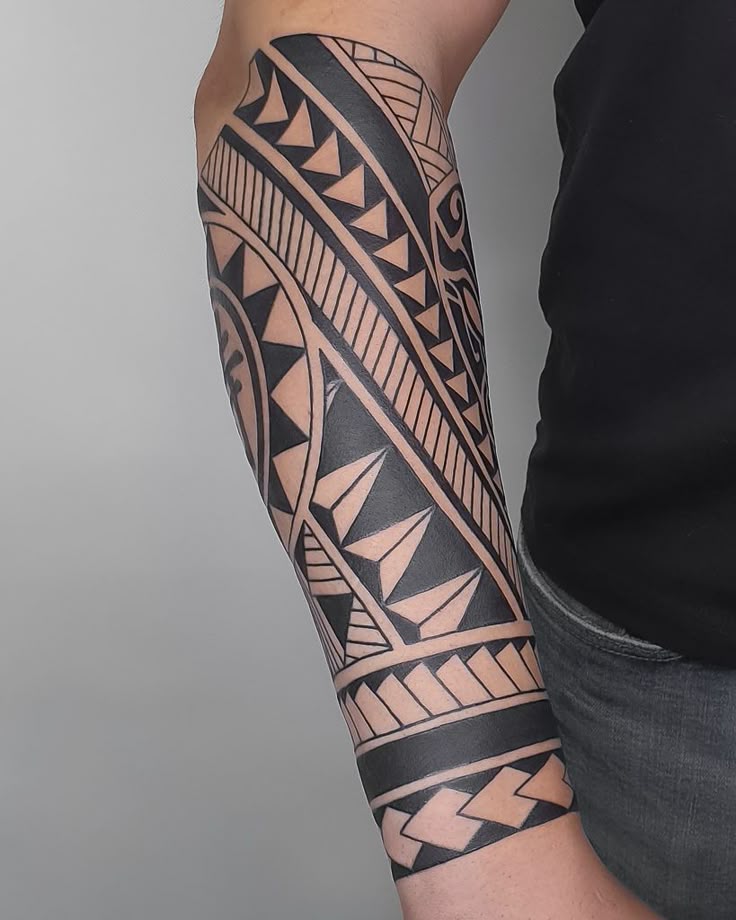
One of the most common mistakes people make is choosing symbols based solely on internet lists. Traditional Polynesian artists often begin by understanding a client’s personal story before selecting symbolic elements.
Shark Teeth Symbol (Niho Mano)
Shark teeth are among the most recognized Polynesian tattoo symbols. They traditionally represent strength, protection, adaptability, leadership, and survival, reflecting the shark’s respected role within many Pacific Island cultures.
In Hawaiian and Polynesian traditions, sharks were often viewed as powerful guardians. Modern tattoo wearers frequently choose shark teeth motifs to symbolize resilience through adversity or the ability to navigate difficult circumstances.
Turtle Symbol (Honu)
The turtle symbolizes family, longevity, protection, navigation, and connection to ancestral wisdom. It is one of the most versatile and widely respected symbols throughout Polynesian tattoo traditions.
The Honu occupies a special place in many Polynesian cultures due to its long lifespan and strong connection to the ocean. It is frequently incorporated into designs honoring family relationships and life journeys.
Spearhead Symbol
Spearhead patterns commonly represent courage, warrior spirit, determination, and protection. They often appear in tattoos commemorating personal growth, achievement, or the ability to overcome significant challenges.
Contrary to popular belief, spearheads do not exclusively symbolize aggression. In many traditional contexts, they also reflect responsibility, discipline, and commitment to community wellbeing.
Enata Symbol
The Enata symbol represents people, ancestors, relationships, and social connections. It frequently appears in designs intended to honor family members, communities, and important personal relationships.
Depending on placement and orientation, Enata figures may signify living relatives, ancestral guidance, or protective spiritual influences.
Sun Symbol
The sun typically symbolizes life, renewal, abundance, leadership, and continuity. It is often associated with positive transformation and personal development.
Many contemporary Polynesian tattoos use sun motifs to represent new beginnings, major life transitions, or personal achievements.
Ocean and Wave Patterns
Ocean patterns represent life, change, exploration, adaptability, and connection to nature. Because Polynesian cultures developed across oceanic environments, these symbols carry profound historical and spiritual significance.
Ocean motifs frequently appear in designs celebrating travel, growth, perseverance, and respect for natural forces.
Lizard and Gecko Symbols
Lizard symbols are often associated with protection, spiritual awareness, intuition, and communication with unseen forces. In some traditions, geckos are viewed as messengers connecting the physical and spiritual worlds.
These symbols should be used thoughtfully because interpretations vary significantly between Polynesian regions.
Stingray Symbol
The stingray commonly symbolizes protection, stealth, grace, adaptability, and defense. Its natural ability to move efficiently while remaining protected makes it a popular symbol within modern Polynesian compositions.
Many artists incorporate stingray elements for individuals who value resilience, composure, and strategic thinking.
How Master Artists Combine Symbols Into Personal Narratives
Experienced Polynesian tattoo artists rarely build designs around a single symbol. Instead, they combine multiple motifs to create a cohesive narrative that reflects a person’s identity, values, achievements, and life experiences.
For example:
- Shark teeth + spearheads = strength and leadership
- Turtle + ocean waves = family journey and protection
- Enata + sun = family legacy and personal growth
- Ocean + stingray = adaptability and resilience
This narrative approach is one of the most important distinctions between authentic Polynesian tattooing and generic decorative tribal artwork.
Understanding the Different Styles of Polynesian Tattoos
Polynesian tattooing includes multiple regional traditions, each with distinct artistic conventions, symbolism, cultural protocols, and historical significance. Understanding these differences helps individuals choose designs that are both meaningful and culturally respectful.
Samoan Tattoos
Samoan tattooing emphasizes service, community responsibility, endurance, and social identity. Traditional Pe’a and Malu designs remain among the most culturally preserved tattoo traditions in the Pacific.
These tattoos often involve extensive geometric structures that communicate commitment to family and cultural obligations.
Māori Tā Moko
Māori Tā Moko focuses heavily on genealogy, ancestry, social identity, and personal history. Unlike many Polynesian styles, facial tattooing has historically played a particularly important role.
Experts frequently caution against copying traditional Tā Moko patterns without cultural understanding because many designs carry lineage-specific meanings.
Hawaiian Tattoos
Traditional Hawaiian tattoos emphasize ancestry, protection, spirituality, and connection to nature. Oceanic symbolism and family-related motifs are particularly common.
Many modern Hawaiian tattoo practitioners actively participate in cultural revitalization efforts that preserve traditional Kakau practices.
Tahitian Tattoos
Tahitian tattoo styles often feature highly detailed geometric arrangements reflecting harmony, protection, social identity, and spiritual beliefs.
These designs frequently incorporate natural elements alongside abstract symbolic structures.
Marquesan Tattoos
Marquesan tattoos are known for intricate compositions, dense pattern work, and sophisticated symbolic systems that communicate balance, ancestry, spirituality, and personal identity.
Many contemporary large-scale Polynesian tattoo sleeves draw inspiration from Marquesan artistic traditions.
Choosing the Right Style for Your Story
The best Polynesian tattoo style depends on cultural connection, symbolic goals, personal values, and artistic preferences rather than aesthetics alone.
Professional artists often recommend beginning with personal storytelling before discussing visual design. This approach typically produces more meaningful and authentic results than selecting patterns based solely on appearance.
Polynesian Tattoo Placement Guide
Placement significantly influences both the visual impact and symbolic interpretation of Polynesian tattoos. Traditional Polynesian cultures often assigned meaning to specific body areas, making placement an important design consideration beyond aesthetics.
Polynesian Sleeve Tattoos
Sleeve tattoos provide extensive space for storytelling, allowing artists to incorporate multiple symbols, family narratives, achievements, and protective motifs into a cohesive composition.
They remain one of the most popular choices for modern Polynesian tattoo collectors.
Forearm Tattoos
Forearm placements offer strong visibility while accommodating medium-sized symbolic compositions. They are commonly chosen for designs emphasizing personal values, achievements, or protective symbolism.
Hand Tattoos
Hand tattoos create highly visible statements but require careful consideration because professional environments may impose restrictions. Traditional meanings often relate to action, capability, and responsibility.
Chest Tattoos
Chest placements frequently symbolize family, spirituality, emotional strength, and personal identity because of their proximity to the heart.
Many family-centered Polynesian designs are positioned on the chest for this reason.
Leg and Calf Tattoos
Leg tattoos often symbolize movement, progress, travel, endurance, and life’s journey. They provide ample space for complex geometric storytelling.
Back Tattoos
The back offers the largest canvas available for extensive Polynesian compositions. Traditional interpretations sometimes associate back tattoos with protection, strength, and carrying one’s legacy.
Traditional Body Placement Meanings
Many modern tattoo clients are unaware that traditional Polynesian cultures often assigned symbolic importance to different body regions. Placement could influence interpretation as much as the symbols themselves.
| Body Area | Traditional Association |
|---|---|
| Head | Spirituality and wisdom |
| Chest | Family and emotions |
| Arms | Strength and action |
| Hands | Skill and responsibility |
| Legs | Movement and progress |
| Back | Protection and resilience |
Can Non-Polynesians Get a Polynesian Tattoo?
Yes, non-Polynesians can get Polynesian-inspired tattoos, but doing so respectfully requires understanding cultural significance, avoiding sacred or lineage-specific designs, and working with knowledgeable artists who appreciate the traditions behind the symbolism.
Cultural Appreciation vs Cultural Appropriation
Cultural appreciation involves learning, respecting, and honoring traditions. Cultural appropriation occurs when cultural elements are copied without understanding, permission, or respect for their original context.
Many Polynesian artists encourage education and respectful engagement rather than simple imitation.
What Indigenous Artists Often Recommend
Many Indigenous tattoo practitioners recommend creating personalized designs inspired by Polynesian principles rather than directly copying traditional tattoos belonging to specific cultural groups or families.
- Learn the history first
- Avoid copying sacred patterns
- Work with experienced artists
- Understand symbol meanings
- Respect cultural origins
Common Mistakes People Make
The most frequent mistakes include choosing symbols solely for aesthetics, copying designs from social media, ignoring cultural context, and assuming all Polynesian tattoo traditions are interchangeable.
These errors often diminish the meaningful storytelling central to authentic Polynesian tattooing.
Real-World Examples of Respectful Design Choices
Successful modern designs often incorporate universal themes such as family, resilience, personal growth, and life achievements while avoiding culturally restricted imagery.
Experienced artists can create original compositions that respect tradition without replicating culturally sensitive designs.
How Authentic Polynesian Tattoos Are Designed
Authentic Polynesian tattoos are typically developed through a collaborative storytelling process. Rather than selecting random symbols, artists translate personal experiences, values, relationships, and goals into visual narratives using culturally appropriate symbolic systems.
The Consultation Process
A professional consultation often explores family history, personal milestones, spiritual beliefs, achievements, aspirations, and symbolic preferences before any drawing begins.
This process helps ensure the final tattoo has meaningful personal relevance.
Building a Symbolic Narrative
Artists combine symbols strategically to communicate a coherent story. The design functions as an integrated composition rather than a collection of unrelated motifs.
Experienced practitioners often spend considerable time refining symbolism before creating final artwork.
Combining Heritage, Life Experiences, and Values
Strong Polynesian-inspired designs often reflect important relationships, personal achievements, future goals, and defining life experiences while maintaining cultural respect.
This storytelling approach contributes significantly to long-term satisfaction with the tattoo.
How Master Artists Translate Stories Into Symbol Systems
The most skilled Polynesian tattoo artists act as visual storytellers. They identify recurring themes within a person’s experiences and transform them into symbolic structures that remain meaningful throughout life.
A common trait among exceptional Polynesian tattoo designs is that they become more meaningful over time because they represent lived experiences rather than temporary trends.
Polynesian Tattoo Pain, Cost, and Healing Process
Pain levels, pricing, and healing timelines vary according to placement, tattoo size, artist experience, and individual physiology. Understanding these practical factors helps clients make informed decisions and avoid common post-tattoo complications.
Pain Levels by Placement
Areas with thinner skin, higher nerve density, or proximity to bone generally produce greater discomfort. Hands, ribs, elbows, and knees are commonly reported as more painful locations.
Average Pricing Factors
Polynesian tattoos often require substantial design planning and technical precision. Pricing typically reflects artist expertise, customization requirements, session length, and design complexity.
Choosing solely based on price frequently results in lower-quality outcomes.
Healing Timeline
Most tattoos experience initial healing within two to four weeks, although deeper skin recovery may continue for several months.
- Days 1-7: Redness and sensitivity
- Days 7-14: Peeling and itching
- Weeks 2-4: Surface recovery
- Months 1-3: Deeper skin restoration
Tattoo Aftercare Best Practices
Proper aftercare reduces infection risk, improves pigment retention, and supports healthy healing outcomes.
- Follow artist instructions carefully
- Keep the area clean
- Avoid excessive sun exposure
- Do not pick peeling skin
- Stay hydrated
- Use recommended moisturizers
Common Misconceptions About Healing
Many people incorrectly assume tattoos are fully healed once peeling ends. In reality, deeper skin layers continue recovering long after surface symptoms disappear.
Ignoring aftercare recommendations during this phase can negatively affect long-term appearance.
Frequently Asked Questions About Polynesian Tattoos
What does a Polynesian tattoo symbolize?
Polynesian tattoos commonly symbolize family, ancestry, protection, strength, courage, spirituality, achievement, and personal identity through interconnected symbolic narratives.
Can non-Polynesians respectfully get Polynesian tattoos?
Yes. Respectful engagement involves understanding cultural significance, avoiding sacred designs, and working with artists who appreciate Polynesian traditions.
What is the difference between Polynesian tattoos and tribal tattoos?
Authentic Polynesian tattoos are rooted in specific cultural traditions and symbolic systems, whereas generic tribal tattoos often focus primarily on visual aesthetics.
Which Polynesian symbols represent family?
Turtle symbols, Enata figures, ancestral motifs, and certain lineage-related patterns are frequently associated with family, relationships, and heritage.
How much does a Polynesian tattoo cost?
Pricing varies widely based on artist experience, design complexity, size, location, and customization. Large narrative-based designs typically require a higher investment.
Are Polynesian tattoos considered sacred?
Some traditional Polynesian tattoos carry significant cultural, spiritual, and ancestral importance. Certain patterns may have restrictions depending on cultural context.
How do artists create personalized Polynesian tattoos?
Professional artists typically conduct consultations, gather personal stories, identify key themes, and translate those experiences into symbolic visual narratives.
Which placement is best for a Polynesian tattoo?
The ideal placement depends on symbolic goals, design size, visibility preferences, pain tolerance, and personal significance rather than aesthetics alone.
Key Takeaways: What Every Future Polynesian Tattoo Owner Should Know
Polynesian tattoos represent one of the richest and most sophisticated tattoo traditions in the world. Their value lies not merely in visual beauty but in their ability to communicate identity, ancestry, resilience, family connections, achievements, and personal stories through carefully constructed symbolic systems.
The most meaningful Polynesian tattoos are rarely chosen from pre-made galleries. Instead, they emerge from a thoughtful process that combines cultural understanding, personal storytelling, artistic expertise, and respect for tradition.
- Research cultural origins before selecting symbols.
- Prioritize meaning over aesthetics alone.
- Work with experienced tattoo artists.
- Avoid copying sacred or lineage-specific designs.
- Understand regional differences among Polynesian traditions.
- Invest in proper aftercare and long-term maintenance.
- Create a tattoo that reflects your authentic story.
Whether inspired by Samoan, Māori, Hawaiian, Tahitian, or Marquesan traditions, a well-designed Polynesian tattoo can become a lasting visual record of personal values, achievements, relationships, and life’s journey while honoring one of humanity’s most respected tattoo traditions.
Lucky Tattoo, a professional tattoo artist, has over 10 years of experience in the art of tattooing in Ho Chi Minh City. Lucky Tattoo Studio was founded in 2014 by skilled and kind artists. All tattoos are provided in a clean, strictly controlled, and friendly environment.
polynesian-tattoo