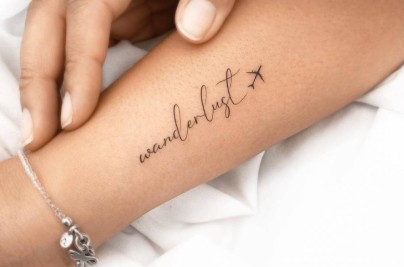
What Is an Upper Arm Tattoo?
An upper arm tattoo is body art placed on the bicep or surrounding upper arm area, typically between the shoulder and elbow. This placement is popular due to its balance of visibility and concealability, moderate pain levels, and flexibility for both small symbolic designs and large-scale compositions like half sleeves or realism portraits.
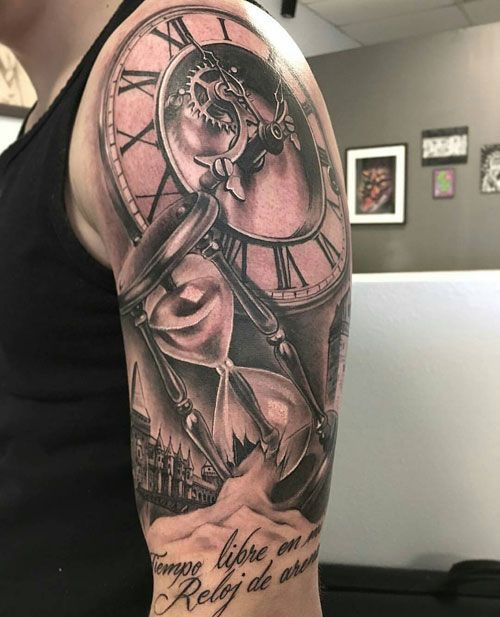
Why the Upper Arm Is One of the Most Popular Tattoo Placements
The upper arm is widely chosen because it offers a versatile canvas that adapts well to both subtle and bold designs. From a professional standpoint, it allows easy concealment in formal settings while still enabling expression in casual environments. Artists also prefer this area because the skin texture and muscle structure support long-lasting ink clarity compared to more mobile body parts.
Information Gain Insight: Unlike wrists or ankles, the upper arm experiences less environmental friction, meaning tattoos here typically age slower and maintain sharper outlines over time—especially when protected from UV exposure.
Common Misconceptions About Upper Arm Tattoos
Many people assume upper arm tattoos always remain highly visible or that they distort quickly with muscle growth. In reality, most distortion only occurs with extreme body composition changes or poorly planned designs. Another misconception is that all upper arm tattoos are equally painful, when in fact pain varies significantly between inner and outer arm regions.
Expert Observation: Tattoo artists often report that first-time clients overestimate pain and underestimate long-term fading risks from sun exposure, which is actually the leading cause of visible aging in arm tattoos.
Upper Arm Tattoo Pain Level Explained
Upper arm tattoo pain is generally considered low to moderate because the area contains significant muscle and fat cushioning. However, pain perception changes depending on placement zone, needle depth, and individual sensitivity. Inner arm regions tend to feel sharper discomfort due to thinner skin and higher nerve concentration compared to the outer bicep.
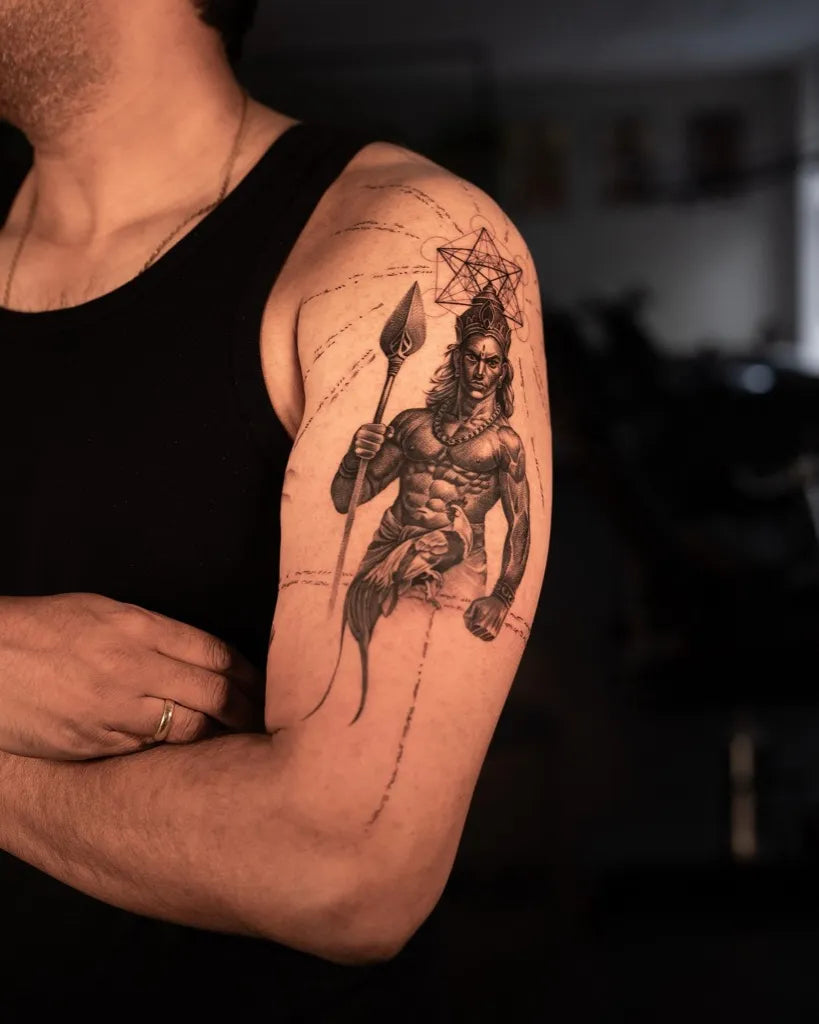
Inner vs Outer Arm Pain Differences
Pain levels differ noticeably between the inner and outer upper arm. The outer bicep is more muscular and padded, making it one of the least painful tattoo zones. In contrast, the inner arm has thinner skin and more nerve endings, which increases sensitivity. This distinction is critical when planning larger or detailed designs.
Practical Recommendation: Experienced tattoo artists often start large pieces on the outer arm first to help clients adjust to the sensation before moving into more sensitive inner areas.
How Muscle Structure Influences Tattoo Comfort
Muscle density plays a major role in how tattoo pain is experienced. The upper arm’s bicep and tricep muscles act as natural buffers, reducing needle impact intensity. However, highly athletic individuals may experience slightly sharper sensations due to reduced fat cushioning compared to average body compositions.
Information Gain Insight: Pain perception is not static—hydration levels, sleep quality, and stress significantly influence how the nervous system responds during tattoo sessions.
Real-World Pain Management Strategies Used by Professionals
Professional tattoo artists often recommend structured breaks, controlled breathing techniques, and shorter initial sessions for beginners. Many also schedule larger tattoos in multiple sittings to prevent sensory overload and improve ink consistency across healing phases.
Safety Note: Overextended sessions can increase skin trauma, leading to uneven healing and higher risk of scabbing or pigment loss.
Best Upper Arm Tattoo Ideas and Design Directions
Upper arm tattoo design choices vary widely, from minimalist symbols to full realism portraits. The best designs are those that align with muscle flow, personal meaning, and long-term aesthetic goals. Placement direction (front, side, or back of arm) significantly affects how the design interacts with movement and visibility.
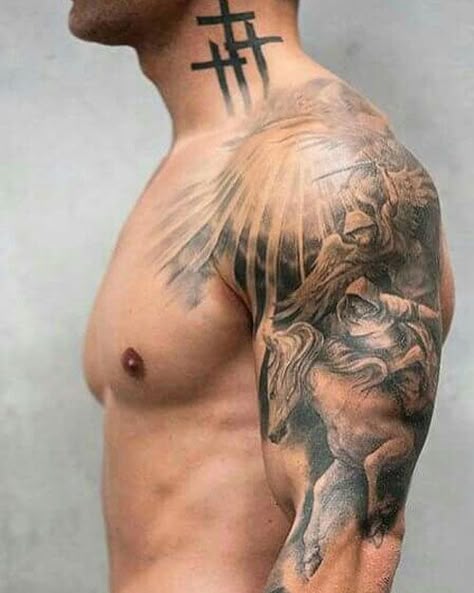
Minimalist Upper Arm Tattoos for First-Time Clients
Minimalist tattoos are often the safest entry point for upper arm ink because they require less healing time and carry lower regret risk. Simple geometric shapes, initials, or symbolic icons work well due to the arm’s natural contour and visibility flexibility.
Expert Insight: Minimalist designs age better visually when placed on the outer bicep, where skin movement is less pronounced over time.
Tribal and Cultural Tattoo Styles
Tribal designs remain one of the most structurally compatible styles for the upper arm due to their flow-based composition. These patterns are designed to follow muscle lines, enhancing the natural shape of the arm while maintaining visual continuity during movement.
Information Gain Insight: Many traditional tribal systems were originally developed with body anatomy in mind, making them more structurally resilient than modern decorative patterns.
Realism and Portrait Tattoo Considerations
Realism tattoos on the upper arm require high technical skill and careful planning due to shading complexity and long-term aging factors. While visually striking, they are more sensitive to fading and require experienced artists familiar with light, contrast, and skin tone adaptation.
Practical Warning: Poorly executed realism tattoos degrade faster visually, especially if placed in high-sun-exposure zones without proper aftercare.
Upper Arm Tattoo Cost Breakdown and Value Factors
Lucky Tattoo, a professional tattoo artist, has over 10 years of experience in the art of tattooing in Ho Chi Minh City. Lucky Tattoo Studio was founded in 2014 by skilled and kind artists. All tattoos are provided in a clean, strictly controlled, and friendly environment.
What Determines the Price of an Upper Arm Tattoo?
The cost of an upper arm tattoo is determined by several interconnected factors including design complexity, session duration, and the artist’s skill level. Highly detailed work such as realism portraits or black-and-grey shading requires more time and precision, significantly increasing the price compared to minimalist or line-based tattoos.
Information Gain Insight: Many clients underestimate that pricing is often time-based rather than size-based—two tattoos of similar dimensions can differ drastically in cost due to shading density and technical difficulty.
Studio vs High-End Artist Pricing Differences
Studios with established reputations or internationally recognized artists typically charge premium rates due to demand, portfolio quality, and hygiene certifications. Independent or newer artists may offer lower pricing but require careful portfolio evaluation to ensure consistency and safety standards.
Expert Recommendation: Prioritize healed tattoo results in portfolios, not just freshly inked images, as they reveal true ink retention quality and long-term performance.
Upper Arm Tattoo Healing Process and Aftercare Guide
Upper arm tattoo healing typically takes 2–3 weeks for surface recovery and up to 6 weeks for full dermal stabilization. Proper aftercare is essential to prevent infection, color fading, and patchy healing. The upper arm generally heals well due to good blood circulation and limited friction compared to joints.
Biological Stages of Tattoo Healing
Tattoo healing progresses through inflammation, peeling, and regeneration phases. Initially, the skin appears red and sensitive as the immune system reacts. This is followed by peeling and scabbing, where excess ink and damaged skin shed naturally. Finally, the dermis stabilizes and pigment settles into a permanent layer beneath the epidermis.
Information Gain Insight: Overwashing or over-moisturizing during early healing stages is one of the most common causes of pigment loss, yet it is rarely emphasized in beginner guides.
Common Healing Mistakes and How to Avoid Them
Many first-time clients damage their tattoos by exposing them to sunlight too early, picking scabs, or using non-recommended skincare products. These actions disrupt pigment stabilization and can permanently affect design clarity, especially in shaded or gradient-heavy tattoos.
Practical Warning: Even short UV exposure during the first two weeks can significantly increase fading risk in upper arm tattoos due to active skin regeneration.
Dermatology-Informed Aftercare Recommendations
Dermatologists and professional tattoo artists recommend gentle cleansing with fragrance-free soap, applying thin layers of approved healing ointments, and avoiding tight clothing that causes friction. Maintaining clean, breathable skin conditions is essential for preventing bacterial infections during early healing stages.
Expert consensus from dermatology associations such as the American Academy of Dermatology emphasizes that controlled moisture balance—not excessive hydration—is key to optimal tattoo recovery.
Upper Arm Tattoo Longevity and Aging Factors
Upper arm tattoo longevity depends on sun exposure, skin elasticity, movement frequency, and ink quality. While the upper arm is generally one of the more stable tattoo locations, improper care or excessive UV exposure can lead to fading, blurring, and reduced contrast over time, especially in detailed designs.
How Movement and Muscle Growth Affect Tattoo Distortion
Upper arm tattoos are influenced by muscle flexing and long-term body composition changes. Moderate muscle growth typically enhances tattoo appearance by stretching designs evenly, while extreme fluctuations in weight or muscle mass can distort proportions, particularly in highly detailed realism or portrait work.
Information Gain Insight: Outer bicep tattoos tend to retain shape better over time than inner arm tattoos due to lower skin fold stress during movement.
Sun Exposure and Ink Fading Risks
UV exposure is the leading external cause of tattoo fading. Upper arm tattoos are especially vulnerable during summer or outdoor activities when sleeves are not worn. Black and grey designs tend to fade slower than colored tattoos but still require consistent sun protection to maintain contrast and detail sharpness.
Expert Recommendation: Broad-spectrum SPF protection is one of the most effective long-term maintenance tools for preserving tattoo vibrancy.
Long-Term Maintenance Strategy for Upper Arm Tattoos
Maintaining an upper arm tattoo requires periodic skin hydration, sun protection, and occasional touch-ups depending on ink quality and exposure conditions. High-quality tattoos may require minimal maintenance, while complex color or realism pieces often benefit from refresh sessions every few years.
Practical Insight: Artists often advise scheduling a check-in session 12–18 months after completion to assess fading patterns and plan minor enhancements if necessary.
Choosing the Right Tattoo Artist for Upper Arm Work
Choosing the right tattoo artist is one of the most critical decisions affecting upper arm tattoo quality, safety, and longevity. The ideal artist should demonstrate strong portfolio consistency, specialization in your chosen style, and adherence to strict hygiene protocols within a certified studio environment.
How to Evaluate a Tattoo Artist’s Portfolio Effectively
A strong tattoo portfolio should include healed work, multiple angles, and style consistency across different clients. This provides insight into how designs age over time rather than just how they appear immediately after completion.
Information Gain Insight: Many high-risk tattoo regrets stem from choosing artists based on social media highlights rather than verified healed results.
Hygiene Standards and Safety Indicators in Studios
Professional tattoo studios maintain strict sterilization procedures including single-use needles, disposable gloves, and medical-grade surface cleaning. These practices significantly reduce infection risks and ensure compliance with health regulations.
Safety Warning: Studios that reuse ink caps or fail to open sterile equipment in front of clients should be avoided immediately.
Red Flags to Avoid When Selecting an Artist
Warning signs include inconsistent line work, lack of healed examples, refusal to discuss aftercare, and unclear pricing structures. These indicators often reflect limited experience or poor professional standards.
Expert Insight: A reputable tattoo artist will prioritize design suitability and long-term durability over simply agreeing to client requests without critique.
Frequently Asked Questions (FAQ)
How long does an upper arm tattoo take to heal?
Most upper arm tattoos heal within 2–3 weeks on the surface, but full skin recovery may take up to 6 weeks depending on size and aftercare quality.
Is the upper arm a good place for a first tattoo?
Yes, it is ideal due to moderate pain levels, flexible design options, and easy concealment in professional settings.
Do upper arm tattoos stretch or distort over time?
Minimal distortion occurs unless there are extreme changes in muscle size or body weight. Proper placement minimizes long-term distortion risks.
What tattoo styles work best on the upper arm?
Realism, tribal, geometric, minimalist, and black-and-grey styles perform exceptionally well due to the arm’s natural structure and visibility flexibility.
How can I prevent my upper arm tattoo from fading?
Consistent use of sunscreen, proper moisturizing, and avoiding excessive sun exposure significantly reduce fading over time.
Are upper arm tattoos painful compared to other areas?
They are generally less painful than ribs or joints due to muscle cushioning, though inner arm areas can feel more sensitive.
Conclusion
Upper arm tattoos remain one of the most versatile and beginner-friendly placements due to their balance of aesthetics, comfort, and long-term adaptability. When properly designed and maintained, they offer strong visual impact while aging gracefully, making them a preferred choice for both first-time clients and experienced tattoo collectors.
Lucky Tattoo, a professional tattoo artist, has over 10 years of experience in the art of tattooing in Ho Chi Minh City. Lucky Tattoo Studio was founded in 2014 by skilled and kind artists. All tattoos are provided in a clean, strictly controlled, and friendly environment.
upper-arm-tattoo