What does a lotus flower tattoo mean?
A lotus flower tattoo symbolizes spiritual awakening, resilience, and transformation across multiple cultures and belief systems. It is widely chosen by individuals who have overcome emotional struggle or life challenges. The lotus grows in muddy water yet blooms clean and beautiful, making it a powerful visual metaphor for personal growth and inner strength.
Buddhist meaning of lotus flower tattoos
In Buddhism, a lotus flower tattoo represents enlightenment, purity of mind, and liberation from suffering. It is often associated with meditation practices and the journey toward Nirvana. Different bloom stages symbolize spiritual progress, where an unopened bud reflects potential and a fully open lotus represents complete awakening and wisdom.
Hindu meaning of lotus symbolism in tattoos
In Hindu tradition, the lotus is deeply connected to divine beauty, creation, and prosperity. It is associated with deities such as Lakshmi and Brahma, symbolizing purity emerging from chaos. A lotus tattoo in this context often reflects spiritual devotion, cosmic balance, and the idea of maintaining inner clarity despite external challenges.
Information Gain: Life-stage transformation model of lotus tattoos
One overlooked perspective in tattoo symbolism is mapping lotus imagery to emotional life stages. A closed bud represents survival during hardship, a partially open bloom reflects recovery and healing, and a fully open lotus signifies self-acceptance and transformation. This model helps individuals choose designs that reflect their personal growth journey rather than generic symbolism.
Lotus flower tattoo designs and styles explained
Lotus flower tattoo designs vary widely in artistic expression, ranging from minimal fine-line work to intricate mandala compositions. Each style communicates a different emotional tone and aesthetic identity. Choosing the right design depends on personal meaning, placement, and how visible or detailed you want the tattoo to be over time as it naturally ages on the skin.
Minimalist and fine line lotus tattoos
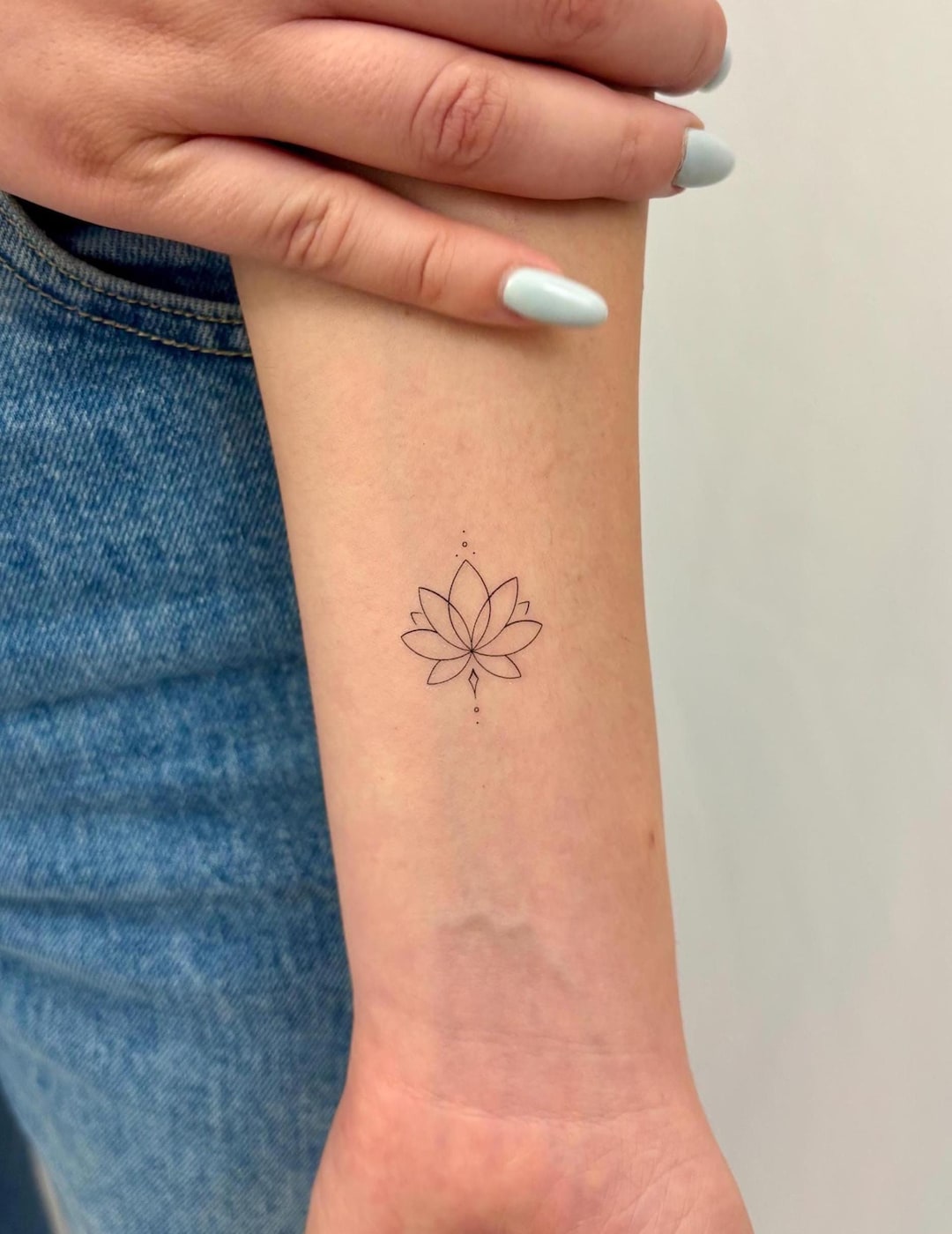
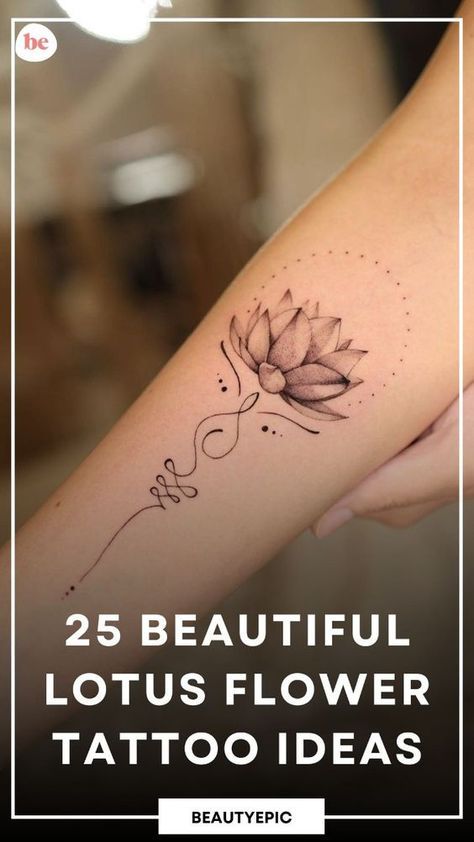
Minimalist lotus tattoos use thin, precise lines to create a subtle and elegant design that works well for first-time tattoos or professional environments. These tattoos are often placed on the wrist, collarbone, or ankle. While visually delicate, they require skilled artists because fine lines can blur over time if not executed properly.
Mandala lotus tattoo designs
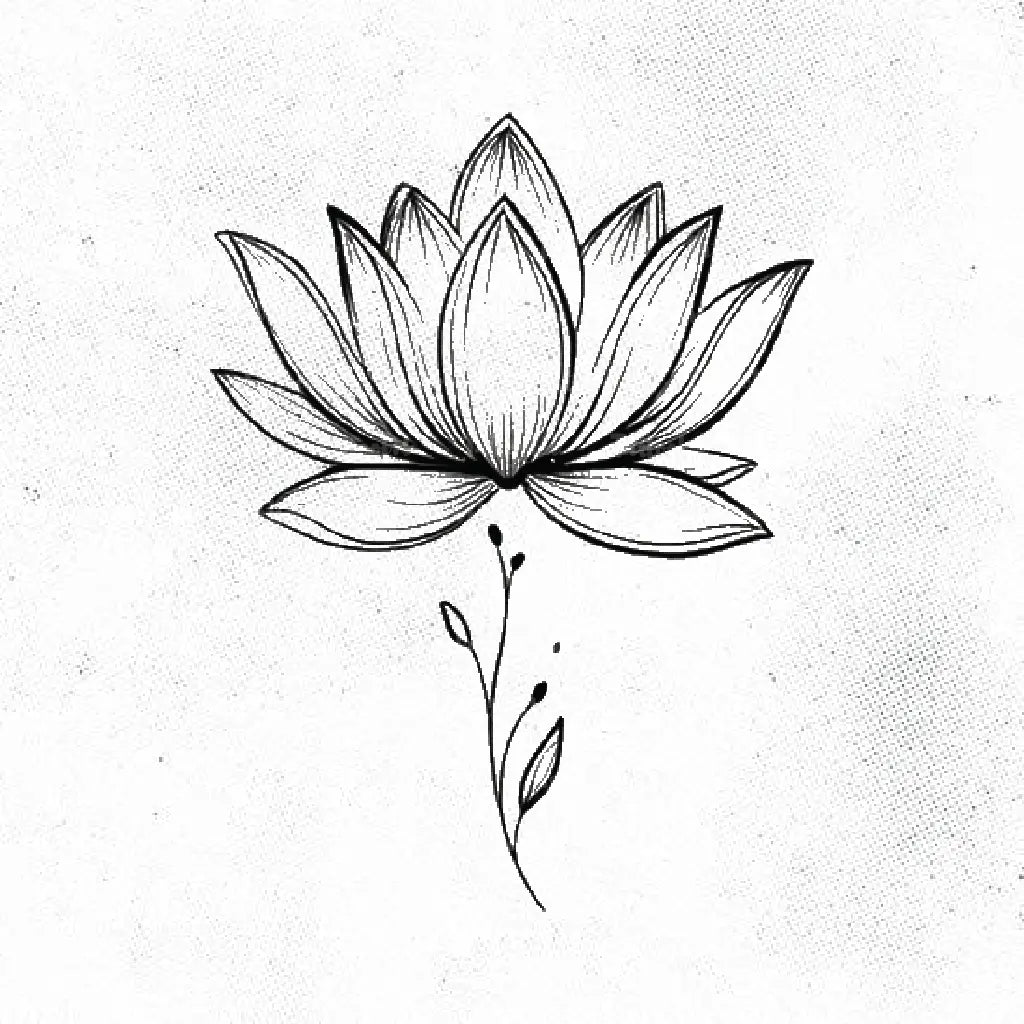
Mandala lotus tattoos combine geometric symmetry with spiritual symbolism, creating highly detailed patterns that represent balance and unity. These designs are popular among individuals drawn to meditation and mindfulness practices. Because of their complexity, they are typically placed on larger areas like the back, thigh, or chest for better visual impact and long-term clarity.
Watercolor lotus tattoos
Watercolor lotus tattoos use soft gradients and flowing pigments to create an artistic, painterly effect. This style emphasizes emotional expression rather than strict symmetry, often blending pinks, blues, and purples. While visually striking, watercolor tattoos may fade faster than line-based styles, making proper aftercare and sun protection essential for maintaining vibrancy.
Common misconceptions about lotus tattoo styles
Many people assume that all lotus tattoos hold identical meaning or that style choices are purely aesthetic. In reality, design style, placement, and cultural context significantly influence interpretation. Another misconception is that fine-line tattoos always age poorly, when in fact longevity depends more on artist skill, skin type, and aftercare than style alone.
Best placements for lotus flower tattoos
A lotus flower tattoo placement affects visibility, pain level, symbolic interpretation, and aging quality. Common placements include the wrist, forearm, spine, ribs, ankle, and shoulder. Each area carries different emotional and cultural implications, while also influencing how the design heals and fades over time due to skin movement and sun exposure.
Wrist and forearm lotus tattoos
Lotus tattoos on the wrist and forearm are among the most popular placements because they balance visibility with personal meaning. These areas are ideal for individuals who want daily reminders of resilience and growth. However, forearm tattoos tend to age better than wrist tattoos due to lower friction and more stable skin structure.
From an expert tattoo perspective, forearm placements also allow for better line clarity in fine-line and minimalist lotus designs. Wrist tattoos, while symbolic, may blur faster due to frequent movement and thinner skin layers.
Spine and rib lotus tattoos
Spine and rib lotus tattoos are chosen for their aesthetic flow along natural body lines and their deeply personal, often private symbolism. These placements are associated with emotional transformation and endurance due to higher pain levels and longer healing periods. They are often selected for meaningful, life-changing experiences rather than decorative purposes.
Information Gain: Placement vs longevity comparison
One overlooked factor in tattoo planning is how placement directly impacts long-term design clarity. Areas exposed to frequent friction, such as wrists and ankles, tend to fade faster. In contrast, upper arm, thigh, and back placements preserve detail longer due to reduced sun exposure and skin stress, making them ideal for intricate lotus mandala designs.
Lotus tattoo pain level and healing process
Pain levels and healing experiences for lotus tattoos vary depending on placement, size, and individual pain tolerance. Generally, bony areas such as ribs and spine are more painful, while fleshy areas like the upper arm are less sensitive. Healing typically takes 2–4 weeks for surface recovery and up to 3 months for full skin regeneration.
How painful is a lotus tattoo?
A lotus tattoo can range from mildly uncomfortable to highly painful depending on the location. Ribs, spine, and ankle areas are considered high-pain zones due to thin skin and proximity to bone. In contrast, forearm and thigh placements are more tolerable. Pain perception also increases with longer sessions and highly detailed designs.
Experienced tattoo artists often recommend breaking large lotus mandala designs into multiple sessions to reduce trauma to the skin and improve ink retention quality.
Tattoo healing stages explained
Tattoo healing occurs in distinct biological stages involving inflammation, scabbing, peeling, and skin regeneration. During the first week, the tattoo may appear overly dark or swollen, followed by light peeling similar to sunburn. Proper aftercare is critical to prevent infection and preserve fine details in lotus designs.
Medical guidance from dermatological associations highlights the importance of keeping the tattoo clean, moisturized, and protected from UV exposure during the healing process.
Expert insight from dermatology sources
According to dermatology research, tattoo ink resides in the dermis layer of the skin, which explains why healing requires deeper cellular regeneration than surface wounds. Organizations such as the American Academy of Dermatology emphasize sterile equipment, proper wound care, and avoiding water immersion during early healing stages to prevent complications.
Lucky Tattoo, a professional tattoo artist, has over 10 years of experience in the art of tattooing in Ho Chi Minh City. Lucky Tattoo Studio was founded in 2014 by skilled and kind artists. All tattoos are provided in a clean, strictly controlled, and friendly environment.
Cultural and spiritual significance of lotus tattoos
Lotus flower tattoos carry deep cultural and spiritual meaning across Asian traditions, particularly in Buddhism and Hinduism. They represent purity, rebirth, and enlightenment, but interpretations vary depending on philosophical context. Understanding these differences is essential for respectful and informed tattoo choices, especially when using sacred symbolism in permanent body art.
Lotus in Buddhism and meditation practices
In Buddhism, the lotus is a metaphor for spiritual awakening through adversity. It reflects the journey of rising above suffering to achieve clarity of mind. Meditation practitioners often associate lotus imagery with chakra alignment and mindfulness, making it a popular tattoo choice for individuals on a personal healing or spiritual path.
Each bloom stage has meaning: a closed bud symbolizes potential, a partially open flower represents progress, and a fully open lotus reflects enlightenment and liberation from suffering.
Lotus in Hindu philosophy
In Hindu philosophy, the lotus symbolizes divine creation, prosperity, and purity of consciousness. It is frequently depicted with deities such as Lakshmi, who represents wealth and abundance. The flower’s ability to remain untouched by muddy water reflects the idea of spiritual detachment while living in the material world.
Misconceptions about cultural appropriation
A common misconception is that all lotus tattoos are culturally inappropriate when used outside Asian traditions. In reality, respectful use depends on understanding meaning rather than avoiding symbolism entirely. Experts recommend learning the cultural context and avoiding distorted sacred imagery to maintain authenticity and respect.
Choosing the right lotus tattoo design for you
Choosing the right lotus tattoo requires balancing personal meaning, aesthetic preference, and long-term visual durability. The most successful designs align with an individual’s identity, life experiences, and future expectations. A well-chosen lotus tattoo should remain meaningful even as personal perspectives evolve over time.
Symbolism vs aesthetics decision framework
When selecting a lotus tattoo, individuals often struggle between symbolic depth and visual appeal. Experts recommend prioritizing personal meaning first, then refining the design style. A tattoo chosen purely for aesthetics may lose emotional relevance, while symbolically aligned tattoos tend to remain meaningful across life stages.
For example, someone recovering from a major life challenge may prefer a budding lotus, while someone in a reflective or balanced life phase may choose a fully bloomed mandala lotus design.
Information Gain: Emotional lifecycle mapping
An advanced approach used by experienced tattoo consultants is emotional lifecycle mapping. This method aligns tattoo design with past struggles, current identity, and future aspirations. It reduces regret by ensuring the lotus tattoo reflects not just a moment in time, but an evolving personal narrative.
Lotus flower tattoo aftercare and longevity
Proper aftercare is essential for preserving the clarity, color, and longevity of a lotus flower tattoo. Aftercare practices directly influence healing outcomes, infection risk, and ink stability. Long-term maintenance, including sun protection and hydration, plays a critical role in preventing fading and maintaining design detail.
How to prevent fading in lotus tattoos
Lotus tattoos can fade due to sun exposure, skin regeneration, and improper care. To maintain vibrancy, experts recommend applying sunscreen after healing, avoiding excessive exfoliation, and keeping skin well-moisturized. Fine-line and watercolor designs are particularly sensitive to UV damage and require consistent protection.
Studies in dermatological research confirm that UV exposure is one of the primary causes of tattoo pigment degradation over time.
Medical-backed skin safety guidance
Health organizations emphasize sterile procedures, proper wound care, and avoiding contamination during healing. Safe tattoo practices significantly reduce infection risk and improve long-term skin outcomes. Trusted guidelines from the World Health Organization highlight the importance of regulated tattoo environments and licensed professionals.
Proper tattoo aftercare is not optional—it directly determines healing quality, ink retention, and long-term skin health outcomes.
FAQ: Lotus flower tattoo questions answered
These frequently asked questions address common concerns about lotus flower tattoos, including meaning, pain, placement, and design longevity. Answers are optimized for quick understanding, voice search, and AI-generated summaries across search engines and conversational platforms.
What does a lotus flower tattoo symbolize?
It symbolizes purity, spiritual awakening, resilience, and rebirth, often associated with Buddhism and Hindu philosophy.
Is a lotus tattoo suitable for first-time tattoos?
Yes, especially minimalist designs on low-pain areas like the forearm or upper arm.
Where is the least painful place for a lotus tattoo?
The upper arm and thigh are generally less painful due to thicker skin and muscle padding.
Do lotus flower tattoos fade quickly?
Not necessarily. Fading depends on placement, sun exposure, and aftercare rather than design alone.
What style of lotus tattoo lasts the longest?
Bold linework and black ink designs typically last longer than fine-line or watercolor styles.
Is the lotus tattoo culturally sensitive?
It can be, but respectful use with cultural understanding is widely accepted.
How long does a lotus tattoo take to heal?
Surface healing takes 2–4 weeks, while full skin recovery may take up to 3 months.