A Chinese character tattoo can be visually striking, deeply personal, and culturally meaningful—but only when chosen carefully. While many people select Chinese characters for aesthetics or symbolism, a tattoo’s true meaning depends on translation accuracy, context, typography, and cultural understanding. A poorly translated tattoo can permanently display something completely unintended.
Unlike decorative symbols, Chinese writing carries linguistic nuance. One character may represent an idea such as strength or peace, while another changes meaning entirely depending on context. This guide explains how Chinese character tattoos work, popular meanings, translation risks, design principles, and the expert verification process most tattoo inspiration galleries fail to discuss.
What Is a Chinese Character Tattoo?
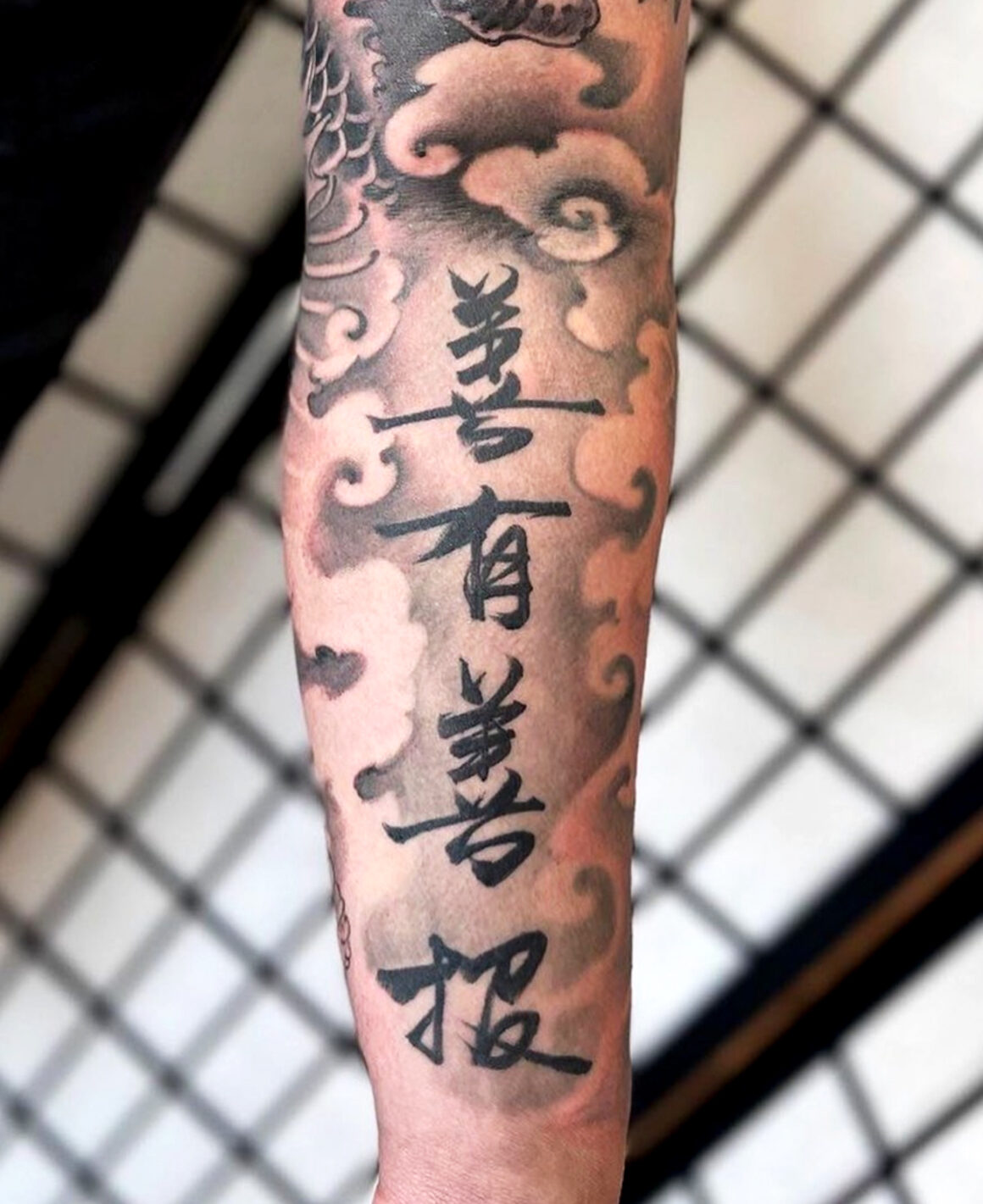
A Chinese character tattoo uses Chinese writing—called Hanzi—to represent words, values, emotions, philosophies, or names through symbolic script. These tattoos may include a single character or multiple characters, but translation accuracy, cultural context, and calligraphy style significantly affect both meaning and authenticity.
A Chinese character tattoo incorporates one or more written Chinese symbols to communicate ideas visually. Common tattoo themes include strength, love, courage, wisdom, family, perseverance, and inner peace. However, many people mistakenly assume each symbol functions like a universal icon. In reality, Chinese writing behaves like language—not decorative symbolism.
For example, a single character may express a broad concept:
- 爱 — Love
- 力 — Strength/Power
- 勇 — Courage
- 和 — Harmony/Peace
Yet combining characters changes nuance. A phrase often communicates intention more naturally than isolated symbols. Native speakers generally recognize when tattoos feel linguistically authentic versus assembled from disconnected dictionary translations.
How Chinese Characters Differ From Symbols
Chinese characters are written language rather than standalone symbols. Unlike icons that universally represent concepts, Hanzi communicate meaning through linguistic context, grammar, and historical usage. Treating Chinese writing as purely decorative often leads to mistranslations or culturally awkward tattoos.
One of the biggest misconceptions surrounding Chinese character tattoos is assuming they function like zodiac signs or universal emblems. A Chinese character is part of an active language spoken by millions of people.
This distinction matters because:
- Context changes meaning — a word may carry multiple interpretations.
- Direct translation often fails — English ideas do not always map neatly into Chinese.
- Visual similarity can mislead — two characters may look aesthetically similar but mean unrelated things.
- Cultural usage matters — some phrases feel poetic, while others sound unnatural.
For instance, someone wanting a tattoo representing “freedom” may discover several translation possibilities, each carrying different emotional or philosophical implications.
Expert observation: Tattoo artists specializing in East Asian script often recommend translating the intended meaning first, then finding the culturally natural expression—instead of translating an English word literally.
Single Characters vs Full Phrases Explained
Single-character tattoos offer simplicity and minimalist appeal, while multi-character phrases provide more precise meaning. The right choice depends on whether you value visual simplicity or linguistic accuracy and emotional specificity.
Minimalist tattoos frequently rely on a single character because of visual elegance. However, single-character tattoos can feel broad or ambiguous.
| Approach | Advantages | Risks |
|---|---|---|
| Single Character | Minimalist, visually bold, timeless | May feel vague or incomplete |
| Short Phrase | More precise meaning | Requires careful translation |
| Long Quote | Deeply personal | Can look cluttered or unnatural |
Real-world example: A person wanting a tattoo for “family above everything” might initially choose a single character for family. However, a native speaker may recommend a more elegant phrase that feels natural instead of fragmented.
Most Popular Chinese Character Tattoo Meanings
The most popular Chinese character tattoos represent strength, courage, love, family, peace, perseverance, and wisdom. However, the most meaningful tattoos are usually personal, culturally verified, and selected for emotional resonance rather than trend appeal.
People often choose Chinese tattoos because the script feels elegant, timeless, and visually minimalist. But aesthetics alone should never determine your choice. The strongest tattoos combine visual beauty with emotional relevance.
Strength, Courage & Power Tattoos
Chinese tattoos symbolizing strength or courage are among the most requested designs because they represent resilience, personal transformation, and overcoming adversity. However, choosing the correct wording matters because “strength” may imply emotional resilience, physical force, or inner endurance.
Popular concepts include:
- Strength — often chosen after difficult life experiences
- Courage — meaningful for people overcoming fear
- Persistence — symbolizes discipline and resilience
- Warrior mindset — associated with endurance and personal growth
Many tattoo artists report that people recovering from illness, grief, career setbacks, or major transitions often seek resilience-themed tattoos.
Overlooked insight competitors miss: Different Chinese words can represent “strength,” but emotional resilience and physical power are not identical ideas linguistically. Literal translation often misses emotional nuance.
Love, Loyalty & Family Characters
Chinese tattoos focused on love and family often symbolize deep emotional bonds, remembrance, or lifelong loyalty. However, family-oriented tattoos usually benefit from phrase-based expressions instead of isolated characters for stronger emotional clarity.
Popular emotional themes include:
- Love between partners
- Parental devotion
- Honoring ancestors
- Friendship and loyalty
- Family unity
One common mistake is choosing an overly literal translation for emotional concepts. A phrase that sounds powerful in English may appear awkward or robotic in Chinese.
For example, tattoo consultations with native speakers frequently reveal that culturally natural wording feels significantly more authentic than machine-translated phrases.
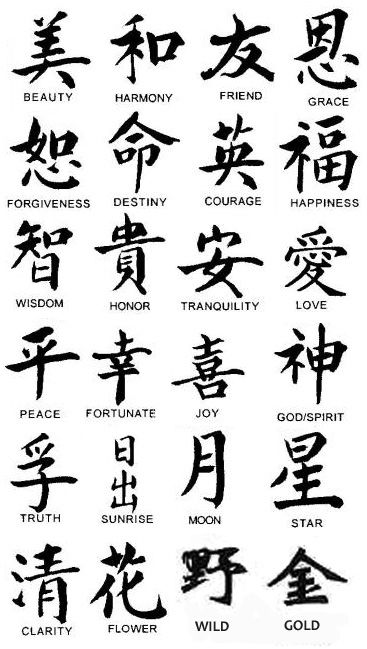
Peace, Wisdom & Spiritual Tattoos
Chinese tattoos representing peace, balance, wisdom, or spirituality appeal to people seeking mindfulness and inner growth. These designs often emphasize emotional grounding rather than outward identity or aesthetics.
Many people choose tattoos inspired by:
- Inner peace
- Balance and harmony
- Patience
- Wisdom through experience
- Spiritual resilience
Minimalist placement—such as the wrist, forearm, ribs, or spine—is especially popular for contemplative or spiritual themes because the design feels intimate rather than performative.
Why Some “Meaningful” Tattoos Are Incorrect
Many popular tattoo images online contain inaccurate translations, awkward phrasing, or characters assembled incorrectly. Viral inspiration boards often prioritize aesthetics over linguistic accuracy, leading people to tattoo phrases native speakers immediately recognize as unnatural.
Common problems include:
- Machine-translated phrases
- Mixed Simplified and Traditional Chinese
- Incorrect stroke order in stylized art
- Characters copied from decorative fonts without verification
- Words that technically translate but sound unnatural
Real-world example: Some tattoo clients request a phrase seen online, only to discover during consultation that it translates awkwardly—similar to wearing a tattoo in English reading “Strong Success Spirit Forever” instead of something grammatically natural.
Professional recommendation: Always validate tattoo wording with a fluent Mandarin speaker or professional translator before finalizing stencil artwork.
How to Choose the Right Chinese Character Tattoo
The best Chinese character tattoo starts with meaning, not visuals. Experts recommend defining your intention first, verifying translation accuracy, choosing between Simplified and Traditional Chinese, and selecting authentic calligraphy that complements the tattoo’s emotional purpose.
This step separates timeless tattoos from regrettable ones. Most tattoo mistakes happen because people choose a design before confirming meaning.
Before booking an artist, ask yourself:
- What emotion or value should this tattoo represent?
- Do I want minimalist symbolism or a precise phrase?
- Am I choosing this for aesthetics, meaning, or both?
- Has the translation been professionally verified?
Step 1: Define Your Intended Meaning First
Clarifying what you actually want to express is the foundation of a successful Chinese character tattoo. Vague ideas often create translation problems because broad English words rarely map perfectly into another language.
Instead of starting with aesthetics, define the emotional purpose.
Ask:
- What life event inspired this tattoo?
- What feeling should it represent?
- Will this meaning still matter in ten years?
- Do I want emotional symbolism or literal language?
For example, someone wanting a tattoo for “strength” after surviving hardship may ultimately prefer a phrase communicating perseverance instead of raw power.
Step 2: Verify Translation With a Native Speaker
Translation verification is the single most important step before getting a Chinese tattoo. Native speakers can identify awkward phrasing, cultural issues, and incorrect meanings that automated tools or generic tattoo galleries frequently miss.
Do not rely exclusively on translation apps.
Instead:
- Write your intended meaning in plain English.
- Ask for contextual—not literal—translation.
- Verify whether it sounds natural.
- Confirm cultural appropriateness.
- Review the final typography before tattooing.
Information gain insight: Many experienced tattoo artists report that correcting translation mistakes is significantly harder than designing a tattoo correctly from the beginning.
Continue to Part 2: Simplified vs Traditional Chinese, calligraphy styles, common tattoo mistakes, placement ideas, safety, healing, and the expert tattoo verification checklist.
Step 3: Choose Simplified or Traditional Chinese
Lucky Tattoo, a professional tattoo artist, has over 10 years of experience in the art of tattooing in Ho Chi Minh City. Lucky Tattoo Studio was founded in 2014 by skilled and kind artists. All tattoos are provided in a clean, strictly controlled, and friendly environment.
This is one of the most overlooked tattoo decisions online. Many tattoo inspiration boards mix Simplified and Traditional characters without realizing it, creating visually inconsistent or linguistically awkward results.
| Writing System | Characteristics | Best For |
|---|---|---|
| Simplified Chinese | Fewer strokes, modern standard in mainland China | Minimalist tattoos and cleaner aesthetics |
| Traditional Chinese | More intricate, historically rooted appearance | Artistic calligraphy and cultural depth |
For example, someone seeking an elegant forearm tattoo may prefer Traditional Chinese because the complexity enhances visual flow. Meanwhile, minimalist wrist tattoos often work better with Simplified Chinese due to readability at smaller sizes.
Expert recommendation: Ask your tattoo artist to create side-by-side mockups in both systems before committing. Many clients discover their preference changes once they see how characters fit body contours.
Step 4: Pick an Authentic Calligraphy Style
Authentic Chinese calligraphy transforms a tattoo from generic lettering into meaningful body art. Script style influences emotion, readability, symbolism, and longevity, making calligraphy selection almost as important as translation accuracy.
Chinese writing is not visually uniform. Different styles create completely different impressions.
- Regular Script (Kaishu) — clear, timeless, easiest to read
- Running Script (Xingshu) — elegant and flowing
- Cursive Script (Caoshu) — artistic but harder to interpret
- Seal Script (Zhuanshu) — historical and decorative
One mistake tattoo clients commonly make is downloading decorative fonts from social media without understanding readability. Some stylized fonts distort characters so dramatically that even fluent readers struggle to recognize them.
Overlooked insight: Fine-line calligraphy may blur over time if strokes are too thin or tightly packed. Experienced tattoo artists often slightly modify spacing to preserve readability during aging.
Common Chinese Character Tattoo Mistakes to Avoid
Most Chinese tattoo mistakes happen because people prioritize aesthetics over accuracy. Translation errors, mixed writing systems, poor typography, and cultural misunderstandings can turn meaningful designs into permanent regrets.
The internet is filled with visually appealing but linguistically incorrect tattoos. Unfortunately, many mistakes remain unnoticed until someone fluent points them out years later.
Why Google Translate Can Ruin a Tattoo
Automated translators often fail because language meaning depends on context, emotion, and cultural nuance. A literal translation may technically be correct but sound unnatural, robotic, or unintentionally humorous to native speakers.
For example, translating concepts like “inner strength” or “live without regrets” word-for-word often creates awkward phrasing.
Think of it this way: translating tattoos literally is similar to translating idioms across languages. A phrase that sounds profound in English may become confusing or emotionally flat elsewhere.
Safer alternatives include:
- Consulting native Mandarin speakers
- Working with bilingual tattoo artists
- Verifying through language professionals
- Checking multiple contextual interpretations
Real-world scenario: Tattoo correction specialists frequently encounter clients who discovered years later their tattoo translated into something unintended because they relied entirely on online translation tools.
Incorrect Stroke Order and Typography Errors
Incorrect stroke formation, distorted typography, and copied internet graphics can compromise authenticity and readability. Even when translation is correct, poor execution may make characters appear amateurish or illegible to native readers.
Unlike Latin alphabets, Chinese characters rely on structure and proportional balance.
Common design issues include:
- Uneven stroke thickness
- Characters stretched unnaturally
- Poor vertical alignment
- Spacing inconsistencies
- Copied Pinterest references with errors
Professional tattoo artists specializing in East Asian lettering often redraw references manually instead of tracing existing images.
Practical recommendation: Always ask to see stencil previews at tattoo size. Characters that look balanced digitally may feel crowded or distorted on skin.
Cultural Context and Respectful Tattooing
Chinese character tattoos are not inherently offensive, but cultural sensitivity matters. Respectful tattooing involves understanding meaning, avoiding stereotypes, and recognizing that Chinese writing is part of a living language and culture—not merely aesthetic decoration.
Most native speakers appreciate thoughtful cultural engagement. Problems arise when tattoos are chosen carelessly or based on inaccurate stereotypes.
Ask yourself:
- Do I understand what this phrase means?
- Am I using culturally accurate references?
- Was the wording validated respectfully?
- Does this tattoo genuinely reflect personal meaning?
Intent matters. A carefully researched tattoo generally feels far more authentic than trend-based designs chosen solely for appearance.
Best Placement Ideas for Chinese Character Tattoos
The best placement for a Chinese character tattoo depends on character size, visibility, readability, and personal significance. Areas such as the wrist, forearm, ribs, spine, and shoulder work especially well because they complement vertical script and preserve visual clarity.
Placement affects more than aesthetics. Curved anatomy can distort spacing, while highly exposed areas may fade faster due to sun exposure.
Wrist, Forearm & Hand Tattoos
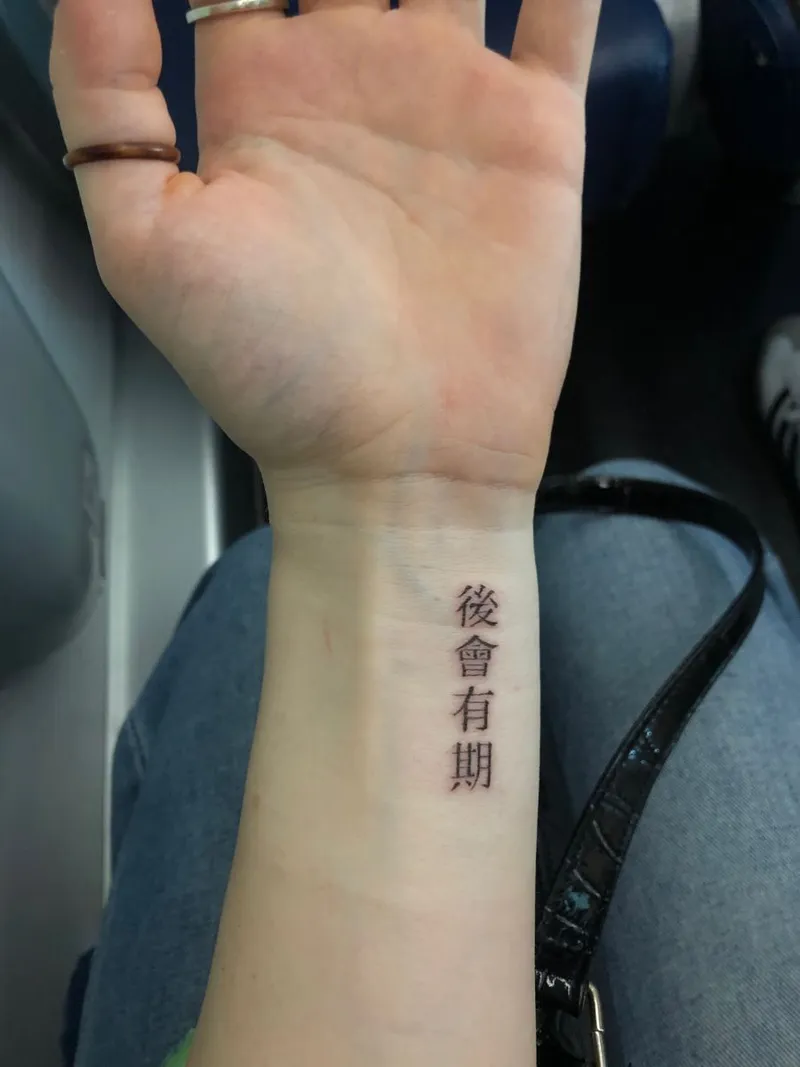
Wrist and forearm placements work especially well for single Chinese characters or short phrases because they allow natural vertical alignment and everyday visibility. Hand tattoos create bold visual impact but often require more maintenance.
These placements suit:
- Minimalist single-character tattoos
- Daily motivational reminders
- Elegant vertical calligraphy
- Fine-line minimalist designs
However, hand tattoos fade faster due to washing, friction, and sun exposure. Thin strokes may blur more quickly than thicker calligraphy.
Spine, Rib & Neck Placement
Spine and rib tattoos work best for longer phrases because the body naturally supports vertical composition. Neck tattoos are visually striking but demand careful design to maintain elegance and readability.
Longer script tattoos often appear more balanced on:
- The spine
- Ribs
- Upper back
- Collarbone
Ribs and spine areas can be more painful during tattooing, especially for detailed calligraphy.
Expert insight: Experienced artists often increase spacing slightly on ribs because skin movement may compress character alignment over time.
Minimalist vs Large Calligraphy Designs
Minimalist Chinese tattoos emphasize subtle elegance, while large calligraphy designs prioritize artistic expression and dramatic visual storytelling. The ideal style depends on personality, body placement, and intended symbolism.
| Style | Advantages | Considerations |
|---|---|---|
| Minimalist | Timeless, subtle, easy placement | Needs readable stroke spacing |
| Large Calligraphy | Bold visual statement | Requires experienced artist |
Many tattoo professionals recommend slightly larger sizing for intricate characters to preserve line quality after healing.
Real Examples: Correct vs Incorrect Chinese Tattoos
Comparing authentic tattoos with mistranslated examples helps reveal mistakes competitors rarely explain. Accuracy depends not only on wording but also on spacing, calligraphy, and cultural context.
Popular Tattoo Translation Fails
Some Chinese tattoos become unintentionally humorous because literal translation ignores context. Native speakers often immediately notice phrases that technically translate but sound unnatural.
Frequent problems include:
- Literal machine translation
- Incorrect grammar structure
- Random character combinations
- Mixed Traditional and Simplified script
Think of it like tattooing broken English permanently onto skin. Even if individual words are correct, the sentence may feel strange.
Examples of Beautiful Authentic Designs
Authentic Chinese tattoos succeed because meaning, placement, typography, and artistic flow align naturally. The strongest examples feel intentional rather than copied from generic inspiration boards.
Characteristics of high-quality tattoos include:
- Verified translation
- Balanced calligraphy
- Body-conscious placement
- Strong emotional meaning
- Artist specialization in script work
Tattoo Safety, Healing & Aftercare
Chinese character tattoos require careful healing because fine lines and detailed strokes can blur if improperly cared for. Following professional aftercare guidance helps preserve clarity, prevent infection, and maintain readability over time.
According to dermatology guidance, proper healing directly influences tattoo longevity.
How Healing Affects Fine Chinese Characters
Fine-line Chinese tattoos may lose definition during healing if ink spreads or skin becomes irritated. Smaller characters face higher readability risks over time compared with slightly larger designs.
Risk factors include:
- Sun exposure
- Poor moisturizing habits
- Excessive scratching
- Tiny intricate strokes
- Low-quality tattoo application
Evidence-based recommendation: Slightly larger spacing often ages better, especially for complex Traditional Chinese calligraphy.
How to Maintain Sharp Lines Over Time
Long-term tattoo maintenance relies on hydration, UV protection, and touch-up planning. Consistent care helps preserve crisp character edges and prevents premature fading.
- Apply sunscreen consistently.
- Keep skin moisturized.
- Avoid overexposure during healing.
- Choose experienced tattoo professionals.
- Schedule touch-ups when needed.
Expert Checklist Before Getting a Chinese Character Tattoo
The safest way to avoid tattoo regret is following a professional verification checklist. Most mistakes are preventable through research, consultation, and careful design review.
Translation Accuracy Checklist
Use this process before approving final artwork:
- Define intended meaning in English.
- Get contextual translation.
- Verify with a native Mandarin speaker.
- Choose Simplified or Traditional Chinese.
- Review typography and spacing.
- Confirm readability at tattoo size.
- Approve stencil only after verification.
Artist Consultation Questions
Asking the right questions helps identify artists experienced with Chinese lettering and calligraphy. Script tattoos demand precision that general tattoo portfolios may not demonstrate.
- Have you tattooed Chinese calligraphy before?
- Can you adjust spacing for longevity?
- Do you recommend larger sizing?
- Will you redesign copied references?
- Can I review placement mockups first?
Frequently Asked Questions About Chinese Character Tattoos
What is the meaning of a Chinese character tattoo?
A Chinese character tattoo represents words, emotions, values, or philosophies through Hanzi writing. Popular meanings include strength, love, peace, courage, and family, though interpretation depends on context and translation accuracy.
How do I know if my Chinese tattoo translation is correct?
The safest approach is verification by a native Mandarin speaker or professional translator. Avoid relying exclusively on automated translation tools or Pinterest references.
Should I choose Simplified or Traditional Chinese?
Simplified Chinese looks cleaner and minimalist, while Traditional Chinese appears more detailed and artistic. Your choice should reflect aesthetic preference, readability, and cultural intention.
Can Google Translate be trusted for Chinese tattoos?
Not fully. Literal translations often miss cultural nuance and emotional context, resulting in awkward or inaccurate wording.
Are Chinese character tattoos offensive?
Generally no—when researched respectfully. Problems usually arise from careless translation, stereotypes, or using writing purely as decoration without understanding meaning.
Where is the best placement for a Chinese character tattoo?
Wrist, forearm, spine, ribs, and shoulder placements work particularly well because they preserve readability and support vertical composition.
Do Chinese character tattoos fade faster?
Fine-line character tattoos may blur faster if strokes are too small. Larger spacing, sun protection, and professional aftercare improve longevity.
Final Thoughts: Should You Get a Chinese Character Tattoo?
A Chinese character tattoo can become a deeply meaningful piece of body art when approached thoughtfully. The difference between a timeless design and a future regret usually comes down to preparation: understanding the meaning, verifying translation, choosing authentic calligraphy, and working with experienced tattoo professionals.
The best tattoos are not chosen impulsively from trend boards. They emerge from personal meaning, cultural respect, and careful craftsmanship. If you take the time to validate your wording and design properly, a Chinese tattoo can carry significance long after trends disappear.