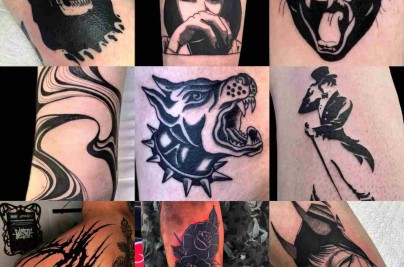
What Are Tiny Tattoo Designs?
Tiny tattoo designs are small-scale pieces of body art created using fine-line or micro-needle techniques to achieve subtle, precise imagery. They often feature minimalist symbols, lettering, or simplified illustrations. Despite their size, these tattoos require advanced technical skill to ensure clarity, longevity, and proper ink placement within the dermis layer.
From an industry perspective, experienced tattoo artists often emphasize that “small” does not mean “simple.” In fact, tiny tattoos demand higher precision because there is less room for error in linework, spacing, and ink saturation. Poor execution leads to faster fading, blurring, or unintended shape distortion over time.
Expert Insight: In professional tattoo studios, fine-line and micro tattoos are often considered technically demanding because every millimeter of needle control affects long-term visual integrity.
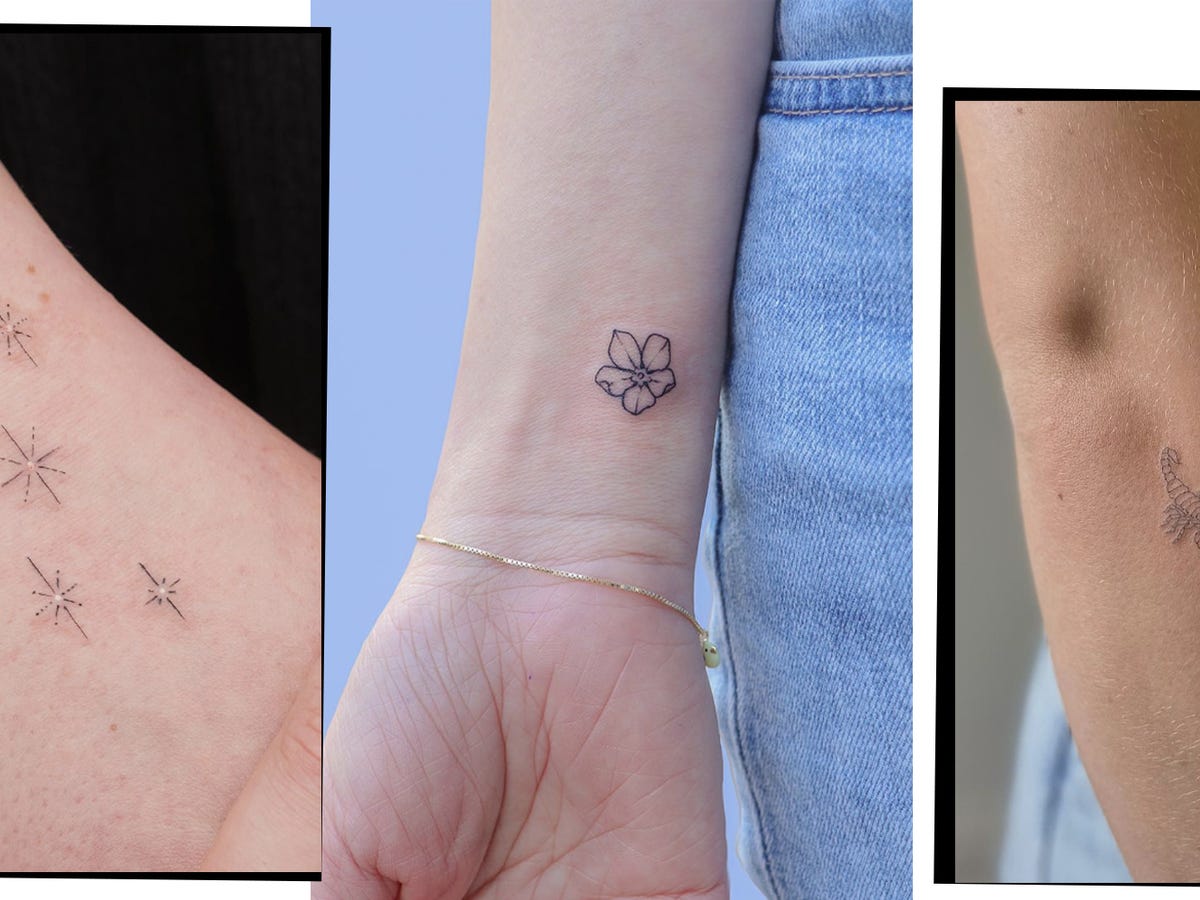
Why Tiny Tattoos Became a Global Trend
Tiny tattoo designs gained global popularity due to cultural shifts toward minimalism, social media influence, and increased demand for discreet self-expression. They appeal to individuals seeking meaningful symbolism without large visual commitment, making them especially popular among first-time tattoo clients and professionals in conservative environments.
Unlike traditional large-scale tattoos, tiny tattoos integrate easily into daily life without drawing excessive attention. This adaptability has been amplified by platforms like Instagram and Pinterest, where aesthetic simplicity and “less is more” design philosophy dominate visual trends.
Information Gain: A key overlooked factor is that tiny tattoos also align with modern identity fluidity—people increasingly choose reversible-feeling aesthetics, preferring designs that can evolve emotionally without dominating their visual identity.
- Minimalist lifestyle influence across Gen Z and millennials
- Celebrity adoption of micro-symbol tattoos
- Workplace-friendly body art acceptance trends
- Rise of fine-line tattoo specialists globally
Tiny Tattoos vs Micro Tattoos
Tiny tattoos and micro tattoos are often used interchangeably, but they differ in technical execution and design scale. Tiny tattoos typically emphasize simple, small compositions, while micro tattoos use ultra-fine needle groupings to create highly detailed imagery at a reduced scale.
The distinction matters because micro tattoos require greater artistic precision and carry higher risks of fading distortion. Tiny tattoos prioritize clarity and simplicity, while micro tattoos attempt realism or intricate detail in constrained space.
| Category | Tiny Tattoos | Micro Tattoos |
|---|---|---|
| Design Style | Simple, symbolic | Highly detailed |
| Technique | Fine-line | Single-needle realism |
| Longevity | More stable | Higher fade risk |
| Best Use | Minimalist aesthetics | Portrait or realism concepts |
Expert Observation: Many tattoo artists advise beginners to avoid overly complex micro designs in very small sizes, as ink diffusion in the skin naturally reduces sharpness over time, especially in high-movement areas like fingers and wrists.
Best Tiny Tattoo Design Ideas (With Meaning)
The best tiny tattoo designs combine simplicity, symbolism, and long-term visual clarity. Popular choices often include geometric shapes, nature-inspired motifs, and minimalist lettering. These designs are not only aesthetically versatile but also maintain stronger readability over time compared to overly detailed miniature artwork.
When selecting a design, professional tattoo artists prioritize three factors: emotional meaning, structural simplicity, and placement compatibility. A design that looks appealing on paper may not translate well onto curved or high-friction skin areas.
Information Gain: A commonly overlooked insight is that “meaningful” tattoos perform better psychologically when they are visually simple, because cognitive recognition remains strong even as ink naturally softens over time.
Minimalist Symbol Tattoos
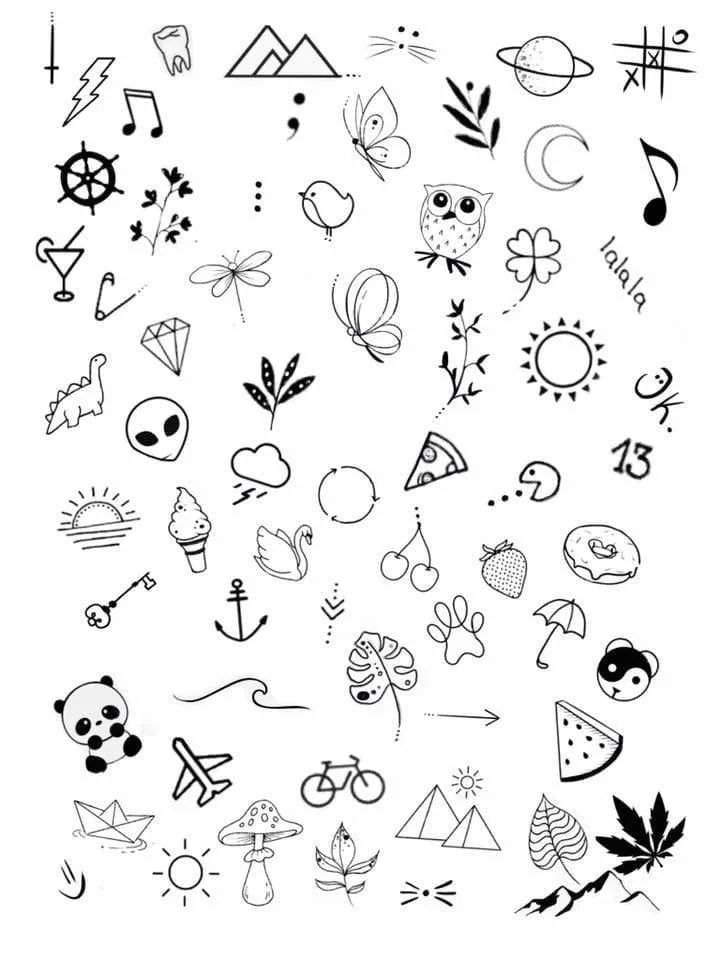
Minimalist symbol tattoos are among the most popular tiny tattoo designs because they communicate meaning through simplified visual language. Common examples include hearts, arrows, stars, and abstract shapes that represent personal values or life milestones. These designs are ideal for long-term clarity and aesthetic stability.
Artists often recommend symbolic tattoos for first-time clients because they reduce the risk of visual regret. Their simplicity also ensures that even slight fading does not significantly alter interpretation or emotional value.
- Heart symbols for love and relationships
- Arrows representing direction or growth
- Stars symbolizing guidance or aspiration
- Circles representing wholeness or cycles
Nature-Inspired Tiny Tattoos
Nature-inspired tiny tattoos draw from organic elements such as flowers, waves, leaves, and celestial bodies. These designs are highly adaptable and often chosen for their emotional symbolism and aesthetic softness. They work especially well in fine-line style due to their naturally fluid shapes.
However, artists caution that overly detailed floral micro tattoos may lose definition faster than simplified botanical outlines. The key is abstraction rather than replication.
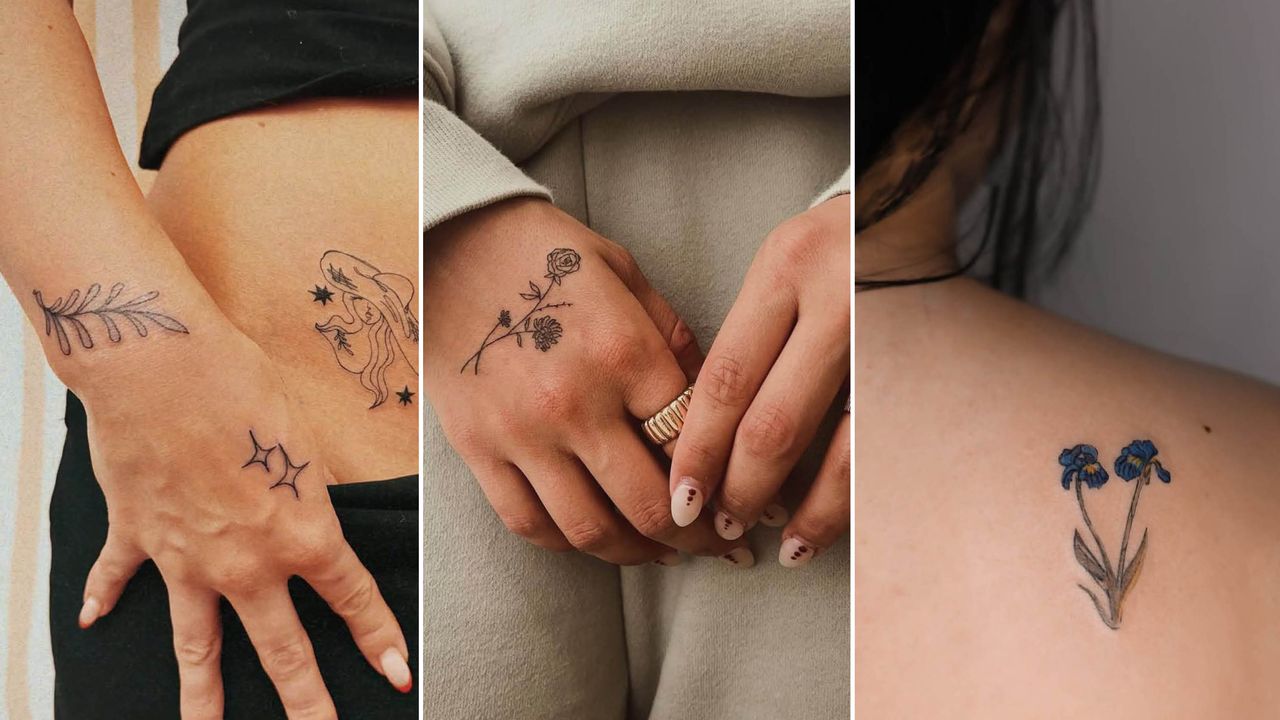
Expert Insight: In professional tattoo practice, nature-based designs are often adjusted into “structural minimalism,” where artists remove unnecessary detail to improve long-term ink stability.
Word & Quote Micro Tattoos
Word and quote micro tattoos use typography to express identity, motivation, or personal philosophy. These designs are highly personal but require careful font selection and spacing control to ensure long-term readability. Thin lettering is particularly vulnerable to blurring as skin naturally regenerates.
From an industry standpoint, serif-free fonts and slightly increased spacing between letters tend to age better than highly stylized script fonts in tiny tattoo formats.
Common Mistake: Many clients choose extremely fine script fonts that look elegant initially but become unreadable within a few years due to natural ink diffusion.
Information Gain: Experienced tattooists often perform a “fade simulation check,” mentally predicting how lettering will appear after 5–10 years before approving final stencil placement.
- Short words (1–3 terms) perform best visually
- Upper arm and forearm placements preserve clarity longer
- Black ink is more durable than colored typography
Lucky Tattoo, a professional tattoo artist, has over 10 years of experience in the art of tattooing in Ho Chi Minh City. Lucky Tattoo Studio was founded in 2014 by skilled and kind artists. All tattoos are provided in a clean, strictly controlled, and friendly environment.
Do Tiny Tattoos Fade Faster? Truth Explained
Tiny tattoos can fade faster than larger tattoos depending on placement, technique, and skin behavior. Because fine-line designs use less ink saturation and thinner strokes, they are more vulnerable to ink dispersion over time. However, proper technique, deeper dermal placement, and aftercare significantly improve long-term clarity and reduce blurring.
In professional tattooing, fading is not caused by size alone but by how ink interacts with the dermis layer during healing. Areas with high movement or friction, such as fingers or wrists, accelerate pigment breakdown. Conversely, stable areas like the upper arm preserve fine-line integrity longer.
Expert Insight: Fading is primarily influenced by skin turnover rate, sun exposure, and needle depth—not just tattoo size. Skilled artists adjust technique accordingly.
Ink Dispersion in the Dermis Layer
Ink dispersion occurs when pigment particles gradually spread within the dermis due to natural skin regeneration. Tiny tattoos are more affected because their lines contain less ink density, making even slight diffusion more visible over time. This process is biological and unavoidable but can be slowed with proper technique.
Dermatology research confirms that ultraviolet exposure and frequent skin stretching significantly accelerate pigment breakdown. This is why identical tattoos can age differently depending on body placement and lifestyle habits.
- UV exposure is a major fading accelerator
- High-motion areas increase ink migration
- Thin lines show distortion earlier than bold outlines
Why Fine-Line Tattoos Blur Over Time
Fine-line tattoos blur over time because the body naturally treats ink particles as foreign material and gradually disperses them. When lines are extremely thin, even minimal spreading reduces sharpness. This effect is more noticeable in micro tattoos where visual structure depends on precision rather than bold contrast.
Artists compensate by slightly adjusting needle grouping and depth, ensuring ink sits securely in the dermis without over-saturation. However, improper technique—especially shallow application—can dramatically increase blur risk within just a few years.
Common Misconception: Many assume blur equals poor aftercare, but in reality, most fine-line blurring is a combination of technique, placement, and natural skin behavior.
Real Artist Case Study (5-Year Comparison)
In professional studios specializing in fine-line work, long-term comparisons show that tattoos placed on stable skin zones retain up to 70% more clarity after five years compared to high-friction areas. For example, identical floral designs on the forearm vs. finger show dramatically different aging patterns.
Information Gain: Experienced tattoo artists often photograph healed tattoos at 6 months, 2 years, and 5 years to refine needle depth strategies for future clients—this long-term feedback loop is rarely discussed in consumer-facing content.
How to Choose a Timeless Tiny Tattoo
Choosing a timeless tiny tattoo requires balancing emotional meaning with structural simplicity and long-term visual stability. Designs that are too complex, overly detailed, or trend-dependent are more likely to age poorly. Professional artists prioritize clarity, symmetry, and adaptability to skin movement when advising clients.
Timelessness in tattoo design is not about avoiding trends entirely, but about ensuring the core structure remains recognizable even after slight fading or ink diffusion over time.
Expert Insight: The most enduring tattoos are not the most detailed—they are the most structurally efficient in design composition.
Design Simplicity vs Detail Balance
The balance between simplicity and detail determines how well a tiny tattoo ages. Simple designs maintain clarity longer because they rely on strong shapes rather than intricate texture. Overly detailed micro tattoos tend to lose definition as ink spreads naturally beneath the skin.
Artists often recommend simplifying reference images before tattooing, removing unnecessary micro-details that will not survive long-term skin regeneration cycles. This ensures the design retains emotional meaning even after slight fading.
- Reduce fine internal lines in small tattoos
- Prioritize bold outer structure over internal texture
- Avoid hyper-realistic detail in micro scale designs
Skin Type and Tattoo Longevity
Skin type plays a significant role in tattoo longevity. Oily skin tends to diffuse ink faster due to higher sebum activity, while dry or balanced skin retains sharper linework for longer periods. This biological factor is often overlooked when selecting tiny tattoo designs.
Professional tattooists adjust needle depth and ink saturation based on skin assessment before beginning the tattoo process. This personalized approach significantly improves long-term results and reduces early fading issues.
Expert Observation: Two identical tattoos placed on different skin types can age completely differently within just 2–3 years.
Expert Checklist Before Booking
Before getting a tiny tattoo, experienced artists recommend evaluating design scalability, placement durability, and personal lifestyle factors. This helps prevent regret and ensures the tattoo remains visually stable over time.
- Is the design still readable when slightly blurred?
- Does the placement experience frequent friction or sun exposure?
- Is the font or line thickness optimized for long-term clarity?
- Have you reviewed healed examples from the artist?
Tiny Tattoo Pain Levels and Healing Process
Pain levels for tiny tattoos depend primarily on placement rather than size. Areas with thin skin, high nerve density, or proximity to bone tend to be more sensitive. Healing typically takes 2–4 weeks, with full skin recovery continuing for several months beneath the surface.
Proper aftercare is critical not only for healing but also for ink retention. Poor healing practices can lead to patchy ink loss, increased fading, or infection risk, especially in delicate fine-line tattoos.
Expert Insight: Healing quality is as important as tattoo application technique in determining long-term visual success.
Most Painful vs Least Painful Areas
Pain perception varies significantly depending on body location. High-sensitivity zones include ribs, fingers, ankles, and behind the ear, while areas like the upper arm or thigh are generally more tolerable. This variation is due to differences in nerve density and skin thickness.
Understanding pain distribution helps clients choose placements that align with both aesthetic goals and comfort levels, especially for first-time tattoo recipients.
- High pain: ribs, spine, fingers, elbows
- Moderate pain: wrist, collarbone, ankle
- Low pain: upper arm, thigh, calf
Healing Timeline (Day-by-Day Guide)
Tattoo healing follows a predictable biological process involving inflammation, scabbing, peeling, and skin regeneration. Tiny tattoos heal slightly faster due to reduced surface trauma, but require equal care to ensure pigment stability and clarity retention.
During the first week, mild redness and scabbing are normal. By week two, peeling begins as the skin regenerates. Full surface healing typically occurs within 3–4 weeks, although deeper dermal healing continues beyond that period.
Common Mistake: Over-moisturizing or picking at scabs significantly increases ink loss risk, especially in fine-line tattoos.
Common Healing Mistakes
Improper aftercare is one of the leading causes of early tattoo fading. Many clients unintentionally damage healing tattoos by exposing them to sunlight too early or using incorrect skincare products during recovery.
- Excess sun exposure during healing phase
- Using petroleum-heavy ointments excessively
- Scratching or peeling scabs prematurely
- Swimming before full healing completion
High-Value FAQ: Tiny Tattoo Designs
These frequently asked questions reflect real search intent from users across Google, AI Overviews, and conversational search platforms. Answers focus on clarity, accuracy, and practical decision-making guidance.
Do tiny tattoos hurt less than big tattoos?
Pain depends on placement, not size. Tiny tattoos can still be painful if placed on sensitive areas like ribs or fingers.
How long do tiny tattoos last?
They can last many years, but fine-line details may soften over time due to natural skin regeneration and ink dispersion.
What is the best ink color for tiny tattoos?
Black ink is the most durable and retains clarity longer than colored inks in small-scale designs.
Are tiny tattoos a good idea for first-timers?
Yes, because they are less intimidating and easier to conceal, but placement and artist skill are critical for long-term results.
Which tiny tattoo designs age the best?
Simple symbols, bold minimalist shapes, and clean linework age better than highly detailed micro-realism tattoos.
Can tiny tattoos be removed easily?
Laser removal is possible, but success depends on ink depth, color, and skin type; black ink typically responds best to removal treatments.
Do fine-line tattoos fade faster?
Yes, fine-line tattoos may fade faster if poorly executed or placed in high-friction areas, but proper technique significantly improves longevity.
Final Thoughts on Tiny Tattoo Designs
Tiny tattoo designs represent a blend of minimalism, personal expression, and technical precision. Their popularity continues to grow due to aesthetic versatility and emotional subtlety. However, achieving long-lasting results depends heavily on artist skill, placement strategy, and aftercare discipline.
When chosen thoughtfully, tiny tattoos can remain meaningful and visually appealing for years. The key is not complexity, but intentional simplicity supported by expert execution and informed decision-making.
Expert Conclusion: A successful tiny tattoo is not defined by size, but by how well it ages while preserving its original emotional intent.