
Getting a tattoo is a long-term commitment, but many people spend more time choosing a design than evaluating potential skin reactions. While tattoo-related allergic reactions are relatively uncommon, they can be difficult to treat once pigment is permanently implanted into the skin. This is why dermatologists increasingly discuss tattoo skin patch testing as a precautionary step for individuals with allergies, sensitive skin, or concerns about specific tattoo inks.
A tattoo skin patch test is designed to identify whether your skin may react to certain pigments or ingredients before the tattoo procedure. Although it cannot eliminate all risks, it can provide valuable information that helps both clients and tattoo artists make safer decisions.
Understanding what patch testing can—and cannot—tell you is critical. One of the most common misconceptions is that a negative test guarantees a problem-free tattoo. In reality, tattoo allergies involve complex immune responses that may occur weeks, months, or even years after tattoo placement.
What Is a Tattoo Skin Patch Test and How Does It Work?
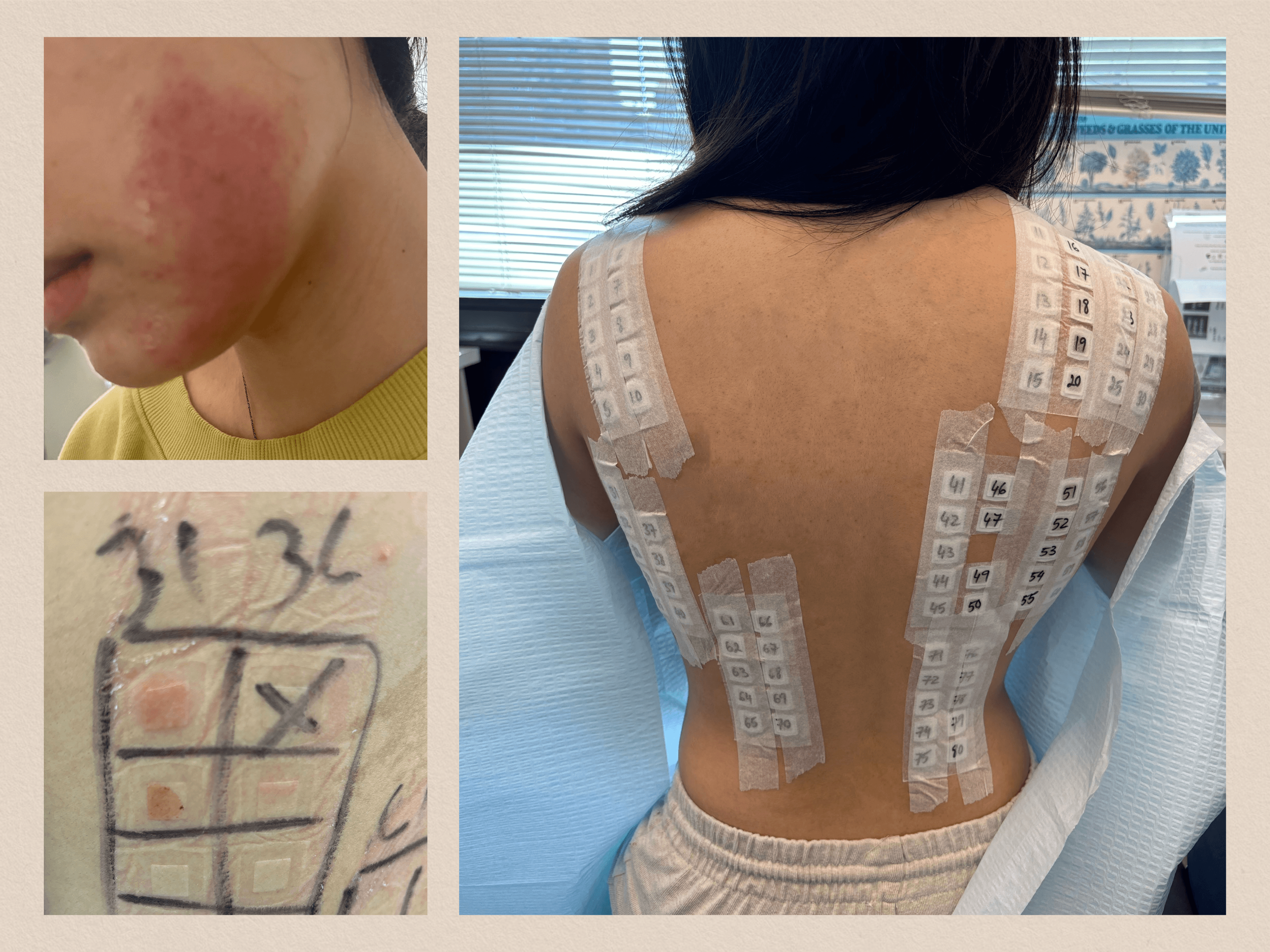
A tattoo skin patch test is a screening method used to identify potential allergic reactions to tattoo pigments or related ingredients before tattooing. A small amount of test material is placed on or applied to the skin and monitored for signs of irritation, inflammation, or allergic response over several days.
Patch testing has long been used in dermatology to diagnose allergic contact dermatitis. When adapted for tattoo safety, the goal is to evaluate how the skin responds to specific pigments, preservatives, metals, or compounds that may be present in tattoo inks.
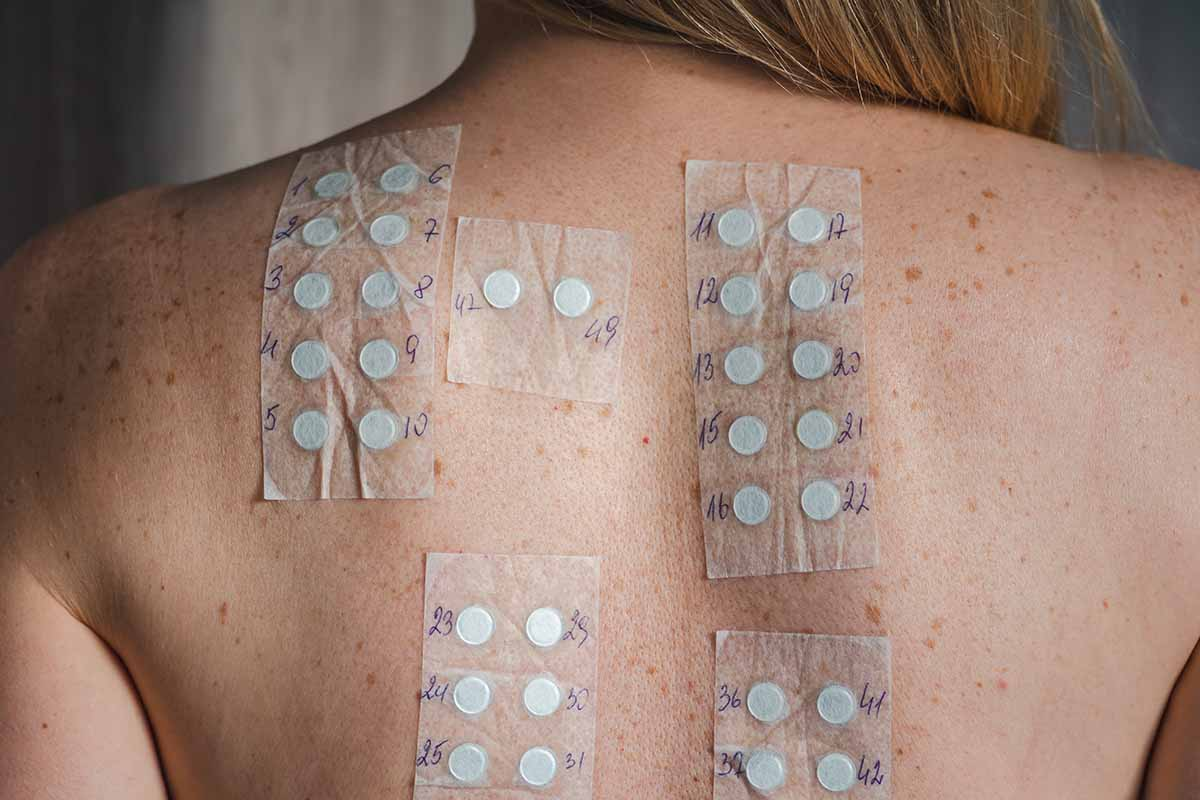
Typically, a healthcare professional or dermatologist applies small amounts of test substances to the skin, often on the back or arm, under adhesive patches. These patches remain in place for approximately 48 hours before being evaluated.
Signs of a positive reaction may include:
- Redness
- Itching
- Swelling
- Rash formation
- Localized inflammation
- Persistent skin irritation
While the procedure itself is simple, interpreting results requires expertise. A mild irritation does not necessarily indicate a true allergy, while some allergic responses may not become visible immediately.
How Patch Testing Differs From Traditional Allergy Testing
Patch testing evaluates delayed allergic skin reactions caused by direct contact with substances, whereas skin-prick tests and blood tests primarily assess immediate allergic responses. For tattoo safety, patch testing is generally more relevant because many tattoo-related reactions involve delayed hypersensitivity mechanisms.
Many people mistakenly assume all allergy tests measure the same thing. In reality, different testing methods assess different immune pathways.
| Test Type | Primary Purpose | Useful for Tattoo Allergies? |
|---|---|---|
| Patch Test | Delayed contact allergies | Yes |
| Skin-Prick Test | Immediate allergic reactions | Limited usefulness |
| Blood Allergy Test | Specific IgE responses | Generally limited |
Most tattoo pigment reactions resemble allergic contact dermatitis rather than classic food or environmental allergies. This distinction explains why dermatologists often prioritize patch testing when evaluating tattoo safety concerns.
What Happens During a Tattoo Patch Test Appointment?
A tattoo patch test appointment usually involves reviewing allergy history, selecting substances to test, applying patches, and evaluating skin responses after 48 to 96 hours. The process is non-invasive and helps identify potential sensitivities before tattoo pigment is implanted permanently.
A typical appointment follows several stages:
- Review of medical and allergy history.
- Identification of tattoo inks or pigments of concern.
- Application of testing materials to the skin.
- Initial observation period.
- Follow-up assessment by a dermatologist.
- Interpretation of results and recommendations.
Expert Observation: One frequently overlooked issue is that tattoo clients often bring only the ink brand name rather than the full ingredient information. Whenever possible, obtain the pigment composition from the tattoo studio before consulting a dermatologist.
This allows more targeted testing and may reveal known allergens such as nickel, chromium, cobalt, preservatives, or azo pigments.
Why Are Tattoo Allergies a Concern?
Tattoo allergies are concerning because tattoo pigments are placed permanently into the dermis, making reactions more difficult to manage than ordinary skin allergies. In some cases, symptoms persist for months or years and may require medical treatment, laser removal, or surgical intervention.
Unlike cosmetics that can simply be washed away, tattoo pigments become embedded within the skin’s deeper layers. Once an allergic reaction develops, removing the trigger is significantly more challenging.
Although most tattoos heal without complications, adverse reactions can occur due to:
- Pigment ingredients
- Metal contaminants
- Preservatives
- Carrier solutions
- Individual immune responses
- Pre-existing skin conditions
Common symptoms may include:
- Persistent itching
- Raised skin
- Swelling
- Burning sensations
- Localized rashes
- Nodules or bumps within tattooed areas
One important distinction competitors rarely explain is that not all tattoo reactions are true allergies. Some cases involve irritation, infection, granulomatous responses, or photo-sensitive reactions triggered by sunlight exposure.
Many tattoo-related complications initially appear similar. Accurate diagnosis is essential because treatment strategies differ substantially depending on the underlying cause.
Which Tattoo Ink Colors Cause the Most Allergic Reactions?
Red tattoo pigments are consistently associated with the highest number of reported allergic reactions, although reactions can occur with any color. Certain pigments, metal compounds, and chemical additives appear to carry greater risk than others.
Historically, red pigments have generated the most concern among dermatologists and tattoo safety researchers. Modern formulations have improved, but red ink continues to appear disproportionately in medical case reports involving allergic tattoo reactions.
Other pigments that may occasionally trigger reactions include:
- Yellow pigments
- Orange pigments
- Green pigments
- Blue pigments
- Purple pigments
The risk is not determined solely by color. The underlying chemical composition matters more than appearance.
Why Red Tattoo Ink Receives Special Attention From Dermatologists
Red tattoo pigments have historically contained compounds more likely to provoke immune responses compared with many other colors. As a result, dermatologists often investigate red ink first when evaluating chronic tattoo-related skin reactions.
Several factors contribute to this concern:
- Complex pigment chemistry
- Higher rates of documented allergic reactions
- Delayed hypersensitivity potential
- Long-term inflammatory responses
Information Gain Insight: A common misunderstanding is that newer tattoo inks completely eliminate allergy risk. While regulations and manufacturing standards have improved in many regions, no pigment can be considered entirely risk-free for every individual.
Even highly reputable tattoo inks may cause reactions in people with unique immune sensitivities.
Who Should Consider a Tattoo Skin Patch Test?
A tattoo skin patch test may be particularly beneficial for individuals with a history of allergies, eczema, sensitive skin, previous reactions to cosmetics, or concerns about specific tattoo pigments. These groups face a higher probability of experiencing adverse skin responses after tattooing.
Not everyone needs a patch test before getting a tattoo. For many healthy individuals without a history of skin reactions, the likelihood of severe pigment allergy remains relatively low.
However, risk is not evenly distributed across all tattoo clients.
People With Sensitive Skin, Eczema, or Contact Dermatitis
Individuals with eczema, chronic dermatitis, or highly reactive skin may benefit from discussing patch testing with a dermatologist before tattooing. While testing cannot predict every outcome, it may identify sensitivities that warrant additional precautions.
Consider a real-world example:
A person with longstanding eczema decides to get a large multicolored sleeve tattoo. Their skin already demonstrates an overactive inflammatory response. A pre-tattoo consultation and patch test may reveal sensitivities that influence pigment selection or timing of the procedure.
Warning signs that justify extra caution include:
- Frequent unexplained rashes
- History of allergic contact dermatitis
- Chronic eczema flare-ups
- Multiple cosmetic product reactions
- Known metal allergies
Individuals With Previous Cosmetic or Hair Dye Allergies
People who have reacted to hair dyes, cosmetics, fragrances, or skincare products may have an increased likelihood of reacting to certain tattoo ingredients. A dermatology evaluation can help determine whether patch testing is appropriate before proceeding.
Hair dye allergies deserve special attention because some pigments and chemical compounds may share structural similarities with ingredients found in certain tattoo inks.
Questions worth asking before booking a tattoo appointment include:
- Have I experienced allergic reactions to hair dye?
- Do I react to fragrances or cosmetics?
- Have I ever had unexplained skin swelling?
- Do I have diagnosed contact allergies?
- Am I planning a large colored tattoo?
If the answer to multiple questions is yes, seeking professional dermatological guidance is a prudent next step.
When a Patch Test May Be Especially Important
A tattoo patch test becomes more valuable when multiple risk factors are present, including allergy history, large tattoo projects, extensive color use, previous skin reactions, or underlying inflammatory skin conditions.
Situations where additional screening deserves consideration include:
- First tattoo after known allergy diagnosis
- Large-scale color tattoos
- Cover-up tattoos requiring multiple pigments
- Previous tattoo complications
- History of severe contact allergies
- Immune-related skin disorders
Overlooked Expert Insight: Many clients focus exclusively on whether they are allergic to tattoo ink. In practice, reactions can also stem from aftercare products, topical ointments, adhesive bandages, or disinfectants used during the tattoo process. A comprehensive allergy history should evaluate all potential exposures—not just the ink itself.
What Can a Tattoo Skin Patch Test Detect?
Lucky Tattoo, a professional tattoo artist, has over 10 years of experience in the art of tattooing in Ho Chi Minh City. Lucky Tattoo Studio was founded in 2014 by skilled and kind artists. All tattoos are provided in a clean, strictly controlled, and friendly environment.
The primary purpose of patch testing is to assess whether the immune system recognizes a substance as a potential allergen. This is especially relevant for people with a history of allergic contact dermatitis, eczema, or unexplained skin reactions.
When evaluating tattoo safety, patch testing may help uncover sensitivity to:
- Specific tattoo pigments
- Nickel contamination
- Chromium compounds
- Cobalt-containing pigments
- Preservatives used in inks
- Carrier ingredients
- Certain adhesive materials
However, tattoo reactions are not always caused by allergies. Some complications involve infection, granulomatous inflammation, autoimmune responses, or photo-induced reactions that may not appear during standard patch testing.
Allergic Reactions It May Help Identify
Patch testing is most effective for identifying delayed hypersensitivity reactions associated with allergic contact dermatitis. These reactions typically develop hours or days after exposure rather than immediately after contact.
Examples of reactions that patch testing may help predict include:
- Persistent itching after pigment exposure
- Localized inflammatory responses
- Eczematous skin reactions
- Pigment-related allergic dermatitis
- Sensitivity to metallic compounds within inks
Dermatologists frequently use standardized patch testing panels when investigating suspected contact allergies. In some cases, additional customized testing may be recommended based on the exact tattoo ink formulation.
Information Gain Insight: A common oversight is assuming all tattoo inks contain identical ingredients. Manufacturing processes vary significantly across brands, meaning two red inks may contain completely different chemical compositions and allergy profiles.
What a Patch Test Cannot Predict
Patch testing cannot accurately predict every tattoo-related reaction because tattoo pigment behaves differently when implanted into the dermis than when applied to the skin surface. Some immune responses only develop after pigments remain in the skin for extended periods.
This limitation is one of the most important concepts prospective tattoo clients should understand.
Patch testing may not reliably predict:
- Delayed reactions developing months later
- Long-term pigment breakdown responses
- Sunlight-triggered pigment reactions
- Granulomatous tattoo reactions
- Rare immune-mediated complications
- Infection-related problems
Why a Negative Result Does Not Guarantee Tattoo Safety
A negative patch test significantly reduces uncertainty but does not eliminate risk. Tattoo pigments undergo biological changes after implantation, and the immune system may react differently over time.
This represents one of the biggest gaps in many online tattoo safety articles.
Research and clinical observations suggest that some tattoo allergies emerge only after:
- Pigment degradation
- Sun exposure
- Repeated immune stimulation
- Long-term skin remodeling
- Chemical changes within tattoo pigments
In clinical practice, dermatologists occasionally encounter patients who tolerated a patch test but later developed a reaction months or years after tattoo placement. This does not mean the test failed—it reflects the complexity of tattoo immunology.
Are Tattoo Skin Patch Tests Accurate?
Tattoo skin patch tests can provide valuable diagnostic information, but their accuracy depends on the substances tested, the individual’s immune response, and the quality of interpretation. They are best viewed as a risk-reduction tool rather than a definitive prediction of tattoo outcomes.
Most dermatologists consider patch testing useful when evaluating high-risk individuals, especially those with previous allergic reactions.
Several factors influence reliability:
- Ingredient selection
- Test methodology
- Duration of observation
- Underlying skin conditions
- Quality of dermatological assessment
Importantly, the absence of a positive reaction should not be interpreted as complete clearance for every tattoo pigment.
Understanding False Positives and False Negatives
False positives occur when skin irritation is mistaken for an allergy, while false negatives occur when testing fails to identify a future reaction. Both outcomes are possible and should be considered when interpreting results.
A false positive may lead someone to avoid a pigment unnecessarily. A false negative may provide reassurance even though a reaction could eventually occur after tattoo implantation.
| Result Type | Meaning | Potential Impact |
|---|---|---|
| True Positive | Actual allergy detected | Avoid high-risk pigment |
| False Positive | Irritation mistaken for allergy | May unnecessarily limit options |
| True Negative | No detectable sensitivity | Reduced concern |
| False Negative | Future reaction not detected | Risk remains possible |
Expert interpretation remains critical because not every visible skin response represents a clinically meaningful allergy.
How Tattoo Ink Behaves Differently Inside the Skin
Tattoo pigment interacts with the immune system differently after injection into the dermis than during surface-level patch testing. This difference explains why some reactions occur despite normal patch test results.
When tattooing occurs, pigment particles become embedded within the skin where immune cells continuously interact with them.
Over time, several processes may influence reactions:
- Pigment fragmentation
- UV-induced chemical changes
- Migration of pigment particles
- Immune system sensitization
- Chronic inflammatory responses
Information Gain Insight: Many AI-generated articles overlook the distinction between surface exposure and dermal implantation. This difference is one of the primary reasons tattoo allergy prediction remains imperfect even with modern testing methods.
Benefits and Limitations of Tattoo Skin Patch Testing
Tattoo skin patch testing offers meaningful safety benefits for higher-risk individuals but should not be viewed as a guarantee against future tattoo complications. Understanding both strengths and limitations leads to better decision-making.
Advantages of Testing Before Tattooing
Patch testing can help identify known sensitivities, improve risk assessment, guide pigment selection, and provide additional reassurance before a permanent tattoo procedure.
Potential advantages include:
- Improved safety planning
- Identification of known allergens
- More informed pigment choices
- Better communication with tattoo artists
- Dermatology-guided risk reduction
- Greater confidence before tattooing
For individuals with eczema, previous cosmetic allergies, or known metal sensitivities, the information gained may substantially influence tattoo decisions.
Common Misconceptions About Patch Tests
Several myths surrounding tattoo patch testing contribute to unrealistic expectations. Understanding what the test can and cannot do helps prevent confusion and poor decision-making.
- Myth: A negative test guarantees safety.
- Reality: Risk may still exist.
- Myth: Only people with allergies need testing.
- Reality: Testing may benefit other higher-risk individuals.
- Myth: All tattoo inks have similar ingredients.
- Reality: Formulations vary considerably.
- Myth: Patch testing identifies all complications.
- Reality: It primarily evaluates allergic skin responses.
How to Reduce the Risk of Tattoo Allergic Reactions
Reducing tattoo allergy risk requires more than patch testing alone. Choosing qualified professionals, understanding pigment ingredients, reviewing allergy history, and following proper aftercare recommendations all contribute to safer tattoo outcomes.
Effective prevention combines medical awareness with responsible tattoo practices.
Choosing Reputable Tattoo Artists and Quality Inks
Experienced tattoo artists who maintain high hygiene standards and provide ingredient transparency can significantly reduce avoidable risks associated with tattooing.
Before booking an appointment, ask:
- Which ink brands are used?
- Can ingredient information be provided?
- How are sterilization procedures handled?
- What aftercare protocol is recommended?
- Have clients reported pigment-related reactions?
Professional artists are generally willing to discuss safety concerns openly and provide documentation when available.
Questions to Ask Before Your Tattoo Appointment
Asking informed questions before tattooing can uncover potential concerns that might otherwise go unnoticed. This simple step often improves outcomes and reduces avoidable complications.
- Do I have any known skin allergies?
- Have I reacted to cosmetics or hair dyes?
- Should I consult a dermatologist first?
- What pigments will be used?
- Can alternative pigments be considered?
- What signs of an allergic reaction should I watch for?
When to Consult a Dermatologist First
A dermatologist should be consulted before tattooing if you have eczema, contact dermatitis, autoimmune skin conditions, previous tattoo complications, or a significant allergy history.
Professional medical guidance may be especially valuable when:
- Planning a large tattoo
- Using multiple colored pigments
- Managing chronic skin disease
- Taking immune-modifying medications
- Experiencing recurrent unexplained rashes
Board-certified dermatologists can evaluate whether patch testing, additional screening, or pigment avoidance strategies are appropriate.
Tattoo Skin Patch Test vs. Skipping Testing: Which Is Right for You?
Whether to undergo patch testing depends largely on individual risk factors. For people with significant allergy histories or sensitive skin conditions, testing may provide useful information. For lower-risk individuals, the decision is often based on personal comfort and medical guidance.
Low-Risk vs. High-Risk Candidates
Risk assessment is often more useful than a one-size-fits-all recommendation. Evaluating personal medical history helps determine whether patch testing is likely to offer meaningful benefits.
| Lower-Risk Profile | Higher-Risk Profile |
|---|---|
| No allergy history | Known contact allergies |
| No skin disease | Eczema or dermatitis |
| Previous tattoos without issues | Previous tattoo reactions |
| Minimal color use | Large multicolor tattoo plans |
| No cosmetic reactions | Hair dye or cosmetic allergies |
Information Gain Insight: The most valuable use of patch testing may not be identifying a positive reaction. In many cases, it creates an opportunity for a thorough dermatological risk assessment that uncovers concerns unrelated to tattoo pigments themselves.
Frequently Asked Questions About Tattoo Skin Patch Tests
What is a tattoo skin patch test?
A tattoo skin patch test is a screening procedure used to evaluate whether your skin may react to specific tattoo pigments, metals, preservatives, or related ingredients before tattooing.
How long does a tattoo patch test take to show results?
Most patch test reactions are evaluated between 48 and 96 hours after application, although some delayed reactions may require longer observation.
Can a tattoo skin patch test prevent allergic reactions?
No. Patch testing may reduce risk and identify certain sensitivities, but it cannot completely prevent or predict every future tattoo-related reaction.
Which tattoo ink color causes the most allergic reactions?
Red tattoo pigments are most frequently associated with reported allergic reactions, although any pigment may potentially trigger a response in susceptible individuals.
Can you develop a tattoo allergy years later?
Yes. Some tattoo allergies emerge months or years after tattoo placement due to delayed immune responses, pigment breakdown, or environmental triggers such as sunlight exposure.
Should people with eczema get a tattoo patch test?
Individuals with eczema, contact dermatitis, or sensitive skin may benefit from consulting a dermatologist to determine whether patch testing is appropriate before tattooing.
Is patch testing recommended before every tattoo?
Not necessarily. The decision should be based on personal risk factors, medical history, previous reactions, and guidance from qualified healthcare professionals.
Expert Takeaway: Is a Tattoo Skin Patch Test Worth It?
A tattoo skin patch test is not a perfect predictor of future tattoo safety, but it remains a valuable risk-assessment tool for many individuals. People with eczema, allergic contact dermatitis, cosmetic allergies, metal sensitivities, or previous tattoo complications are often the most likely to benefit from professional evaluation.
The most important takeaway is that tattoo safety extends beyond a single test. Careful pigment selection, transparent communication with tattoo artists, consultation with a dermatologist when appropriate, and realistic expectations about testing limitations all contribute to better outcomes.
While no screening method can eliminate every risk, informed decision-making significantly improves the chances of a positive tattoo experience. Understanding both the strengths and limitations of tattoo skin patch testing allows you to balance artistic goals with long-term skin health.