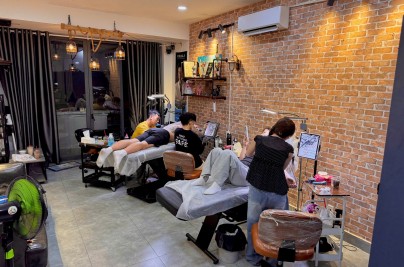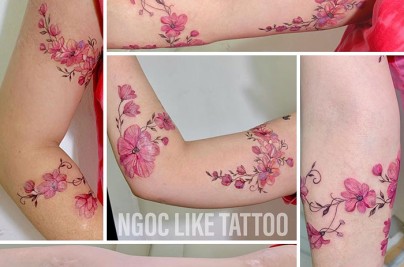
Getting a tattoo is only the beginning of the process. What happens during the next two to four weeks has a direct impact on color retention, line sharpness, skin health, and long-term appearance. In a tropical city like Saigon, where heat, humidity, sweat, pollution, and UV exposure are everyday realities, aftercare requires a more thoughtful approach than generic instructions copied from Western tattoo websites.
Professional tattoo artists consistently see the same pattern: tattoos that receive proper cleansing, balanced hydration, and climate-appropriate care heal faster, experience fewer complications, and retain their original appearance longer. This guide examines the best tattoo aftercare products available in Saigon, how they work, and how to choose the right solution for your skin and tattoo type.
What Are the Best Tattoo Aftercare Products in Saigon?
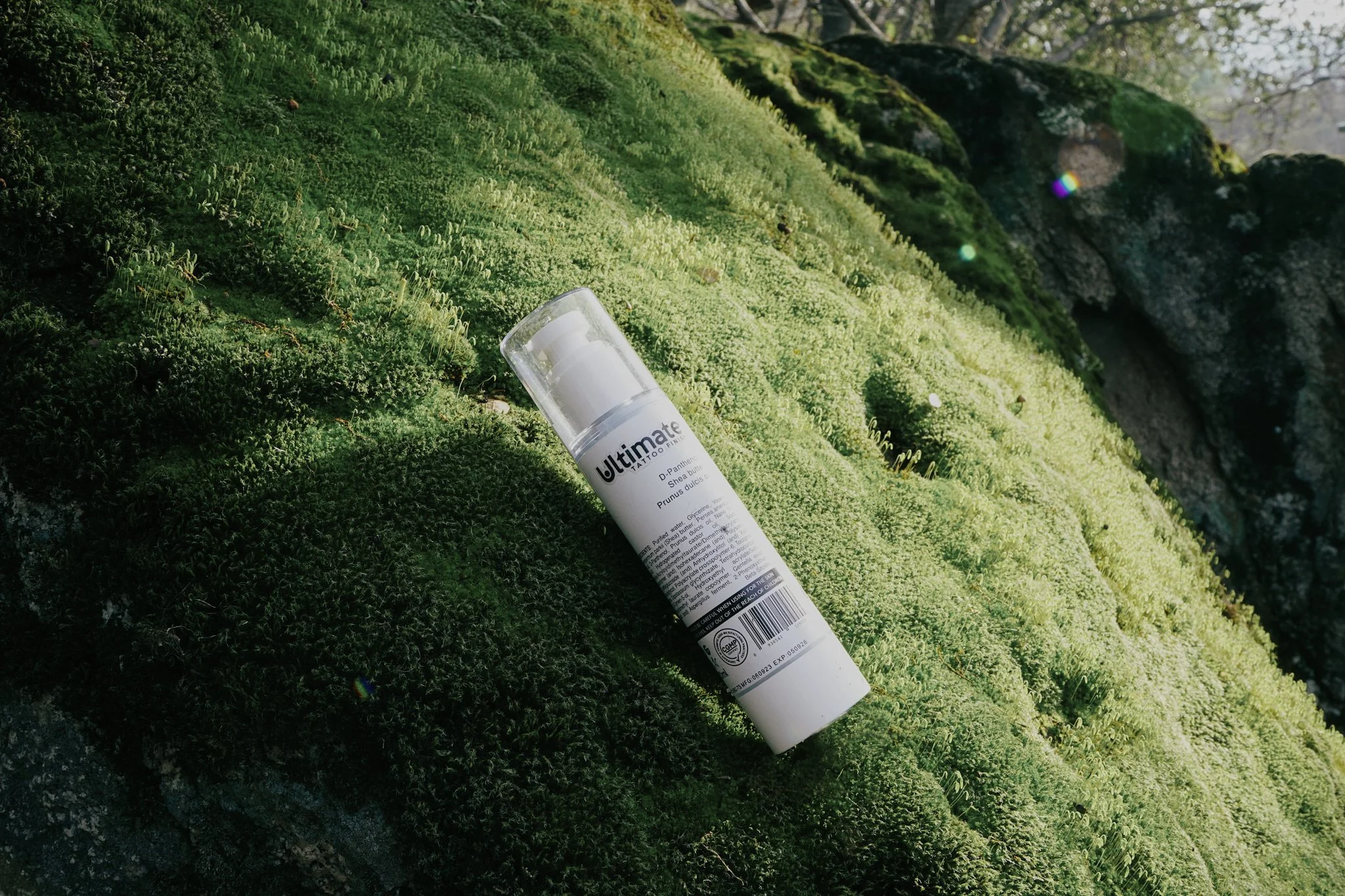
The best tattoo aftercare products in Saigon combine gentle cleansing, skin-barrier support, and lightweight hydration without trapping excess moisture. Products containing panthenol, shea butter, glycerin, and fragrance-free formulations typically perform better in humid environments than heavy petroleum-based products applied excessively.
Fresh tattoos are controlled skin wounds. The goal of aftercare is not to keep the tattoo permanently covered in ointment but to create optimal healing conditions. This means protecting the skin barrier, preventing excessive dryness, reducing irritation, and minimizing infection risk.
Most experienced artists divide aftercare products into three categories:
- Gentle cleansers for removing sweat, plasma, and bacteria.
- Healing ointments or balms for the initial healing stage.
- Moisturizers for ongoing hydration and color preservation.
One overlooked factor many competitors fail to mention is climate adaptation. A product that performs well in a dry environment may feel overly heavy in Ho Chi Minh City’s humidity. Over-application can trap sweat and contribute to irritation, clogged pores, and delayed healing.
Healing Balms vs Ointments vs Lotions: Which Works Best?
Healing balms, ointments, and lotions serve different purposes during tattoo recovery. Ointments provide intensive protection during the earliest healing stage, balms offer balanced nourishment, and lotions help maintain hydration once the tattoo begins peeling. Choosing the right product depends on healing stage, skin type, and climate conditions.
| Product Type | Best Stage | Main Benefit | Potential Drawback |
|---|---|---|---|
| Ointment | Days 1–3 | Protective barrier | Can feel heavy in humid weather |
| Healing Balm | Days 3–14 | Balanced moisture support | Requires proper application amount |
| Lotion | Weeks 2+ | Lightweight hydration | May not provide enough support initially |
Professional artists often recommend transitioning through all three stages rather than relying on a single product throughout healing.
Common misconception: More ointment does not accelerate healing. Excess product can soften healing tissue excessively, increase irritation, and create an environment where bacteria thrive.
Key Ingredients That Support Faster Tattoo Healing
The most effective tattoo aftercare ingredients strengthen the skin barrier, reduce water loss, and support natural recovery. Ingredients such as panthenol, shea butter, glycerin, ceramides, and allantoin consistently appear in dermatologist-recommended skin-healing products.
Understanding ingredients helps consumers choose products based on science rather than marketing claims.
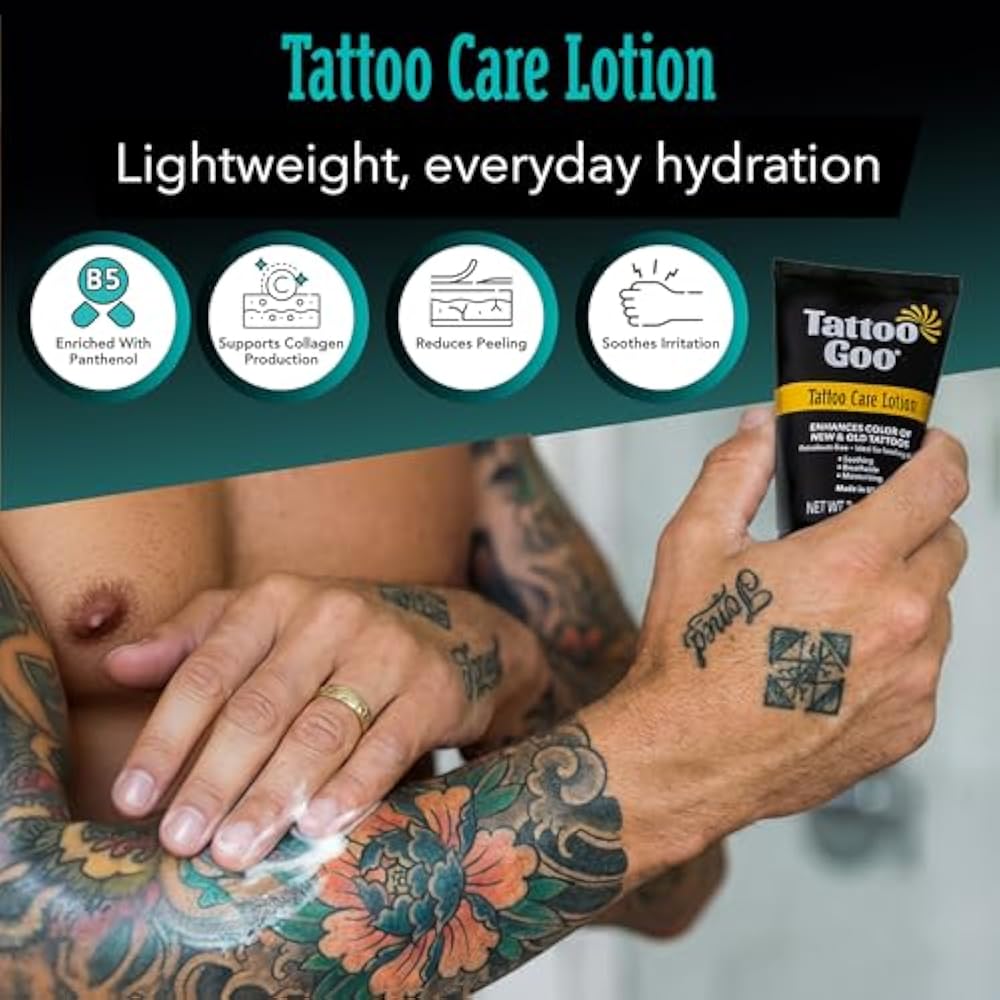
- Panthenol (Pro-Vitamin B5): Supports skin repair and moisture retention.
- Shea Butter: Provides protective hydration while reducing dryness.
- Glycerin: Attracts moisture into the skin.
- Ceramides: Help restore the skin barrier.
- Allantoin: Supports soothing and recovery.
- Vitamin E: Helps maintain skin condition during healing.
Experienced tattoo artists often observe that tattoos heal more comfortably when products focus on barrier repair rather than simply coating the skin.
Strong healing products do not necessarily feel heavy. In tropical climates, lightweight barrier-support formulas often outperform thick occlusive ointments during later healing stages.
Ingredients to Avoid on a Fresh Tattoo
Fresh tattoos are more vulnerable to irritation than intact skin. Fragrances, harsh alcohols, exfoliating acids, and heavily scented skincare products can interfere with healing and increase discomfort, redness, and inflammation.
Consumers should avoid:
- Artificial fragrances
- Strong essential oils
- Alcohol-heavy formulations
- Retinoids
- AHAs and BHAs
- Physical exfoliants
- Strong whitening products
A common mistake in Vietnam is applying traditional skincare products to healing tattoos because they are already available at home. Many facial and body products contain active ingredients designed for cosmetic improvement rather than wound recovery.
Warning signs that a product may not be suitable include:
- Persistent burning sensation
- Increasing redness after application
- Rash formation
- Excessive itching
- New swelling several days into healing
Why Tattoo Aftercare Is Different in Saigon’s Climate
Saigon’s combination of heat, humidity, UV exposure, and daily perspiration creates healing challenges rarely addressed in generic tattoo aftercare guides. Effective aftercare in tropical environments requires balancing hydration with breathability to prevent irritation and support healthy skin recovery.
Many aftercare recommendations originate from North America or Europe, where environmental conditions differ significantly. A tattoo healing comfortably in a dry climate may react very differently in Ho Chi Minh City’s weather.
This is where localized aftercare becomes important.
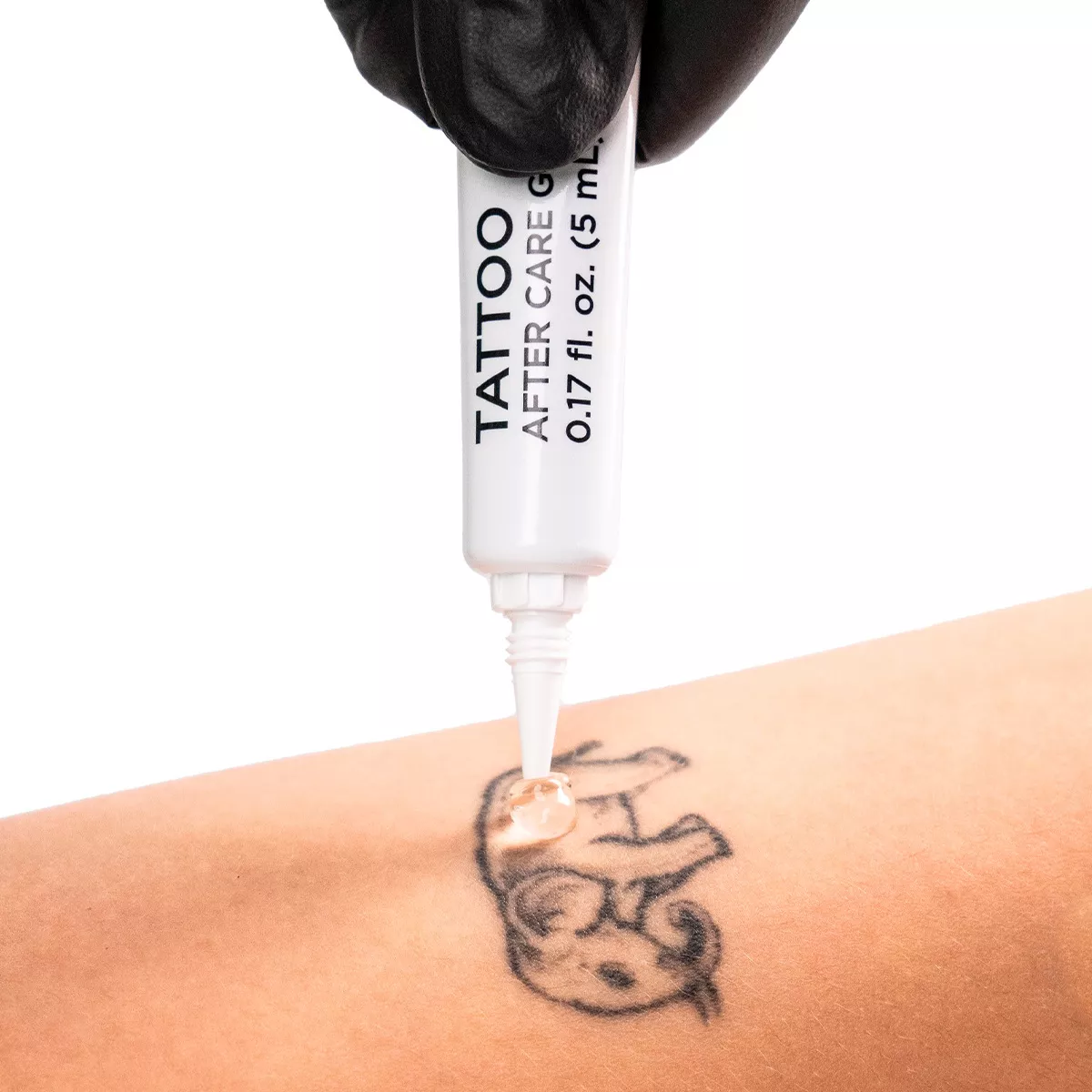
How Humidity Affects Tattoo Healing
High humidity can slow evaporation of sweat and moisture from the skin surface. While hydration is beneficial, excessive moisture around a healing tattoo can contribute to irritation, clogged pores, and delayed recovery when aftercare products are applied too heavily.
In Saigon, it is common for clients to sweat even during routine daily activities. This creates unique challenges:
- Sweat accumulation under clothing
- Increased friction during commuting
- Long exposure to humid environments
- Higher likelihood of over-moisturization
Real-world example:
A client receiving a large forearm tattoo during Vietnam’s rainy season may experience prolonged moisture exposure from sweat and humidity. Applying thick ointment several times daily could leave the tattoo constantly saturated, increasing discomfort and prolonging peeling.
In many cases, a thinner application applied less frequently produces better healing outcomes.
Common Tropical Climate Healing Mistakes
The most common tattoo aftercare mistakes in tropical climates involve excessive product use, poor sweat management, and misunderstanding the difference between hydration and over-moisturization. These mistakes often lead to irritation rather than improved healing.
Professional tattoo artists in Southeast Asia frequently encounter the following issues:
- Applying thick ointment every few hours.
- Covering tattoos unnecessarily after the first day.
- Wearing tight clothing over healing areas.
- Ignoring sweat buildup during outdoor activities.
- Exposing fresh tattoos to direct sunlight.
- Using heavily scented body lotions.
Information Gain Insight: One of the least discussed risks in tropical regions is friction-related irritation. Constant contact between damp clothing and healing skin can create more problems than dryness itself.
Practical prevention strategies include:
- Choosing breathable fabrics.
- Cleaning sweat promptly.
- Applying thin product layers.
- Avoiding prolonged outdoor exposure.
- Allowing airflow whenever possible.
Expert Tattoo Artist Insights from Ho Chi Minh City
Experienced tattoo artists in Ho Chi Minh City often adapt aftercare instructions based on season, tattoo placement, and client lifestyle. The most successful healing outcomes typically come from simplified routines focused on cleanliness, moderate hydration, and avoiding environmental stressors.
Artists commonly report that tattoos heal best when clients:
- Wash with a gentle fragrance-free cleanser.
- Apply minimal amounts of aftercare products.
- Avoid touching the tattoo unnecessarily.
- Keep workouts limited during early healing.
- Protect tattoos from direct sunlight.
An often-overlooked observation is that office workers and remote workers generally experience fewer healing complications than individuals working outdoors or commuting long distances by motorbike every day.
This demonstrates why aftercare recommendations should be customized rather than universally applied.
Recommended Tattoo Aftercare Products Available in Saigon
The best tattoo aftercare products available in Saigon combine proven healing ingredients, reliable skin-barrier support, and compatibility with tropical weather conditions. Product selection should consider healing stage, skin sensitivity, tattoo size, and daily activity level rather than brand popularity alone.
While no single product is ideal for every person, several categories consistently perform well for tattoo recovery in Vietnam’s climate.
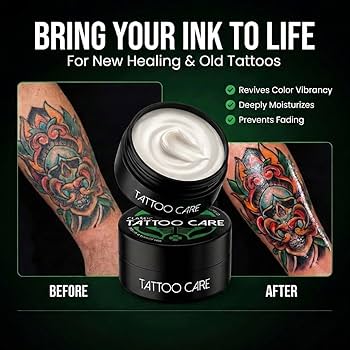
In the next section, we’ll examine specific healing balms, moisturizers, and cleansers, including when to use them, who they are best suited for, and how to avoid common purchasing mistakes.
Best Healing Balm for New Tattoos
Lucky Tattoo, a professional tattoo artist, has over 10 years of experience in the art of tattooing in Ho Chi Minh City. Lucky Tattoo Studio was founded in 2014 by skilled and kind artists. All tattoos are provided in a clean, strictly controlled, and friendly environment.
Healing balms are typically most beneficial during the first one to two weeks after getting tattooed. Their primary role is to reduce excessive dryness while supporting natural skin regeneration.
Professional tattoo artists often recommend products that prioritize ingredient quality rather than aggressive marketing claims. Effective formulations generally include:
- Panthenol (Pro-Vitamin B5)
- Shea Butter
- Natural emollients
- Skin barrier support ingredients
- Fragrance-free formulations
One overlooked factor is application quantity. Many clients apply five to ten times more product than necessary. A properly applied balm should leave a slight sheen rather than a thick visible coating.
Who Should Use a Healing Balm?
Healing balms are most appropriate for individuals experiencing tightness, mild flaking, and dryness during early tattoo recovery. They are especially useful for larger tattoos, blackwork pieces, and areas exposed to friction from clothing.
- First-time tattoo clients
- Large tattoo recipients
- Individuals with naturally dry skin
- People healing during air-conditioned indoor work
- Clients following artist-directed aftercare plans
People with very oily skin may require less product and fewer applications than individuals with dry skin.
Best Tattoo Moisturizers for Long-Term Care
Once peeling begins to decrease, lightweight moisturizers become more important than healing ointments. Quality moisturizers maintain hydration, improve comfort, support skin barrier health, and help preserve tattoo color vibrancy over time.
A common mistake is continuing to use heavy ointments for several weeks. At this stage, many tattoos benefit from lighter products containing:
- Glycerin
- Ceramides
- Panthenol
- Hyaluronic acid
- Fragrance-free moisturizers
Real-world observation from tattoo professionals shows that tattoos receiving consistent moisturization often retain sharper appearance and more even color compared with tattoos allowed to become chronically dry.
Signs Your Tattoo Needs More Moisture
Tattoos generally require additional moisture when the skin feels tight, appears dull, or experiences excessive itching. Proper hydration should improve comfort without leaving a greasy residue.
- Visible dryness
- Persistent itching
- Tight skin sensation
- Excessive flaking
- Loss of healthy skin texture
Hydration should feel balanced. If the tattoo remains shiny for hours after application, excessive product may be being used.
Best Gentle Cleansers for Tattoo Washing
Gentle fragrance-free cleansers help remove sweat, bacteria, excess ink residue, and environmental contaminants without disrupting the healing skin barrier. Consistent cleansing is one of the most effective yet overlooked tattoo aftercare practices.
Saigon’s climate increases exposure to perspiration, airborne particles, and pollution. Proper washing becomes especially important during the first week.
Look for cleansers that are:
- Fragrance-free
- Sulfate-free when possible
- Non-exfoliating
- Designed for sensitive skin
- Easy to rinse completely
Avoid scrubbing, washcloths, exfoliating gloves, and harsh antibacterial products unless specifically recommended by a healthcare professional.
Step-by-Step Tattoo Aftercare Routine
A successful tattoo aftercare routine follows the natural healing process rather than applying the same treatment every day. The most effective approach combines cleansing, controlled hydration, environmental protection, and gradual adjustment as the tattoo progresses through different healing stages.
Many complications occur because clients fail to adjust their routine as healing progresses. What works on day one may be unnecessary by week three.
First 24 Hours After Getting Tattooed
The first 24 hours are focused on protection, cleanliness, and minimizing trauma to freshly tattooed skin. Following artist instructions carefully during this period significantly reduces the risk of complications.
- Leave the protective covering on as directed.
- Wash hands thoroughly before touching the tattoo.
- Use lukewarm water and gentle cleanser.
- Pat dry using clean disposable paper towels.
- Apply a thin layer of approved aftercare product.
Do not soak the tattoo, expose it to direct sunlight, or participate in activities that generate excessive sweating.
Days 2–7: Managing Peeling and Itching
Days two through seven often involve mild peeling, flaking, and itching. These reactions are normal parts of skin recovery and should not be treated aggressively.
Most experienced artists advise:
- Continue gentle cleansing.
- Apply thin moisturizer layers.
- Do not scratch.
- Do not pick peeling skin.
- Avoid swimming pools and hot tubs.
One of the biggest mistakes during this phase is removing flakes prematurely. Picking healing skin can remove pigment and affect final tattoo appearance.
Weeks 2–4: Transitioning to Moisturizers
During weeks two to four, surface healing is usually well underway. Most clients can transition away from healing balms toward lightweight moisturizers focused on maintaining skin health.
At this stage:
- Peeling decreases.
- Itching improves.
- Skin texture begins normalizing.
- Color becomes more visible.
However, the skin barrier is still recovering beneath the surface. Consistent moisturizing remains important even after the tattoo appears healed.
Long-Term Tattoo Maintenance
Long-term tattoo quality depends heavily on skin health, hydration, and sun protection. Even perfectly healed tattoos can fade prematurely if neglected after the initial healing period.
Best practices include:
- Daily moisturization.
- Broad-spectrum sunscreen use.
- Hydration and healthy skin care habits.
- Avoiding excessive UV exposure.
- Monitoring skin changes.
Research consistently identifies ultraviolet radiation as one of the primary contributors to tattoo fading and color degradation over time.
Common Tattoo Aftercare Myths Debunked
Many tattoo aftercare myths originate from outdated advice, anecdotal experiences, or misunderstanding how skin heals. Following evidence-based practices rather than internet folklore significantly improves healing outcomes and reduces unnecessary risks.
Does More Ointment Speed Up Healing?
No. Excessive ointment use does not accelerate recovery and may actually create healing problems. A thin protective layer is generally more effective than repeatedly coating the tattoo throughout the day.
Over-application can:
- Trap sweat
- Increase irritation
- Create excessive moisture
- Delay healthy skin recovery
Should You Let a Tattoo Dry Out?
No. Modern tattoo aftercare supports balanced hydration rather than complete dryness. While over-moisturization is problematic, excessive dryness can increase discomfort and compromise healing quality.
The goal is controlled moisture, not constant wetness or complete dehydration.
Is Coconut Oil Enough for Tattoo Aftercare?
Coconut oil may provide moisture but should not automatically replace purpose-designed tattoo aftercare products. Individual skin responses vary, and coconut oil lacks some of the barrier-support ingredients found in modern healing formulations.
Some users tolerate coconut oil well, while others experience clogged pores or irritation. Product selection should consider skin type, climate, and tattoo size.
How to Choose the Right Tattoo Aftercare Product
The ideal tattoo aftercare product depends on tattoo size, healing stage, skin type, climate conditions, and personal sensitivity. Selecting products based on individual circumstances often produces better results than following generalized recommendations.
Product Selection by Tattoo Size
Larger tattoos generally require more consistent hydration and monitoring than smaller designs because a greater surface area of skin is healing simultaneously.
| Tattoo Size | Primary Concern | Recommended Focus |
|---|---|---|
| Small | Localized dryness | Simple hydration routine |
| Medium | Balanced recovery | Cleanser and moisturizer |
| Large/Sleeve | Extended healing demands | Structured aftercare plan |
Product Selection by Skin Type
Different skin types respond differently to tattoo aftercare products. Understanding skin characteristics can help prevent irritation and improve healing comfort.
- Dry Skin: Richer moisturizers may be beneficial.
- Oily Skin: Lightweight formulas are often preferable.
- Sensitive Skin: Fragrance-free products are strongly recommended.
- Combination Skin: Balanced hydration works best.
Product Selection by Tattoo Style
Different tattoo styles can have slightly different aftercare priorities depending on pigment density, saturation level, and skin trauma during application.
- Fine-line tattoos require gentle protection.
- Color tattoos benefit from long-term UV protection.
- Blackwork tattoos may experience extended peeling.
- Large realism pieces often require careful moisture management.
Where to Buy Tattoo Aftercare Products in Saigon
Reliable tattoo aftercare products can be purchased through reputable tattoo studios, dermatology-focused skincare retailers, professional suppliers, and established e-commerce platforms. Authenticity is often more important than finding the lowest price.
Tattoo Studios That Stock Aftercare Products
Many professional tattoo studios carry products they personally use and recommend. Purchasing directly from experienced artists often reduces the risk of counterfeit or improperly stored products.
Benefits include:
- Professional guidance
- Product authenticity
- Usage instructions
- Aftercare support
Online vs In-Store Purchases
Both online and in-store purchases can be effective when buyers prioritize reputable sellers. Consumers should verify product authenticity, packaging quality, expiration dates, and seller reputation.
Warning signs include:
- Unusually low prices
- Damaged packaging
- Missing manufacturer information
- Unknown sellers without reviews
Frequently Asked Questions About Tattoo Aftercare Products in Saigon
What is the best tattoo aftercare product in Saigon’s humid climate?
Lightweight fragrance-free healing balms and moisturizers containing panthenol, glycerin, and skin barrier support ingredients generally perform best in tropical conditions.
How often should I moisturize a new tattoo?
Most tattoos benefit from thin applications two to three times daily, though individual skin needs and artist recommendations should take priority.
Can humidity slow tattoo healing?
Humidity itself is not necessarily harmful, but excessive moisture combined with sweat, friction, and over-application of products can contribute to irritation and delayed recovery.
Is Bepanthen or tattoo balm better for fresh tattoos?
Both can be effective when used appropriately. The ideal choice depends on skin type, healing stage, and guidance from the tattoo artist.
What ingredients should I avoid on a healing tattoo?
Avoid fragrances, harsh alcohols, exfoliating acids, retinoids, and heavily scented skincare products during active healing.
How long should tattoo aftercare continue?
Most active healing routines last two to four weeks, but moisturizing and UV protection should continue long-term for optimal tattoo preservation.
Where can I buy authentic tattoo aftercare products in Ho Chi Minh City?
Professional tattoo studios, reputable skincare retailers, and established online marketplaces with verified sellers are generally the safest sources.
When should I seek medical attention for a tattoo?
Consult a healthcare professional if you experience increasing redness, severe swelling, pus, fever, spreading warmth, or worsening pain after the first few days.
Expert Recommendations for Faster Healing and Better Color Retention
The most successful tattoo healing outcomes come from consistent cleansing, moderate hydration, climate-aware aftercare, and long-term skin protection. Small daily habits often have a greater impact on tattoo quality than any individual product.
Top 5 Aftercare Rules Every Tattoo Owner Should Follow
Following a few evidence-based principles dramatically improves healing quality and reduces common complications.
- Keep the tattoo clean.
- Use thin layers of aftercare products.
- Avoid scratching and picking.
- Protect the tattoo from sunlight.
- Follow professional artist instructions.
When to Contact a Doctor
Most tattoos heal without complications, but certain symptoms require medical evaluation. Early intervention can prevent more serious issues from developing.
- Increasing redness after several days
- Spreading swelling
- Pus or unusual discharge
- Fever
- Severe pain
- Red streaking from the tattoo site
A healthy healing tattoo typically improves gradually each day. Symptoms that become progressively worse rather than better should never be ignored.
Whether you are getting your first tattoo or adding to an existing collection, choosing the right tattoo aftercare products in Saigon is one of the most important investments you can make in the final result. By combining expert guidance, climate-specific practices, high-quality ingredients, and consistent long-term care, you can maximize healing quality, preserve color vibrancy, and protect your artwork for years to come.