What is Vietnamese Painting Tattoo Art?
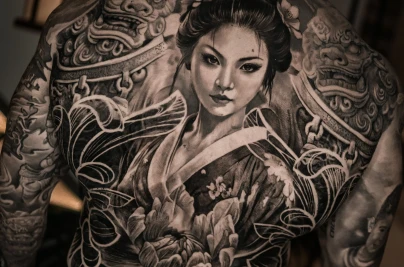
Vietnamese painting tattoo art is a contemporary tattoo style that translates traditional Vietnamese folk painting aesthetics into body art. It blends visual language from Đông Hồ and Hàng Trống paintings with modern tattoo techniques such as fine line, watercolor, and brushstroke simulation, preserving cultural symbolism while adapting it for skin-based expression and global tattoo culture.
Information Gain Insight: Unlike generic “Asian tattoo” trends, Vietnamese painting tattoo art is uniquely rooted in narrative folk prints originally designed for festivals and spiritual storytelling. This gives each tattoo layered meaning rather than purely decorative appeal, making cultural literacy essential before choosing designs.
Origins in Đông Hồ and Hàng Trống Painting
Vietnamese painting tattoo art originates from two major traditional art schools: Đông Hồ woodblock painting from Bac Ninh and Hàng Trống paintings from Hanoi. These art forms historically depicted folklore, moral lessons, and spiritual themes using natural pigments, symbolic imagery, and simplified yet expressive compositions that now inspire tattoo reinterpretations.
Expert Perspective: Tattoo artists specializing in Vietnamese-inspired work often study original folk prints to preserve compositional balance and symbolic hierarchy. Misinterpreting these elements can lead to visually appealing but culturally inaccurate tattoos that lose their intended meaning.
How traditional brush painting becomes tattoo design
Traditional Vietnamese brush painting is transformed into tattoo art by converting ink textures into layered linework, shading gradients, and controlled color washes. Artists often reconstruct compositions digitally before stencil transfer, ensuring that brushflow aesthetics are preserved while adapting to skin curvature and long-term ink stability.
Symbolism Behind Vietnamese Tattoo Art
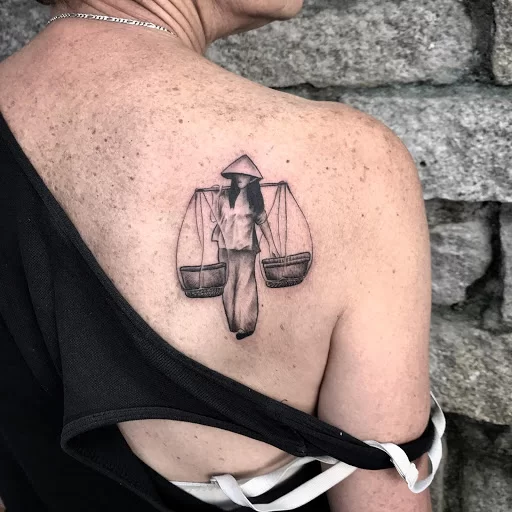
Vietnamese painting tattoo art carries deep symbolic meaning derived from Buddhist, Confucian, and Taoist philosophy. Common motifs such as dragons, lotus flowers, and koi fish represent balance, enlightenment, resilience, and spiritual transformation, making each design not just visual art but also a narrative of personal and cultural identity.
Information Gain Element: A common misconception is that these symbols are interchangeable with other Asian tattoo motifs. In reality, Vietnamese interpretations often differ in meaning—for example, dragons in Vietnamese culture are associated more with prosperity and rainfall than aggression or domination seen in Western fantasy depictions.
Dragon, lotus, and koi fish meanings explained
Dragon motifs symbolize authority, cosmic energy, and protection in Vietnamese tradition, often linked to national origin myths. Lotus flowers represent purity and spiritual awakening, emerging clean from muddy water. Koi fish reflect perseverance and transformation, commonly tied to life challenges and self-improvement journeys within Eastern philosophy.
Expert Insight: Tattoo practitioners frequently combine these symbols into composite designs to reflect layered personal narratives, such as resilience (koi), enlightenment (lotus), and protection (dragon) within a single cohesive composition.
Misconceptions about Asian tattoo symbols
Many global tattoo clients mistakenly assume Asian symbols share identical meanings across cultures. However, Vietnamese symbolism is context-specific and historically tied to folk storytelling rather than rigid iconography, meaning interpretation requires cultural understanding rather than aesthetic selection alone.
Modern Vietnamese Painting Tattoo Styles
Modern Vietnamese painting tattoo styles reinterpret traditional folk aesthetics using contemporary tattoo techniques such as watercolor blending, fine-line detailing, and abstract brushstroke simulation. These styles maintain cultural storytelling while adapting to global tattoo trends, making them highly popular among collectors seeking meaningful yet visually dynamic body art.
Information Gain Insight: The rise of Vietnamese painting tattoo art is closely linked to global demand for “heritage tattoos,” where clients prioritize cultural storytelling over minimalistic decoration. This shift has pushed artists to collaborate with cultural researchers and historians to maintain authenticity in design adaptation.
How artists adapt folk paintings into skin art
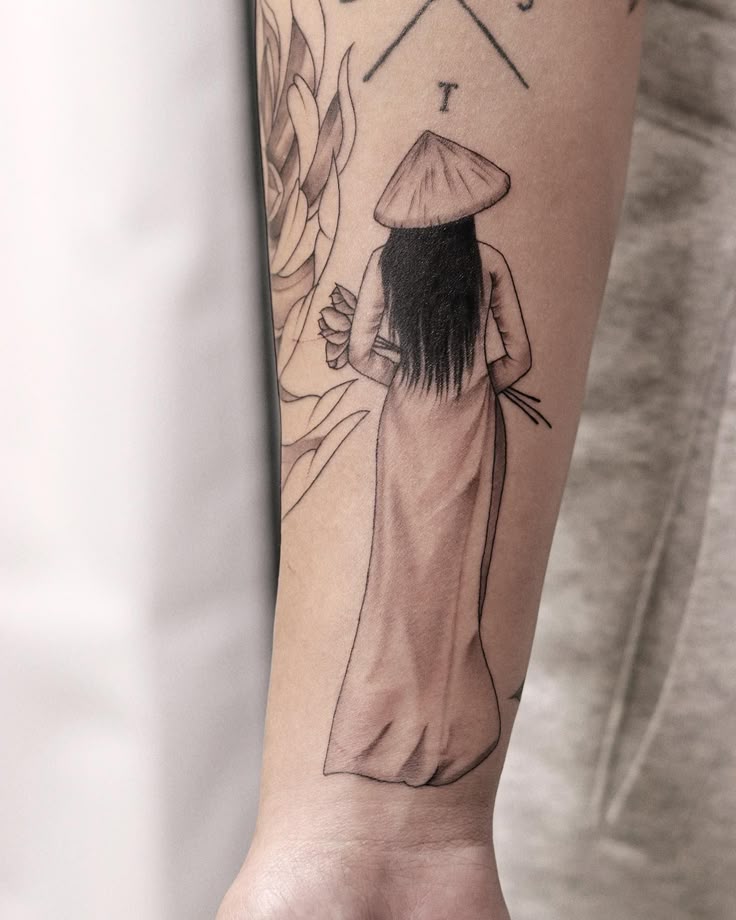
Artists adapt Vietnamese folk paintings into tattoos by reconstructing composition flow, simplifying woodblock textures, and translating pigment-based visuals into ink-compatible gradients. The process requires balancing artistic fidelity with anatomical placement to ensure the design remains legible and visually stable over time on different skin areas.
Professional Recommendation: Experienced tattoo artists often conduct cultural reference mapping before designing, ensuring each motif aligns with its traditional meaning rather than purely aesthetic reinterpretation. This prevents cultural dilution and enhances long-term artistic value.
Real-world studio examples in Vietnam
In cities like Hanoi and Ho Chi Minh City, tattoo studios increasingly specialize in heritage-inspired designs, blending Vietnamese silk painting aesthetics with modern tattoo technology. These studios often collaborate with local artists to preserve authenticity while appealing to international clients seeking culturally grounded body art.
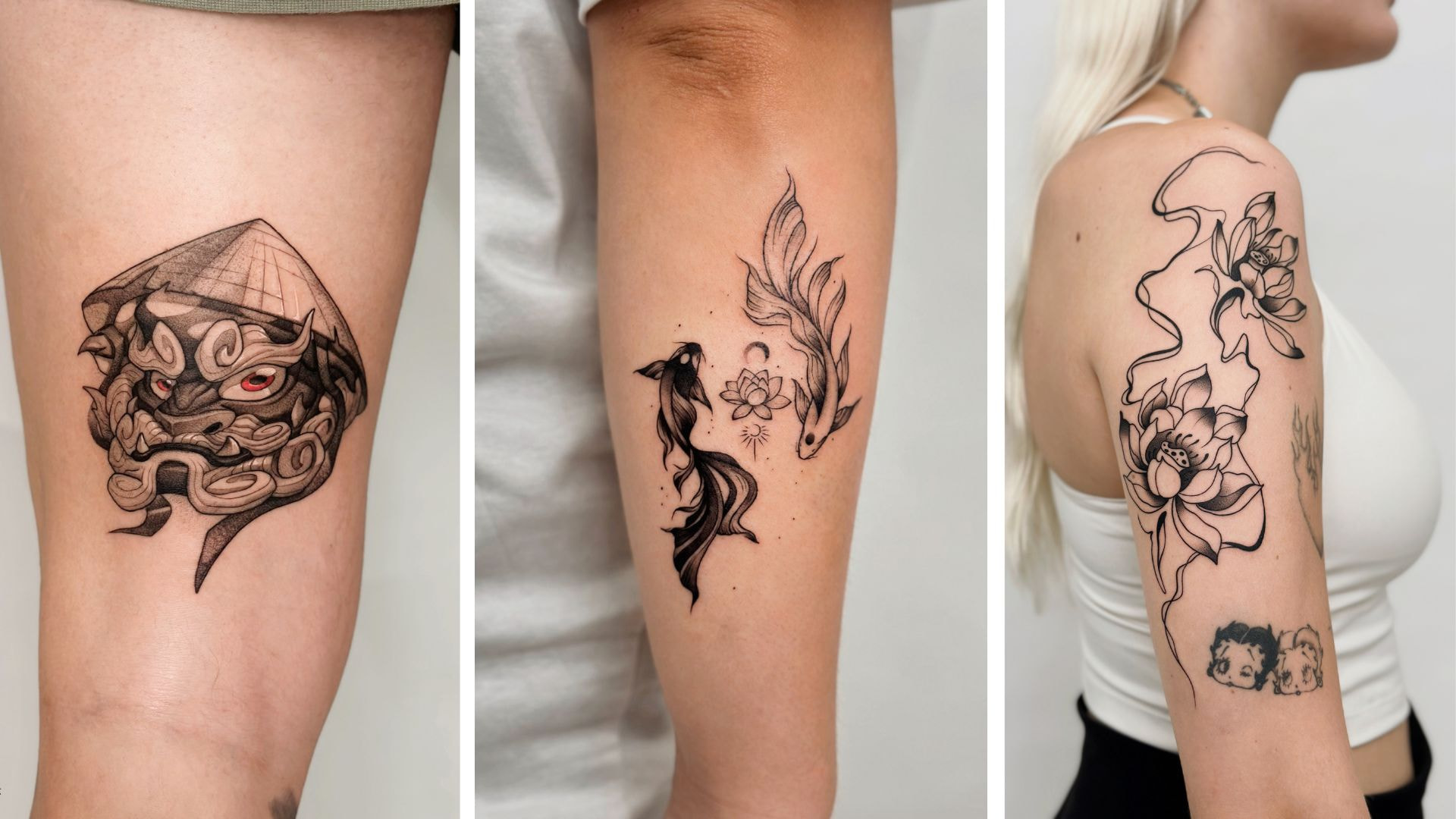
Section Transition Note: The next part of this article will explore cultural ethics, design selection strategies, and how to choose meaningful Vietnamese-inspired tattoo compositions without cultural misinterpretation or aesthetic misuse.
Cultural Respect & Tattoo Ethics in Vietnamese Painting Tattoo Art
Lucky Tattoo, a professional tattoo artist, has over 10 years of experience in the art of tattooing in Ho Chi Minh City. Lucky Tattoo Studio was founded in 2014 by skilled and kind artists. All tattoos are provided in a clean, strictly controlled, and friendly environment.
Information Gain Insight: Unlike many global tattoo trends that prioritize aesthetics first, Vietnamese-inspired tattooing often demands a cultural consultation step. Ethical practitioners emphasize “meaning before design,” ensuring symbols like dragons or lotus flowers are not arbitrarily combined in ways that distort traditional narratives.
What to know before getting Vietnamese-inspired tattoos
Vietnamese-inspired tattoos should be approached with an understanding of cultural symbolism, historical context, and design intent. Before committing, clients should research motif meanings, consult experienced tattoo artists familiar with Southeast Asian art, and ensure the design reflects personal values aligned with Vietnamese cultural philosophy rather than purely visual attraction.
Expert Recommendation: Tattoo artists with experience in Vietnamese painting styles often discourage copying museum imagery directly. Instead, they encourage reinterpretation guided by storytelling principles found in Đông Hồ and Hàng Trống traditions, ensuring cultural continuity rather than replication.
- Research symbol meanings before selecting designs
- Ask artists about cultural interpretation accuracy
- Avoid mixing unrelated spiritual motifs
- Prioritize composition balance over complexity
Expert recommendations from tattoo artists
Professional tattoo artists specializing in Vietnamese painting tattoo art recommend starting with narrative intent rather than visual preference. This means identifying personal themes such as resilience, protection, or harmony, then translating those themes into culturally aligned symbols under expert guidance.
Common Mistake: Many clients select motifs from social media without understanding layered meanings. This often results in visually appealing tattoos that lack coherence or unintentionally combine conflicting philosophical symbols.
Why Vietnamese Painting Tattoo Art Is Trending Globally
Vietnamese painting tattoo art is trending globally due to increased interest in heritage-driven body art that blends cultural storytelling with modern aesthetics. Social media exposure, global tattoo conventions, and rising appreciation for Southeast Asian art have positioned this style as both visually distinctive and culturally meaningful.
Information Gain Element: Unlike mainstream tattoo styles driven by repetition, Vietnamese painting tattoo art benefits from “cultural scarcity”—few artists globally specialize in authentic adaptation, making each piece more unique and sought after among collectors and art-focused tattoo enthusiasts.
Influence of social media and global tattoo culture
Social media platforms such as Instagram and Pinterest have significantly accelerated the visibility of Vietnamese painting tattoo art. Artists in Vietnam and abroad now showcase reinterpretations of folk paintings, allowing global audiences to discover culturally rooted tattoo aesthetics that were previously inaccessible outside Southeast Asia.
Industry Insight: Viral tattoo designs often originate from culturally rich compositions rather than abstract minimalism. Vietnamese folk-inspired tattoos stand out because they combine storytelling depth with visually intricate brushstroke techniques.
Information gap competitors miss
Many competitors focus exclusively on visual inspiration without addressing cultural origin, which weakens long-term authority and E-E-A-T signals. Vietnamese painting tattoo art, however, requires contextual storytelling—without it, designs lose authenticity and risk becoming disconnected aesthetic imitations rather than meaningful cultural expressions.
How to Choose the Right Vietnamese Painting Tattoo Design
The right Vietnamese painting tattoo design should align personal meaning with cultural symbolism and anatomical placement. A strong design balances storytelling, visual harmony, and longevity on skin, ensuring the tattoo remains meaningful and visually stable over time while respecting traditional Vietnamese artistic principles.
Information Gain Insight: One overlooked factor is “symbol interaction”—how multiple Vietnamese motifs interact within a single composition. In traditional art, elements are arranged hierarchically, meaning improper placement can unintentionally change narrative meaning or weaken symbolic clarity.
Matching symbolism with personal meaning
Matching symbolism involves identifying personal values such as resilience, transformation, or spiritual growth, then aligning them with Vietnamese cultural symbols like koi fish, lotus flowers, or dragons. This ensures tattoos remain personally meaningful while respecting the original philosophical intent behind each motif.
- Lotus = spiritual clarity and growth
- Dragon = protection and prosperity
- Koi fish = perseverance and transformation
Expert Insight: Tattoo specialists often conduct “meaning mapping sessions” where clients describe life experiences, which are then translated into culturally accurate symbolic combinations.
Common mistakes when choosing designs
Common mistakes include overloading designs with multiple unrelated symbols, ignoring cultural context, or prioritizing aesthetics over meaning. These errors can result in visually cluttered tattoos that lack narrative coherence and may misrepresent Vietnamese cultural heritage.
Warning: Overly complex compositions may also age poorly on skin, as fine details can blur over time, reducing both aesthetic quality and symbolic clarity.
Frequently Asked Questions (FAQ)
These FAQs address common user queries about Vietnamese painting tattoo art, optimized for voice search, AI Overviews, and conversational discovery. Answers focus on clarity, cultural accuracy, and practical decision-making to support both beginners and informed tattoo enthusiasts.
What is Vietnamese painting tattoo art?
It is a tattoo style inspired by traditional Vietnamese folk paintings like Đông Hồ and Hàng Trống, combining cultural symbolism with modern tattoo techniques such as watercolor and fine-line design.
Are Vietnamese tattoo symbols culturally significant?
Yes, most symbols carry deep meanings tied to Vietnamese philosophy, including Buddhism, Confucianism, and Taoism, representing concepts like harmony, prosperity, and spiritual growth.
Is it respectful to get a Vietnamese-inspired tattoo?
Yes, if the design is chosen with cultural understanding and created in collaboration with knowledgeable artists who respect the original meanings of the symbols.
What are the most common Vietnamese tattoo motifs?
Common motifs include dragons, lotus flowers, koi fish, and elements from folk paintings that symbolize protection, enlightenment, and resilience.
How does Đông Hồ painting influence tattoo design?
Đông Hồ painting influences tattoo art through its bold compositions, symbolic storytelling, and use of simplified yet expressive visual forms adapted into modern tattoo styles.
Conclusion: The Cultural Depth of Vietnamese Painting Tattoo Art
Vietnamese painting tattoo art represents more than a visual trend—it is a cultural translation of centuries-old folk storytelling into modern body art. When approached with respect, research, and artistic collaboration, it becomes a powerful medium for expressing identity, philosophy, and personal narrative while preserving Vietnamese artistic heritage in a global context.