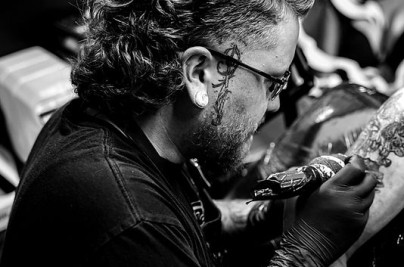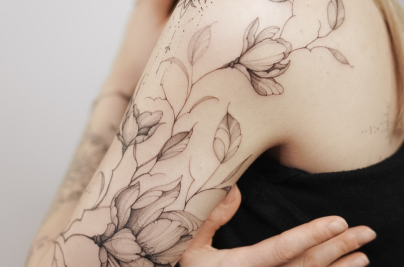
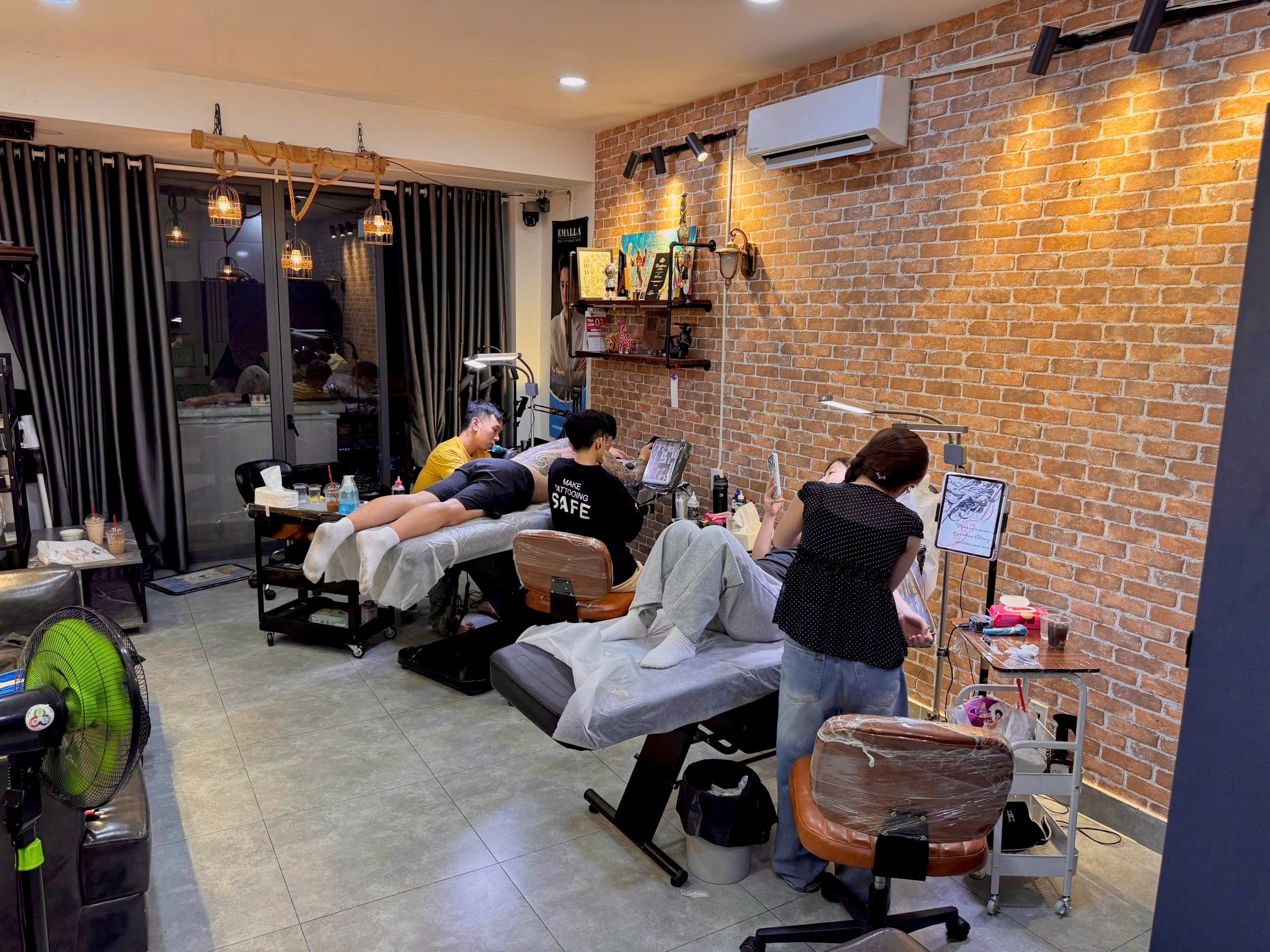
Choosing a tattoo studio is about far more than artistic skill. In a tropical city like Saigon, the studio environment plays a significant role in comfort, hygiene, concentration, and the overall tattoo experience. Whether you’re planning a small minimalist tattoo or a full-day sleeve session, a professionally air-conditioned tattoo studio can make a measurable difference in how comfortable you feel and how smoothly the session progresses.
Many clients focus exclusively on portfolios and pricing, but experienced tattoo collectors often evaluate another factor first: the studio environment. Temperature control, cleanliness, humidity management, and client comfort directly affect long sessions and contribute to a more professional experience from consultation through aftercare.
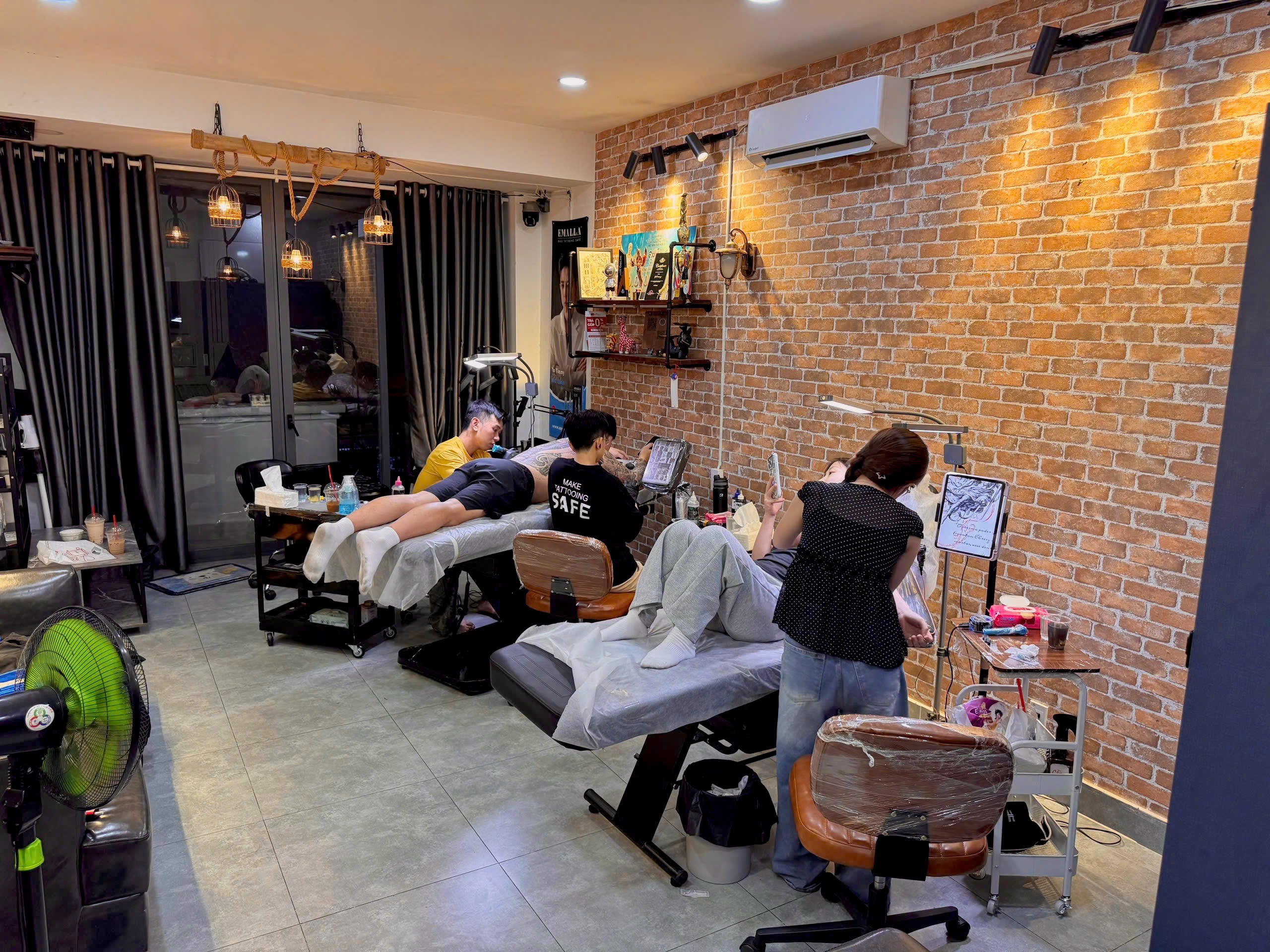
Why Choose an Air Conditioned Tattoo Studio in Saigon?
An air conditioned tattoo studio in Saigon provides a cooler, cleaner, and more comfortable environment for both clients and artists. Climate control helps reduce excessive sweating, supports hygiene standards, improves concentration during long sessions, and creates a more professional atmosphere that enhances the overall tattoo experience.
Saigon’s tropical climate brings high temperatures and humidity throughout much of the year. While this weather is ideal for many outdoor activities, it presents challenges inside tattoo studios if temperature control is inadequate. Tattooing often requires clients to remain in the same position for several hours, making comfort a practical necessity rather than a luxury.
Professional tattoo studios understand that environmental conditions influence client satisfaction, artist performance, and studio cleanliness. A climate-controlled workspace helps maintain consistent conditions throughout the day, regardless of weather fluctuations outside.
How Saigon’s Tropical Climate Affects Tattoo Sessions
High temperatures and humidity can make lengthy tattoo appointments physically demanding. In tropical climates, clients often experience increased sweating, discomfort, fatigue, and restlessness, which may affect their ability to sit comfortably during detailed tattoo work.
Many first-time clients underestimate how long tattoo sessions can last. A medium-sized custom design may require three to five hours, while large-scale projects such as sleeves, back pieces, or realistic portraits can take an entire day.
During hot weather, excessive sweating creates several practical challenges:
- Reduced comfort during long sessions.
- Greater physical fatigue.
- Increased need for breaks.
- Difficulty maintaining a stable position.
- Potential discomfort around freshly tattooed skin.
An overlooked factor competitors rarely discuss is the psychological impact of temperature. Clients who feel physically comfortable are generally more relaxed, communicate better with artists, and tolerate longer sessions with less stress.
Expert Observation: Experienced tattoo artists often report that comfortable clients tend to sit more steadily, allowing for greater precision during detailed linework, realism, and intricate shading.
Why Air Conditioning Improves Comfort During Long Tattoo Appointments
Climate-controlled studios improve comfort by maintaining stable temperatures throughout lengthy appointments. This helps clients remain relaxed, reduces heat-related discomfort, and creates an environment where artists can focus entirely on producing high-quality tattoo work.
Comfort directly affects the tattoo experience. During shorter sessions, environmental conditions may seem less important. However, the impact becomes obvious during appointments lasting four, six, or even eight hours.
Benefits of a temperature-controlled tattoo studio include:
- Improved client relaxation.
- Reduced sweating.
- More consistent artist performance.
- Better concentration for detailed work.
- A cleaner and more professional atmosphere.
- Greater overall satisfaction during long sessions.
Clients frequently describe a comfortable studio as one of the most memorable aspects of their tattoo experience, particularly when undergoing large custom projects.
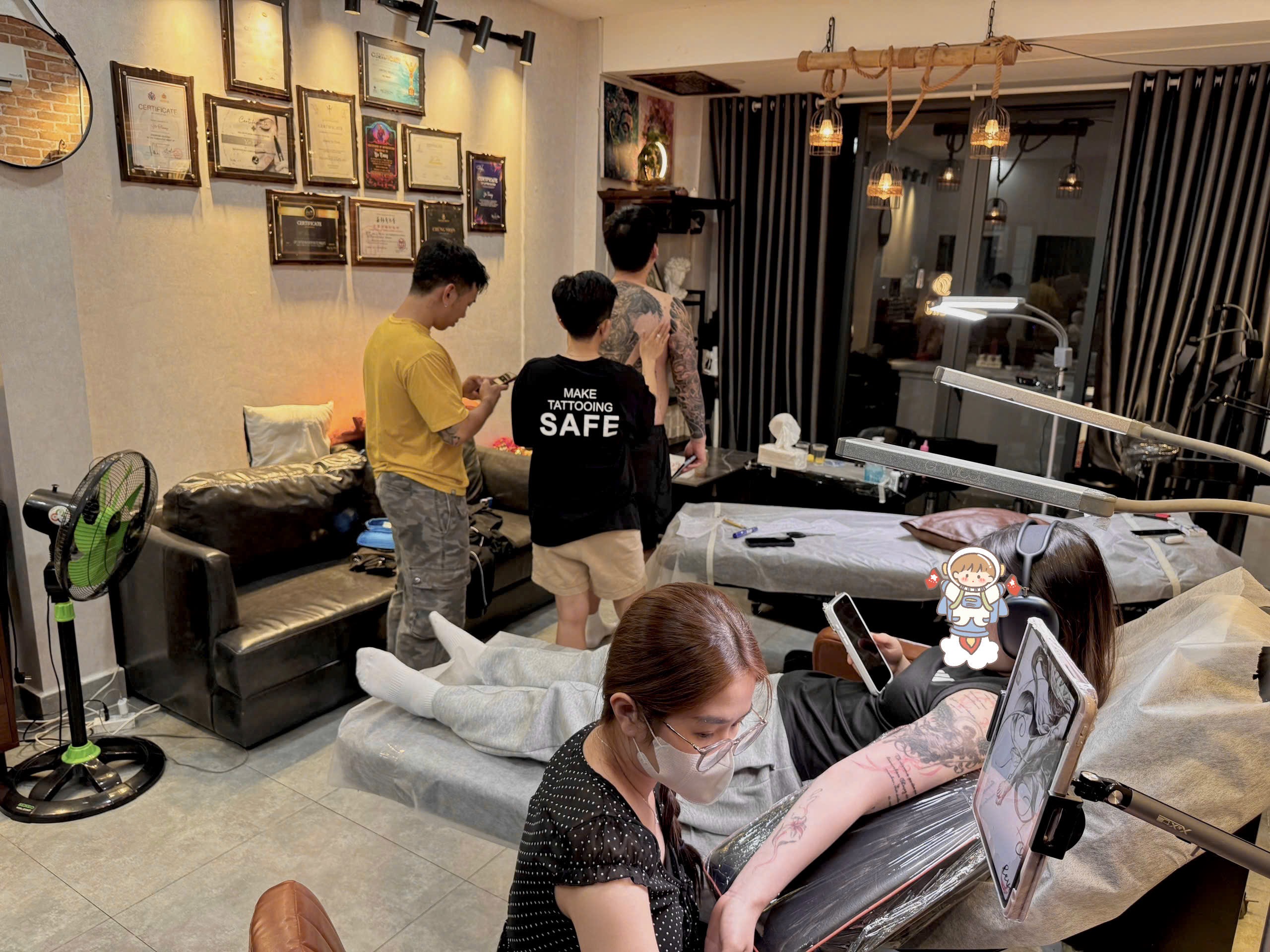
Common Misconception: Air Conditioning Is Just a Luxury
Many people view air conditioning as a convenience feature, but in professional tattoo studios it contributes to comfort, cleanliness, and operational consistency. For longer appointments, temperature control becomes a practical component of delivering a high-quality client experience.
A common misconception is that artistic skill alone determines tattoo quality. While artistic expertise is essential, professional tattooing also depends on environmental factors that support precision and client comfort.
Consider two scenarios:
| Non-Climate-Controlled Environment | Air Conditioned Studio |
|---|---|
| Hot and humid conditions | Stable, comfortable temperature |
| Client fatigue increases faster | Client remains relaxed longer |
| More discomfort during extended sessions | Greater endurance for large projects |
| Variable working conditions | Consistent professional environment |
The difference is especially noticeable during full-day tattoo sessions where both artist and client benefit from a controlled environment.
How Climate-Controlled Studios Support Better Hygiene Standards
Air conditioned tattoo studios support hygiene by helping maintain a cleaner, more controlled environment. While air conditioning alone does not guarantee safety, it complements professional sterilization procedures and contributes to a more comfortable and sanitary workspace.
Hygiene should always be one of the primary considerations when selecting a tattoo studio. Professional studios invest heavily in cleanliness, sterilization protocols, and safe tattooing practices to protect both clients and artists.
Temperature and humidity control are often overlooked components of maintaining a professional workspace.
Temperature, Humidity, and Sterile Working Conditions
Humidity management helps support a cleaner studio environment. In tropical climates, controlling indoor conditions can improve overall comfort while complementing established cleaning and sterilization procedures.
Professional tattoo studios typically combine multiple layers of protection, including:
- Routine cleaning schedules.
- Sterilized equipment.
- Disposable barriers.
- Single-use needles.
- Proper workstation maintenance.
- Environmental cleanliness controls.
An important insight many competitors fail to explain is that hygiene is a system rather than a single feature. Clients should evaluate the entire operational process rather than focusing on one visible element.
Warning signs of poor hygiene may include:
- Untidy workstations.
- Unclear sterilization procedures.
- Lack of disposable supplies.
- Poor studio maintenance.
- Reluctance to answer safety questions.
Disposable Equipment and Sterilization Practices
Professional tattoo studios use sterilized equipment and disposable supplies to minimize contamination risks. Clients should feel comfortable asking artists about safety procedures before booking an appointment.
Reputable studios are generally transparent about their hygiene standards because client safety is fundamental to professional tattooing.
Before committing to a studio, verify that staff can clearly explain:
- Needle disposal procedures.
- Equipment sterilization methods.
- Workstation preparation processes.
- Cross-contamination prevention measures.
- Aftercare recommendations.
Studios that prioritize safety typically welcome these questions and provide clear, confident answers.
What Clients Should Check Before Booking
Evaluating a tattoo studio before booking helps reduce risk and improves the likelihood of a positive experience. A few simple checks can reveal a great deal about professionalism and safety standards.
- Review recent portfolio work.
- Inspect studio cleanliness.
- Ask about sterilization protocols.
- Read verified client reviews.
- Evaluate communication quality.
- Confirm aftercare support.
- Observe overall professionalism.
Experienced tattoo collectors often say that the best studios demonstrate professionalism before the tattoo even begins.
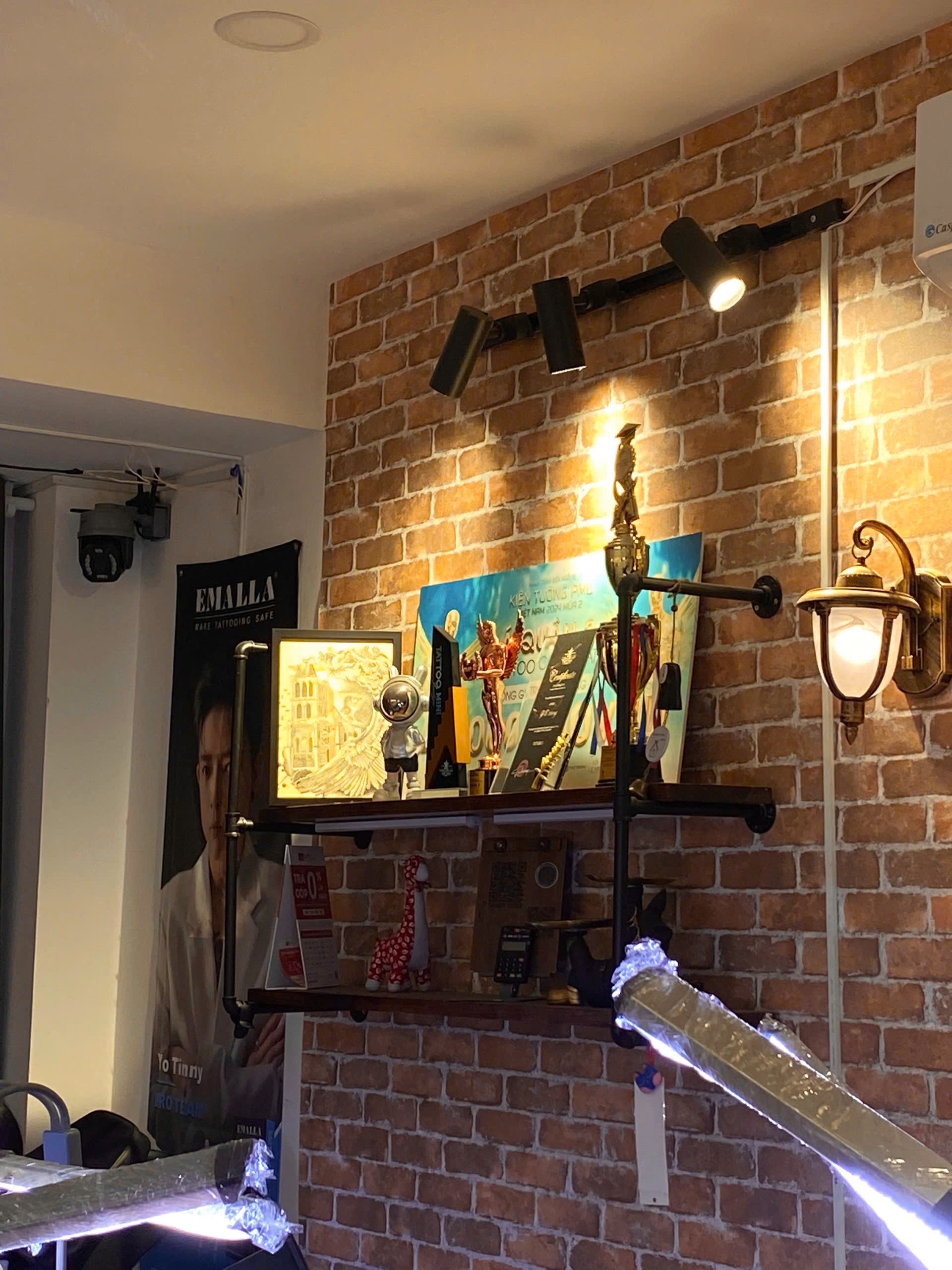
Benefits of Air Conditioning for Tattoo Artists and Clients
Air conditioning benefits both clients and artists by creating a stable, comfortable environment that supports concentration, precision, and endurance. This often leads to a smoother tattoo experience, especially during complex or long-duration projects.
One aspect rarely discussed in competitor content is the effect of environmental comfort on artist performance. Tattooing requires sustained concentration, precise hand movements, and consistent execution over many hours.
Just as surgeons, designers, and craftsmen benefit from optimized work environments, tattoo artists perform best when working under comfortable and controlled conditions.
Improved Artist Focus and Precision
A comfortable studio environment allows tattoo artists to maintain focus for longer periods. Better concentration can contribute to consistency, particularly when executing fine details, smooth shading transitions, and highly technical tattoo styles.
Large-scale custom tattoos often involve thousands of precise movements. Small distractions can accumulate over several hours, making a stable environment increasingly valuable.
Professional artists commonly work across multiple disciplines, including:
- Fine line tattoos.
- Black and grey realism.
- Japanese tattooing.
- Color realism.
- Geometric designs.
- Custom illustrative work.
Each style benefits from an environment that supports sustained concentration and precision.
Better Client Comfort Leads to Better Tattoo Outcomes
Comfortable clients generally sit more steadily, communicate more effectively, and tolerate longer sessions with fewer interruptions. This creates conditions that help artists execute tattoos more efficiently and consistently.
A practical example is a client receiving a half-sleeve tattoo that requires six hours of work. In a hot environment, fatigue and discomfort may increase significantly over time. In a climate-controlled studio, the same client is more likely to remain relaxed and cooperative throughout the appointment.
This relationship between comfort and tattoo quality is one of the most overlooked factors in the industry.
Continue Reading: In the next section, we’ll examine real-world examples of long tattoo sessions, how to identify a truly professional tattoo studio in Saigon, and the complete tattoo journey from consultation to aftercare.
What Makes a Professional Tattoo Studio in Saigon?
Lucky Tattoo, a professional tattoo artist, has over 10 years of experience in the art of tattooing in Ho Chi Minh City. Lucky Tattoo Studio was founded in 2014 by skilled and kind artists. All tattoos are provided in a clean, strictly controlled, and friendly environment.
Many clients searching for the best tattoo studio in Ho Chi Minh City focus primarily on visual results. While artwork quality remains essential, experienced collectors often evaluate the complete client experience. The most respected studios excel in multiple areas simultaneously, including custom design capabilities, cleanliness, customer communication, and aftercare support.
Professionalism is often visible before the tattoo begins. How a studio handles consultations, explains procedures, answers safety questions, and manages expectations reveals much about its standards.
Experienced Tattoo Artists and Custom Designs
Experienced tattoo artists provide more than technical execution. They help clients refine concepts, adapt designs to anatomy, recommend appropriate sizing, and ensure tattoos remain visually effective over time.
One common mistake is selecting an artist solely because of a low price or social media popularity. Skilled tattooing requires technical training, artistic understanding, and practical experience working with different skin types and tattoo styles.
When reviewing portfolios, consider:
- Line consistency and precision.
- Shading smoothness.
- Healed tattoo examples.
- Style specialization.
- Custom design capability.
- Long-term portfolio consistency.
Professional artists also understand how placement affects longevity. A design that looks impressive digitally may require modification to work effectively on the body.
Information Gain: Many clients compare fresh tattoos online but overlook healed results. Healed tattoos often provide a more accurate indicator of an artist’s long-term quality and technical proficiency.
Studio Cleanliness and Safety Protocols
Cleanliness is a foundational requirement of professional tattooing. Reputable studios implement strict sterilization protocols, maintain organized workstations, and follow procedures designed to reduce contamination risks.
Clients should never hesitate to ask questions regarding:
- Needle disposal procedures.
- Surface disinfection routines.
- Barrier protection systems.
- Equipment sterilization practices.
- Aftercare recommendations.
A trustworthy studio treats safety discussions as part of the client education process rather than as an inconvenience.
Warning signs include rushed consultations, unclear answers regarding sterilization, poor workstation organization, or visible lapses in cleanliness.
Customer Reviews and Reputation Indicators
Customer reviews provide valuable insight into consistency, professionalism, communication quality, and overall client satisfaction. However, reviews should be evaluated strategically rather than viewed in isolation.
Look beyond simple star ratings and focus on recurring themes such as:
- Professional communication.
- Studio cleanliness.
- Artist expertise.
- Comfort during sessions.
- Healing outcomes.
- Aftercare support.
Reviews that describe detailed experiences often provide greater value than generic praise.
An overlooked indicator of quality is repeat clientele. Studios with a high percentage of returning customers often demonstrate consistent service standards and long-term trust.
The Tattoo Process: What to Expect From Consultation to Aftercare
Understanding the tattoo process helps clients prepare effectively, reduce anxiety, and make informed decisions. Professional studios guide clients through consultation, design planning, tattoo execution, and aftercare to ensure a positive experience and successful healing.
Many first-time clients worry about pain, preparation, or what happens after the appointment. A structured process creates clarity and helps establish realistic expectations.
Consultation and Design Planning
The consultation stage allows artists and clients to align expectations, discuss design concepts, evaluate placement options, and identify potential challenges before tattooing begins.
Effective consultations typically include:
- Design discussion.
- Reference review.
- Placement recommendations.
- Sizing adjustments.
- Style selection.
- Budget estimation.
- Session planning.
Experienced artists frequently recommend modifications that improve readability, balance, and long-term appearance without compromising the original concept.
Clients should arrive prepared with reference materials while remaining open to professional guidance.
During the Tattoo Session
During the tattoo appointment, artists focus on precision, hygiene, and client comfort. Maintaining a calm, comfortable environment supports concentration and contributes to a smoother overall experience.
Preparation recommendations include:
- Get adequate sleep.
- Eat a nutritious meal beforehand.
- Stay hydrated.
- Avoid excessive alcohol consumption.
- Wear comfortable clothing.
- Follow studio instructions.
Clients undergoing large-scale projects should expect scheduled breaks and periodic position adjustments.
This is where an air conditioned tattoo studio becomes particularly valuable. Comfortable conditions help reduce fatigue during longer appointments and improve the overall experience for both artist and client.
Professional Aftercare Recommendations
Proper aftercare plays a critical role in tattoo healing, appearance, and long-term durability. Following professional aftercare instructions helps minimize complications and supports optimal healing outcomes.
While aftercare protocols vary slightly among artists, common recommendations include:
- Keeping the tattoo clean.
- Avoiding unnecessary friction.
- Following washing instructions carefully.
- Applying recommended aftercare products.
- Avoiding prolonged sun exposure.
- Monitoring healing progress.
Research from dermatology and public health sources consistently emphasizes cleanliness and proper wound care as important factors in reducing infection risk.
Common Aftercare Mistakes to Avoid
Many tattoo healing problems result from avoidable mistakes rather than issues with the tattoo itself. Understanding common errors helps protect both appearance and skin health.
- Ignoring aftercare instructions.
- Picking or scratching healing skin.
- Overexposure to sunlight.
- Using inappropriate products.
- Excessive soaking during early healing.
- Returning to intense physical activities too quickly.
Clients should contact their artist if they have questions about the healing process rather than relying on unverified online advice.
Why Comfort Matters More Than Most People Realize
Comfort significantly influences the tattoo experience, particularly during long appointments. A comfortable client is generally more relaxed, more cooperative, and better able to remain still, supporting both tattoo quality and overall satisfaction.
Many competing articles mention comfort briefly but fail to explain its broader impact on tattoo outcomes. Comfort affects physical endurance, psychological state, communication quality, and the ability to complete detailed work efficiently.
The Connection Between Relaxation and Tattoo Experience
Relaxed clients often experience a smoother tattoo session because reduced stress supports communication, concentration, and overall cooperation throughout the appointment.
Tattooing can be mentally demanding, especially for first-time clients. Anxiety often increases perceived discomfort and can make sessions feel longer than they actually are.
Professional studios help create a positive environment through:
- Clear communication.
- Comfortable seating.
- Professional consultation.
- Clean surroundings.
- Climate-controlled spaces.
These factors work together to create an experience that feels less intimidating and more enjoyable.
How Climate Control Enhances Overall Client Satisfaction
Climate control contributes to a better client experience by maintaining comfort, supporting cleanliness, and helping both artists and clients perform at their best during long sessions.
Consider a client receiving a full-day sleeve tattoo during a humid Saigon afternoon. In an uncomfortable environment, fatigue may become a dominant memory of the experience. In a professionally air-conditioned studio, the focus remains on the artwork, consultation, and creative process.
This distinction often explains why clients specifically seek out climate-controlled tattoo studios when researching options in Ho Chi Minh City.
Overlooked Insight: Client satisfaction is influenced not only by the final tattoo but also by the overall experience. Comfortable studio environments frequently contribute to stronger reviews, referrals, and repeat bookings.
How to Choose the Best Air Conditioned Tattoo Studio in Saigon
Choosing the best air conditioned tattoo studio requires evaluating artistic quality, hygiene practices, studio comfort, communication standards, and overall professionalism. The most reliable studios consistently perform well across all categories rather than excelling in only one area.
With numerous tattoo studios operating throughout Ho Chi Minh City, a structured evaluation process helps clients make informed decisions.
Questions to Ask Before Booking
Asking the right questions before booking helps identify reputable studios and reduces the likelihood of misunderstandings regarding design expectations, pricing, scheduling, and aftercare.
- Do you specialize in my preferred tattoo style?
- Can I see healed examples of your work?
- What sterilization procedures do you follow?
- How should I prepare for my appointment?
- What aftercare instructions do you recommend?
- How long is the expected session?
- Is the studio fully air conditioned?
Studios that provide detailed, transparent answers typically demonstrate stronger professionalism.
Signs of a High-Quality Studio
High-quality tattoo studios consistently demonstrate professionalism, cleanliness, transparency, and strong artistic standards. These indicators are usually visible long before the tattoo appointment begins.
| Positive Indicators | Potential Red Flags |
|---|---|
| Clean, organized workspace | Poor cleanliness standards |
| Professional consultation process | Rushed communication |
| Clear safety procedures | Vague hygiene explanations |
| Strong portfolio consistency | Limited verified work |
| Detailed aftercare guidance | Minimal client education |
Evaluating multiple indicators provides a more accurate picture than focusing on a single factor.
Why a Comfortable Environment Can Improve Your Entire Tattoo Journey
A comfortable environment supports every stage of the tattoo process, from consultation and design discussions to long tattoo sessions and positive client memories after completion.
The best tattoo experiences result from a combination of artistic skill, safety standards, communication, and comfort. Climate-controlled studios create conditions that help all of these elements work together effectively.
For clients investing in meaningful body art, choosing an air conditioned tattoo studio is often a practical decision that improves both the process and the experience.
Frequently Asked Questions About Air Conditioned Tattoo Studios in Saigon
Why is an air conditioned tattoo studio important in Saigon?
Saigon’s tropical climate can be hot and humid. Air conditioning helps improve comfort, reduce excessive sweating, and create a more professional environment for long tattoo sessions.
Does air conditioning affect tattoo quality?
While artistic skill remains the primary factor, a comfortable environment can help both artists and clients maintain focus, which may contribute to a smoother tattooing process.
Is a climate-controlled studio more hygienic?
Air conditioning alone does not guarantee hygiene, but it supports a cleaner and more comfortable environment when combined with professional sterilization and safety protocols.
How long do most tattoo sessions last?
Small tattoos may take under an hour, while larger custom projects such as sleeves, back pieces, or realism tattoos can require multiple sessions lasting several hours each.
What should I look for in a professional tattoo studio?
Look for experienced artists, strong portfolios, transparent hygiene practices, positive reviews, clear communication, and a clean, comfortable studio environment.
Can excessive heat make tattoo sessions more difficult?
High temperatures may increase discomfort and fatigue during lengthy appointments, which is why many clients prefer air conditioned studios in tropical climates.
How important is aftercare after getting a tattoo?
Proper aftercare is essential for healing, appearance, and long-term tattoo quality. Following your artist’s instructions helps reduce complications and supports optimal results.
Conclusion
An air conditioned tattoo studio in Saigon offers advantages that extend beyond simple comfort. Climate control supports a more professional environment, improves the client experience during long sessions, complements hygiene standards, and helps artists maintain focus throughout detailed work.
When choosing a tattoo studio in Ho Chi Minh City, evaluate the complete experience rather than focusing solely on price or portfolio images. Professional artists, strong safety practices, transparent communication, effective aftercare support, and a comfortable climate-controlled environment all contribute to successful tattoo outcomes.
For both first-time clients and experienced collectors, selecting a reputable air conditioned tattoo studio can help ensure that the journey is as positive and memorable as the artwork itself.