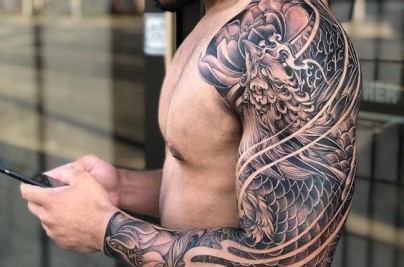
Traditional American tattoo, often called Old School tattooing, remains one of the most recognizable and enduring styles in body art. Defined by bold black outlines, limited but highly saturated colors, and instantly recognizable imagery, the style has survived more than a century of changing tattoo trends. While many modern tattoo styles prioritize detail and realism, Traditional American tattoos were built around durability, readability, and symbolism—qualities that continue to attract both first-time collectors and experienced tattoo enthusiasts.
From sailors crossing oceans to contemporary tattoo collectors seeking timeless artwork, Traditional American tattoos represent more than aesthetics. They tell stories of adventure, loyalty, sacrifice, freedom, love, and resilience. Understanding the history and principles behind the style helps ensure that the tattoo you choose today remains visually powerful decades from now.
What Is a Traditional American Tattoo?
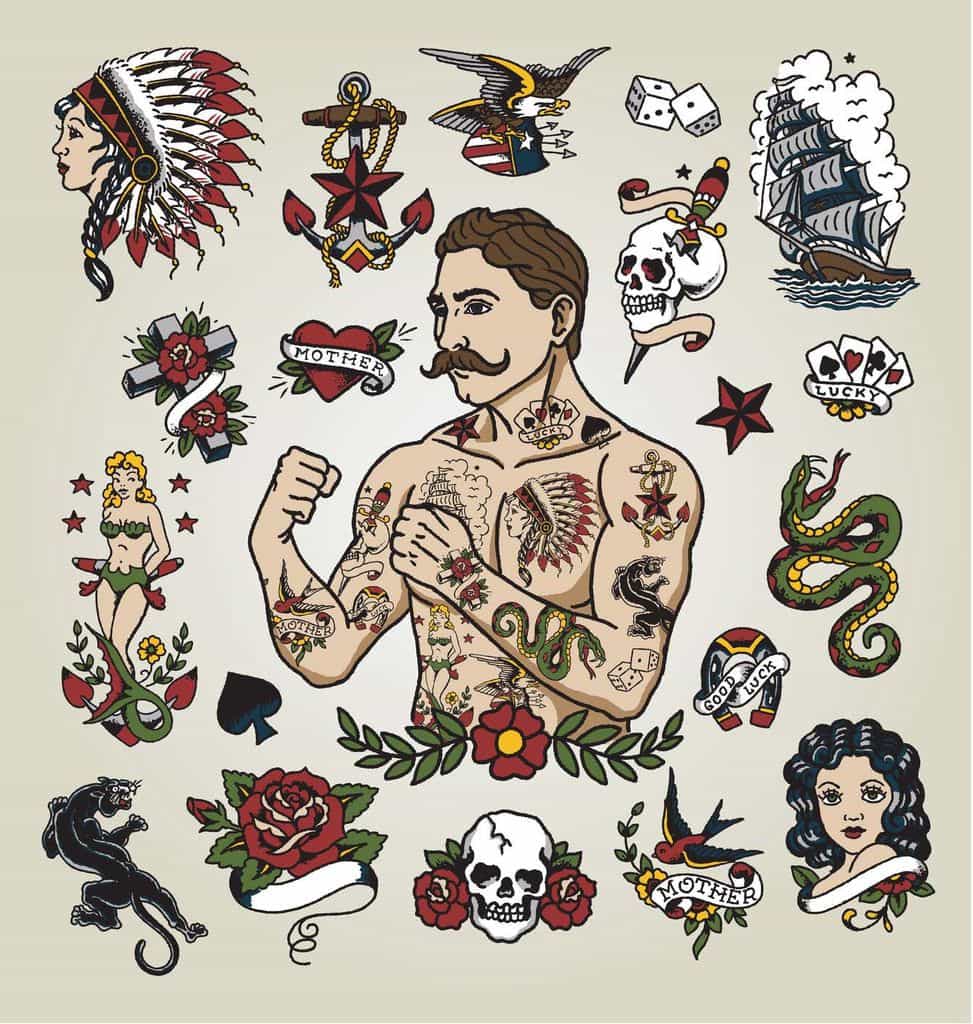
Traditional American tattoos are a classic tattoo style characterized by thick black outlines, simple shading, limited color palettes, and symbolic imagery such as anchors, eagles, roses, ships, and swallows. The style prioritizes clarity, longevity, and strong visual impact, making it one of the most enduring forms of tattoo art worldwide.
The roots of Traditional American tattooing can be traced to the late nineteenth and early twentieth centuries, when sailors, military personnel, and traveling workers helped spread tattoo culture throughout ports and cities. Unlike many contemporary styles that focus on intricate detail, Traditional tattoos follow a disciplined visual language designed to remain legible over time.
At its core, Traditional tattooing follows several principles:
- Bold, consistent black outlines
- Limited but vibrant color schemes
- Strong contrast between elements
- Simple, readable compositions
- Highly symbolic imagery
- Designs optimized for long-term aging
One misconception often repeated online is that Traditional tattoos are “simple” because artists lacked technical skill. In reality, creating a successful Traditional tattoo requires significant technical precision. Every line weight, color choice, and compositional element must contribute to long-term readability.
Key Features That Define the Style
Traditional American tattoos are instantly recognizable because they follow strict artistic principles. Thick outlines, limited colors, simplified shapes, and iconic imagery work together to create designs that remain bold and legible for decades rather than years.
Several characteristics distinguish Traditional tattoos from other tattoo styles:
| Feature | Traditional American Style |
|---|---|
| Line Work | Heavy black outlines |
| Color Palette | Red, yellow, green, blue, black |
| Shading | Minimal and strategic |
| Composition | Simple and highly readable |
| Subject Matter | Symbolic and iconic |
| Aging Performance | Excellent long-term visibility |
One overlooked aspect is how Traditional tattoo artists intentionally use negative space. Empty skin is treated as an active design element rather than an area to fill. This approach prevents visual clutter and significantly improves aging performance.
Why Traditional Tattoos Remain Popular Today
Traditional American tattoos remain popular because they balance artistic heritage, symbolic meaning, and exceptional longevity. Their bold structure allows designs to remain recognizable over decades, making them one of the most practical tattoo styles available.
Modern tattoo trends often come and go, but Traditional tattoos continue attracting collectors because they solve a problem many people only consider years after getting tattooed: aging.
Experienced tattoo artists frequently observe that heavily detailed tattoos can lose definition as ink naturally spreads beneath the skin over time. Traditional designs account for this reality from the beginning.
Expert observation: Many tattoos are designed for social media photographs immediately after completion. Traditional tattoos are designed to look good twenty years later.
This long-term perspective is one reason many veteran tattoo artists continue recommending Traditional designs for first-time collectors.
The History of Traditional American Tattoos
Traditional American tattooing emerged through a combination of maritime culture, military traditions, international artistic influences, and pioneering tattoo artists. The style evolved from practical symbolism and eventually became the foundation of modern Western tattoo culture.
Understanding the history behind Traditional tattoos provides valuable context for the symbols and artistic conventions still used today.

Early Maritime and Military Influences
Traditional American tattoo culture was heavily influenced by sailors and military personnel who traveled globally and brought tattoo traditions back to the United States. Many of today’s iconic symbols originated from maritime experiences and naval traditions.
During the Age of Sail, sailors frequently received tattoos while visiting foreign ports throughout Asia and the Pacific. These designs often served practical and symbolic purposes.
Common examples included:
- Anchors representing stability and safe return
- Swallows symbolizing successful voyages
- Ships commemorating significant journeys
- Nautical stars representing guidance
- Eagles symbolizing patriotism and strength
These tattoos functioned almost like visual journals. Long before smartphones or digital photographs, sailors used tattoos to document major milestones and experiences.
Information Gain Insight: Many modern articles discuss sailors receiving tattoos but rarely explain that tattoos also served identification purposes. In an era before modern record systems, tattoos could help identify individuals lost at sea or during military service.
The Rise of Sailor Jerry and Tattoo Flash Culture
Sailor Jerry helped standardize and refine Traditional American tattooing through improved techniques, cleaner designs, and iconic flash artwork. His influence remains visible in countless modern Traditional tattoos created today.
Norman Keith Collins, widely known as Sailor Jerry, became one of the most influential figures in tattoo history. Working primarily in Hawaii, he developed a distinct approach that combined Western tattoo traditions with technical insights gained from Japanese tattooing.
His contributions included:
- Cleaner line application
- Improved color saturation
- More durable tattoo pigments
- Enhanced hygiene practices
- Refined flash artwork standards
Flash sheets became especially important during this period. These collections of pre-drawn designs allowed clients to quickly select artwork while helping artists maintain consistency and efficiency.

Many of today’s most recognizable Traditional designs can trace their lineage directly to flash sheets developed during the early and mid-twentieth century.
How Traditional Tattoos Shaped Modern Tattooing
Traditional American tattooing established many of the artistic and technical principles that continue influencing contemporary tattoo styles. Even artists specializing in realism, blackwork, or Neo-Traditional designs often rely on foundational concepts developed by Traditional tattoo pioneers.
Several modern tattoo disciplines inherited key lessons from Traditional tattooing:
- Importance of composition
- Use of contrast for readability
- Strategic placement considerations
- Long-term aging awareness
- Strong visual hierarchy
A common misconception is that Traditional tattooing represents an outdated style. In reality, many respected contemporary artists consider it the foundation of successful tattoo design because it emphasizes principles that remain relevant regardless of artistic trends.
Core Design Elements of Traditional American Tattoos
Traditional American tattoos rely on a carefully balanced combination of bold outlines, strong contrast, simplified imagery, and controlled color palettes. These design choices are not accidental; they were developed to maximize visibility, durability, and artistic impact over time.
Many people focus on the imagery itself, but the true strength of Traditional tattooing lies in the design system behind the artwork.
Bold Black Outlines and High Contrast
Bold black outlines are the defining feature of Traditional American tattooing because they preserve shape and readability as tattoos age. High-contrast compositions ensure that designs remain visually distinct even after decades of natural skin changes.
Unlike highly detailed tattoos that depend on fine lines and subtle transitions, Traditional tattoos create strong visual separation between design elements.
This approach provides several long-term advantages:
- Improved visibility from a distance
- Greater resistance to visual blurring
- Enhanced healing consistency
- Superior aging performance
- Better readability on diverse skin tones
Expert Insight: Many experienced tattoo artists evaluate a design by viewing it from several feet away. If the tattoo remains recognizable at a distance, the composition is usually strong. Traditional tattoos consistently perform well under this test.
Traditional Color Palettes Explained
Traditional American tattoos use a deliberately limited color palette consisting primarily of red, yellow, green, blue, and black. This restriction creates stronger visual harmony while improving long-term color retention and contrast.
The classic palette became popular not only for aesthetic reasons but also because early pigments performed reliably in skin.
Common color associations include:
- Red – passion, courage, sacrifice
- Yellow – optimism, energy, prosperity
- Green – growth, luck, resilience
- Blue – loyalty, stability, freedom
- Black – strength, structure, permanence
Many modern artists expand these palettes slightly, but the strongest Traditional designs still rely on the original principles of restraint and contrast.
Classic Tattoo Flash Artwork
Traditional tattoo flash consists of pre-designed artwork featuring iconic imagery and proven compositions. Flash designs became popular because they offered clients reliable options while preserving artistic consistency and tattoo quality.
Classic flash remains highly relevant because many designs have already demonstrated exceptional longevity across generations of tattoo collectors.
Popular flash categories include:
- Roses
- Daggers
- Eagles
- Ships
- Swallows
- Panthers
- Hearts
- Snakes
- Pin-up figures
Information Gain Insight: One reason flash artwork has survived for decades is that thousands of healed examples provide real-world proof of performance. Unlike many modern trends, Traditional flash designs have already undergone a century-long durability test.
Before selecting a Traditional tattoo, experienced collectors often ask to see healed examples rather than freshly completed tattoos. This practice reveals how a design truly performs over time and is one of the most valuable yet overlooked steps in choosing a tattoo style.
Lucky Tattoo, a professional tattoo artist, has over 10 years of experience in the art of tattooing in Ho Chi Minh City. Lucky Tattoo Studio was founded in 2014 by skilled and kind artists. All tattoos are provided in a clean, strictly controlled, and friendly environment.
Most Popular Traditional American Tattoo Symbols and Meanings
Traditional American tattoo symbols communicate powerful messages through simple, recognizable imagery. Designs such as anchors, eagles, roses, swallows, snakes, and ships have endured for generations because they combine strong visual appeal with meaningful personal symbolism.
The enduring popularity of these symbols is not accidental. Each design evolved within specific historical contexts and often carried practical significance for sailors, soldiers, laborers, and travelers. Today, these same motifs continue to resonate because they address universal themes such as loyalty, courage, love, sacrifice, and personal growth.
Anchor Tattoos
Anchor tattoos symbolize stability, resilience, hope, and the ability to remain grounded during life’s challenges. Historically associated with sailors, anchors remain one of the most iconic Traditional American tattoo designs.
For seafarers, the anchor represented safety after long voyages. Modern collectors often choose anchor tattoos to represent family, faith, personal values, or a significant life event that provides emotional grounding.
Common misconception: Many assume anchor tattoos are exclusively nautical. In reality, their symbolic meaning has evolved far beyond maritime culture and now encompasses emotional stability and perseverance.
Eagle Tattoos
Eagle tattoos represent freedom, strength, courage, and patriotism. Their bold shapes and dramatic wingspan make them particularly effective within Traditional American tattoo design principles.
Eagles gained popularity among military personnel and remain a staple of American tattoo culture. Their high-contrast structure allows artists to create visually striking designs that maintain readability over time.
Swallow Tattoos
Swallow tattoos symbolize safe return, loyalty, experience, and successful journeys. Traditionally, sailors earned swallow tattoos after reaching specific nautical milestones.
Today, swallows often represent overcoming adversity, returning home safely, or honoring meaningful relationships. Their simple silhouette also makes them one of the most durable Traditional tattoo motifs.
Rose Tattoos
Rose tattoos symbolize love, beauty, sacrifice, passion, and remembrance. Few designs are as versatile or universally recognized within Traditional tattooing.
Different color variations can add layers of meaning, but the rose’s enduring appeal comes from its balance of beauty and symbolism. It works equally well as a standalone tattoo or integrated into larger compositions.
Snake Tattoos
Snake tattoos represent transformation, protection, wisdom, and resilience. Their flowing form allows artists to create dynamic compositions while preserving Traditional design principles.
Historically associated with danger and renewal, snakes remain among the most visually effective Traditional tattoo subjects due to their strong curves and bold silhouettes.
Ships and Nautical Designs
Ship tattoos symbolize adventure, ambition, exploration, and life’s journey. They remain closely tied to the maritime roots of Traditional American tattoo culture.
Detailed enough to tell a story but simple enough to age gracefully, ship tattoos continue to be favorites among collectors seeking meaningful large-scale Traditional artwork.
Why Traditional American Tattoos Age Better Than Many Modern Styles
Traditional American tattoos generally age better because they prioritize bold outlines, strong contrast, strategic spacing, and simplified imagery. These design principles help maintain clarity and readability as skin naturally changes over time.
This topic represents one of the most overlooked aspects of tattoo education. Many tattoo decisions are based solely on fresh photos rather than healed examples. Yet tattoo longevity often becomes the most important factor years after the appointment.
The Science Behind Tattoo Longevity
Tattoo longevity depends on factors such as line thickness, pigment placement, contrast, skin type, sun exposure, and overall design structure. Traditional tattoos are intentionally engineered to perform well under these conditions.
Over time, tattoo pigment naturally migrates slightly beneath the skin. Fine details may soften, and extremely intricate designs can lose definition.
Traditional tattooing addresses this challenge by:
- Using thicker outlines
- Creating strong contrast zones
- Limiting excessive detail
- Maintaining adequate spacing between elements
- Prioritizing visual hierarchy
Expert insight: A tattoo that appears slightly simpler on day one often looks significantly better after ten years than a highly detailed design packed with tiny elements.
Why Bold Lines Stay Visible Longer
Bold outlines remain visible longer because they provide structural integrity as tattoos naturally soften over time. Thick line work preserves the shape and readability of the design even as minor pigment migration occurs.
Many experienced tattoo artists compare Traditional tattoos to strong architecture. The outline serves as the framework supporting the entire composition.
Designs relying heavily on delicate line work often require touch-ups sooner than Traditional tattoos designed around bold structural elements.
Common Design Mistakes That Age Poorly
Certain design decisions increase the risk of premature visual degradation. Overcrowded compositions, excessive detail, poor contrast, and weak outlines are among the most common causes of aging issues.
Warning signs include:
- Tiny unreadable details
- Minimal negative space
- Overlapping visual elements
- Weak contrast between colors
- Excessively thin outlines
Information Gain Insight: Before choosing a tattoo artist, ask to see healed examples at least two years old. This provides more useful information than fresh portfolio photographs.
Traditional vs Neo-Traditional Tattoos
Traditional and Neo-Traditional tattoos share common roots but differ significantly in complexity, color usage, detail level, and artistic flexibility. Understanding these differences helps collectors choose the style that best matches their aesthetic goals.
Many clients confuse the two styles because both use bold outlines and symbolic imagery. However, their visual execution differs substantially.
Major Visual Differences
Traditional tattoos emphasize simplicity and iconic imagery, while Neo-Traditional tattoos introduce greater detail, expanded color palettes, and more illustrative techniques.
| Feature | Traditional | Neo-Traditional |
|---|---|---|
| Detail Level | Simple | Highly detailed |
| Color Palette | Limited | Expanded |
| Shading | Minimal | Complex gradients |
| Aging Potential | Excellent | Good to Excellent |
| Historical Accuracy | Authentic | Modern evolution |
Which Style Is Better for Different Goals?
Traditional tattoos are ideal for collectors prioritizing longevity, historical authenticity, and iconic imagery. Neo-Traditional tattoos appeal to those seeking greater artistic complexity and visual storytelling.
Neither style is inherently superior. The decision depends on personal preferences, placement considerations, and long-term expectations.
Common Misconceptions About Both Styles
Many people mistakenly believe Traditional tattoos are outdated or artistically limited. In reality, they require tremendous discipline and design expertise to execute effectively.
Similarly, Neo-Traditional tattoos are sometimes assumed to age poorly. Well-executed Neo-Traditional work can age beautifully when artists respect principles of spacing, contrast, and readability.
How to Choose the Right Traditional Tattoo Design
Choosing the right Traditional tattoo requires balancing personal meaning, visual impact, body placement, and long-term aging considerations. The strongest designs combine symbolic relevance with proven tattoo fundamentals.
Successful tattoo selection involves more than choosing attractive artwork. It requires evaluating how a design aligns with personal identity and future expectations.
Matching Symbols to Personal Meaning
Traditional tattoo symbols become more meaningful when connected to personal experiences, values, milestones, or aspirations. Symbolism often matters more than visual complexity.
Consider asking:
- What life experience does the tattoo represent?
- Will the meaning remain relevant in ten years?
- Does the symbol reflect personal values?
- Is the imagery timeless?
Choosing Placement for Longevity
Body placement significantly influences tattoo longevity. Areas with lower friction, stable skin texture, and less sun exposure often preserve tattoos more effectively.
Recommended placements include:
- Upper arm
- Outer forearm
- Calf
- Upper thigh
- Upper back
Areas exposed to frequent friction or ultraviolet radiation may require more maintenance over time.
Working With a Traditional Tattoo Artist
Selecting an experienced Traditional tattoo specialist improves the likelihood of achieving strong technical execution, historical accuracy, and long-term performance.
Evaluate artists based on:
- Healed portfolio examples
- Consistency of line work
- Knowledge of Traditional history
- Strong composition skills
- Client testimonials
How to Identify Authentic Traditional Tattoo Work
Authentic Traditional tattoo work follows established design principles including bold outlines, strong contrast, limited color palettes, and historically consistent imagery. Recognizing these characteristics helps collectors avoid poorly executed imitations.
Signs of Genuine Traditional Design Principles
Authentic Traditional tattoos prioritize clarity, balance, symbolism, and longevity. The design should appear visually strong both up close and from a distance.
- Consistent line weight
- Intentional use of negative space
- Strong visual hierarchy
- Classic subject matter
- Balanced composition
Red Flags and Modern Imitations
Many designs marketed as Traditional incorporate excessive detail, weak outlines, and overcrowded compositions that contradict core Traditional principles.
Potential warning signs include:
- Overly complex imagery
- Lack of contrast
- Excessive micro-detail
- Inconsistent line work
- Poor spacing between elements
Traditional American Tattoo Inspiration Gallery
Traditional American tattoos offer exceptional versatility across different sizes, placements, and compositions. From small standalone pieces to full sleeves, the style adapts well while maintaining its distinctive visual identity.
Small Traditional Tattoo Ideas
Small Traditional tattoos work exceptionally well because the style’s simplified design language naturally scales down without losing readability.
- Swallows
- Mini roses
- Daggers
- Hearts
- Anchors
- Nautical stars
Sleeve and Large-Scale Designs
Traditional sleeves combine multiple symbolic elements into cohesive visual narratives. Strategic spacing and thematic consistency help preserve readability across larger compositions.
Popular sleeve themes include maritime adventures, patriotic imagery, wildlife symbolism, and classic flash collections.
Black-and-Grey vs Color Traditional Tattoos
Both black-and-grey and color Traditional tattoos can be highly effective. Color versions align more closely with historical conventions, while black-and-grey designs offer a subtler aesthetic.
The best choice depends on personal preference, skin tone, and overall tattoo collection goals.
The Future of Traditional American Tattooing
Traditional American tattooing continues evolving while preserving the foundational principles that made it successful. New technologies and artistic influences are expanding possibilities without replacing the core values of clarity, symbolism, and longevity.
Digital Design and AI-Generated Tattoo Concepts
Digital tools and AI-generated concepts can assist with inspiration and ideation, but successful Traditional tattoos still depend on human artistic judgment and tattoo-specific expertise.
Experienced artists understand skin behavior, healing patterns, and long-term aging factors that algorithms cannot fully replicate.
Why Traditional Principles Continue to Endure
Traditional tattooing survives because it solves timeless design challenges through proven artistic principles. Strong contrast, symbolism, readability, and durability remain valuable regardless of changing trends.
The style’s continued relevance demonstrates that effective tattoo design depends more on foundational principles than temporary aesthetics.
Frequently Asked Questions
What is the difference between Traditional American and Old School tattoos?
There is no difference. Old School tattoo is simply another name for Traditional American tattooing.
Why do Traditional American tattoos last longer?
Bold outlines, simplified imagery, strong contrast, and strategic spacing help maintain readability as tattoos naturally age.
Who was Sailor Jerry?
Sailor Jerry, born Norman Collins, was a pioneering tattoo artist whose innovations helped define modern Traditional American tattooing.
What colors are used in Traditional tattoos?
Classic palettes typically include red, yellow, green, blue, black, and skin-tone negative space.
Are Traditional tattoos good for first-time tattoo collectors?
Yes. Their durability, timeless appeal, and straightforward symbolism make them excellent choices for beginners.
How can I tell if a Traditional tattoo artist is experienced?
Review healed portfolio examples, examine line consistency, and assess whether the artist understands traditional composition principles.
Do Traditional tattoos require touch-ups?
All tattoos may eventually benefit from touch-ups, but well-executed Traditional tattoos often maintain strong visual impact for many years.
Which Traditional tattoo symbols are most meaningful?
Anchors, eagles, roses, swallows, ships, snakes, hearts, and daggers are among the most symbolically rich Traditional tattoo designs.
Conclusion
Traditional American tattooing remains one of the most influential and respected tattoo styles ever developed. Built upon a foundation of bold outlines, timeless symbolism, disciplined composition, and exceptional longevity, it continues to attract new generations of collectors while maintaining deep connections to its maritime and cultural roots.
Whether you are considering your first tattoo or expanding an existing collection, understanding the principles behind Traditional tattooing can help you make more informed decisions. By focusing on strong symbolism, proven design structures, experienced artists, and long-term performance rather than short-term trends, you increase the likelihood of wearing artwork that remains meaningful and visually powerful for decades.
In an industry constantly evolving through new techniques, technologies, and artistic movements, Traditional American tattooing continues to demonstrate a simple truth: timeless design principles never go out of style.
Lucky Tattoo, a professional tattoo artist, has over 10 years of experience in the art of tattooing in Ho Chi Minh City. Lucky Tattoo Studio was founded in 2014 by skilled and kind artists. All tattoos are provided in a clean, strictly controlled, and friendly environment.
traditional-american-tattoo