What Are Hip Tattoo Designs?
Hip tattoo designs are body art placements located along the iliac crest, side hip, or upper pelvic region, chosen for their ability to follow natural body curves. These tattoos balance discretion and aesthetics, often designed to complement movement, silhouette, and clothing lines while allowing personal expression through subtle or bold artistic styles.
From an expert perspective, hip tattoos are not just decorative—they are anatomically influenced designs that must account for skin elasticity, fat distribution, and bone proximity. These biological factors directly affect pain levels, ink stability, and long-term visual aging, making placement strategy as important as the artwork itself.
Why the Hip Is a Popular Tattoo Placement
Hip tattoo placement is popular due to its combination of concealability, sensual contour enhancement, and design flexibility. Individuals often choose this area because it allows tattoos to remain private in professional settings while being easily showcased in personal or social environments. It also provides a natural canvas for curved, flowing artwork.
Experts in tattoo composition emphasize that the hip region creates a “movement illusion effect,” where designs appear to shift naturally with walking or posture changes. This makes it ideal for floral, script, and body-flow tattoos that are intended to feel organic rather than static.
Information Gain Insight: Unlike flat-body placements (such as the forearm), hip tattoos require artists to design for curvature distortion. Poorly adapted designs often warp over time, especially when placed too close to the hip fold or lower abdomen.
Hip Anatomy and Tattoo Mapping
Hip tattoo design success depends heavily on understanding anatomical structure, particularly the iliac crest (hip bone ridge), surrounding fat layers, and skin tension zones. These factors determine both pain intensity and how the tattoo will age over time under movement and weight fluctuation.
Professionals map hip tattoos using three zones: high-bone exposure areas (high pain, high distortion risk), soft tissue zones (moderate pain, best ink retention), and transitional zones where designs must be carefully stretched to maintain symmetry.
Common Misconceptions About Hip Tattoos
Hip tattoos are often misunderstood as universally high-pain or purely aesthetic choices. In reality, pain levels vary significantly depending on placement depth, body composition, and artist technique. Another misconception is that hip tattoos always distort with age, when in fact proper placement and aftercare can significantly preserve design integrity.
Another overlooked factor is clothing friction. Tight waistbands or underwear lines can slow healing and increase ink fading risk if the tattoo is placed too close to daily pressure points.
Hip Tattoo Pain Level Explained (What to Expect)
Hip tattoo pain varies from moderate to high depending on proximity to bone, nerve density, and individual pain tolerance. Areas directly over the iliac crest are typically more painful due to minimal fat cushioning, while outer hip zones tend to feel more tolerable during tattoo application sessions.
From a professional tattooing standpoint, pain perception is not just physical but also neurological. Stress response, session duration, and needle depth significantly influence how discomfort is experienced, making preparation as important as placement choice.
Why Bone Proximity Increases Pain
Hip tattoos become more painful when ink is applied near bone because there is less soft tissue to absorb vibration from the tattoo machine. This causes nerve endings to transmit sharper sensations, especially during shading or repeated passes over the same area.
Experienced tattoo artists often adjust needle speed and session timing when working over bone-heavy areas. Shorter sessions with breaks are commonly recommended to reduce nerve fatigue and improve healing outcomes.
Information Gain Insight: Many first-time clients underestimate delayed pain response. The hip area often becomes more sensitive 24–48 hours after the session due to inflammation beneath thin skin layers.
Pain Comparison Chart by Body Area
Understanding relative pain levels helps clients make informed placement decisions. The hip ranks higher than fatty regions like the outer thigh but lower than ribcage or spine placements. This comparative framework is widely used by professional tattoo artists to set realistic expectations.
| Body Area | Pain Level | Explanation |
|---|---|---|
| Outer thigh | Low | Thick fat layer reduces nerve exposure |
| Side hip | Moderate | Balanced fat and bone proximity |
| Iliac crest (hip bone) | High | Minimal cushioning over bone |
| Ribcage | Very high | Dense nerve network and thin skin |
How to Reduce Tattoo Pain Safely
Reducing hip tattoo pain involves physiological and behavioral preparation rather than relying solely on numbing products. Hydration, adequate sleep, and stable blood sugar levels before the session significantly improve pain tolerance and reduce faintness or inflammation response.
Professionals also recommend controlled breathing techniques and breaking long sessions into shorter intervals, especially for designs that span from hip to thigh or wrap around curved anatomy.
- Maintain hydration 24 hours before tattoo session
- Avoid alcohol or blood-thinning substances
- Eat a balanced meal before appointment
- Request breaks during bone-heavy shading
Next Section Preview: The next part will explore hip tattoo design categories, including floral compositions, minimalist concepts, script-based placements, and how different styles interact with body curvature and long-term aging behavior.
Best Hip Tattoo Designs for Every Style
Lucky Tattoo, a professional tattoo artist, has over 10 years of experience in the art of tattooing in Ho Chi Minh City. Lucky Tattoo Studio was founded in 2014 by skilled and kind artists. All tattoos are provided in a clean, strictly controlled, and friendly environment.
From an expert tattoo composition perspective, hip designs must be evaluated not only for beauty but also for structural integrity over time. Artists often assess how ink will behave across curved pelvic surfaces, ensuring the design does not collapse visually when the body shifts, bends, or changes weight distribution.
Floral Hip Tattoo Designs
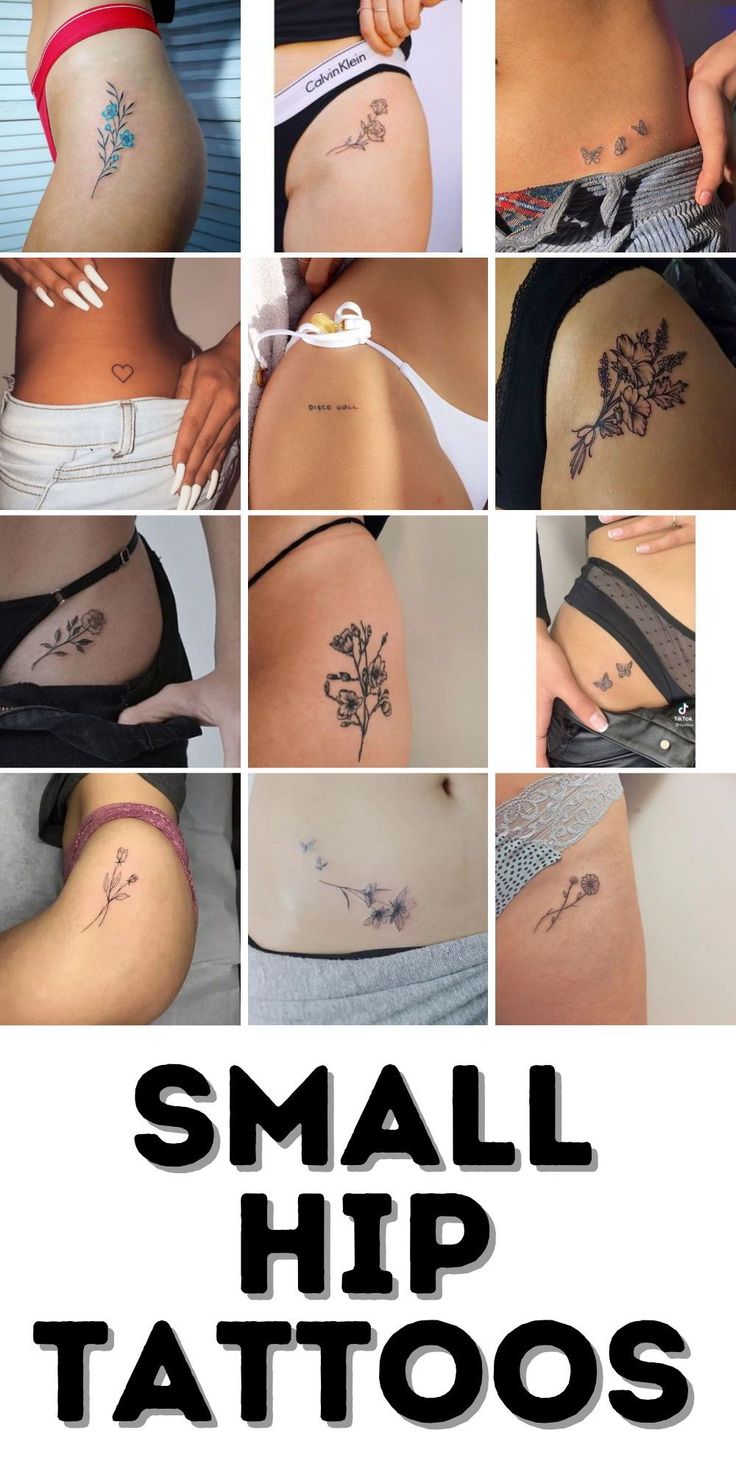
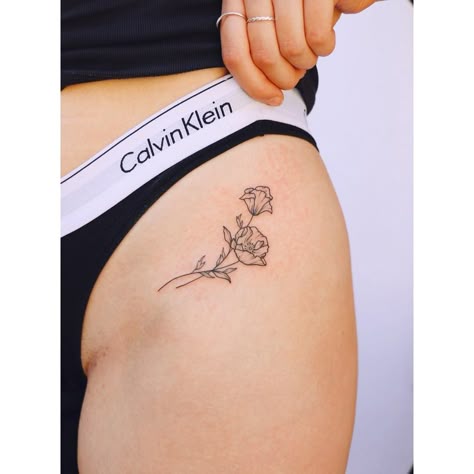
Floral hip tattoo designs use natural motifs such as roses, lotus flowers, vines, and blossoms to follow the natural curvature of the hip and upper thigh. These designs are popular because they naturally complement body contours, creating a soft, flowing visual effect that enhances feminine or organic aesthetics without harsh structural lines.
In professional tattoo practice, floral compositions are often used as “flow builders” that guide the eye across the body. However, experts warn that overly dense floral shading can blur over time if placed on high-movement areas like the lower hip fold, especially if the client experiences significant weight fluctuation.
Information Gain Insight: Many artists intentionally place floral stems along tension lines of the hip to control future distortion. This technique is rarely discussed in consumer-facing content but is critical for long-term design clarity.
Minimalist & Small Hip Tattoos
Minimalist hip tattoos are small, clean designs such as symbols, geometric shapes, or fine-line illustrations placed strategically along the hip bone or side hip area. These designs are chosen for subtle expression, lower visual commitment, and faster healing compared to larger compositions.
Experts in fine-line tattooing emphasize that minimalist hip tattoos require extremely precise needle depth control. Because the hip area moves frequently, thin lines may blur faster if ink is placed too superficially or without proper spacing between elements.
Common Mistakes in Minimalist Hip Tattoos
One of the most common mistakes in minimalist hip tattoo design is underestimating spacing requirements. When lines are too close together, natural skin stretching causes premature merging, reducing clarity within 1–3 years. Another frequent issue is choosing overly delicate fonts for script tattoos, which can fade or break apart.
- Overly thin linework without structural balance
- Poor placement near waistband friction zones
- Ignoring long-term skin movement patterns
Script & Quote Hip Tattoos
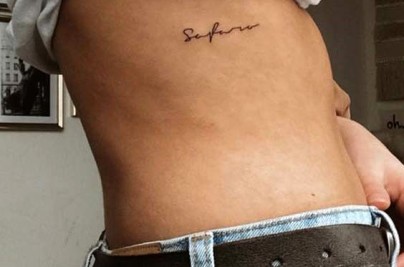
Script and quote hip tattoos involve textual elements such as meaningful phrases, names, or dates placed along the natural curve of the hip or rib-to-hip flow. These tattoos are chosen for emotional expression and storytelling, often serving as personal reminders or symbolic statements integrated into body anatomy.
From a typographic tattooing perspective, script placement must follow curvature logic rather than straight-line formatting. Poor alignment can distort readability when the body moves, especially in seated or twisted positions, making design planning essential for long-term clarity.
Information Gain Insight: Experienced tattoo artists often design script tattoos using “motion simulation”—testing how text appears when the client sits, bends, and walks. This prevents future readability distortion, a step beginners often overlook.
How Hip Tattoos Age Over Time
Hip tattoos age based on a combination of skin elasticity, weight fluctuation, sun exposure, and ink depth stability. Over time, natural body changes can slightly shift or soften the appearance of tattoo lines, especially in high-mobility areas like the lower hip and pelvic curve.
From a dermatological and tattoo science perspective, aging is not purely negative—it is a predictable biological process. Proper placement, pigment selection, and aftercare can significantly slow degradation and preserve design integrity for decades.
Skin Stretching and Ink Distortion
Skin stretching is one of the most important factors influencing hip tattoo longevity. Because the hip region expands and contracts with weight changes and movement, ink particles may disperse slightly over time, especially in fine-line or highly detailed designs.
Professionals mitigate distortion by designing with “elastic margins,” leaving intentional spacing between elements to accommodate future skin movement. This reduces the risk of design merging or visual collapse as the body naturally changes.
Information Gain Insight: Contrary to popular belief, moderate weight gain does not always damage tattoos. Rapid fluctuation is the primary cause of distortion, not gradual changes over time.
Ink Fading Factors
Ink fading in hip tattoos is influenced by UV exposure, pigment quality, and depth consistency during application. While the hip is often covered by clothing, friction from tight garments can still accelerate fading in certain zones, particularly around waistband contact points.
Experts recommend high-quality sunscreen application on exposed hip tattoos and avoiding prolonged friction during the healing phase. Pigment longevity also depends on ink composition, with blackwork and darker pigments typically lasting longer than pastel or watercolor styles.
Hip Tattoo Healing Process Explained
Hip tattoo healing involves a multi-stage biological process where the skin repairs itself after controlled micro-injuries from tattoo needles. Healing typically takes 2–4 weeks on the surface, while deeper dermal recovery can continue for up to 2–3 months depending on skin type and aftercare quality.
From a medical standpoint, proper aftercare significantly reduces infection risk and ensures pigment stability. Hygiene, moisture balance, and avoiding mechanical irritation are the three most critical factors in successful healing outcomes.
Healing Timeline Day-by-Day
The healing process begins immediately after tattooing with inflammation and light oozing, followed by scabbing within 3–7 days. Between days 7–14, peeling occurs as the skin regenerates, and by weeks 3–4, the surface typically appears fully healed, although internal repair continues beyond visible recovery.
Understanding this timeline helps prevent premature interference, which is one of the most common causes of ink loss or patchiness in hip tattoos.
Infection Prevention Best Practices
Preventing infection in hip tattoos requires strict hygiene protocols, including gentle washing, avoiding contaminated surfaces, and using approved aftercare ointments. Tight clothing should be avoided during early healing stages to prevent bacterial buildup and friction damage.
According to guidelines from the :contentReference[oaicite:0]{index=0}, maintaining clean wound environments and avoiding unnecessary exposure to bacteria are essential for reducing skin infection risks in any open dermal procedure.
Information Gain Insight: Many infections in hip tattoos are not caused by the studio environment but by post-session habits, especially tight clothing and sweating during early healing stages.
Dermatologist-Approved Aftercare Tips
Dermatologists and tattoo professionals recommend a balanced aftercare routine that avoids both over-moisturizing and excessive dryness. The goal is to support skin regeneration without suffocating the healing layer or disrupting pigment stabilization within the dermis.
- Clean gently with fragrance-free soap twice daily
- Apply thin layers of approved healing balm
- Avoid soaking in water (baths, pools) for 2–3 weeks
- Wear loose, breathable clothing
Frequently Asked Questions About Hip Tattoo Designs
Hip tattoo FAQs address common concerns about pain, healing, cost, and long-term design outcomes. These questions reflect real user search behavior across Google, AI Overviews, and voice search platforms, providing quick, factual answers for decision-making clarity and safety awareness.
Are hip tattoos very painful?
Hip tattoos are moderately to highly painful depending on placement. Areas directly over the hip bone are more sensitive due to minimal fat cushioning, while outer hip areas are less intense.
How long does a hip tattoo take to heal?
Surface healing takes 2–4 weeks, but full dermal recovery can take up to 2–3 months depending on skin type and aftercare quality.
Do hip tattoos stretch over time?
They can stretch slightly with significant weight changes or pregnancy, but gradual body changes usually cause minimal distortion when properly designed.
What are the best hip tattoo designs for longevity?
Blackwork, bold floral designs, and medium-thickness linework tend to age better than ultra-fine minimalist tattoos or watercolor styles.
Can I exercise after getting a hip tattoo?
Light movement is acceptable after a few days, but intense workouts should be avoided for at least 2 weeks to prevent friction, sweat irritation, and infection risk.
Are hip tattoos suitable for first-time tattoos?
They can be suitable, but beginners should prepare for moderate pain and careful aftercare due to movement and clothing friction in the area.
Conclusion: Choosing the Right Hip Tattoo Design
Hip tattoo designs combine artistry, anatomy, and long-term skin behavior, making them one of the most expressive yet technically complex tattoo placements. The best results come from understanding pain levels, choosing styles that match body movement, and following strict aftercare protocols for optimal healing and longevity.
When approached strategically, hip tattoos become more than body art—they become adaptive visual expressions that evolve naturally with the body while maintaining their aesthetic and emotional significance over time.
Lucky Tattoo, a professional tattoo artist, has over 10 years of experience in the art of tattooing in Ho Chi Minh City. Lucky Tattoo Studio was founded in 2014 by skilled and kind artists. All tattoos are provided in a clean, strictly controlled, and friendly environment.
hip-tattoo-designs