For many people considering a tattoo in Vietnam, pain is the biggest concern—not the design itself. Whether you’re planning a small minimalist tattoo or a full sleeve, tattoo numbing cream can significantly reduce discomfort when used correctly. However, effectiveness depends on more than simply applying a cream before your appointment. Product quality, active ingredients, application timing, climate conditions, and tattoo placement all influence results.
As tattoo culture continues to grow across Ho Chi Minh City, Hanoi, Da Nang, and other major cities, demand for reliable tattoo numbing creams has increased. Unfortunately, so has the availability of counterfeit and low-quality products. Understanding how these products work and choosing the right option can help ensure a safer and more comfortable tattoo experience.
What Is Tattoo Numbing Cream and How Does It Work?
Tattoo numbing cream is a topical anesthetic designed to temporarily reduce pain by blocking nerve signals near the skin’s surface. Most effective products contain lidocaine or similar anesthetic ingredients that decrease sensation during tattooing without causing unconsciousness or affecting overall body awareness.
During a tattoo session, needles repeatedly penetrate the skin, stimulating pain receptors known as nociceptors. Numbing creams work by interfering with the transmission of these pain signals before they reach the brain. The result is reduced discomfort, particularly during lengthy sessions or tattoos placed in sensitive areas.
Most reputable tattoo numbing creams are applied 60 to 90 minutes before the session and covered with an occlusive wrap to improve absorption. Depending on the formula and skin type, the numbing effect may last anywhere from one to four hours.
One misconception frequently repeated online is that numbing cream completely eliminates tattoo pain. In reality, most users experience a significant reduction in discomfort rather than total numbness. The goal is improved comfort and tolerance—not complete anesthesia.
Expert Insight: Experienced tattoo artists often report that clients who arrive properly prepared with a quality numbing cream tend to remain calmer and move less during longer sessions, which can improve tattoo precision.
Which Ingredients Make Tattoo Numbing Cream Effective?
The effectiveness of tattoo numbing cream depends primarily on its active ingredients. Lidocaine remains the most widely trusted ingredient because it provides predictable pain relief, a favorable safety profile, and consistent performance across different skin types.
Not all numbing creams use the same formula. Understanding ingredient differences helps consumers avoid ineffective products and choose a cream appropriate for their needs.
| Ingredient | Primary Function | Typical Duration | Common Usage |
|---|---|---|---|
| Lidocaine | Blocks nerve signals | 1–4 hours | Tattoo procedures |
| Prilocaine | Enhances anesthetic effect | 2–4 hours | Combined formulas |
| Benzocaine | Surface numbing | Short duration | Temporary pain relief |
| Epinephrine | Reduces blood flow | Varies | May reduce bleeding |
Products containing multiple anesthetic ingredients may provide stronger effects, but they also require more careful usage. Individuals with sensitive skin should always perform a patch test before applying any product to a large area.
Why Lidocaine Remains the Most Popular Choice
Lidocaine is considered the gold standard for tattoo numbing because it has been extensively studied and widely used in medical settings. It offers reliable pain reduction while maintaining a relatively low risk of side effects when used according to instructions.
Many professional tattoo artists in Vietnam specifically recommend lidocaine-based products because they provide a balance between effectiveness and safety. Unlike some cheaper alternatives, lidocaine formulations are less likely to produce inconsistent results.
Consumers should be cautious of products advertising unrealistic claims such as “100% pain-free tattoos” or “all-day numbness.” Such claims often indicate misleading marketing or counterfeit products.
Does Tattoo Numbing Cream Really Work?
Yes, quality tattoo numbing creams can substantially reduce tattoo pain when applied correctly. However, effectiveness varies depending on the product formula, tattoo location, skin type, session duration, and preparation method. Most users report noticeable pain reduction rather than complete elimination of sensation.
Real-world experience consistently shows that tattoo numbing cream works best on areas with thinner skin and higher nerve density, such as ribs, feet, ankles, collarbones, and inner arms. In these locations, reducing pain can dramatically improve the overall tattoo experience.
Conversely, users often report less dramatic benefits when tattooing thicker-skinned areas such as the outer forearm, calf, or upper arm, where discomfort is naturally lower.
Another overlooked factor is psychological stress. Clients who arrive anxious frequently perceive pain more intensely. Numbing cream can help reduce physical discomfort, but mental preparation remains equally important.
Information Gain: Vietnamese tattoo studios often note that clients visiting during hot and humid months may experience different absorption rates than clients tattooed in cooler indoor environments. This climate factor is rarely discussed in international tattoo guides.
How Long Does Tattoo Numbing Cream Last?
Most tattoo numbing creams provide relief for one to four hours, although duration varies based on ingredient concentration, application technique, skin characteristics, and tattoo location. Proper preparation often has a greater impact than brand choice alone.
The typical timeline looks like this:
- 0–30 minutes: Product begins penetrating the skin.
- 60–90 minutes: Peak numbing effect develops.
- 1–4 hours: Maximum pain reduction period.
- After 4 hours: Sensation gradually returns.
Large tattoo projects frequently exceed the active duration of many numbing products. For multi-hour sessions, clients should discuss pain-management expectations with their tattoo artist beforehand.
It is important to avoid reapplying products without professional guidance. Excessive use increases the risk of irritation and adverse reactions.
Factors That Affect Numbing Performance
Several overlooked factors influence how well tattoo numbing cream works. Application technique, skin preparation, environmental conditions, and product authenticity often determine effectiveness more than the advertised brand name.
Key factors include:
- Skin thickness.
- Hydration levels.
- Tattoo placement.
- Active ingredient concentration.
- Application timing.
- Use of occlusive wrap.
- Environmental temperature and humidity.
- Product authenticity.
One particularly relevant consideration in Vietnam is climate. High humidity can alter skin hydration and affect absorption patterns. Some tattoo artists recommend applying numbing cream slightly earlier than standard international recommendations to compensate for environmental conditions.
Another major issue is counterfeit products. Many online marketplaces sell creams that imitate popular brands but contain unknown ingredient concentrations. These products may be ineffective or potentially unsafe.

Best Numbing Cream Options Available in Vietnam
The best tattoo numbing cream in Vietnam combines verified ingredients, authentic sourcing, predictable performance, and clear usage instructions. Rather than focusing solely on brand popularity, buyers should evaluate ingredient transparency, reputation, and product authenticity.
Many consumers assume the strongest advertised cream is automatically the best choice. In practice, reputable formulations with verified lidocaine content often outperform unverified products making exaggerated marketing claims.
Popular categories found in Vietnam include:
- Lidocaine-based tattoo creams.
- Combined lidocaine-prilocaine formulations.
- Professional tattoo studio products.
- Imported anesthetic creams.
- Sensitive-skin numbing creams.
When evaluating products, consumers should prioritize safety and authenticity over aggressive marketing language.
Features to Look for Before Buying
The safest way to choose tattoo numbing cream is to verify ingredients, manufacturer transparency, and seller credibility. Products with clearly listed active ingredients and detailed instructions are generally more trustworthy than anonymous alternatives.
Before purchasing, use this checklist:
- Clearly stated active ingredients.
- Visible manufacturing information.
- Tamper-resistant packaging.
- Expiration date displayed.
- Consistent customer feedback.
- Professional tattoo artist recommendations.
- Detailed usage instructions.
Consumers should be skeptical of products that:
- Promise completely pain-free tattoos.
- Claim all-day numbness.
- Lack ingredient disclosure.
- Offer unusually low pricing.
- Use copied product images.
Imported vs Local Products
Imported tattoo numbing creams often offer stronger brand recognition and documented ingredient standards, while locally distributed products may provide easier access and faster availability. The most important factor is not origin but authenticity and ingredient verification.
Imported products frequently attract buyers because they are perceived as more reliable. However, imported products are also among the most commonly counterfeited items sold online.
Local distributors may offer genuine imported products with better customer support and clearer sourcing information. Buyers should evaluate the seller rather than assuming imported automatically means superior.
How to Spot Fake Tattoo Numbing Creams
Counterfeit numbing creams are a growing concern in Vietnam’s online marketplace. Identifying warning signs before purchase can reduce both financial loss and health risks.
- Packaging differs from official product photos.
- Missing batch numbers.
- Poor print quality.
- Misspelled ingredient lists.
- No manufacturer information.
- Prices significantly below market average.
- Unverified marketplace sellers.
Professional tattoo artists often recommend purchasing from trusted suppliers rather than unknown social media sellers. Authentic products may cost more initially but offer significantly better safety and performance.
Next: Proper application methods, timing strategies, safety considerations, side effects, and tattoo artist recommendations in Vietnam.
How to Apply Tattoo Numbing Cream Correctly
Lucky Tattoo, a professional tattoo artist, has over 10 years of experience in the art of tattooing in Ho Chi Minh City. Lucky Tattoo Studio was founded in 2014 by skilled and kind artists. All tattoos are provided in a clean, strictly controlled, and friendly environment.
Even premium lidocaine-based products can produce disappointing results if they are applied incorrectly. Professional tattoo artists frequently encounter clients who assume a quick application 15 minutes before an appointment is sufficient. In reality, proper preparation is one of the most important factors affecting pain reduction.
For most products, the recommended process includes cleansing the skin, applying a thick layer of cream, covering the area with plastic wrap, and waiting for full absorption before the tattoo session begins.

Preparation Before Application
Proper skin preparation improves absorption and can significantly increase the effectiveness of tattoo numbing cream. Clean, dry, and intact skin allows anesthetic ingredients such as lidocaine and prilocaine to penetrate more efficiently than oily or irritated skin.
Before applying any numbing cream:
- Wash the area using mild soap and water.
- Remove lotions, oils, and cosmetic products.
- Dry the skin completely.
- Apply a generous layer without rubbing it fully into the skin.
- Cover the area with plastic wrap.
- Allow adequate absorption time.
A frequently overlooked issue is shaving immediately before application. Minor skin irritation from shaving can increase sensitivity and occasionally reduce comfort. If shaving is necessary, many tattoo artists recommend doing it several hours beforehand.
Information Gain: Some experienced tattoo artists in Vietnam recommend avoiding alcohol consumption the day before a tattoo session because alcohol may increase skin sensitivity and bleeding, potentially affecting overall comfort regardless of numbing cream usage.
Recommended Timing Before Tattoo Sessions
Most tattoo numbing creams should be applied 60 to 90 minutes before the appointment. This timeframe allows active ingredients to reach peak effectiveness while ensuring sufficient pain reduction during the early stages of tattooing.
While manufacturer instructions should always take priority, many professional tattoo studios recommend the following general timeline:
| Time Before Session | Recommended Action |
|---|---|
| 90 Minutes | Apply cream and cover with wrap |
| 60 Minutes | Maximum absorption period begins |
| 15 Minutes | Remove wrap if instructed |
| Start Time | Begin tattoo session |
Vietnam’s warm and humid climate may accelerate certain skin responses. Some tattoo artists report that slightly earlier application can improve consistency during hotter months.
Mistakes That Reduce Effectiveness
Many complaints about numbing cream can be traced to simple user errors rather than product quality.
- Applying too little cream.
- Not covering the area.
- Removing wrap too early.
- Using expired products.
- Applying to broken skin.
- Purchasing counterfeit products.
- Ignoring manufacturer instructions.
Understanding these mistakes can dramatically improve results and help users make informed purchasing decisions.
Are Tattoo Numbing Creams Safe?
When used according to instructions, reputable tattoo numbing creams are generally considered safe for healthy adults. However, misuse, excessive application, allergies, and counterfeit products can increase the risk of side effects and adverse reactions.
Most safety concerns arise from overapplication or products with unclear ingredient labeling. This is why ingredient transparency and manufacturer credibility are essential considerations when selecting a tattoo anesthetic product.
Consumers should understand that numbing creams contain active pharmaceutical ingredients. Although they are applied externally, they should never be treated as ordinary cosmetic products.
Possible Side Effects and Allergic Reactions
The most common side effects of tattoo numbing cream are temporary skin reactions such as redness, itching, mild swelling, or irritation. Serious allergic reactions are uncommon but require immediate medical attention if they occur.
Potential side effects include:
- Skin redness.
- Burning sensation.
- Mild itching.
- Temporary discoloration.
- Swelling.
- Localized irritation.
Warning signs that require medical evaluation may include:
- Difficulty breathing.
- Severe swelling.
- Widespread rash.
- Dizziness.
- Chest discomfort.
Dermatologists commonly recommend performing a patch test 24 hours before a tattoo appointment, especially for individuals with sensitive skin or a history of allergies.
Who Should Avoid Numbing Creams?
Individuals with known allergies to anesthetic ingredients, certain medical conditions, or previous adverse reactions should consult a healthcare professional before using tattoo numbing cream. Medical guidance is particularly important when using products containing lidocaine or prilocaine.
Extra caution may be necessary for:
- People with anesthetic allergies.
- Individuals with severe skin disorders.
- Pregnant individuals.
- People with cardiovascular conditions.
- Those taking medications that may interact with anesthetics.
Seeking professional advice before use is often the safest approach when uncertainty exists.
Do Tattoo Artists in Vietnam Recommend Numbing Cream?
Many tattoo artists in Vietnam accept and sometimes recommend numbing cream, particularly for lengthy sessions, sensitive body areas, and first-time clients. However, opinions vary among artists depending on their experience, tattoo style, and preferred working methods.
Modern tattoo studios are increasingly accustomed to clients using numbing creams. Nevertheless, communication with the artist before the appointment remains essential.
Situations Where Artists Approve Their Use
Professional tattoo artists are generally more likely to approve numbing cream when it helps clients remain comfortable, relaxed, and cooperative during complex or extended tattoo sessions.
Common scenarios include:
- Large back tattoos.
- Rib tattoos.
- Foot and ankle tattoos.
- Multi-hour sessions.
- First tattoo experiences.
- Clients with low pain tolerance.
Artists often note that a comfortable client is easier to work with because they are less likely to move unexpectedly during detailed tattooing.
Common Misconceptions Among Tattoo Clients
Many tattoo clients believe numbing cream completely removes pain or guarantees a painless experience. In reality, most products reduce discomfort significantly but do not eliminate all sensation throughout the entire tattoo process.
Common myths include:
- Numbing cream ruins tattoo quality.
- All products work equally well.
- More cream always means better results.
- Every tattoo artist dislikes numbing products.
- One application lasts all day.
In practice, quality products used correctly rarely create significant issues when discussed openly with the tattoo artist beforehand.
Numbing Cream vs Traditional Pain Management Methods
Tattoo numbing cream can reduce physical discomfort, but combining it with traditional pain management techniques often provides the best overall experience. Mental preparation, hydration, nutrition, and breathing strategies can complement topical anesthetics effectively.
Pain perception is influenced by both physiological and psychological factors. Addressing both aspects often leads to better outcomes than relying on a single strategy.
Breathing Techniques and Mental Preparation
Controlled breathing and mental preparation help reduce anxiety-driven pain perception. Many experienced tattoo clients report that relaxation techniques significantly improve comfort even when numbing cream is already being used.
Recommended approaches include:
- Slow diaphragmatic breathing.
- Adequate sleep before the appointment.
- Staying hydrated.
- Eating a balanced meal beforehand.
- Avoiding excessive caffeine.
- Managing expectations realistically.
Psychological readiness is one of the most overlooked factors affecting tattoo pain tolerance.
Which Method Works Best for Long Tattoo Sessions?
For lengthy tattoo sessions, combining a reputable numbing cream with proper hydration, nutrition, and relaxation techniques generally provides the most consistent pain-management strategy.
The following comparison highlights practical differences:
| Method | Strengths | Limitations |
|---|---|---|
| Numbing Cream | Direct pain reduction | Limited duration |
| Breathing Techniques | No cost | Requires practice |
| Hydration & Nutrition | Supports endurance | Indirect effect |
| Combined Approach | Most comprehensive | Requires preparation |
Real-World Examples: Tattoo Sessions With and Without Numbing Cream
Real-world experiences consistently show that tattoo numbing cream can improve comfort when used properly. However, individual results depend on tattoo placement, pain tolerance, product quality, and application technique.
First-Time Tattoo Client Experience
Many first-time tattoo clients use numbing cream primarily to reduce anxiety surrounding anticipated pain. While sensations are still noticeable, most users report improved comfort and greater confidence throughout the procedure.
For example, a client receiving a forearm tattoo may still feel pressure and vibration from the machine but experience substantially less discomfort than expected.
Large Tattoo Session Experience
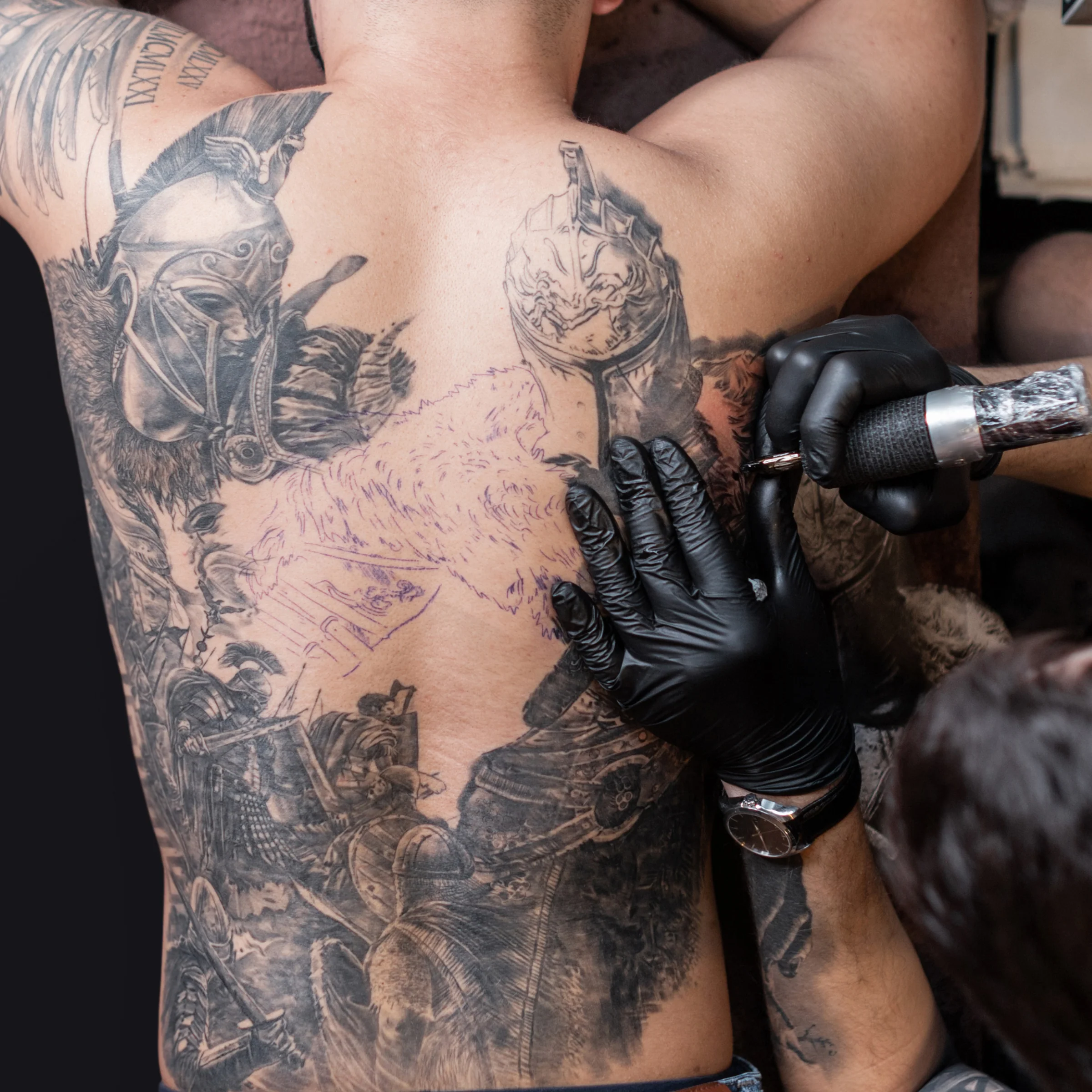
For large-scale projects such as sleeves, back pieces, or chest tattoos, numbing cream can help clients remain comfortable during the initial hours of the session. Strategic planning becomes particularly important as the anesthetic effect gradually decreases.
Many experienced tattoo collectors report that effective numbing cream allows them to tolerate longer sessions while maintaining focus and minimizing movement.
Frequently Asked Questions
What is the best numbing cream for tattoos in Vietnam?
The best option is typically a reputable lidocaine-based product with transparent ingredient labeling, verified sourcing, and positive feedback from professional tattoo artists.
How long before a tattoo should I apply numbing cream?
Most products perform best when applied 60 to 90 minutes before tattooing begins and covered with plastic wrap during absorption.
Does tattoo numbing cream affect tattoo quality?
When used properly, quality numbing creams generally do not negatively affect tattoo quality or ink retention.
How long does tattoo numbing cream last?
Most products provide noticeable pain reduction for approximately one to four hours depending on formulation and application technique.
Can I buy tattoo numbing cream online in Vietnam?
Yes, but consumers should prioritize trusted suppliers, verified sellers, and products with transparent ingredient information to avoid counterfeit items.
Is lidocaine safe for sensitive skin?
Many people with sensitive skin tolerate lidocaine well, but a patch test is recommended before full application.
Why does my numbing cream stop working early?
Common reasons include inadequate application, insufficient absorption time, low-quality products, counterfeit products, or extended tattoo sessions that exceed the product’s effective duration.
Do professional tattoo artists recommend numbing cream?
Many artists support its use for long sessions, sensitive body areas, and first-time clients, provided the product is applied correctly and discussed beforehand.
Conclusion: Is Tattoo Numbing Cream Worth Using in Vietnam?
Tattoo numbing cream can be a valuable tool for reducing discomfort, particularly for first-time clients, sensitive tattoo locations, and lengthy tattoo sessions. Products containing lidocaine remain among the most trusted options due to their proven effectiveness and established safety profile.
Success depends on choosing authentic products, following application instructions carefully, understanding realistic expectations, and communicating openly with your tattoo artist. Consumers in Vietnam should pay particular attention to counterfeit risks and prioritize verified sources over unusually cheap alternatives.
When combined with proper preparation, hydration, realistic expectations, and professional guidance, tattoo numbing cream can significantly improve the tattoo experience while maintaining safety, comfort, and tattoo quality.