A realism tattoo from a photo transforms a personal image into highly detailed body art using advanced shading, contrast control, texture rendering, and anatomical precision. Whether the source image is a family portrait, pet photograph, memorial picture, or meaningful life moment, the final result depends heavily on photo quality, artist expertise, and long-term design planning.
While social media often showcases impressive healed results, many clients underestimate the technical challenges involved in translating photography onto skin. Unlike paper or digital media, skin changes over time, spreads ink naturally, and introduces limitations that skilled realism artists must account for before the tattooing process even begins.
What Is a Realism Tattoo From a Photo?
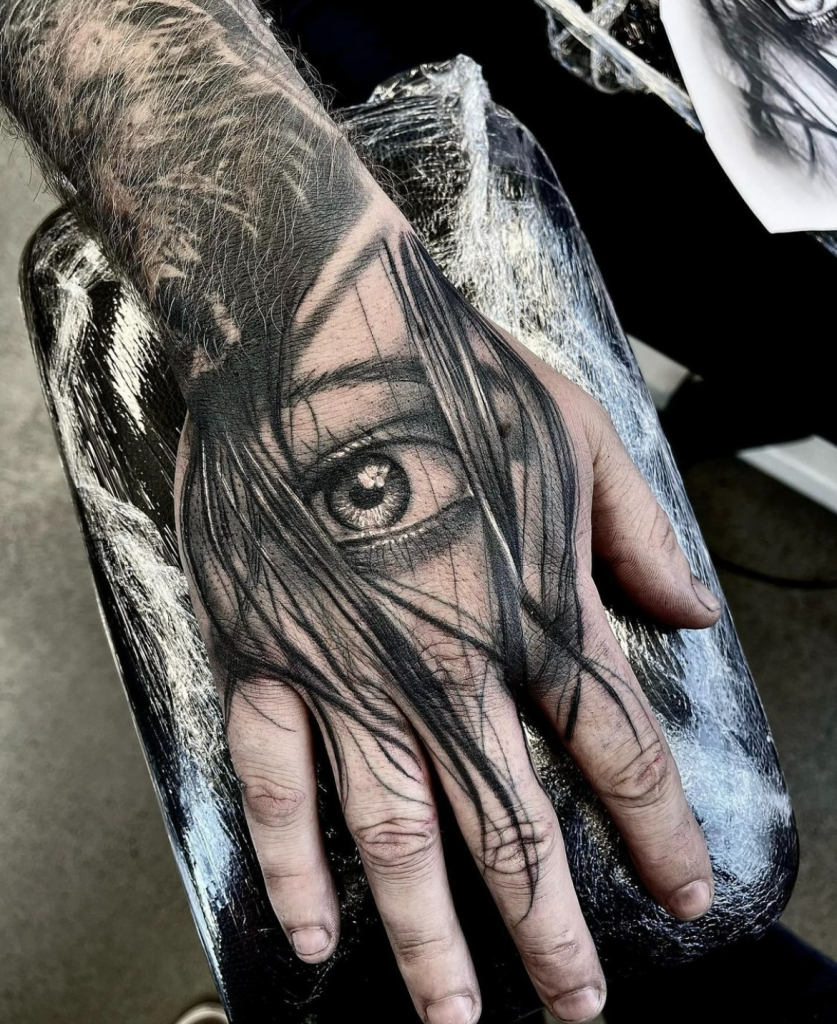
A realism tattoo from a photo is a custom tattoo created using a photographic reference to reproduce realistic facial features, textures, lighting, and depth on skin. The goal is not simply to copy an image but to reinterpret it using tattoo techniques that remain recognizable and visually strong for years.
Realism tattoos originated from fine art principles and evolved alongside advancements in tattoo equipment, needle configurations, and shading techniques. Today’s leading realism artists can recreate remarkable detail, but success depends on understanding the difference between what looks realistic in a photograph and what remains realistic after years of skin aging.
Unlike traditional tattoo styles that rely on bold outlines and simplified imagery, realism focuses on:
- Accurate proportions
- Natural shadows and highlights
- Texture replication
- Depth perception
- Smooth tonal transitions
- Photographic composition
The most common realism tattoo categories include:
| Type | Popular Subjects | Difficulty Level |
|---|---|---|
| Portrait Realism | Family members, celebrities, children | Very High |
| Pet Portraits | Dogs, cats, horses | High |
| Memorial Tattoos | Deceased loved ones | Very High |
| Wildlife Realism | Lions, wolves, birds | High |
| Object Realism | Vehicles, watches, cameras | Medium-High |
Expert Observation: One misconception many clients have is believing realism equals maximum detail. In reality, successful realism often involves selectively removing details that would blur together over time. Experienced artists simplify strategically rather than copying every pixel.
How Tattoo Artists Turn Photos Into Realistic Tattoos
Professional realism artists do not trace photographs and tattoo them directly. Instead, they analyze composition, lighting, focal points, contrast, and skin limitations before redesigning the image into a tattoo-friendly format capable of aging gracefully.
The process usually follows several stages:
- Photo assessment
- Subject isolation
- Contrast enhancement
- Digital redesign
- Stencil creation
- Tattoo application
- Healing evaluation
For example, if a client provides an old family photograph with poor lighting, an experienced artist may increase contrast, remove background distractions, sharpen facial features, and adjust shadows before creating the stencil.
This redesign phase often determines whether a realism tattoo becomes exceptional or disappointing.
Realism vs Hyper-Realism: What Is the Difference?
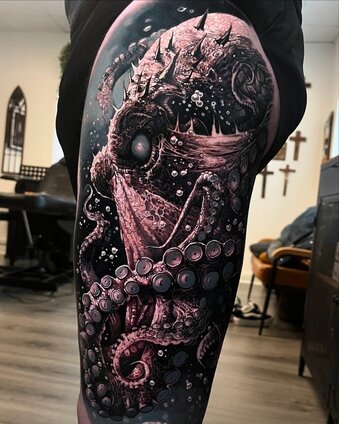
Realism tattoos aim to create lifelike imagery, while hyper-realism pushes detail, texture, depth, and visual illusion to an extreme level. Hyper-realistic tattoos often resemble high-definition photographs viewed directly on skin.
Although the terms are frequently used interchangeably, there are meaningful differences:
| Feature | Realism | Hyper-Realism |
|---|---|---|
| Detail Level | High | Extreme |
| Contrast Usage | Balanced | Highly Refined |
| Session Length | Long | Very Long |
| Artist Availability | Moderate | Limited |
| Price Range | High | Premium |
Overlooked Insight: Hyper-realism is not automatically better. Some hyper-detailed tattoos lose clarity faster because excessive micro-details can merge together as the tattoo ages. Longevity should always be considered alongside visual impact.
Can Any Photo Be Turned Into a Realism Tattoo?
Not every photograph is suitable for a realism tattoo. Image quality, lighting, resolution, contrast, subject positioning, and facial visibility all influence the final outcome. Professional artists often reject or modify photos that appear acceptable to clients but contain technical limitations.
This is one of the most misunderstood aspects of realism tattooing.
Clients often assume a meaningful photo automatically makes a great tattoo reference. Unfortunately, emotional significance and tattoo suitability are not always the same thing.
Experienced realism artists evaluate:
- Image resolution
- Sharpness
- Facial visibility
- Lighting direction
- Shadow placement
- Background distractions
- Contrast strength
- Future aging considerations
A low-quality smartphone screenshot may contain enough information for social media viewing but insufficient information for accurate tattoo translation.
Characteristics of an Ideal Tattoo Reference Photo
The best realism tattoo photos are sharp, high-resolution images with clear lighting, visible facial features, strong contrast, and minimal visual clutter. These characteristics allow artists to preserve important details while maintaining long-term readability on skin.
Professional tattoo artists consistently prefer images that contain:
- High resolution
- Clear focus
- Natural lighting
- Strong contrast
- Visible eyes and facial structure
- Distinct subject separation
- Minimal digital filters
Consider a pet portrait tattoo. A professionally photographed dog image showing detailed fur texture, bright eyes, and directional lighting will typically produce a significantly better tattoo than a blurry photo taken indoors at night.
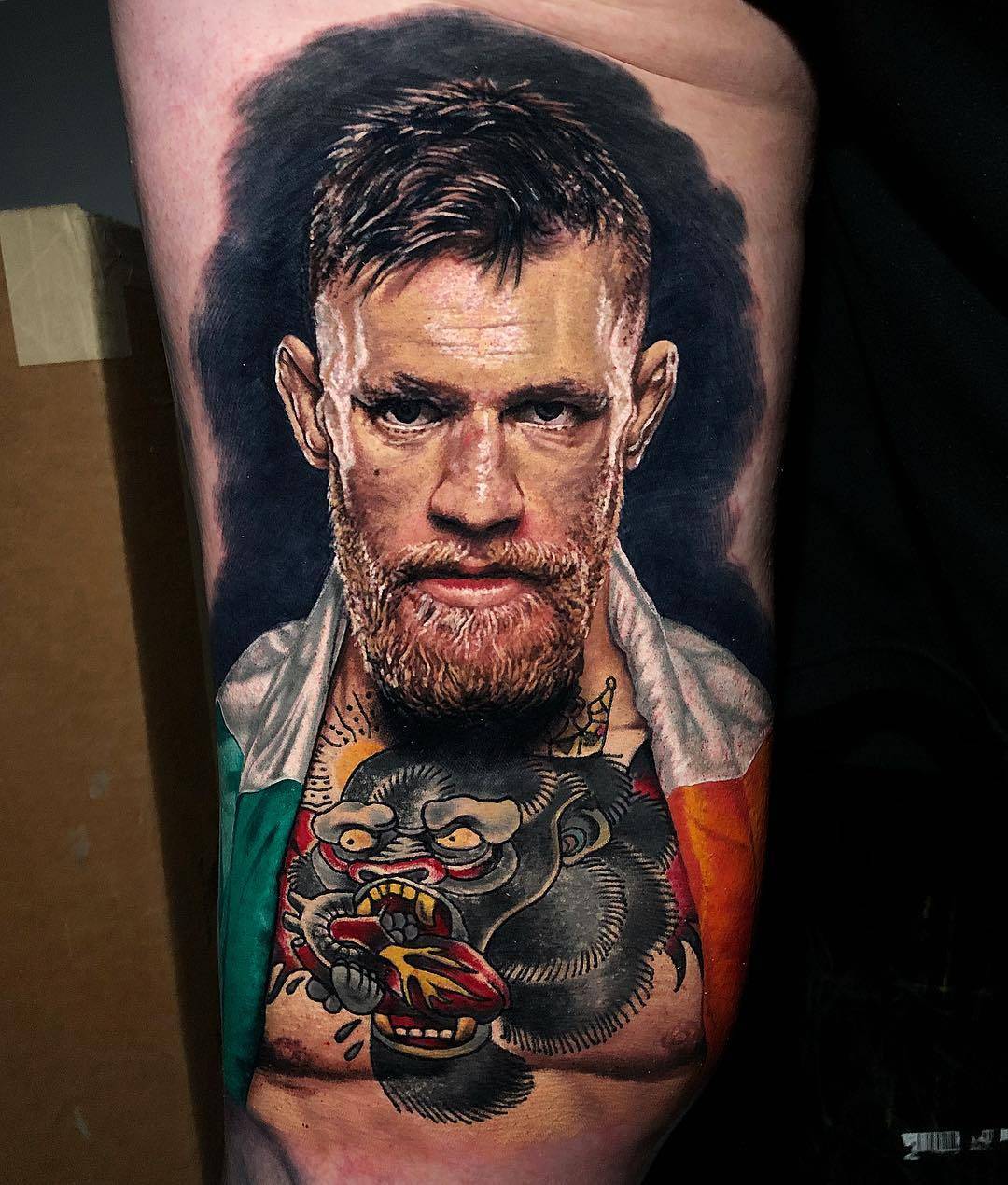
Photos That Often Produce Poor Tattoo Results
Photos with poor lighting, low resolution, excessive filters, hidden facial features, or compressed image quality frequently create problems during the tattoo design process. These limitations reduce available detail and force artists to make larger creative adjustments.
Common problematic references include:
- Social media screenshots
- Pixelated images
- Dark indoor photographs
- Heavy beauty filters
- Extreme camera angles
- Motion-blurred subjects
- Overexposed images
- Tiny cropped faces
Real-World Scenario: A client may bring the only existing photograph of a deceased relative. Even if the image quality is poor, a skilled artist can often improve it using restoration software and artistic reconstruction techniques. However, expectations must remain realistic because missing details cannot always be recreated accurately.
Quick Photo Evaluation Checklist
Before sending a photo to a tattoo artist, use this simple assessment framework to determine whether the image is likely to produce strong realism results.
| Question | Yes | No |
|---|---|---|
| Can facial features be clearly identified? | ✓ | ✗ |
| Is the image high resolution? | ✓ | ✗ |
| Are eyes visible and sharp? | ✓ | ✗ |
| Does lighting create clear shadows? | ✓ | ✗ |
| Is the subject separated from the background? | ✓ | ✗ |
If multiple answers are “No,” consult with the artist before committing to the design.
What Happens During the Design Process?
The realism tattoo design process involves much more than tracing a photograph. Artists analyze the image, optimize contrast, simplify problematic details, create depth, and redesign certain elements to ensure the tattoo remains recognizable and attractive years after healing.
This stage is where professional expertise becomes most visible. Two artists working from the same photograph can produce dramatically different outcomes based on their understanding of composition, skin behavior, and long-term tattoo aging.
Initial Consultation and Photo Review
During consultation, the artist evaluates the reference photo, placement area, skin condition, size requirements, and client expectations. This conversation often determines whether the original image can be used directly or requires significant modification.
Professional consultations typically cover:
- Reference image quality
- Tattoo size recommendations
- Body placement suitability
- Black-and-grey versus color realism
- Expected healing changes
- Long-term maintenance requirements
Expert Insight: One of the most common causes of disappointing realism tattoos is choosing a size that is too small. Fine details require adequate space. Compressing a portrait into a tiny area often sacrifices realism before the tattoo even begins.
Digital Editing Before Tattooing
Most professional realism artists digitally edit photographs before creating the final design. This process improves contrast, removes distractions, enhances focal points, and adapts the image for skin rather than screen viewing.
Typical edits include:
- Background removal
- Contrast enhancement
- Shadow refinement
- Feature sharpening
- Composition balancing
- Highlight adjustments
Contrary to popular belief, digital editing is not a shortcut. It is an essential artistic step that often determines whether the tattoo remains visually effective after years of wear.
Information Gain: Many competitors discuss stencil creation but overlook the redesign phase. In reality, successful realism tattoos are often redesigned more than they are copied. The artist’s ability to interpret rather than replicate a photograph is frequently the defining factor behind award-winning work.
Creating Depth, Texture, and Contrast on Skin
Lucky Tattoo, a professional tattoo artist, has over 10 years of experience in the art of tattooing in Ho Chi Minh City. Lucky Tattoo Studio was founded in 2014 by skilled and kind artists. All tattoos are provided in a clean, strictly controlled, and friendly environment.
One of the biggest differences between amateur and expert realism tattooing is the understanding of contrast hierarchy. In photography, subtle tonal shifts can be visible because screens emit light. Skin does not. This means tattoo artists must exaggerate certain contrasts while preserving natural appearance.
Professional realism artists use:
- Multiple needle groupings for texture variation
- Smooth grey-wash transitions
- Controlled black saturation
- Strategic highlight preservation
- Layered shadow construction
- Anatomical feature enhancement
For example, in a portrait tattoo, eyes often become the primary focal point. Artists may intentionally increase contrast around the eyes while softening secondary facial details to maintain visual impact from normal viewing distances.
Overlooked Insight: Many clients focus exclusively on detail. Experienced realism specialists focus on readability. A tattoo that remains recognizable from six feet away often ages better than one packed with microscopic details.
How Much Does a Realism Tattoo From a Photo Cost?
A realism tattoo from a photo typically costs more than traditional tattoo styles because of the advanced technical skill, design preparation, and extended session times required. Pricing varies based on size, complexity, artist reputation, geographic location, and the quality of the reference image.
Realism tattooing is among the most demanding specialties in the tattoo industry. Clients should view pricing as an investment in both artistic quality and long-term durability.
| Factor | Impact on Price |
|---|---|
| Tattoo Size | High |
| Portrait Complexity | Very High |
| Artist Experience | Very High |
| Color vs Black & Grey | Moderate to High |
| Session Length | High |
| Photo Restoration Needs | Moderate |
Premium realism artists often spend several hours preparing the design before tattooing begins. This preparation is frequently included in the overall project cost.
Pricing Factors That Affect Cost
The final price of a realism tattoo depends on technical difficulty rather than image count alone. A single highly detailed portrait can require more expertise and time than a larger tattoo featuring simpler imagery.
Key cost drivers include:
- Number of faces in the composition
- Required realism level
- Placement challenges
- Cover-up requirements
- Skin condition
- Color complexity
- Custom design work
A memorial tattoo combining multiple family members from different photographs often requires extensive digital reconstruction, increasing both preparation time and cost.
Why Cheap Realism Tattoos Often Age Poorly
Low-cost realism tattoos frequently fail because they prioritize speed over technical execution. Poor contrast, insufficient black saturation, weak shading transitions, and inadequate design planning can cause realistic details to disappear as the tattoo ages.
Warning signs include:
- Portfolios showing only fresh tattoos
- No healed tattoo examples
- Extremely low hourly rates
- Unrealistic completion promises
- Lack of realism specialization
Expert Recommendation: Always request healed tattoo photographs at least one year old. Fresh tattoos can appear impressive due to temporary skin irritation and high initial contrast.
Choosing the Right Realism Tattoo Artist
Selecting the right realism tattoo artist is often more important than choosing the perfect photograph. Artist experience, healed portfolio quality, design philosophy, and realism specialization directly influence the final outcome and long-term success of the tattoo.
Not every talented tattoo artist specializes in realism. Many excel in traditional, neo-traditional, fine-line, or illustrative work but may lack advanced portrait expertise.
Portfolio Red Flags to Watch For
A strong realism portfolio should demonstrate consistency across different subjects, skin types, and healed results. Warning signs often appear long before the consultation if clients know what to evaluate.
Common portfolio red flags include:
- Only close-up photographs
- Heavy image filters
- No healed work
- Inconsistent facial proportions
- Muddy shading transitions
- Lack of diverse subject matter
When reviewing portrait tattoos, pay particular attention to eyes, noses, and mouths. These features reveal an artist’s understanding of anatomy and realism more clearly than decorative elements.
Questions to Ask Before Booking
Asking the right questions before booking helps identify experienced realism specialists and prevents costly mistakes. Professional artists should be transparent about design limitations, expected outcomes, and long-term maintenance requirements.
Useful questions include:
- How many realism tattoos do you complete annually?
- Can I see healed examples?
- Do you recommend black and grey or color for my photo?
- Will the image require redesigning?
- How many sessions should I expect?
- What touch-up policy do you offer?
Questions About Experience, Healing, and Touch-Ups
Touch-ups are sometimes necessary even when the original tattoo is expertly executed. Understanding healing expectations upfront helps establish realistic expectations and strengthens trust between artist and client.
Clients should specifically discuss:
- Expected healing timeline
- Sun protection requirements
- Skin-specific risk factors
- Long-term fading expectations
- Recommended maintenance schedule
Will a Realism Tattoo Look Exactly Like the Photo?
A realism tattoo can closely resemble a photograph, but it will never be an exact duplicate. Skin behaves differently than paper or digital media, requiring artists to interpret, simplify, and optimize details for long-term visibility and aging.
The goal is often visual recognition rather than perfect replication.
What Details Translate Well to Skin?
Strong facial features, clear lighting, distinct shadows, and high-contrast elements generally translate best into realism tattoos. Images with strong visual structure provide artists with more information for creating durable designs.
Features that usually translate effectively include:
- Eyes
- Hair texture
- Facial contours
- Animal fur patterns
- Distinct shadows
- Architectural details
The Limitations of Tattooing Compared With Photography
Photography captures microscopic detail using millions of pixels, while tattoos rely on ink particles placed beneath living skin. This creates unavoidable limitations that even world-class realism artists must navigate.
Common limitations include:
- Natural ink spread over time
- Skin aging
- Sun exposure effects
- Fine detail softening
- Color fading
Information Gain: Many clients judge realism tattoos from social media photos taken immediately after completion. A more accurate evaluation involves viewing healed tattoos that are at least 12–24 months old.
How Realism Tattoos Age Over Time
Well-executed realism tattoos can remain visually impressive for decades, but long-term appearance depends on design quality, contrast management, placement, skin care, and environmental exposure. Aging should be considered during the design stage rather than after the tattoo heals.
Experienced realism artists design with future aging in mind. This is one of the defining characteristics separating professionals from beginners.
Factors That Affect Longevity
Several variables influence how well realism tattoos retain clarity. Some are under the artist’s control, while others depend on individual lifestyle and aftercare habits.
- Sun exposure
- Skin quality
- Tattoo placement
- Ink saturation
- Contrast design
- Healing compliance
- Age-related skin changes
Areas with lower friction and less sun exposure often preserve detail more effectively than hands, fingers, or feet.
Why Contrast Matters More Than Tiny Details
Strong contrast helps realism tattoos remain readable over time, even as small details soften naturally. Prioritizing contrast is one of the most effective long-term design strategies available to realism specialists.
Professional artists often increase dark values slightly during tattooing because they understand how healing and aging gradually reduce visual separation between tones.
When Touch-Ups May Be Necessary
Touch-ups are sometimes recommended several years after completion, particularly for highly detailed realism work. Properly executed touch-ups can restore contrast and refresh aging tattoos without requiring complete redesigns.
Touch-ups may be appropriate when:
- Contrast has significantly softened
- Sun damage is visible
- Certain areas healed inconsistently
- Major lifestyle changes affected skin quality
Real-World Examples of Realism Tattoos From Photos
Realism tattoos are commonly created from family photographs, pet portraits, memorial images, and meaningful life events. These projects demonstrate how personal photographs can become lasting works of art when combined with skilled design and execution.
Memorial Portrait Tattoos
Memorial realism tattoos preserve meaningful memories through carefully rendered portraits based on treasured photographs. These projects often require image restoration and significant artistic interpretation.
Artists frequently work with:
- Old printed photographs
- Damaged family images
- Black-and-white portraits
- Historical photographs
Pet Portrait Tattoos
Pet portrait tattoos remain one of the fastest-growing realism categories because animals often provide strong textures, expressive eyes, and emotional significance that translate exceptionally well into tattoo art.
High-quality pet photographs with natural lighting typically produce outstanding realism results.
Family and Childhood Photo Tattoos
Family portraits and childhood memories allow clients to preserve meaningful life moments in a highly personal format. Successful projects often combine multiple photographs into a single cohesive composition.
Aftercare Tips for Maintaining Realistic Detail
Proper aftercare directly affects healing quality, contrast retention, and long-term realism. Even exceptional tattoo work can lose visual impact if healing instructions are ignored during the first few weeks after tattooing.
First 30 Days of Healing
The initial healing phase determines how well ink settles into the skin. Following professional aftercare instructions minimizes complications and helps preserve fine details.
- Keep the area clean
- Avoid scratching
- Follow artist washing instructions
- Use recommended moisturizers
- Avoid swimming
- Limit excessive sweating
- Protect from direct sunlight
Clients experiencing unusual redness, swelling, excessive discharge, or persistent pain should contact a healthcare professional promptly.
Long-Term Protection Strategies
Long-term realism preservation depends heavily on sun protection and skin maintenance. UV exposure remains one of the most significant causes of tattoo fading worldwide.
Best practices include:
- Daily sunscreen use
- Healthy skin hydration
- Regular skin monitoring
- Avoiding excessive tanning
- Scheduling touch-ups when needed
Frequently Asked Questions
Can a tattoo artist copy a photo exactly?
No. Skilled artists can create very close reproductions, but tattoos require design adjustments to account for skin texture, healing, and long-term aging.
What is the best photo quality for a realism tattoo?
High-resolution images with strong lighting, clear focus, visible facial features, and good contrast generally produce the best results.
How much does a realism tattoo from a photo cost?
Pricing varies based on size, complexity, artist expertise, and session length. Realism tattoos are typically among the more expensive tattoo styles.
Do realism tattoos fade faster than traditional tattoos?
Not necessarily. Proper contrast, quality execution, and good aftercare can help realism tattoos age exceptionally well.
Are black and grey realism tattoos better than color realism tattoos?
Black and grey realism often ages more predictably, while color realism can deliver dramatic visual impact when maintained properly.
Can old family photographs be used for realism tattoos?
Yes. Experienced artists frequently restore and enhance older photographs before converting them into tattoo designs.
How long does a realism tattoo take to complete?
Small projects may require one session, while large portraits and complex compositions can take multiple sessions spread across several months.
How do I know if a realism tattoo artist is qualified?
Review healed work, evaluate portfolio consistency, ask about realism specialization, and request examples of projects similar to your desired tattoo.
Expert Takeaways Before Turning a Photo Into a Tattoo
A successful realism tattoo from a photo depends on three core factors: a strong reference image, a highly skilled realism artist, and a design strategy focused on long-term aging rather than short-term visual impact. Clients who prioritize healed results, contrast, readability, and artist specialization consistently achieve the best outcomes.
The most important lesson many first-time clients learn is that realism tattoos are not photographic copies. They are artistic interpretations engineered to survive on living skin. The best realism artists understand how to balance accuracy, durability, anatomy, contrast, and composition to create tattoos that remain meaningful and visually powerful for years.
Choose the artist first, the photograph second, and the tattoo size third. In realism tattooing, these three decisions influence the final outcome more than any other factor.
By approaching the process with realistic expectations, quality reference material, proper aftercare, and a commitment to working with experienced realism specialists, you dramatically increase the likelihood of achieving a tattoo that honors the original photograph while standing the test of time.