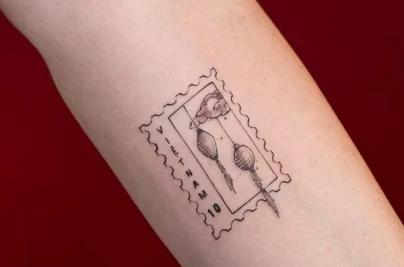
Modern tattooing is no longer judged solely by artistic skill. Clients, health inspectors, and industry professionals increasingly evaluate studios based on sanitation standards, infection-control practices, and transparency. Among the most important developments in professional tattoo safety is the widespread adoption of single use tattoo supplies.
From sterile cartridge needles and disposable grips to barrier films and ink caps, single-use products help eliminate opportunities for cross-contamination while simplifying compliance with health regulations. More importantly, they provide visible reassurance to clients who want confidence that every procedure is performed with the highest safety standards.
In today’s competitive tattoo industry, disposable supplies are not merely a hygiene upgrade—they have become a critical business asset that influences client trust, inspection readiness, operational efficiency, and long-term studio reputation.
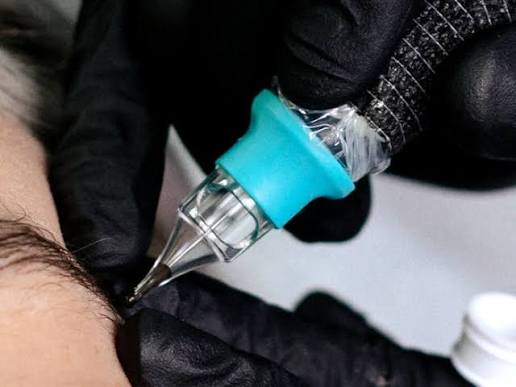
What Are Single Use Tattoo Supplies?
Single use tattoo supplies are sterile or disposable products designed to be used for one client during one tattoo procedure and then discarded. Their primary purpose is to reduce contamination risks, improve infection control, support regulatory compliance, and provide a safer experience for both tattoo artists and clients.
Unlike reusable equipment that requires cleaning, disinfection, and sterilization between procedures, single-use supplies arrive pre-packaged and are intended to enter the waste stream immediately after use. This approach dramatically reduces opportunities for human error during the sterilization process.
Common examples include:
- Disposable tattoo needles
- Sterile cartridge needle systems
- Disposable grips and tubes
- Ink caps
- Nitrile gloves
- Barrier film and machine covers
- Disposable razors
- Tongue depressors and applicators
- Protective dental bibs and drapes
Many new tattoo artists mistakenly assume that “sterile” automatically means “single-use.” In reality, these terms describe different characteristics.
How Single-Use Supplies Differ From Reusable Equipment
Single-use tattoo supplies are discarded after one procedure, while reusable equipment must undergo thorough cleaning and sterilization before being used again. The distinction matters because sterilization failures, improper handling, or equipment damage can introduce contamination risks even when reusable tools appear clean.
A reusable stainless-steel grip, for example, may be completely safe when properly processed through an autoclave. However, every additional handling step introduces potential failure points:
- Incomplete cleaning before sterilization
- Improper packaging
- Autoclave malfunction
- Storage contamination
- Documentation errors
Disposable alternatives eliminate many of these variables by arriving individually packaged and ready for immediate use.
| Factor | Single-Use Supplies | Reusable Equipment |
|---|---|---|
| Used Once | Yes | No |
| Requires Sterilization | No | Yes |
| Cross-Contamination Risk | Lower | Depends on procedures |
| Inspection Documentation | Simplified | More extensive |
| Operational Efficiency | Higher | Lower |
Expert Insight: Studios that transition from reusable tubes to disposable cartridge systems often discover that time savings—not equipment costs—become the largest operational advantage. Reducing post-procedure processing can free significant staff hours each week.
Why Tattoo Professionals Use Disposable Supplies
Professional tattoo artists use disposable supplies because they improve safety, reduce contamination opportunities, streamline workflow, and demonstrate a visible commitment to hygiene. In many studios, disposable systems have become standard practice rather than a premium option.
The benefits extend beyond infection control.
- Faster workstation setup
- Reduced sterilization workload
- Simplified compliance procedures
- Lower risk of processing errors
- Improved client perception
- Easier inventory tracking
Clients frequently observe whether needles are opened in front of them. This simple action often influences trust more than any marketing message a studio can publish online.
Studios operating in highly regulated jurisdictions also benefit from fewer inspection concerns because disposable supplies create a clearer chain of safety documentation.
Why Are Single Use Tattoo Supplies Important for Safety?
Single-use tattoo supplies play a critical role in preventing cross-contamination by removing shared-contact equipment from the tattoo process. By limiting each item to one client and one procedure, disposable products help reduce exposure to bloodborne pathogens and other infectious contaminants.
Tattooing involves repeated skin penetration. Whenever blood, bodily fluids, contaminated surfaces, or improperly processed equipment enter the workflow, infection risks increase.
The most effective infection-control strategies focus on eliminating contamination opportunities before they occur. Single-use supplies support this proactive approach.
What many competitors fail to explain is that contamination events rarely result from one dramatic mistake. They typically arise from several small procedural breakdowns occurring together.
A contaminated glove touches a machine surface. The machine touches a worktable. Another item contacts the table. Eventually, contamination reaches equipment intended for client use.
Disposable barriers and single-use products interrupt this chain before it develops into a larger safety issue.
How Cross-Contamination Happens in Tattoo Studios
Cross-contamination occurs when microorganisms or potentially infectious materials move from one surface, person, or object to another. In tattoo environments, contamination often spreads through gloves, equipment surfaces, workstations, bottles, cables, and improperly handled supplies.
Many artists assume contamination only involves visible blood. In reality, microscopic contamination can occur without any obvious signs.
Common contamination pathways include:
- Touching supply bottles with contaminated gloves
- Reaching into supply drawers during procedures
- Reusing ink caps
- Improper sharps handling
- Inadequate workstation barriers
- Failure to change gloves when required
Real-World Scenario: During a routine inspection, a studio may pass autoclave testing yet still receive sanitation violations because artists repeatedly touch spray bottles with contaminated gloves. The equipment remains sterile, but the workflow creates unnecessary risk.
Common Mistakes That Increase Contamination Risk
Many contamination risks stem from procedural shortcuts rather than major safety failures. Small habits repeated daily can create significant exposure over time.
- Opening sterile packages too early
- Using damaged packaging
- Placing sterile items on unprotected surfaces
- Improper glove removal
- Failure to replace contaminated barriers
- Reaching across sterile fields
- Using supplies with unclear sterilization indicators
Warning Sign: If packaging appears punctured, wet, torn, or previously opened, the item should never be used regardless of the sterilization date.
How Disposable Equipment Reduces Infection Risks
Disposable tattoo equipment reduces infection risks by eliminating the need for reprocessing between clients. Because the item is discarded after use, there is no opportunity for cleaning errors, sterilization failures, storage contamination, or accidental reuse.
This reduction in workflow complexity is often underestimated.
Consider a reusable grip:
- Use during procedure
- Transportation to cleaning area
- Manual cleaning
- Inspection
- Packaging
- Sterilization cycle
- Storage
- Reuse
Every step introduces potential risk.
A disposable grip removes nearly all of these stages.
As a result, disposable systems are particularly valuable for:
- Busy studios with high client volume
- Mobile tattoo artists
- Guest artist events
- Convention environments
- Studios seeking simplified compliance workflows

Essential Single Use Tattoo Supplies Checklist
Every professional tattoo workstation should include a core set of disposable supplies designed to prevent contamination, maintain procedural consistency, and support client safety. A complete checklist helps ensure that critical protective items are never overlooked during setup.
One of the most common operational mistakes in tattoo studios is focusing heavily on needles while underestimating the importance of barriers, razors, gloves, and secondary contact surfaces.
The safest workstations are built around a complete disposable ecosystem rather than a few isolated single-use products.
Disposable Needles and Cartridge Systems
Disposable needles and cartridge systems are among the most important single-use tattoo supplies because they directly contact the client’s skin and bloodstream. Modern sterile cartridges have become the preferred choice for many professionals due to their convenience, safety, and consistency.
Today’s cartridge systems offer several advantages:
- Individually sterilized packaging
- Integrated membrane systems
- Reduced fluid backflow risk
- Faster needle changes
- Improved workflow efficiency
When evaluating cartridge systems, artists should inspect:
- Sterility indicators
- Manufacturing consistency
- Needle stability
- Packaging integrity
- Expiration dates
Low-quality cartridges may introduce vibration, inconsistent pigment delivery, or safety concerns that affect both results and hygiene standards.

Disposable Grips, Tubes, and Tips
Disposable grips, tubes, and tips eliminate the need for cleaning and sterilization after procedures. By replacing reusable components with sterile alternatives, studios can reduce processing time while maintaining high infection-control standards.
Historically, reusable stainless-steel tubes dominated the industry. While still used in some environments, disposable alternatives have gained popularity due to their convenience and reduced contamination exposure.
Professional artists often prefer high-quality disposable grips because they:
- Arrive pre-sterilized
- Improve setup speed
- Reduce equipment management requirements
- Simplify inspection documentation
- Support consistent hygiene protocols
Information Gain: Many studio owners calculate supply costs per tattoo but overlook labor costs associated with cleaning, packaging, monitoring sterilization cycles, and maintaining autoclave records. When labor is included, disposable systems frequently become more competitive than expected.
Continue to the next section for ink caps, barrier protection systems, PPE requirements, compliance standards, and the often-overlooked connection between disposable supplies and client trust.
Single-Use Ink Caps and Ink Management Supplies
Lucky Tattoo, a professional tattoo artist, has over 10 years of experience in the art of tattooing in Ho Chi Minh City. Lucky Tattoo Studio was founded in 2014 by skilled and kind artists. All tattoos are provided in a clean, strictly controlled, and friendly environment.
While needles receive most of the attention in tattoo safety discussions, pigment handling remains a critical infection-control consideration. Every time a contaminated needle or glove contacts a pigment source, microorganisms can potentially spread beyond the immediate workstation.
Best practices for ink management include:
- Using new ink caps for every client
- Pouring only the amount of pigment needed
- Discarding all remaining ink after the procedure
- Avoiding direct contact between bottles and contaminated gloves
- Using barrier protection on frequently handled containers
Many experienced artists establish a dedicated clean zone and contaminated zone during setup. This workflow minimizes accidental contact and creates a more organized workstation.
Overlooked Insight: Cross-contamination events often originate from support items such as rinse cups, ointment containers, spray bottles, and ink caps rather than primary tattoo equipment.
Gloves, Razors, Barrier Film, and PPE
Disposable gloves, razors, barrier films, and personal protective equipment (PPE) form the foundation of modern tattoo infection control. These items create multiple layers of protection that help prevent contamination from spreading between clients, equipment, and environmental surfaces.
Professional tattoo stations typically include:
- Nitrile examination gloves
- Disposable razors
- Machine bags
- Clip cord covers
- Bottle covers
- Barrier film
- Protective bibs
- Disposable applicators

A common misconception is that gloves alone provide sufficient protection. In reality, gloves simply become another contaminated surface if artists touch multiple objects without changing them appropriately.
Expert Recommendation: Develop glove-changing triggers. For example, changing gloves immediately after touching phones, drawers, payment terminals, door handles, or non-protected surfaces helps maintain contamination control throughout the procedure.
What Regulations Govern Tattoo Supply Safety?
Tattoo supply safety is governed by a combination of occupational safety standards, public health regulations, local licensing requirements, and infection-control guidelines. While regulations vary by jurisdiction, most focus on preventing bloodborne pathogen exposure and maintaining sanitary tattoo environments.
Professional studios should view regulations as the minimum acceptable standard rather than the ultimate goal. The most respected tattoo businesses often exceed legal requirements because superior hygiene directly supports client safety and long-term reputation management.
Regulatory frameworks commonly address:
- Needle disposal
- Sterilization procedures
- Bloodborne pathogen training
- Workstation sanitation
- Recordkeeping requirements
- Sharps container usage
- PPE protocols
OSHA Bloodborne Pathogens Requirements
The OSHA Bloodborne Pathogens Standard establishes workplace safety requirements designed to reduce exposure to potentially infectious materials. Tattoo businesses operating in applicable jurisdictions often use these standards as a framework for employee safety and infection-control programs.
Key compliance areas typically include:
- Exposure control plans
- Employee training
- Personal protective equipment
- Sharps disposal procedures
- Incident reporting protocols
- Work practice controls
Studios that rely heavily on single-use supplies often find compliance easier because disposable products reduce the complexity of sterilization documentation and equipment tracking.
Compliance is not simply about avoiding penalties. Effective infection-control systems protect artists, clients, and business continuity.
CDC and Public Health Recommendations
Public health guidance emphasizes infection prevention through proper hygiene, environmental controls, sterilization practices, and safe handling of contaminated materials. Single-use tattoo supplies support many of these recommendations by reducing opportunities for microbial transfer.
Although local regulations differ, public health experts consistently promote:
- Hand hygiene
- Appropriate PPE usage
- Safe sharps handling
- Environmental cleaning
- Sterile equipment use
- Cross-contamination prevention
Studios that incorporate disposable systems alongside comprehensive hygiene protocols typically achieve stronger inspection outcomes and greater client confidence.
State and Local Body Art Regulations
State and local body art regulations establish specific operational requirements for tattoo studios, including licensing, sanitation, training, and equipment standards. Because rules vary significantly, studio owners should regularly review guidance from their local health authority.
Areas frequently covered include:
- Facility design requirements
- Handwashing stations
- Sterilization equipment standards
- Record retention policies
- Consent procedures
- Waste management protocols
Information Gain: Some studio owners focus exclusively on national guidance while overlooking local inspection criteria. In practice, local health departments often determine the standards that directly affect daily operations and licensing status.
Single-Use vs Reusable Tattoo Supplies: Which Is Better?
Neither disposable nor reusable tattoo equipment is inherently superior in every situation. However, single-use supplies generally offer lower contamination risk, greater convenience, simplified compliance, and improved workflow efficiency, making them the preferred choice for many modern tattoo studios.
The most effective approach often combines carefully selected reusable equipment with a comprehensive disposable supply strategy.
| Consideration | Single-Use | Reusable |
|---|---|---|
| Safety Simplicity | High | Moderate |
| Sterilization Needs | None | Extensive |
| Setup Speed | Fast | Slower |
| Inspection Readiness | Simplified | More Documentation |
| Initial Cost | Higher Per Procedure | Higher Upfront Investment |
Advantages of Disposable Supplies
Disposable tattoo supplies provide predictable safety, reduced processing requirements, and greater consistency between procedures. Their greatest advantage is eliminating multiple contamination opportunities that exist within reusable equipment workflows.
- Reduced infection risk
- Less labor-intensive processing
- Improved workflow consistency
- Enhanced client perception
- Faster room turnover
- Simplified staff training
Many studios report that clients actively ask whether supplies are single-use before booking appointments, particularly first-time tattoo customers.
Situations Where Reusable Equipment May Still Be Used
Reusable equipment remains appropriate in some professional settings when proper cleaning, packaging, sterilization, storage, and documentation systems are consistently maintained. The key requirement is strict adherence to validated infection-control procedures.
Examples may include:
- Certain machine components
- High-quality stainless-steel tools
- Specialized studio equipment
- Non-client-contact devices
The decision should be based on risk assessment rather than tradition. Many studios retain reusable equipment simply because it has always been part of their workflow, not because it offers measurable advantages.
Cost Comparison for Tattoo Studios
Comparing disposable and reusable tattoo supplies requires evaluating both direct expenses and operational costs. Focusing only on purchase price often creates an inaccurate picture of long-term business performance.
Hidden costs associated with reusable systems may include:
- Autoclave maintenance
- Sterilization monitoring
- Packaging materials
- Employee labor
- Training requirements
- Compliance documentation
Research-Based Observation: Many studios discover that disposable systems become financially competitive once labor hours, equipment maintenance, and administrative tasks are included in the calculation.
How Single Use Tattoo Supplies Build Client Trust
Single-use tattoo supplies improve client trust by providing visible evidence of hygiene, professionalism, and safety. Clients may not understand every technical aspect of infection control, but they immediately recognize sealed sterile packaging and proper disposal practices.
Trust is one of the most overlooked competitive advantages in the tattoo industry.
When clients observe:
- Freshly opened needles
- New cartridge systems
- Clean barrier protection
- Proper glove changes
- Safe disposal procedures
They gain confidence in both the artist and the studio.
What Clients Notice During a Tattoo Session
Clients often evaluate cleanliness based on visible actions rather than technical knowledge. Small procedural details can strongly influence their perception of professionalism and safety.
Common observations include:
- Whether packages are opened in front of them
- How gloves are changed
- Workstation cleanliness
- Organization of supplies
- Waste disposal practices
Expert Insight: A well-organized sterile setup frequently creates a stronger impression than expensive studio décor. Clients tend to associate visible cleanliness with competence.
How Hygiene Influences Reviews and Referrals
Strong hygiene practices contribute directly to positive reviews, repeat business, and word-of-mouth referrals. Clients who feel safe are more likely to recommend a studio and return for future work.
Online reviews frequently mention:
- Clean environment
- Professional setup
- Visible sterilization practices
- Artist attention to safety
- Comfort and confidence during the procedure
This relationship between infection-control practices and customer satisfaction is rarely discussed by competitors, yet it can significantly influence long-term studio growth.
Best Practices for Using and Disposing of Tattoo Supplies
Effective infection control requires more than purchasing disposable products. Studios must establish consistent procedures for storage, handling, verification, disposal, and documentation to maximize the safety benefits of single-use tattoo supplies.
Verifying Sterile Packaging Before Use
Sterile packaging should be inspected before every procedure to confirm integrity and validity. Damaged packaging may compromise sterility even if the contents appear untouched.
- Check expiration dates
- Inspect sterilization indicators
- Look for tears or punctures
- Verify package seals
- Confirm product labeling
If any doubt exists regarding package integrity, the item should be discarded immediately.
Proper Disposal of Sharps and Contaminated Materials
Needles, cartridges, razors, and contaminated materials must be discarded according to applicable health regulations. Proper disposal protects staff, clients, waste handlers, and the broader community.
- Use approved sharps containers
- Separate contaminated waste appropriately
- Train staff on disposal procedures
- Maintain collection records when required
Improper sharps disposal remains one of the most common inspection deficiencies identified in body art facilities.
Maintaining Documentation and Supply Records
Accurate records support compliance, quality control, and risk management. Documentation also helps studios respond effectively to inspections, client inquiries, and supplier issues.
Recommended records include:
- Supply invoices
- Lot numbers
- Sterility certifications
- Training documentation
- Inspection reports
Expert Recommendations for Choosing Quality Single Use Tattoo Supplies
Choosing quality disposable tattoo supplies requires evaluating sterility assurance, manufacturing consistency, packaging integrity, supplier reputation, and regulatory compliance. Lower-cost products may appear attractive initially but can create safety, performance, and reputation risks over time.
Signs of High-Quality Sterile Products
Reliable tattoo supplies typically demonstrate clear quality-control standards, professional packaging, traceability, and consistent performance during procedures.
- Clearly labeled packaging
- Sterility indicators
- Lot number traceability
- Consistent manufacturing quality
- Reputable supplier history

Questions to Ask Before Buying Tattoo Supplies
Before purchasing tattoo supplies, professionals should verify manufacturing standards, sterility assurance, product testing, and supplier transparency. Asking the right questions helps reduce quality risks and supports long-term studio consistency.
- How is sterility validated?
- Are lot numbers traceable?
- What quality-control procedures are used?
- Are certifications available upon request?
- How are complaints investigated?
Frequently Asked Questions About Single Use Tattoo Supplies
What are single use tattoo supplies?
Single-use tattoo supplies are disposable products intended for one client and one procedure before being safely discarded.
Which tattoo supplies should always be disposable?
Needles, cartridges, gloves, razors, ink caps, machine barriers, and contaminated applicators should generally be single-use items.
Do disposable tattoo supplies prevent infections?
They significantly reduce infection and cross-contamination risks when combined with proper hygiene protocols and infection-control procedures.
Are single-use tattoo needles safer than reusable needles?
Single-use needles eliminate reprocessing requirements, reducing opportunities for sterilization errors and contamination.
How can clients tell if tattoo supplies are truly single-use?
Clients should observe sealed sterile packaging being opened immediately before the procedure and proper disposal afterward.
Do health inspectors check tattoo supply practices?
Yes. Many inspections review sanitation procedures, sharps disposal, documentation, sterilization practices, and infection-control measures.
Are disposable tattoo supplies more expensive?
Per-procedure costs may be higher, but labor savings, reduced sterilization requirements, and simplified compliance often offset expenses.
Why do professional studios prefer cartridge systems?
Cartridge systems improve efficiency, simplify setup, support sterility, and help reduce contamination risks during procedures.
Conclusion: Why Single Use Tattoo Supplies Are the Industry Standard
Single use tattoo supplies have transformed modern tattoo safety by reducing contamination opportunities, supporting regulatory compliance, simplifying workflow management, and strengthening client confidence. From sterile cartridge needles and disposable grips to barrier films and PPE, these products form a critical layer of protection within a comprehensive infection-control program.
The most successful tattoo studios recognize that safety is not simply a regulatory requirement—it is a business advantage. Visible hygiene practices improve trust, support positive reviews, enhance inspection readiness, and contribute to long-term professional credibility.
While reusable equipment still has a place in certain environments, the industry trend continues to move toward disposable systems that reduce complexity and improve consistency. For artists, studio owners, and clients alike, single-use tattoo supplies represent one of the most effective investments in safety, professionalism, and sustainable business growth.