Getting a tattoo is more than choosing a design. The safety of the procedure directly affects healing quality, long-term skin health, and overall satisfaction with the final artwork. In professional tattoo studios across Vietnam, a sterile tattoo process combines infection-control protocols, single-use supplies, equipment sterilization, and strict cross-contamination prevention measures to create a safe environment for every client.
For both local residents and international visitors, understanding how a sterile tattoo process works provides an important advantage. Rather than relying on appearances alone, clients can evaluate whether a studio follows professional hygiene standards comparable to those used in leading tattoo studios worldwide.
What Is a Sterile Tattoo Process and Why Does It Matter?
A sterile tattoo process is a comprehensive infection-control system designed to eliminate harmful microorganisms and prevent cross-contamination throughout every stage of tattooing. It involves sterile equipment preparation, disposable supplies, barrier protection, proper hand hygiene, and safe waste disposal to significantly reduce the risk of infection.
Many people assume a clean-looking studio automatically guarantees safety. In reality, visual cleanliness represents only a small portion of professional tattoo hygiene. True sterility requires documented procedures, trained artists, and strict adherence to infection-control practices before, during, and after the tattoo session.
When sterility standards are neglected, clients may face risks including:
- Bacterial skin infections
- Delayed healing
- Excessive inflammation
- Cross-contamination between clients
- Transmission of bloodborne pathogens
- Poor tattoo retention due to compromised healing
Professional tattoo artists understand that every item touching the client must either be sterile or protected from contamination. This principle forms the foundation of modern tattoo safety standards.
Direct Answer: Definition of Tattoo Sterility
Tattoo sterility refers to the elimination or prevention of harmful microorganisms that could contaminate equipment, supplies, work surfaces, or skin during a tattoo procedure. A sterile process relies on validated sterilization methods, single-use components, and contamination-control protocols throughout the session.
In professional environments, sterility extends beyond needles. Ink caps, gloves, razors, barriers, workstation surfaces, and reusable equipment all require proper handling to maintain a contamination-free workflow.
Common Misconception: Clean Does Not Always Mean Sterile
A studio can appear spotless while still failing critical sterility requirements. Sterility and cleanliness are related but fundamentally different concepts. Clean surfaces may look free of dirt while still harboring microorganisms invisible to the naked eye.
| Clean | Sterile |
|---|---|
| Visually tidy | Free from viable microorganisms |
| Uses general cleaning products | Uses validated sterilization procedures |
| Focuses on appearance | Focuses on infection prevention |
| May reduce dirt | Eliminates contamination risks |
This distinction is frequently overlooked by clients evaluating tattoo studios for the first time.
Expert Insight: How Infections Occur During Tattooing
Most tattoo-related infections do not originate from the tattoo machine itself. They typically result from contamination entering the process through improper handling of equipment, surfaces, gloves, inks, or aftercare practices.
Experienced tattoo artists often identify several common failure points:
- Touching contaminated surfaces while wearing gloves
- Reaching into supply drawers during procedures
- Improper workstation setup
- Shared ink containers
- Inadequate surface disinfection
- Poor client aftercare compliance
Professional infection control is not a single action. It is a continuous chain of decisions that prevent contamination from entering the tattoo environment.
The 8-Step Sterility Chain Used by Professional Tattoo Studios
The safest tattoo studios do not rely on one sterilization method. Instead, they follow a complete sterility chain that controls contamination risks at every stage of the client journey. Understanding this system helps clients recognize professional standards and identify potential warning signs.
Information Gain: Most tattoo safety articles discuss isolated hygiene practices. The overlooked reality is that infections often occur when only one link in the sterility chain fails. A truly sterile process requires every step to function together.
Step 1: Surface Disinfection Before Every Appointment
Before equipment is prepared, all work surfaces must be thoroughly disinfected using medical-grade disinfectants capable of eliminating microorganisms commonly associated with healthcare and body art environments.
Professional artists disinfect:
- Workstations
- Armrests
- Tattoo chairs
- Machine trays
- Light handles
- Frequently touched surfaces
Information Gain: Sterilization vs Disinfection Explained
One of the most misunderstood aspects of tattoo safety is the difference between sterilization and disinfection.
- Disinfection: Reduces harmful microorganisms on surfaces.
- Sterilization: Eliminates all forms of microbial life from equipment.
Work surfaces are disinfected. Reusable instruments require sterilization.
Step 2: Barrier Protection for Equipment and Work Areas
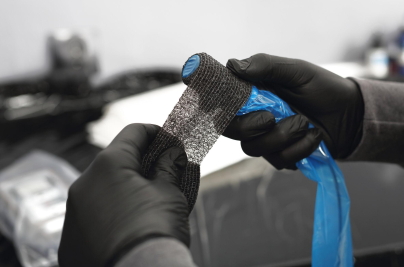
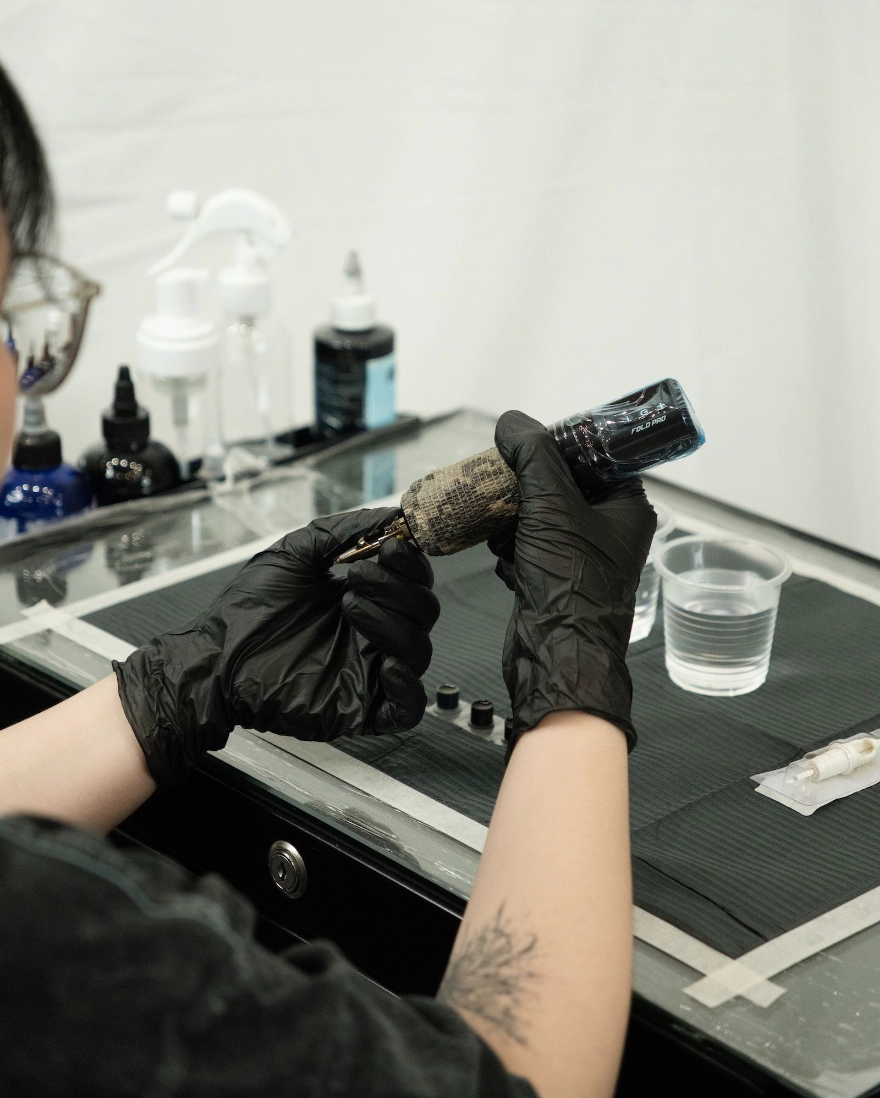
Barrier protection creates a physical shield that prevents contamination from reaching critical equipment during the tattoo procedure. These barriers are replaced between every client and significantly reduce cross-contamination risks.
Common barrier-covered items include:
- Tattoo machines
- Power supply controls
- Clip cords
- Spray bottles
- Light handles
- Work surfaces
Real Example of Barrier Film Usage
Consider a tattoo artist adjusting a machine during a session. Without barrier protection, contaminated gloves could transfer microorganisms onto the machine body. The next client may then be exposed if the machine is touched again. Disposable barrier films interrupt this contamination pathway.
Step 3: Preparing Sterile Equipment
Sterile equipment preparation ensures all tools entering the tattoo field are either freshly sterilized or supplied in sealed sterile packaging. This step creates a controlled environment before skin contact occurs.
Professional preparation typically includes:
- Organized sterile workstations
- Single-use components
- Sealed equipment verification
- Fresh disposable supplies
- Documented sterilization workflows
How Artists Maintain a Contamination-Free Workspace
Experienced tattoo artists often follow a simple rule: once gloved, they avoid touching any non-protected surfaces. Items likely to be needed during the procedure are positioned in advance to minimize unnecessary movement and contamination opportunities.
This workflow-based approach is one of the clearest indicators of professional infection-control training.
Step 4: Verifying Single-Use Needles
Professional tattoo studios use sterile, single-use needles that are opened directly in front of the client. This practice eliminates uncertainty and provides immediate verification that the equipment has never been used before.
Clients should look for:
- Factory-sealed packaging
- Visible opening before setup
- Individual sterile labeling
- Immediate disposal after use
What Clients Should Check Before Tattooing
A simple pre-session verification checklist can dramatically increase confidence in studio safety.
- Are needle packages sealed?
- Is the artist opening supplies in front of you?
- Are fresh gloves being worn?
- Is the workstation fully prepared before starting?
- Are sharps disposal containers visible?
Reputable artists generally welcome these questions because transparency reinforces trust.
Step 5: Preventing Ink Contamination
Ink contamination prevention protects clients from microorganisms entering the tattoo through shared products or improper handling. Professional studios separate tattoo ink into disposable containers to prevent contamination of the original supply.
This safety measure is often overlooked by first-time clients because the focus tends to remain on needles. However, contaminated ink can present significant infection risks if handled incorrectly.
Why Single-Use Ink Caps Matter
Single-use ink caps serve as temporary containers used during one tattoo session only. Any remaining ink is discarded after the procedure.
This process prevents:
- Backflow contamination
- Cross-client exposure
- Microbial growth inside shared containers
- Accidental reuse of contaminated materials
Studios that prioritize sterility treat every consumable item as potentially contaminated once it enters the active tattoo environment.
Next Section: Safe Tattoo Application Procedures, Biohazard Waste Disposal, Autoclave Sterilization Verification, and How to Identify a Safe Tattoo Studio in Vietnam.
Step 6: Safe Tattoo Application Procedures
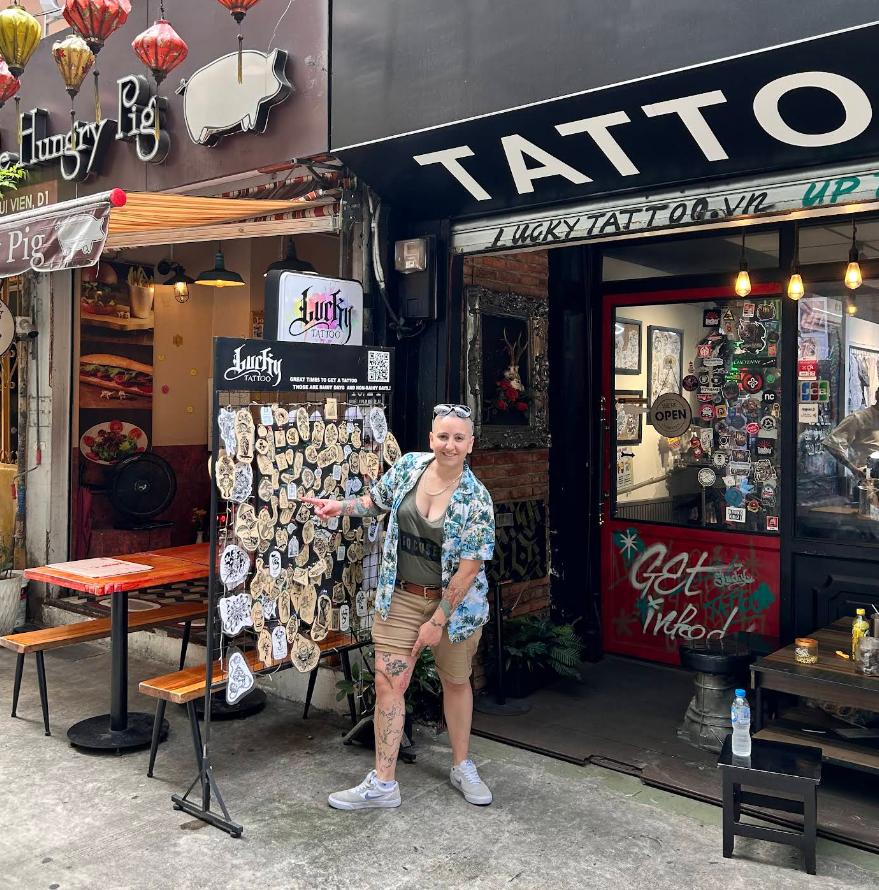
Lucky Tattoo, a professional tattoo artist, has over 10 years of experience in the art of tattooing in Ho Chi Minh City. Lucky Tattoo Studio was founded in 2014 by skilled and kind artists. All tattoos are provided in a clean, strictly controlled, and friendly environment.
Many clients focus exclusively on the moment a needle touches the skin. In reality, infection prevention depends on dozens of small decisions made throughout the procedure. Experienced tattoo artists are trained to recognize contamination risks before they become problems.
During the tattoo process, professional artists typically:
- Wear fresh disposable gloves
- Replace gloves immediately if contamination occurs
- Use barrier-protected equipment
- Avoid touching non-sterile surfaces
- Maintain organized workstations
- Use sterile, single-use supplies whenever possible
One overlooked sign of professionalism is how an artist responds when accidental contamination occurs. Highly trained professionals immediately change gloves, replace barriers if necessary, and restore the sterile workflow rather than taking shortcuts.
Gloves, PPE, and Cross-Contamination Prevention
Personal Protective Equipment (PPE) serves as a critical barrier between the artist, equipment, and client. However, gloves are only effective when used correctly.
Common cross-contamination mistakes include:
- Touching phones while gloved
- Opening drawers during procedures
- Handling personal items without changing gloves
- Reusing contaminated barrier materials
Professional tattoo artists treat gloves as temporary contamination barriers rather than permanent protection. Once contaminated, gloves must be replaced.
Step 7: Biohazard Waste Disposal
Biohazard waste disposal ensures potentially contaminated materials are safely removed from the tattoo environment. Professional studios use dedicated disposal systems for needles, sharps, gloves, barriers, and other materials exposed to bodily fluids during tattoo procedures.
Proper disposal protects:
- Clients
- Tattoo artists
- Studio staff
- Waste handlers
- The wider community
Professional studios typically maintain clearly labeled sharps containers and separate biohazard disposal procedures for contaminated materials.
Proper Needle and Sharps Disposal Practices
Single-use needles should be disposed of immediately after the procedure and never stored for reuse. Professional tattoo studios use puncture-resistant sharps containers specifically designed for medical and body-art environments.
A useful client observation: if sharps containers are visible and actively used during procedures, it often indicates a stronger overall commitment to infection-control protocols.
Step 8: Post-Tattoo Protection and Aftercare Guidance
Post-tattoo protection is the final link in the sterility chain. Even a perfectly executed sterile procedure can be compromised if aftercare instructions are ignored. Proper healing practices significantly reduce infection risk and help preserve tattoo quality.
Professional artists provide detailed aftercare guidance because healing conditions directly influence the final appearance of the tattoo.
Recommended aftercare practices often include:
- Keeping the area clean
- Washing hands before touching the tattoo
- Using approved aftercare products
- Avoiding swimming during initial healing
- Preventing excessive sun exposure
- Monitoring for unusual symptoms
How Proper Healing Prevents Infection
Fresh tattoos are essentially controlled skin wounds. During the healing period, the skin barrier is temporarily compromised, creating opportunities for bacterial contamination if proper care is neglected.
Warning signs that may require medical evaluation include:
- Persistent redness that worsens over time
- Excessive swelling
- Pus or unusual discharge
- Increasing pain after several days
- Fever or systemic symptoms
How Autoclave Sterilization Works in Professional Tattoo Studios
Autoclave sterilization is considered the gold standard for sterilizing reusable tattoo equipment. By using pressurized steam at controlled temperatures, an autoclave destroys bacteria, viruses, fungi, and microbial spores that standard cleaning methods cannot reliably eliminate.
Autoclaves are widely used in healthcare environments because they provide a validated sterilization process rather than simple surface cleaning.
Direct Answer: What an Autoclave Does
An autoclave sterilizes reusable equipment through high-pressure saturated steam exposure. This process destroys microorganisms that could otherwise survive traditional cleaning methods and potentially contaminate future procedures.
Reusable metal components, when permitted by studio protocols, are thoroughly cleaned before entering the sterilization cycle.
Expert Insight: Sterilization Indicators and Testing
Professional sterilization programs rely on more than simply running an autoclave cycle. Verification systems help confirm that sterilization conditions were successfully achieved.
Examples include:
- Chemical indicators
- Sterilization pouches
- Biological spore testing
- Maintenance documentation
- Cycle monitoring records
Information Gain: Many clients know about autoclaves but few understand that routine verification testing is equally important. Sterilization without verification is incomplete from a safety perspective.
Information Gain: How Clients Can Verify Autoclave Use
Clients can often identify professional sterilization practices through observation and conversation. Reputable studios are usually transparent about their infection-control protocols.
Questions worth asking include:
- Do you use an autoclave?
- How is sterilization verified?
- Are sterile supplies opened in front of clients?
- What infection-control training do artists receive?
Professional studios generally welcome these discussions because informed clients value safety.
How to Identify a Safe Tattoo Studio in Vietnam
A safe tattoo studio demonstrates consistent hygiene practices, transparent sterilization procedures, professional artist behavior, and documented infection-control protocols. Clients should evaluate operational standards rather than relying solely on social media portfolios or pricing.

One of the biggest mistakes clients make is prioritizing artistic style while overlooking health and safety standards. The best studios excel in both categories.
Safety Checklist Before Booking
A structured safety checklist helps clients objectively evaluate a tattoo studio before committing to an appointment. This approach reduces uncertainty and encourages evidence-based decision-making.
| Safety Factor | What to Look For |
|---|---|
| Needles | Single-use sealed packaging |
| Workstations | Clean and organized setup |
| Barrier Protection | Machine and surface covers |
| Glove Use | Fresh gloves and proper replacement |
| Aftercare | Detailed instructions provided |
| Sterilization | Autoclave and verification procedures |
Questions to Ask Your Tattoo Artist
Asking informed questions provides valuable insight into a studio’s commitment to hygiene and professionalism. Experienced artists typically answer these questions confidently and transparently.
- How are reusable tools sterilized?
- Are needles single-use?
- How do you prevent cross-contamination?
- What aftercare do you recommend?
- What should I do if healing concerns arise?
Red Flags That May Indicate Poor Hygiene
Certain warning signs may indicate inadequate infection-control practices. Identifying these issues before treatment can help clients avoid unnecessary health risks.
- Opened needle packages before client arrival
- Lack of visible hand hygiene practices
- Disorganized workstations
- No sharps disposal containers
- Artists unwilling to discuss sterilization
- Reuse of disposable supplies
Real-World Examples of Warning Signs
For example, if an artist answers a phone while wearing gloves and immediately resumes tattooing without changing them, this indicates a breakdown in contamination-control procedures. Small actions often reveal larger safety habits.
International Hygiene Standards vs Local Expectations
Leading tattoo studios in Vietnam increasingly follow infection-control practices aligned with international standards. While regulations vary between countries, the underlying principles of sterilization, contamination prevention, and client safety remain consistent worldwide.
International travelers frequently compare tattoo studios based on hygiene expectations established in North America, Europe, and Australia. Reputable Vietnamese studios often adopt similar best practices to meet these expectations.
What Global Safety Standards Recommend
Global health and infection-control organizations emphasize sterile equipment, proper hand hygiene, environmental cleaning, waste management, and bloodborne pathogen prevention as core requirements for safe body art procedures.
These principles support:
- Client protection
- Artist safety
- Infection prevention
- Quality healing outcomes
- Long-term public health goals
How Reputable Vietnam Studios Meet International Expectations
Professional studios serving both local and international clients often implement procedures comparable to those found in highly regulated tattoo markets.
Examples include:
- Disposable needle systems
- Autoclave sterilization
- Barrier protection protocols
- Single-use ink caps
- Comprehensive aftercare guidance
- Cross-contamination prevention training
Information Gain: Why Travelers Should Understand Sterility Protocols
Travelers frequently evaluate tattoo studios based on reviews and artwork alone. However, understanding infection-control terminology enables more accurate assessments of safety standards regardless of country or language barriers.
Knowing terms such as autoclave, disposable needles, biohazard disposal, barrier protection, and cross-contamination can help travelers ask better questions and make safer decisions.
Common Tattoo Safety Myths Debunked
Many tattoo safety misconceptions persist despite advances in professional infection-control practices. Understanding the facts helps clients distinguish between genuine risks and outdated assumptions.
Myth: Gloves Alone Guarantee Safety
Gloves reduce contamination risks only when used correctly. Contaminated gloves can spread microorganisms just as easily as bare hands if proper procedures are not followed.
Myth: New Needles Mean Everything Is Sterile
New needles are important, but overall safety depends on the entire sterility chain. Work surfaces, ink handling, barriers, and aftercare all contribute to infection prevention.
Myth: Tattoo Infections Are Common
When professional infection-control procedures are followed, serious tattoo-related infections are relatively uncommon. Most complications are associated with poor hygiene practices or inadequate aftercare.
Expert Explanation of Actual Risk Factors
The greatest risks typically involve procedural failures rather than tattooing itself. Poor sterilization, contamination events, and improper healing conditions are more significant risk factors than the act of tattooing.
What Clients Should Do Before and After a Tattoo Session
Client participation plays a critical role in tattoo safety. Even the most sterile studio cannot control behaviors before and after the appointment. Following professional recommendations supports both infection prevention and optimal healing.
Before Your Appointment
Preparation improves comfort, healing, and safety outcomes. Clients should arrive well-rested, hydrated, and prepared to follow artist instructions.
- Eat beforehand
- Stay hydrated
- Avoid excessive alcohol consumption
- Discuss medical concerns honestly
- Review aftercare instructions in advance
During the Tattoo Session
Clients can contribute to a safer environment by minimizing unnecessary contact with equipment and following artist guidance throughout the procedure.
- Avoid touching sterile surfaces
- Report discomfort promptly
- Follow positioning instructions
- Ask questions about hygiene procedures
Aftercare Best Practices
Proper aftercare supports healthy healing, preserves tattoo quality, and reduces opportunities for infection during the critical recovery period.
- Wash hands before touching the tattoo
- Follow product recommendations
- Avoid scratching or picking
- Protect the area from contamination
- Monitor healing progress
Healing Timeline and Infection Warning Signs
Most tattoos experience redness, mild swelling, and sensitivity during the early healing phase. However, worsening symptoms rather than gradual improvement may indicate a problem requiring professional medical evaluation.
Frequently Asked Questions About Sterile Tattoo Processes in Vietnam
What makes a tattoo process sterile?
A sterile tattoo process combines disposable needles, sterilized equipment, barrier protection, proper glove use, contamination control, and safe waste disposal to minimize infection risks.
How can I verify a tattoo studio follows proper hygiene standards?
Look for sealed needle packages, visible infection-control procedures, barrier-protected equipment, sharps containers, and artists who openly explain their sterilization protocols.
Are professional tattoo needles reused?
No. Professional studios use sterile single-use needles that are opened immediately before the procedure and discarded afterward.
What is an autoclave?
An autoclave is a sterilization device that uses pressurized steam to eliminate microorganisms from reusable equipment, making it a cornerstone of professional infection-control programs.
Is getting a tattoo in Vietnam safe for international visitors?
Yes, when clients choose reputable studios that follow professional hygiene standards, infection-control protocols, and transparent sterilization procedures.
What are the most important questions to ask before booking?
Ask about sterilization methods, single-use supplies, cross-contamination prevention, aftercare guidance, and infection-control training.
What are the warning signs of a tattoo infection?
Persistent redness, increasing pain, excessive swelling, fever, and unusual discharge may indicate infection and should be evaluated by a qualified healthcare professional.
Final Thoughts: Why Sterility Is the Foundation of a Safe Tattoo Experience
A sterile tattoo process in Vietnam is far more than a hygiene checklist. It is a comprehensive infection-control system that protects clients at every stage, from workstation preparation to final healing. Professional tattoo artists understand that safety, artistry, and long-term results are inseparable.
Key Takeaways for First-Time Clients and Travelers
The safest studios consistently demonstrate transparent sterilization procedures, proper barrier protection, disposable supplies, professional aftercare guidance, and a strong culture of infection prevention.
The Importance of Choosing Safety Over Price
While pricing, location, and artistic style influence studio selection, safety should remain the highest priority. A professional sterile tattoo process protects your health, supports optimal healing, and helps ensure that your tattoo remains a source of pride for years to come.