Getting a tattoo in Ho Chi Minh City should not feel like negotiating a mystery purchase. Yet many clients—especially first-time collectors and international visitors—struggle to understand why one studio quotes significantly more than another. Transparent tattoo pricing eliminates uncertainty by clearly explaining what influences cost, what services are included, and how to compare quotes fairly.
Whether you are planning a small minimalist design, a detailed custom sleeve, or a large-scale black-and-grey project, understanding pricing structures helps you make informed decisions based on quality, safety, and long-term satisfaction rather than cost alone.

What Is Transparent Tattoo Pricing in Saigon?
Transparent tattoo pricing means clients receive a clear explanation of how a tattoo quote is calculated before work begins. This includes design complexity, artist experience, tattoo size, placement difficulty, estimated session time, and any additional charges such as touch-ups or custom artwork.
In a professional studio environment, pricing transparency serves two important purposes. First, it builds trust between the artist and client. Second, it allows clients to compare studios based on actual value rather than relying on vague estimates or social media claims.
Unfortunately, many people assume tattoo pricing should function like buying a product with a fixed cost. Tattooing is a professional service that combines artistic expertise, technical skill, sterilization procedures, premium materials, and years of experience.
Direct Answer: How Transparent Pricing Works
A transparent pricing model explains exactly what contributes to the final quote. Instead of receiving a single number, clients understand the factors affecting cost and what services are included before committing to an appointment.
A professional quote commonly includes:
- Design consultation
- Custom artwork preparation
- Artist labor and tattooing time
- Needles, cartridges, and sterile supplies
- Premium inks and consumables
- Aftercare guidance
- Touch-up policy information
When clients understand these components, they are less likely to experience price shock or misunderstandings during the tattoo process.
Why Some Tattoo Studios Avoid Clear Pricing
Some studios hesitate to publish prices because every tattoo is unique. While customization does affect pricing, this should not prevent a studio from explaining its pricing methodology and expected cost ranges.
Common reasons for unclear pricing include:
- Inconsistent pricing systems
- Lack of standardized consultation procedures
- Frequent price changes based on demand
- Upselling after initial consultations
- Insufficient project planning
Clients should view excessively vague pricing as a potential warning sign, particularly if the artist cannot explain how costs are determined.
Common Misconception: Cheapest Tattoo Equals Best Value
The lowest quote rarely represents the best long-term value. Tattoo removal, cover-up work, and corrective procedures often cost substantially more than investing in quality work from the beginning.
Experienced artists frequently spend years mastering line work, shading, anatomy, composition, and skin behavior. Those skills directly affect tattoo longevity and appearance.
A well-executed tattoo may look excellent for decades. A poorly executed tattoo can require expensive corrections within months.
Price should always be evaluated alongside portfolio quality, hygiene standards, client reviews, and artist specialization.
Information Gain: The 6 Components of a Transparent Tattoo Quote
Most tattoo pricing guides stop at size-based estimates. However, professionals typically evaluate six separate variables when creating a quote:
- Design Complexity
- Tattoo Size
- Placement Difficulty
- Artist Experience
- Session Duration
- Color and Technical Requirements
Understanding these six factors gives clients a more accurate framework for comparing quotes across different studios.
How Much Does a Tattoo Cost in Ho Chi Minh City?
Tattoo prices in Ho Chi Minh City vary depending on size, complexity, style, artist experience, and required session time. While no universal pricing model exists, understanding typical project categories helps clients establish realistic expectations and avoid unrealistic budget assumptions.
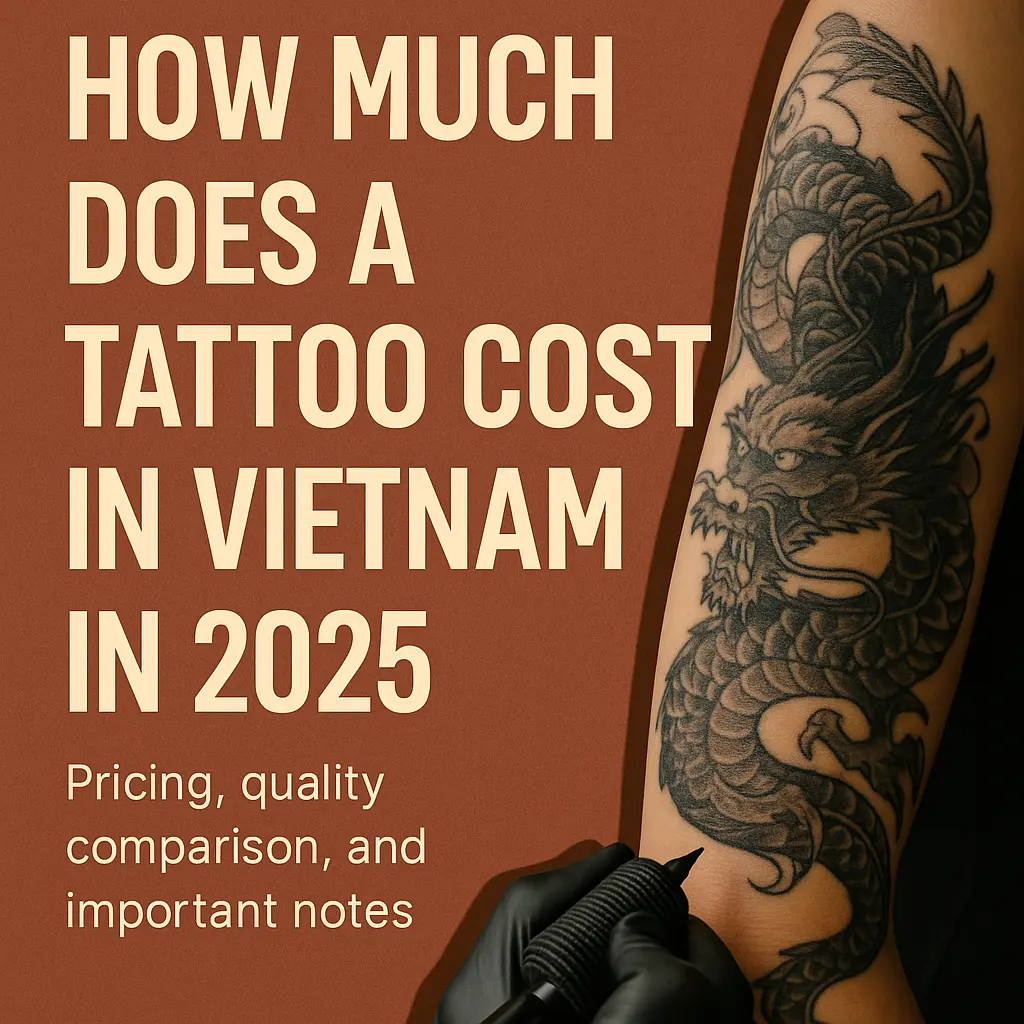
One of the biggest mistakes clients make is comparing tattoos solely by physical dimensions. Two tattoos with identical measurements can require dramatically different levels of skill and time.
Direct Answer: Average Tattoo Price Ranges
Tattoo pricing generally increases based on design complexity, detail level, and session duration. Small tattoos often require a minimum charge, while larger custom projects are typically priced according to total hours or project scope.
| Tattoo Category | Complexity | Typical Time Requirement |
|---|---|---|
| Small Minimalist Tattoo | Low | 30–90 Minutes |
| Medium Detailed Tattoo | Moderate | 2–4 Hours |
| Large Custom Piece | High | 4–8 Hours |
| Half Sleeve | Very High | Multiple Sessions |
| Full Sleeve | Advanced | Several Sessions |
Small Tattoos
Small tattoos often appear simple but still require setup time, sterilization procedures, stencil preparation, and artist expertise. Most professional studios establish a minimum charge regardless of tattoo size.
Examples include:
- Fine-line symbols
- Initials
- Tiny geometric designs
- Micro tattoos
Medium Tattoos
Medium-sized tattoos commonly involve increased detail, shading, and design customization. These projects often represent the best balance between artistic expression and budget efficiency.
Popular examples include:
- Floral forearm designs
- Mandalas
- Animal portraits
- Script compositions
Large Tattoos
Large projects require extensive planning and often involve multiple artistic techniques. Pricing reflects both execution time and the complexity of maintaining consistency across larger body areas.
Full Sleeve Projects
A full sleeve is usually treated as a complete artistic project rather than a collection of separate tattoos. Experienced artists typically develop a cohesive composition strategy before beginning the first session.
This approach often results in better visual flow and greater long-term satisfaction.
Real-World Pricing Examples
Consider the following scenarios:
| Scenario | Complexity Level | Primary Cost Drivers |
|---|---|---|
| Small Fine-Line Rose | Moderate | Precision and detail |
| Forearm Japanese Design | High | Shading and composition |
| Full Black-and-Grey Sleeve | Very High | Multiple sessions and advanced technique |
Although the sleeve occupies more space, the most significant pricing variable is often total labor hours rather than size alone.
Information Gain: Price Per Session vs Price Per Project
Many clients focus exclusively on hourly rates. However, project pricing can sometimes provide greater value than session-based billing.
For example:
- An artist with a higher hourly rate may complete a tattoo faster due to experience.
- A less experienced artist may require additional sessions to achieve similar results.
- Project pricing often reduces uncertainty for larger tattoos.
Comparing total project value rather than hourly cost alone leads to more informed decisions.
What Factors Affect Tattoo Prices in Saigon?
Tattoo pricing is influenced by far more than size. Professional artists evaluate design complexity, technical difficulty, body placement, artistic specialization, and expected tattoo duration before providing a quote. Understanding these variables helps clients accurately interpret pricing differences between studios.
Tattoo Size and Coverage Area
Size remains one of the most important pricing factors because larger tattoos require more materials, preparation, and labor time. However, size alone never determines the final quote.
A simple palm-sized design may take less time than a smaller but highly detailed micro-realism tattoo.
Professional artists evaluate:
- Total skin coverage
- Line density
- Shading requirements
- Design composition
- Future expansion plans
Design Complexity and Custom Artwork
Custom designs often require substantial preparation before tattooing begins. Original artwork, revisions, and composition planning can add significant value to a project and influence pricing accordingly.
Complexity increases when a design includes:
- Portrait realism
- Micro-detail work
- Japanese backgrounds
- Geometric precision
- Large-scale storytelling elements
Clients frequently underestimate the number of hours spent creating artwork before the tattoo session even starts.
Artist Experience and Specialization
Highly experienced tattoo artists often command premium rates because they deliver predictable quality, stronger design expertise, and greater technical consistency. Their pricing reflects years of skill development rather than simply time spent tattooing.
An artist specializing in realism, Japanese work, blackwork, or fine-line tattoos may charge differently based on niche expertise.
When evaluating pricing, clients should review:
- Portfolio consistency
- Healed tattoo examples
- Years of professional experience
- Style specialization
- Client testimonials
Many experienced collectors prioritize artist fit over price because style compatibility strongly affects final results.
Color vs Black-and-Grey Pricing
Color tattoos often require additional layering, blending, saturation techniques, and longer session times. As a result, they frequently involve higher overall project costs than comparable black-and-grey designs.
Key considerations include:
- Number of colors used
- Color transitions
- Skin tone compatibility
- Long-term maintenance expectations
- Additional session requirements
Color tattoos can produce stunning visual impact, but clients should understand the increased technical demands before budgeting.
Body Placement Difficulty
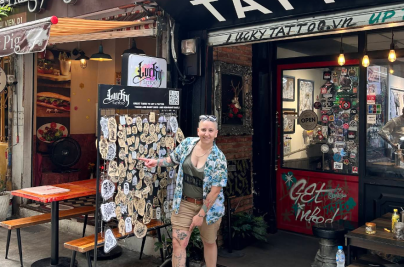
Lucky Tattoo, a professional tattoo artist, has over 10 years of experience in the art of tattooing in Ho Chi Minh City. Lucky Tattoo Studio was founded in 2014 by skilled and kind artists. All tattoos are provided in a clean, strictly controlled, and friendly environment.
Many clients are surprised to learn that two tattoos of identical size can require dramatically different effort depending on placement.
Areas commonly considered more technically demanding include:
- Ribs and side torso
- Hands and fingers
- Neck and throat
- Elbows and knees
- Feet and ankles
- Armpits and inner biceps
These locations often involve skin movement, uneven surfaces, and increased discomfort that may slow the tattooing process.
An overlooked consideration is longevity. Some placements experience greater fading due to friction, sun exposure, or skin regeneration. Professional artists frequently discuss these factors during consultations to help clients choose a placement that balances aesthetics, durability, and budget.
Information Gain: Why Two Similar Tattoos Can Have Different Prices
Two tattoos that appear visually similar can have substantially different prices due to design preparation, technical execution, skin challenges, placement, and artist specialization. Price differences often reflect complexity rather than size alone.
Consider these examples:
| Tattoo Type | Visible Size | Complexity Level |
|---|---|---|
| Simple Script Tattoo | 10 cm | Low |
| Micro Realism Portrait | 10 cm | Very High |
| Geometric Mandala | 10 cm | High |
The micro realism tattoo may require significantly more concentration, technical skill, and preparation despite occupying the same amount of skin.
This explains why comparing tattoos solely by dimensions often leads to inaccurate expectations.
Hidden Tattoo Costs Most Clients Overlook
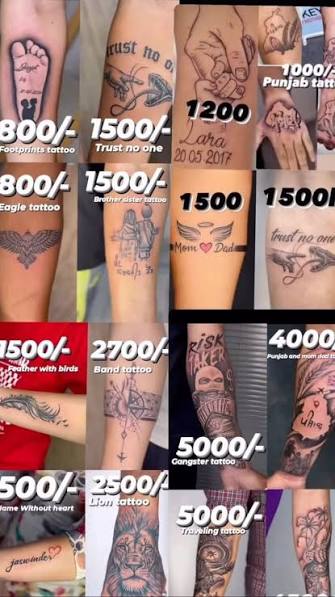
Beyond the initial quote, tattoo projects can involve additional expenses such as design revisions, touch-ups, aftercare products, and multiple-session scheduling. Understanding these costs upfront allows clients to budget accurately and avoid unexpected financial surprises during the tattoo process.
Consultation and Design Revision Fees
Professional consultations help create accurate tattoo quotes, but extensive design revisions or highly customized artwork may require additional time and resources. Some studios include this service, while others separate design work from tattoo execution.
Questions worth asking include:
- How many revisions are included?
- Is custom artwork charged separately?
- Will design changes affect the final quote?
- Are deposits applied toward the tattoo cost?
Clients who provide clear references and communicate expectations early often reduce revision costs and project delays.
Touch-Up Policies Explained
Touch-up policies vary significantly between tattoo studios. Some offer complimentary touch-ups within a defined healing period, while others charge additional fees depending on the circumstances and tattoo condition.
Important factors include:
- Eligibility period
- Healing compliance requirements
- Location-specific fading
- Color retention issues
- Client responsibility guidelines
A transparent studio clearly explains its touch-up policy before the first session begins.
Aftercare Product Costs
Proper aftercare plays a critical role in tattoo healing and long-term appearance. While aftercare expenses are relatively small compared to tattoo costs, they should still be included in overall budgeting.
Common aftercare items include:
- Fragrance-free cleansers
- Healing ointments
- Moisturizers
- Protective wraps
- SPF products for healed tattoos
Dermatology research consistently shows that appropriate aftercare can improve healing outcomes and reduce complication risks.
Multi-Session Tattoo Expenses
Large tattoos often require multiple appointments. Travel expenses, scheduling flexibility, accommodation for international visitors, and extended healing timelines should all be considered when estimating total project costs.
For large-scale projects such as sleeves, back pieces, and Japanese bodysuits, clients should budget for:
- Multiple sessions
- Additional healing periods
- Time off work when necessary
- Potential touch-up sessions
Many first-time collectors underestimate these indirect costs when planning large projects.
Information Gain: Calculating Total Tattoo Ownership Cost
The true cost of a tattoo extends beyond the initial appointment. Evaluating total ownership cost provides a more realistic financial picture and improves decision-making.
| Cost Category | Potential Consideration |
|---|---|
| Tattoo Session | Primary project cost |
| Custom Artwork | Design preparation |
| Aftercare | Healing products |
| Travel | Transportation and accommodation |
| Touch-Ups | Future maintenance |
Thinking in terms of total ownership cost helps clients prioritize quality and longevity rather than focusing exclusively on the initial quote.
How to Compare Tattoo Quotes Fairly
Comparing tattoo quotes effectively requires evaluating what is included, who performs the work, and how the project is planned. The lowest number rarely provides the most accurate comparison because service quality and expertise vary substantially between artists.
Direct Answer: What Should Be Included in a Quote?
A professional tattoo quote should explain pricing methodology, project scope, estimated duration, design requirements, touch-up information, and deposit policies. Clear documentation reduces misunderstandings and helps clients make informed comparisons.
A complete quote should address:
- Project scope
- Estimated sessions
- Custom artwork inclusion
- Artist assignment
- Deposit requirements
- Touch-up policy
- Scheduling expectations
Questions to Ask Before Booking
Asking the right questions before booking improves transparency, clarifies expectations, and reduces the likelihood of unexpected costs or disappointing results.
- Can I see healed examples of similar work?
- How is pricing calculated?
- What happens if the design changes?
- Are touch-ups included?
- How many sessions are expected?
- What sterilization procedures are used?
- What deposit policies apply?
Experienced clients often judge studios by the quality of answers rather than the quoted price alone.
Red Flags in Tattoo Pricing
Certain pricing behaviors may indicate poor transparency or inconsistent business practices. Recognizing these warning signs can help clients avoid costly mistakes.
- No explanation of pricing structure
- Extremely low quotes compared to market averages
- No portfolio of healed work
- Pressure to book immediately
- Unclear hygiene procedures
- Frequent unexplained price changes
Price alone should never override concerns regarding safety, professionalism, or artistic quality.
Real Example: Comparing Three Tattoo Quotes
When comparing multiple studios, evaluate total value rather than simply selecting the lowest figure.
| Studio | Price | Included Services |
|---|---|---|
| Studio A | Low | Basic tattoo only |
| Studio B | Moderate | Consultation, custom artwork, touch-up |
| Studio C | Premium | Specialist artist and advanced design planning |
The most valuable option depends on project goals, complexity, and desired artistic outcome.
Information Gain: Tattoo Value Score Framework
A useful comparison method is evaluating tattoo quotes using a value score rather than price alone.
Assess each studio on:
- Portfolio quality
- Artist specialization
- Hygiene standards
- Client reviews
- Transparency
- Communication quality
- Project planning process
This framework helps clients make objective decisions while reducing emotional bias toward low pricing.
Why Quality and Safety Matter More Than Price
Quality workmanship and rigorous hygiene standards directly affect tattoo appearance, healing outcomes, and long-term satisfaction. Choosing a reputable studio may cost more initially but often reduces risks associated with infection, poor execution, fading, and corrective procedures.
Hygiene Standards Every Client Should Verify
Professional tattoo studios follow strict sterilization procedures designed to protect clients and artists. Hygiene should never be compromised in pursuit of lower pricing.
- Single-use needles
- Barrier protection systems
- Medical-grade disinfectants
- Proper waste disposal
- Documented cleaning protocols
Organizations such as the WHO and public health agencies consistently emphasize infection prevention and proper sterile technique in body art environments.
Sterilization Practices and Equipment
Modern tattoo safety relies on sterile equipment, proper handling procedures, and consistent sanitation protocols. Clients should feel comfortable asking questions about equipment and sterilization methods.
Professional environments typically feature:
- Disposable cartridges
- Sterile packaging
- Protected workstations
- Cross-contamination controls
- Documented hygiene procedures
Health Risks of Choosing Extremely Cheap Tattoos
Unusually low tattoo prices can sometimes indicate compromises in equipment quality, sterilization standards, artist experience, or project planning. Clients should carefully evaluate why a quote is significantly below market expectations.
Potential risks include:
- Poor line quality
- Excessive scarring
- Uneven healing
- Premature fading
- Corrective tattoo expenses
The financial impact of fixing a poor tattoo often exceeds the savings achieved by choosing the cheapest option.
Expert Insight from Industry Standards and Health Authorities
Leading public health organizations consistently emphasize sterilization, informed consent, and proper aftercare as essential components of safe tattooing. These standards align closely with the practices used by reputable professional studios worldwide.
Professional tattooing is not simply about applying ink. It is a combination of artistic expertise, infection control, skin knowledge, and long-term client care.
How to Get an Accurate Tattoo Quote in Saigon
An accurate tattoo quote depends on providing clear information about design preferences, size, placement, style, and timeline. The more specific a client is during consultation, the more precise the estimate will be.
Preparing Design References
Providing high-quality references allows artists to understand visual direction and estimate project requirements more accurately. References should communicate style rather than serve as exact copies.
- Collect multiple inspiration images
- Identify preferred elements
- Specify style preferences
- Clarify size expectations
Choosing Size and Placement
Size and placement significantly influence labor requirements, technical difficulty, and overall project planning. Deciding these details before consultation improves quote accuracy.
Helpful preparation includes:
- Measuring desired dimensions
- Selecting body placement
- Considering future expansions
- Understanding visibility requirements
Consultation Process Step-by-Step
A professional consultation transforms general ideas into a structured tattoo plan. This process helps establish expectations and enables more reliable pricing.
- Project discussion
- Reference review
- Placement evaluation
- Size determination
- Pricing explanation
- Scheduling and deposit confirmation
Information Gain: Fastest Way to Receive an Accurate Estimate
The fastest way to receive a reliable quote is to submit comprehensive information from the beginning. Vague requests often require multiple follow-up conversations and increase estimation uncertainty.
Include:
- Reference images
- Preferred size
- Placement photos
- Color preferences
- Desired style
- Timeline expectations
Frequently Asked Questions
How much does a tattoo cost in Saigon?
Pricing varies according to size, complexity, artist experience, placement, and session duration. Professional studios provide customized estimates after reviewing project details.
Why do tattoo prices vary between artists in Ho Chi Minh City?
Differences in experience, specialization, portfolio quality, demand, technical skill, and project planning can all influence pricing.
Are tattoo consultations free in Vietnam?
Many studios offer free consultations, while some may charge for extensive design planning or custom artwork preparation.
Do tattoo studios charge extra for custom designs?
Some studios include design work within the tattoo price, while others charge separately depending on complexity and revision requirements.
How can I avoid hidden tattoo fees?
Request a detailed quote, ask about touch-ups, clarify design revision policies, and confirm what services are included before booking.
Are color tattoos more expensive than black-and-grey tattoos?
Often yes. Color work typically requires additional layering, blending, materials, and application time.
What should a transparent tattoo quote include?
A transparent quote should cover design scope, estimated sessions, artist assignment, pricing methodology, deposit policies, and touch-up information.
Is it safe to choose the cheapest tattoo studio available?
Price should never be the primary factor. Evaluate hygiene standards, artist qualifications, portfolio quality, and transparency before making a decision.
Transparent Tattoo Pricing Saigon: Key Takeaways
Transparent tattoo pricing allows clients to understand exactly how costs are calculated, compare studios fairly, and make confident decisions based on value rather than assumptions. The best tattoo experience combines artistic quality, clear communication, professional hygiene standards, and honest pricing practices.
Summary of Cost Factors
Tattoo pricing is influenced by size, complexity, placement, style, artist expertise, session duration, custom artwork requirements, and long-term project planning.
- Size affects labor requirements
- Complexity influences execution time
- Placement affects technical difficulty
- Experience impacts quality and efficiency
- Safety standards contribute to overall value
Budget Planning Checklist
Before booking a tattoo in Ho Chi Minh City, use the following checklist:
- Define your budget range
- Research artist portfolios
- Prepare reference images
- Confirm hygiene standards
- Review touch-up policies
- Understand aftercare requirements
- Request a detailed quote
Final Expert Recommendation
When evaluating tattoo prices in Saigon, focus on transparency, artistic consistency, safety protocols, and long-term results. A professionally executed tattoo is an investment that remains with you for years, making expertise, trust, and quality far more important than choosing the lowest available quote.