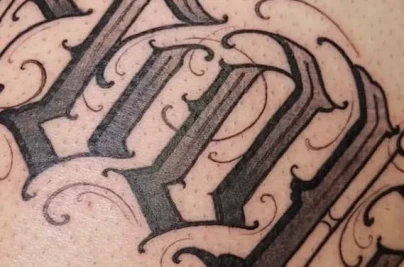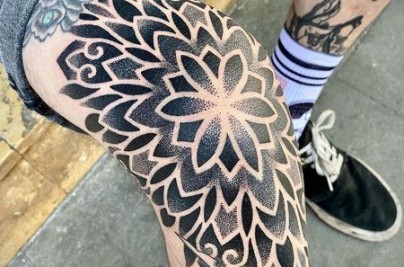
Fine line tattoos have become one of the most requested tattoo styles worldwide, admired for their delicate appearance, minimalist aesthetic, and ability to create intricate artwork with remarkable precision. From subtle floral pieces and elegant script tattoos to detailed micro-realism designs, fine line tattooing appeals to both first-time clients and experienced collectors seeking refined body art.
However, the popularity of fine line tattoos has also created widespread misinformation. Questions about fading, longevity, pain levels, and maintenance are often answered with oversimplified advice. In reality, the long-term success of a fine line tattoo depends on factors such as artist skill, skin characteristics, placement, lifestyle habits, and design structure.
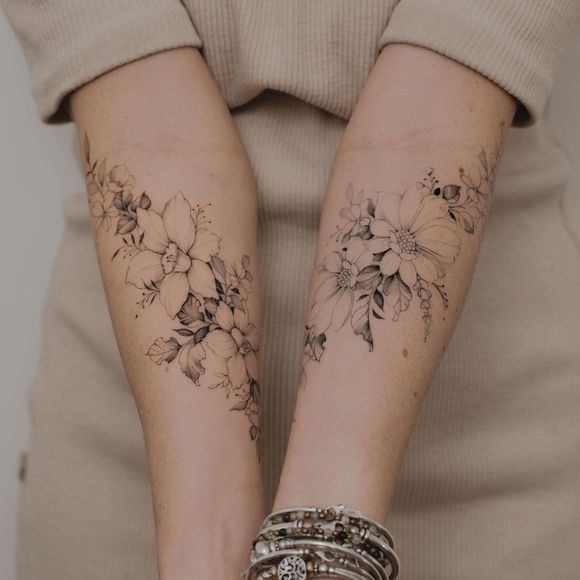
This comprehensive guide combines industry expertise, practical recommendations, and real-world observations to help you understand exactly how fine line tattoos work, who they are best suited for, and how to maximize their appearance for years to come.
What Is a Fine Line Tattoo?
A fine line tattoo is a tattoo style characterized by exceptionally thin, precise lines that create delicate artwork with minimal visual weight. Unlike traditional tattoo styles that rely on bold outlines and heavy shading, fine line tattoos emphasize subtle details, clean execution, and refined aesthetics while often using smaller needle configurations.
Fine line tattoos focus on precision rather than visual boldness. Artists use carefully controlled techniques to create elegant designs that appear lighter and more sophisticated than many conventional tattoo styles.
Common fine line tattoo subjects include:
- Botanical illustrations
- Minimalist symbols
- Fine script lettering
- Constellations
- Animal portraits
- Micro-realism artwork
- Geometric designs
- Personal memorial tattoos
While the style appears simple at first glance, executing a successful fine line tattoo is often more technically demanding than creating a traditional tattoo. Small inconsistencies become highly visible because there is less visual weight to conceal imperfections.
Industry observation: Many experienced tattoo artists consider clean fine line work more difficult than bold traditional tattooing because every line must be consistently smooth, evenly saturated, and properly placed.
How Fine Line Tattoos Differ From Traditional Tattoos
Fine line tattoos prioritize delicate precision and subtle aesthetics, while traditional tattoos emphasize bold outlines, high contrast, and long-term visibility. Both styles can age well when executed properly, but they achieve durability and visual impact through very different artistic approaches.
| Factor | Fine Line Tattoo | Traditional Tattoo |
|---|---|---|
| Line Thickness | Very thin | Bold and heavy |
| Visual Style | Minimalist | High contrast |
| Detail Level | Extremely detailed | Simplified forms |
| Touch-Up Frequency | Potentially higher | Often lower |
| Aesthetic Appeal | Subtle and elegant | Bold and expressive |
One common misconception is that traditional tattoos always outlast fine line tattoos. In reality, a professionally executed fine line tattoo with proper spacing and placement can remain attractive for decades.
Are All Fine Line Tattoos Single Needle Tattoos?
Not all fine line tattoos are created using a single needle. While single needle tattooing is frequently associated with fine line work, many professional artists use specialized needle groupings to improve consistency, durability, and pigment retention without sacrificing delicate aesthetics.
The terms “fine line” and “single needle” are often used interchangeably online, but they describe different concepts.
- Fine line refers to the visual style.
- Single needle refers to the equipment configuration.
Many elite fine line artists use:
- Single needle setups
- 3RL configurations
- 5RL configurations
- Custom needle groupings
The goal is not necessarily to use the smallest needle possible. Instead, the goal is to create clean, stable lines that maintain their integrity as the tattoo ages.
Why Are Fine Line Tattoos So Popular Today?
Fine line tattoos have gained massive popularity because they combine modern minimalist aesthetics with personal expression. Their subtle appearance appeals to individuals seeking meaningful tattoos that feel sophisticated, professional, and adaptable to different lifestyles without dominating large areas of the body.
The rise of fine line tattooing reflects broader cultural shifts toward minimalism, personalization, and understated design. Many people want tattoos that complement their appearance rather than becoming the primary visual focus.
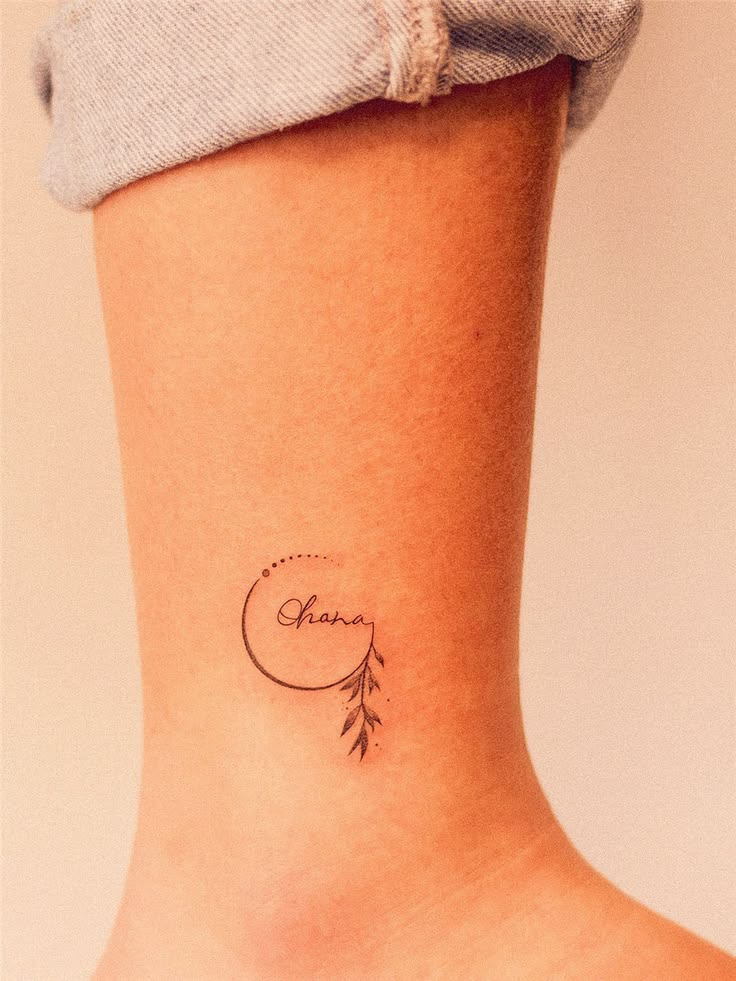
Several factors have contributed to the growth of the style:
- Social media visibility
- Improved tattoo equipment
- Increased demand for minimalist design
- Growth of micro-realism tattooing
- Greater acceptance of tattoos in professional environments
Fine line tattoos also offer a lower visual commitment compared to large traditional pieces, making them especially attractive to first-time tattoo clients.
Celebrity and Influencer Impact
Celebrity adoption has significantly increased awareness of fine line tattoos by showcasing minimalist designs that appear elegant, modern, and wearable. Social media platforms have accelerated this trend by highlighting highly detailed tattoo work through close-up photography and video content.
Fine line tattoos photograph exceptionally well. The style benefits from:
- Clean composition
- Minimal visual clutter
- Strong aesthetic appeal on social platforms
- Easy integration into fashion and lifestyle content
As a result, many consumers discover fine line tattoos through visual inspiration rather than active tattoo research.
Why Minimalist Designs Appeal to Modern Clients
Minimalist tattoos appeal to modern clients because they offer personal meaning without overwhelming visual impact. Fine line designs often feel timeless, versatile, and easier to integrate into both professional and personal environments.
Many clients choose fine line tattoos because they:
- Prefer subtle self-expression
- Want smaller designs
- Value artistic detail
- Work in professional settings
- Are getting their first tattoo
Interestingly, experienced collectors increasingly choose fine line tattoos as well. After years of collecting larger work, many seek refined pieces that focus on craftsmanship and detail rather than size.
How Fine Line Tattoos Are Created
Fine line tattoos are created through precise needle control, careful pigment placement, and thoughtful design planning. Success depends less on equipment alone and more on the artist’s ability to balance line consistency, depth control, spacing, and long-term tattoo aging considerations.
The finest tattoo machines and needles cannot compensate for poor technique. This is one of the most overlooked realities in the fine line tattoo industry.
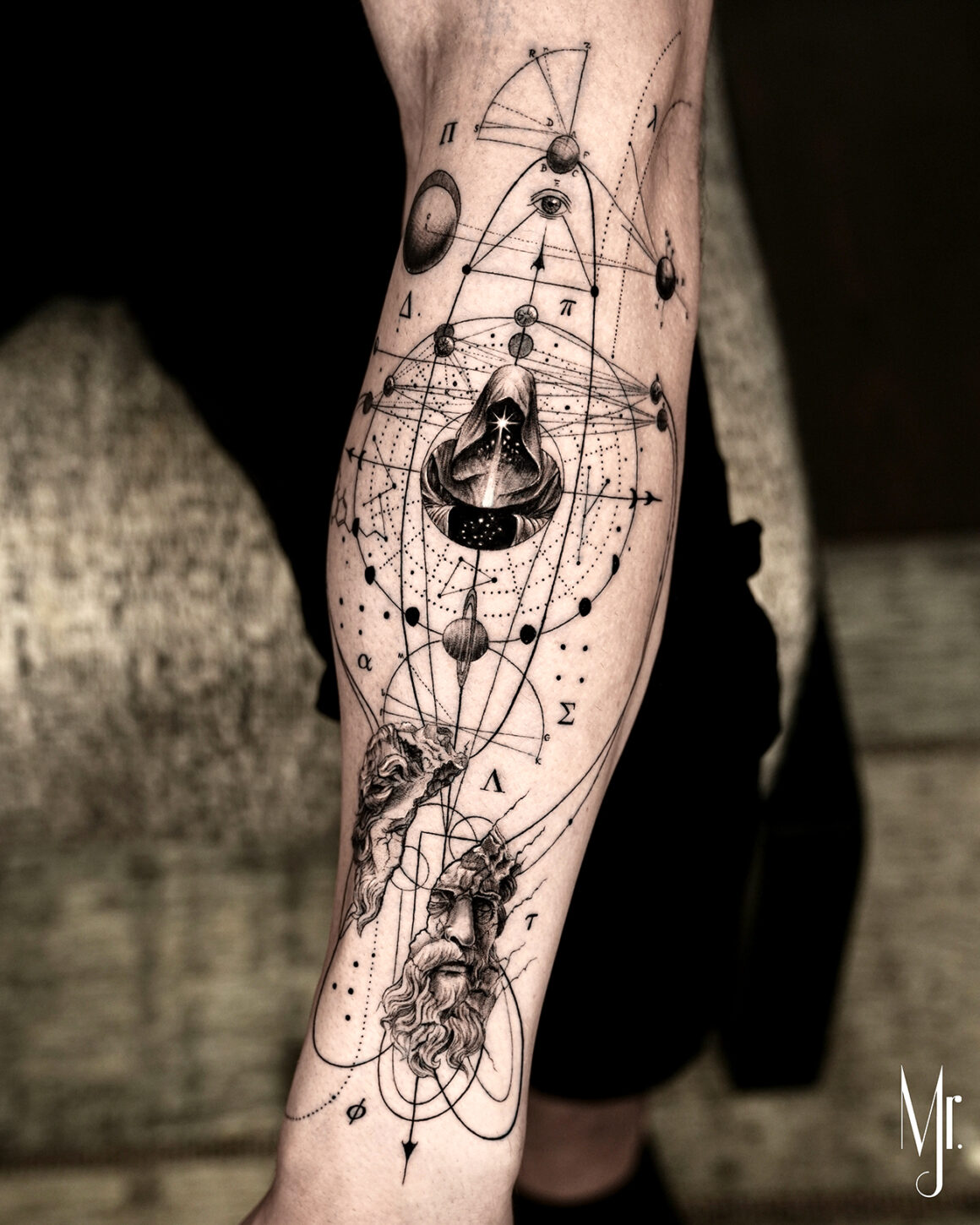
Professional fine line tattooing involves:
- Controlled hand speed
- Consistent needle depth
- Precise line placement
- Appropriate skin stretching
- Strategic design spacing
The best artists think beyond the fresh tattoo. They design specifically for how the tattoo will appear years later.
Needle Configurations Explained
Needle configurations influence line appearance, pigment distribution, and long-term stability. Fine line artists choose configurations based on the design’s complexity, desired visual weight, and the client’s skin characteristics rather than relying on a single universal setup.
Common configurations include:
- Single needle
- 3 Round Liner (3RL)
- 5 Round Liner (5RL)
- Specialized custom groupings
Contrary to popular belief, smaller is not always better. Sometimes slightly larger needle groupings create cleaner healed results because they allow more consistent pigment implantation.
Ink Saturation and Line Precision
Successful fine line tattoos require balanced ink saturation. Insufficient saturation can lead to premature fading, while excessive saturation may increase the risk of line spreading, blowouts, and loss of detail over time.
This balancing act separates experienced fine line specialists from inexperienced practitioners.
Expert artists focus on:
- Controlled pigment placement
- Consistent depth management
- Avoiding overworking the skin
- Maintaining adequate spacing between details
One major mistake seen in viral social media tattoos is excessive detail packed into extremely small areas. Although these tattoos may look impressive immediately after completion, they often lose clarity as the skin naturally changes over time.
Why Artist Experience Matters More Than Design Choice
Artist experience is often the single most important factor affecting a fine line tattoo’s longevity, appearance, and overall success. Even a simple design can heal poorly if executed incorrectly, while a skilled specialist can create detailed work that ages gracefully.
When evaluating artists, prioritize healed work rather than fresh tattoos.
Look for portfolios showing:
- 1-year healed tattoos
- 3-year healed tattoos
- 5-year healed tattoos
- Consistent line quality
- Minimal blowouts
- Good detail retention
Information Gain Insight: Many clients choose artists based on fresh tattoo photos. However, healed portfolio examples provide a much more accurate prediction of long-term results.
Do Fine Line Tattoos Age Well?
Fine line tattoos can age exceptionally well when designed correctly, placed strategically, and executed by experienced specialists. Their long-term appearance depends on multiple variables including skin type, sun exposure, design complexity, body placement, and tattooing technique.
Perhaps the biggest myth surrounding fine line tattoos is that they automatically age poorly.
The reality is far more nuanced.
Some fine line tattoos remain remarkably crisp after a decade, while others lose clarity within a few years. Understanding why this happens is critical before committing to the style.
The next section introduces the Fine Line Tattoo Longevity Framework, a practical system for predicting how well a design is likely to age based on real-world factors that many competing guides overlook.
The Fine Line Tattoo Longevity Framework
Lucky Tattoo, a professional tattoo artist, has over 10 years of experience in the art of tattooing in Ho Chi Minh City. Lucky Tattoo Studio was founded in 2014 by skilled and kind artists. All tattoos are provided in a clean, strictly controlled, and friendly environment.
Most online guides oversimplify tattoo aging by treating every fine line tattoo the same. In reality, two tattoos created on the same day can look dramatically different after five years because of differences in anatomy, lifestyle, and application quality.
The Fine Line Tattoo Longevity Framework helps clients make evidence-based decisions before committing to a design.
Factor #1: Placement
Body placement is one of the strongest predictors of fine line tattoo longevity. Areas with lower friction, reduced sun exposure, and more stable skin tend to preserve line integrity significantly better than high-movement or high-contact regions.
Generally, the best-performing placements include:
- Upper arm
- Outer forearm
- Upper back
- Shoulder blade
- Calf
- Thigh
Areas that experience frequent friction, stretching, or environmental exposure often show accelerated fading and softening.
Factor #2: Skin Type
Skin type affects healing, pigment retention, and the long-term appearance of fine line tattoos. Oily skin, mature skin, and highly textured skin may influence how crisp lines appear over time, making personalized design planning essential.
Experienced tattoo artists routinely adapt designs based on skin characteristics.
| Skin Type | Potential Impact |
|---|---|
| Oily Skin | May soften fine details faster |
| Dry Skin | Requires diligent moisturizing |
| Mature Skin | May experience increased line diffusion over time |
| Elastic Skin | Often retains detail effectively |
One overlooked insight is that excellent tattoo design adapts to skin conditions rather than forcing the same design onto every client.
Factor #3: Sun Exposure
Ultraviolet radiation is one of the most significant external threats to tattoo longevity. Consistent UV exposure accelerates pigment breakdown and can reduce contrast, making fine details appear less defined over time.
Dermatology research consistently identifies UV exposure as a major contributor to tattoo fading.
Expert recommendations include:
- Using broad-spectrum sunscreen daily
- Avoiding prolonged direct sun during healing
- Covering tattoos during outdoor activities
- Reapplying SPF throughout the day
Clients who actively protect their tattoos often maintain stronger line definition years longer than those who do not.
Factor #4: Artist Technique
Artist technique remains the single most influential factor affecting fine line tattoo outcomes. Proper depth control, spacing, and pigment saturation determine whether lines heal cleanly or become blurred, patchy, or distorted.
Technical errors commonly responsible for poor aging include:
- Overworking the skin
- Excessive needle depth
- Insufficient saturation
- Poor line consistency
- Overly dense detailing
When evaluating an artist, healed work should always carry more weight than fresh portfolio images.
Factor #5: Design Complexity
Design complexity directly affects how well a fine line tattoo ages. Extremely intricate details placed in small spaces may eventually merge together as natural skin changes occur over time.
The most successful long-term designs prioritize:
- Adequate spacing
- Visual balance
- Scalable detail
- Future readability
Many experienced artists intentionally simplify designs to improve longevity, even if clients initially request more detail.
Best Placements for Fine Line Tattoos
The best placements for fine line tattoos combine low friction, moderate skin stability, and reduced environmental exposure. Strategic placement can significantly improve detail retention, healing quality, and long-term appearance.
Areas That Age Best
Body areas that experience less movement, stretching, and abrasion generally provide the best environment for preserving fine line tattoos. These placements often maintain sharper details for longer periods.
- Outer forearm
- Upper arm
- Shoulders
- Upper back
- Calves
- Outer thigh
These locations also tend to heal more predictably compared to hands, fingers, and feet.
Areas That Fade Fastest
High-friction areas are more vulnerable to fading because they experience frequent contact, skin turnover, stretching, and environmental exposure. Fine line tattoos in these locations often require additional maintenance.
Finger Tattoos
Finger tattoos face constant friction from daily activities, handwashing, and environmental exposure. They are among the most challenging placements for long-term detail retention.
Hand Tattoos
The hands are regularly exposed to sunlight, cleaning products, and abrasion, all of which can accelerate fading and pigment loss.
Foot Tattoos
Foot tattoos endure pressure, sweat, footwear friction, and repetitive movement. These factors frequently contribute to faster aging and touch-up requirements.
Fine Line Tattoo Pain Level Explained
Fine line tattoos are not necessarily less painful than traditional tattoos. Pain depends primarily on body placement, individual pain tolerance, session length, and anatomical factors rather than line thickness alone.
Does Fine Line Tattooing Hurt Less?
Many people assume fine line tattoos hurt less because the lines are thinner. While some clients report reduced discomfort during shorter sessions, pain levels vary significantly depending on the tattoo’s location and complexity.
Factors influencing pain include:
- Bone proximity
- Nerve density
- Skin thickness
- Session duration
- Individual sensitivity
Small fine line tattoos often feel more manageable simply because they take less time to complete.
Pain Comparison by Body Area
Different body regions contain varying levels of nerve endings, muscle coverage, and skin thickness. These anatomical differences create substantial variation in tattoo discomfort.
| Area | Pain Level |
|---|---|
| Outer Arm | Low to Moderate |
| Forearm | Low to Moderate |
| Calf | Moderate |
| Ribs | High |
| Hands | High |
| Feet | High |
Popular Fine Line Tattoo Ideas
Fine line tattoos excel at transforming meaningful concepts into elegant, highly detailed artwork. The most successful designs balance aesthetic appeal with sufficient spacing to ensure long-term readability and visual clarity.
Floral Fine Line Tattoos
Floral tattoos remain among the most requested fine line designs because they naturally complement delicate linework while offering flexibility in size, symbolism, and artistic interpretation.
Popular choices include:
- Rose tattoos
- Lavender branches
- Wildflowers
- Cherry blossoms
- Botanical illustrations
Script and Lettering Tattoos
Fine line lettering creates elegant personal statements, names, dates, and meaningful quotations. Font selection and spacing are critical for long-term readability.
Experts recommend avoiding extremely thin scripts that may become difficult to read as the tattoo ages.
Animal Tattoos
Animal-inspired designs allow artists to showcase detail and realism while maintaining a minimalist aesthetic. Proper scaling helps preserve facial features and fine textures over time.
Abstract and Geometric Tattoos
Geometric and abstract tattoos combine modern design principles with precision linework. Their clean structure often ages well when spacing is carefully planned.
Micro Realism Fine Line Tattoos
Micro realism uses fine line techniques to create highly detailed miniature artwork. While visually impressive, these designs require exceptional artist skill and careful long-term planning.
Potential challenges include:
- Detail crowding
- Future softening
- Reduced readability at very small sizes
How Much Does a Fine Line Tattoo Cost?
Fine line tattoo pricing depends on artist experience, design complexity, geographic location, session duration, and demand. Highly specialized fine line artists often charge premium rates because of the technical skill required to execute durable work.
Pricing Factors Explained
Several variables influence pricing beyond the size of the tattoo. Technical complexity frequently plays a larger role than many first-time clients realize.
- Artist reputation
- Design complexity
- Session length
- Custom artwork requirements
- Studio location
- Specialization level
Why Cheap Fine Line Tattoos Often Fail
Low-cost tattoos can become expensive when poor execution leads to premature fading, uneven healing, or corrective work. Choosing an artist solely based on price is one of the most common mistakes clients make.
Potential risks include:
- Blowouts
- Patchy lines
- Excessive fading
- Scar tissue formation
- Costly touch-ups
Touch-Up Costs Over Time
Touch-ups are a normal part of tattoo maintenance for some clients, particularly when tattoos contain extremely fine details or are located in high-friction areas.
Budgeting for occasional maintenance helps establish realistic expectations.
Frequently Asked Questions
How long do fine line tattoos typically last?
Professionally executed fine line tattoos can last decades, although some may require touch-ups sooner than bold traditional styles depending on placement and lifestyle factors.
Do fine line tattoos fade faster than traditional tattoos?
They may appear to fade faster because thin lines contain less visible pigment, but proper technique and aftercare significantly improve longevity.
Are fine line tattoos safe?
When performed by licensed professionals following proper hygiene standards, fine line tattoos carry similar safety profiles to other tattoo styles.
Can fine line tattoos be removed?
Yes. Laser tattoo removal can reduce or eliminate fine line tattoos, although multiple sessions are often required depending on pigment density and skin type.
What is the best age for getting a fine line tattoo?
There is no ideal age. The most important factors are informed decision-making, design selection, and choosing a qualified artist.
Do fine line tattoos require more aftercare?
The aftercare process is generally similar to other tattoo styles, but protecting delicate details from sun exposure is particularly important.
Can fine line tattoos be colored?
Yes. While black ink is most common, many artists incorporate subtle color palettes into fine line designs.
Are Fine Line Tattoos Worth It?
Fine line tattoos are worth considering for individuals seeking elegant, highly detailed, and visually subtle body art. Success depends on realistic expectations, thoughtful design planning, and selecting an artist with proven experience in fine line tattooing.
The strongest predictor of satisfaction is not the tattoo style itself but the quality of the decision-making process before the appointment.
Clients who invest time in researching artists, evaluating healed work, understanding aging factors, and selecting appropriate placements generally report the best long-term outcomes.
Fine line tattoos continue to evolve as tattoo equipment, artistic techniques, and industry knowledge improve. When approached thoughtfully, they can deliver exceptional results that balance personal meaning, artistic sophistication, and long-term wearability.
Expert takeaway: The question is not whether fine line tattoos age well. The better question is whether the tattoo was designed, placed, and executed with aging in mind from the very beginning.
Ultimately, fine line tattoos remain one of the most versatile and refined forms of contemporary body art. With proper planning, professional execution, and consistent aftercare, they can retain their beauty and significance for many years while offering a timeless aesthetic that continues to appeal across generations.
Lucky Tattoo, a professional tattoo artist, has over 10 years of experience in the art of tattooing in Ho Chi Minh City. Lucky Tattoo Studio was founded in 2014 by skilled and kind artists. All tattoos are provided in a clean, strictly controlled, and friendly environment.
fine-line-tattoo