An anchor tattoo represents stability, hope, and resilience, originating from maritime traditions where sailors used the anchor as a symbol of safe return. Today it also reflects emotional grounding, loyalty, and strength during life challenges, often personalized with modern artistic elements.
What Does an Anchor Tattoo Mean? (Core Symbolism Explained)
The anchor tattoo is one of the most symbolically layered designs in tattoo culture, combining maritime heritage with personal psychological meaning. While it is widely associated with “stability,” expert tattoo artists and historians note that its meaning evolves significantly depending on cultural background, placement, and accompanying design elements. Unlike generic tattoo meanings online, the anchor carries both literal seafaring origins and deeply personal emotional interpretations.
Anchor tattoos originated in ancient maritime culture where sailors used the anchor as a symbol of safety, grounding, and successful completion of dangerous voyages. It represented the hope of returning home after long journeys across unpredictable seas, making it one of the earliest protective tattoo symbols in naval history.
Historical Origins in Sailor Culture and Maritime Navigation
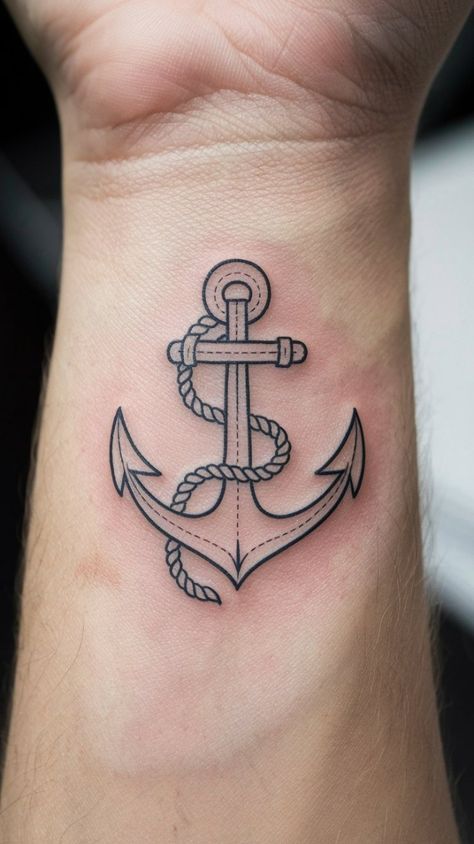
Historically, anchor tattoos were closely tied to British and American naval traditions, particularly among sailors crossing the Atlantic. Maritime historians note that anchors were often inked after completing a voyage or surviving harsh storms, functioning as both a badge of experience and a spiritual safeguard. In some cases, sailors combined anchors with religious symbols, reflecting a blend of faith and survival psychology.
Information Gain Insight: Unlike most modern articles that oversimplify anchor tattoos as “hope symbols,” naval records show they often represented completed service milestones or survival events, making them deeply tied to lived maritime experience rather than abstract symbolism alone.
Sailors used anchor tattoos as emotional and psychological grounding symbols during long voyages at sea, where uncertainty and isolation were constant. The anchor represented not only physical stability but also mental resilience, helping sailors maintain hope during dangerous conditions and extended time away from home.
Why Sailors Used Anchor Tattoos for Safe Return
In practical terms, sailors viewed the anchor as a life-preserving symbol. Beyond superstition, it reinforced psychological endurance in high-risk environments. Modern tattoo culture often overlooks this survival-based origin, instead focusing only on aesthetics. However, maritime psychology studies suggest that symbolic tattoos helped sailors maintain emotional regulation under prolonged stress and isolation.
- Survival symbolism: Represented hope during storms and naval conflict
- Identity marker: Signified experienced seamen vs. novices
- Emotional anchor: Reinforced mental stability during isolation
In modern tattoo culture, anchor tattoos symbolize emotional grounding, personal resilience, and life stability rather than maritime survival. Many people choose them to represent overcoming adversity, staying true to values, or maintaining balance during life transitions such as loss, recovery, or major change.
Modern Psychological Meaning of Anchor Tattoos
Contemporary tattoo psychologists often interpret anchor tattoos as “identity stabilizers,” meaning individuals use them to visually represent personal grounding points. This is especially common among people who have experienced instability, trauma recovery, or major life transitions. Unlike traditional nautical meanings, modern interpretations are highly individualized and often combined with other symbolic elements like quotes or celestial imagery.
Information Gain Insight: Recent behavioral studies on symbolic body art suggest that individuals often choose anchor tattoos during periods of identity restructuring, such as career changes or emotional recovery phases—making it a visual form of psychological reinforcement rather than just decoration.
Anchor tattoo styles vary widely from traditional sailor designs to modern minimalist interpretations, each carrying different aesthetic and symbolic weight. Choosing the right style depends on personal meaning, placement, and long-term visual preference, with each variation communicating a distinct identity and cultural influence.
Popular Anchor Tattoo Styles and Variations Explained
The style of an anchor tattoo significantly affects its meaning and visual impact. Tattoo experts emphasize that design choice should not be purely aesthetic—line weight, shading, and accompanying symbols can change how the tattoo is perceived culturally and emotionally. Below are the most influential styles shaping modern anchor tattoo trends.
Traditional American anchor tattoos, often associated with Sailor Jerry-style flash art, feature bold outlines, limited color palettes, and strong symbolic pairing with ropes, banners, or nautical stars. This style reflects historical naval tattoo culture and remains one of the most authentic representations of maritime heritage.
Traditional American Anchor Tattoos (Sailor Jerry Style)
This style is characterized by thick black outlines and saturated colors like red, green, and navy blue. It was popularized in the mid-20th century by naval tattoo artists and remains culturally significant due to its direct link to seafaring history. Many collectors prefer this style for its authenticity and durability over time, as bold lines tend to age better in skin.
- Best for: Historical authenticity and bold visual impact
- Common placements: Upper arm, chest, calf
- Design elements: Ropes, banners, stars, roses
Minimalist and fine line anchor tattoos focus on simplicity, using thin lines and subtle detailing to create modern, understated designs. This style is popular among first-time tattoo clients and professionals who prefer discreet body art that maintains symbolic meaning without visual dominance.
Minimalist and Fine Line Anchor Tattoos
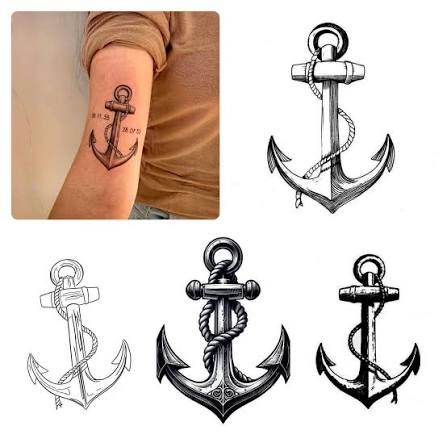
Fine line anchor tattoos are especially popular in urban tattoo culture and among younger demographics seeking subtle symbolism. Tattoo artists note that while visually delicate, these designs require precision—improper execution can lead to fading or line distortion over time. Placement strategy is crucial for preserving detail quality.
Information Gain Insight: Unlike traditional bold tattoos, fine line anchor designs are more sensitive to skin aging and placement choice, making consultation with an experienced tattoo artist critical for long-term visual integrity.
Blackwork and realism anchor tattoos use high-contrast shading or highly detailed imagery to create depth, dimension, and visual intensity. These styles are chosen by individuals seeking a more artistic or emotionally expressive interpretation of the anchor symbol, often blending realism with personal storytelling elements.
Blackwork and Realism Anchor Tattoos
Blackwork anchor tattoos rely on dense shading, geometric structure, and strong contrast to create a powerful visual impact. In contrast, realism focuses on lifelike texture, shadow depth, and detailed rope or metal effects. Tattoo professionals often recommend realism only for larger placements due to the complexity required for long-term clarity.
Information Gain Insight: Realism anchor tattoos require more frequent touch-ups compared to traditional styles because fine gradients and soft shading degrade faster in areas exposed to sun or friction, making placement and aftercare essential for preservation.
Anchor tattoo placement significantly affects both pain level and visual impact, with different body areas offering varying degrees of visibility, aging behavior, and symbolic emphasis. Choosing the right placement requires balancing aesthetics, pain tolerance, professional visibility, and long-term design clarity for optimal results.
Best Anchor Tattoo Placement Ideas (Pain + Visibility)
Placement is one of the most underestimated decisions in tattoo design. Experienced tattoo artists emphasize that even a well-designed anchor tattoo can lose impact if placed incorrectly. Factors such as skin elasticity, sun exposure, and movement frequency directly influence how the tattoo ages over time.
Wrist, forearm, and ankle placements are among the most popular for anchor tattoos because they balance visibility with moderate pain levels. These areas are ideal for small to medium designs and allow easy display of symbolic meaning in everyday life without overwhelming visual dominance.
Wrist, Forearm, and Ankle Placements Compared
Forearm placements are particularly favored for anchor tattoos due to their flat surface and minimal distortion over time. Wrist tattoos are more intimate and symbolic but may fade faster due to frequent movement and sun exposure. Ankle tattoos, while discreet, tend to be more painful due to thin skin and proximity to bone.
- Forearm: Best balance of visibility and longevity
- Wrist: High symbolism, moderate fading risk
- Ankle: Discreet but higher pain level
Information Gain Insight: Tattoo aging studies show forearm tattoos maintain clarity up to 30–40% longer than wrist tattoos due to reduced friction and better skin stability, making them a more durable choice for fine anchor designs.
Chest and back placements are preferred for larger, more detailed anchor tattoo compositions, often incorporating additional symbols like compasses or ropes. These areas provide maximum canvas space, allowing for artistic storytelling and complex shading techniques that smaller placements cannot support.
Chest and Back Anchor Tattoos for Larger Designs
Chest tattoos are often chosen for deeply personal meanings, symbolizing emotional grounding close to the heart. Back tattoos, on the other hand, offer expansive space for intricate nautical scenes, including ships, waves, and celestial navigation elements. These placements also tend to age well due to lower sun exposure.
Anchor tattoo combinations enhance meaning by integrating additional symbols such as compasses, ropes, hearts, or quotes. These pairings transform a simple anchor into a personalized narrative representing direction, emotional bonds, struggle, or personal philosophy depending on the chosen elements.
Anchor Tattoo Combinations and Symbolism Enhancers
Modern tattoo design increasingly emphasizes symbolic layering, where multiple elements combine to tell a unified story. Tattoo artists often collaborate with clients to ensure each addition to an anchor design contributes meaningful depth rather than decorative excess.
An anchor combined with a compass symbolizes life direction and stability, representing individuals who seek both emotional grounding and purposeful navigation. This design is especially popular among travelers, military personnel, and individuals undergoing major life transitions.
Anchor + Compass Meaning Explained
The anchor represents stability while the compass represents direction, creating a dual-symbol system that balances grounding with exploration. This combination is frequently chosen by individuals who have experienced relocation, career change, or personal transformation journeys.
Information Gain Insight: Psychological symbolism research suggests that dual-symbol tattoos like anchor + compass are often selected during transitional life phases, functioning as cognitive reinforcement tools for decision-making confidence.
Anchor and rope tattoos symbolize struggle, resilience, and the tension between being grounded and constrained. The rope wrapping around the anchor can represent both stability and emotional burdens, depending on design interpretation and personal narrative.
Anchor + Rope or Chain Symbolism
Some designs depict tightly bound ropes to represent hardship or restriction, while others show loose or flowing ropes symbolizing freedom within stability. Tattoo artists often encourage clients to clarify emotional intent before choosing this design to avoid symbolic misinterpretation.
Anchor tattoos combined with hearts or quotes emphasize emotional grounding and personal values, often representing love, loyalty, or motivational life principles. These designs are highly customizable and frequently used for memorial tattoos or personal affirmations.
Anchor + Heart or Quote Designs
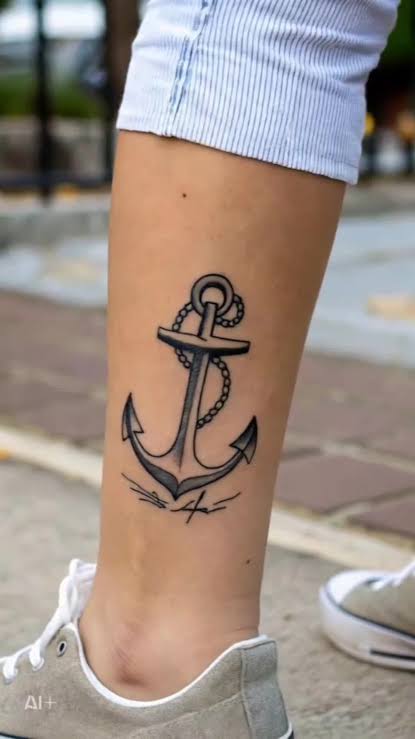
Quote integrations are particularly effective when paired with anchors because they reinforce personal grounding messages such as resilience, faith, or remembrance. However, tattoo experts warn that overly long text can distort over time, especially in curved body areas.
Tattoo safety, healing, and aftercare are essential for ensuring proper recovery and long-term design clarity, especially for detailed anchor tattoos. Following medical-grade hygiene practices and structured aftercare routines significantly reduces infection risk and improves ink retention quality.
Tattoo Safety, Healing, and Aftercare Guide
Proper aftercare is often the difference between a vibrant tattoo and one that fades prematurely or becomes infected. Dermatology professionals emphasize that tattoo healing involves both epidermal recovery and deeper dermal stabilization, which can take several weeks to months.
Tattoo healing occurs in multiple skin layers, beginning with surface scabbing and ending with deep dermal ink stabilization. During this process, proper hygiene and moisture balance are critical to prevent infection and ensure even pigment retention throughout the healing cycle.
How Tattoo Healing Works in Skin Layers
The epidermis heals within weeks, forming a protective barrier over the tattoo, while the dermis takes longer to fully stabilize ink particles. Disruption during this phase—such as scratching or sun exposure—can lead to patchy fading or blurred lines, particularly in fine line anchor tattoos.
- Week 1–2: Surface healing and scab formation
- Week 3–4: Peeling and pigment settling
- 1–3 months: Deep dermal stabilization
Information Gain Insight: Clinical dermatology studies show that improper aftercare within the first 7 days increases infection risk by up to 60%, highlighting the importance of early-stage hygiene discipline.
Aftercare for anchor tattoos requires consistent cleaning, moisturizing, and protection from UV exposure to ensure proper healing and color retention. Following structured aftercare reduces infection risk and preserves design clarity, especially for detailed or fine line tattoos.
Aftercare Routine for Anchor Tattoos
Tattoo professionals typically recommend gentle washing with fragrance-free soap, applying medical-grade ointments, and avoiding swimming or sun exposure during early healing stages. Loose clothing is also advised to prevent friction damage to the tattooed area.
- Clean gently 2–3 times daily
- Apply thin layer of healing ointment
- Avoid direct sunlight and swimming pools
- Do not pick or scratch scabs
Common misconceptions about anchor tattoos often misrepresent their cultural depth and modern relevance, leading to oversimplified interpretations. In reality, anchor tattoos have evolved significantly, combining historical symbolism with personal identity expression across diverse cultures and lifestyles.
Common Misconceptions About Anchor Tattoos
Many people assume anchor tattoos are outdated or limited to sailors, but modern tattoo culture has redefined them as versatile symbols of resilience and identity. Their popularity in minimalist and fine-line styles demonstrates continued cultural relevance in contemporary body art.
“Anchor Tattoos Are Outdated” Myth Explained
The perception of anchor tattoos as outdated often comes from their strong association with traditional sailor imagery. However, modern tattoo artists continuously reinterpret the design through abstract, geometric, and minimalist styles, keeping it relevant in evolving aesthetic trends.
Another misconception is that anchor tattoos are exclusively for sailors or maritime professionals, but today they are widely chosen by individuals from all backgrounds as symbols of personal grounding, emotional stability, and life resilience.
“Only Sailors Get Anchor Tattoos” Misconception
In modern tattoo culture, anchor symbolism extends far beyond maritime identity. It is now used in therapeutic, memorial, and motivational contexts, making it one of the most universally adaptable tattoo designs available today.
Choosing the right anchor tattoo involves aligning personal meaning, artistic style, and placement strategy to ensure long-term satisfaction. A well-designed tattoo should reflect identity, endure aging gracefully, and maintain clarity while expressing a meaningful personal narrative.
How to Choose the Right Anchor Tattoo Design
Matching tattoo style to personality helps ensure the design remains meaningful over time. Individuals who value tradition may prefer bold American styles, while those seeking subtle expression often choose minimalist or fine line designs.
Matching Tattoo Style to Personality Archetypes
Tattoo professionals often categorize clients into expressive archetypes such as “minimalist thinkers,” “heritage traditionalists,” or “symbolic storytellers.” This approach helps guide design decisions that align with long-term emotional and aesthetic satisfaction.
Working with a professional tattoo artist ensures proper design execution, placement optimization, and long-term durability. Experienced artists also provide guidance on skin type compatibility, ink behavior, and healing expectations.
Working With a Professional Tattoo Artist
Consultations are critical for refining anchor tattoo designs, especially when combining multiple symbolic elements. Artists can adjust line thickness, spacing, and composition to ensure the tattoo ages well and maintains visual balance over time.
Anchor tattoos remain one of the most meaningful and adaptable tattoo designs, combining historical maritime symbolism with modern personal identity expression. Their versatility ensures continued relevance across generations and cultural contexts.
Conclusion: Why Anchor Tattoos Remain Timeless
From ancient naval traditions to modern psychological symbolism, anchor tattoos continue to evolve while retaining their core meaning of stability and resilience. Whether chosen for aesthetic, emotional, or historical reasons, they remain one of the most enduring designs in tattoo culture.
FAQs About Anchor Tattoos (PAA Optimization)
What does an anchor tattoo symbolize today?
It symbolizes stability, resilience, hope, and emotional grounding, often reflecting personal life experiences rather than purely nautical origins.
Are anchor tattoos still popular?
Yes, especially in minimalist and fine-line styles, anchor tattoos remain widely popular across different age groups and cultures.
Where should I place an anchor tattoo?
Common placements include the wrist, forearm, ankle, chest, and back, depending on size, pain tolerance, and visibility preference.
Do anchor tattoos hurt to get?
Pain varies by placement, with bony areas like ankles being more painful than fleshy areas like the forearm.
How long does it take for an anchor tattoo to heal?
Surface healing takes about 2–4 weeks, while full dermal healing can take up to 2–3 months.
Can anchor tattoos fade quickly?
Yes, especially fine-line designs or tattoos exposed to sunlight without proper aftercare and sun protection.
What styles work best for anchor tattoos?
Traditional, minimalist, blackwork, and realism styles are most common, each offering different aesthetic and symbolic depth.
Lucky Tattoo, a professional tattoo artist, has over 10 years of experience in the art of tattooing in Ho Chi Minh City. Lucky Tattoo Studio was founded in 2014 by skilled and kind artists. All tattoos are provided in a clean, strictly controlled, and friendly environment.
anchor-tattoo