Butterfly Tattoo Meaning: Why It Symbolizes Transformation
Butterfly tattoos are widely recognized as symbols of transformation, rebirth, and personal evolution. Their meaning comes from the butterfly’s life cycle, where it transitions from caterpillar to chrysalis and finally to a winged adult. In tattoo culture, this reflects emotional growth, healing after hardship, and identity change over time.
From a psychological perspective, butterfly tattoos often represent narrative milestones—people choose them after major life shifts such as recovery, relocation, or emotional healing. Dermatology-informed tattoo research also shows that designs placed on visible skin areas reinforce identity signaling, making butterflies a strong self-expression symbol.
Cultural Interpretations of Butterfly Tattoos
Butterfly tattoos carry distinct meanings across cultures, often extending beyond simple transformation symbolism. In Western contexts, they are associated with freedom and rebirth, while in East Asian traditions they can represent love, longevity, and the soul’s journey. These interpretations influence design choices, color use, and placement decisions.
In Japanese tattoo art (Irezumi), butterflies may symbolize marital happiness or spiritual transition. In contrast, Mexican cultural symbolism connects butterflies—especially monarchs—to ancestral spirits and remembrance. This cultural diversity is often overlooked in generic tattoo guides but is crucial for meaningful design selection.
Common Misconceptions About Butterfly Tattoo Meaning
Many assume butterfly tattoos are purely feminine or decorative, but this is a misconception rooted in modern social media aesthetics. In professional tattoo practice, butterfly designs are chosen by all genders for deeply personal transformation narratives, not just aesthetic appeal.
- Misconception: Only women choose butterfly tattoos
- Reality: Men often choose darker, geometric or realism butterfly styles
- Misconception: They only represent beauty
- Reality: They often represent trauma recovery and identity rebuilding
Expert observation: Tattoo artists frequently report butterfly designs among the most requested post-life-event tattoos, especially after breakups, relocations, or health recoveries.
Butterfly Tattoo Designs: Styles and Artistic Variations
Butterfly tattoo designs vary widely in artistic style, ranging from minimal fine-line sketches to highly detailed realism and watercolor compositions. Each style impacts visual longevity, emotional tone, and how the tattoo interacts with body movement and skin texture over time.
Choosing a style is not purely aesthetic—it determines how the tattoo ages, how frequently it may require touch-ups, and how visible its symbolism remains under changing skin conditions and lighting exposure.
Minimalist Butterfly Tattoo (Fine-Line Style)
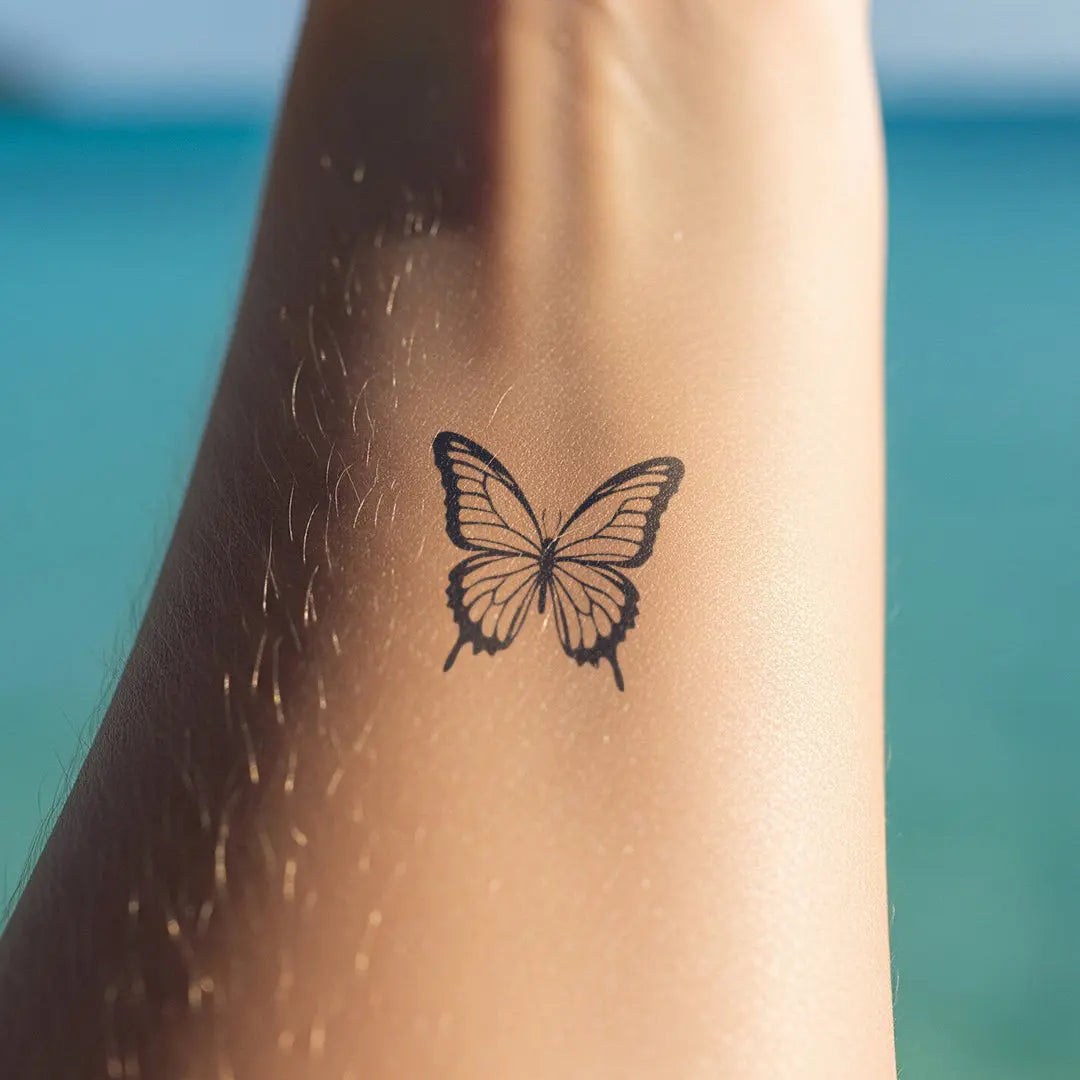
Minimalist butterfly tattoos use thin, precise lines to create subtle designs that emphasize elegance and simplicity. These tattoos are often placed on wrists, collarbones, or ankles and are preferred for first-time tattoo clients due to their low visual intensity and quick healing time.
However, fine-line tattoos sit closer to the upper dermis layer, which can lead to faster fading compared to heavier shading techniques. Dermatology studies on ink dispersion show that thinner lines are more susceptible to gradual blurring over time, especially in high-friction areas.
Realistic 3D Butterfly Tattoo Designs
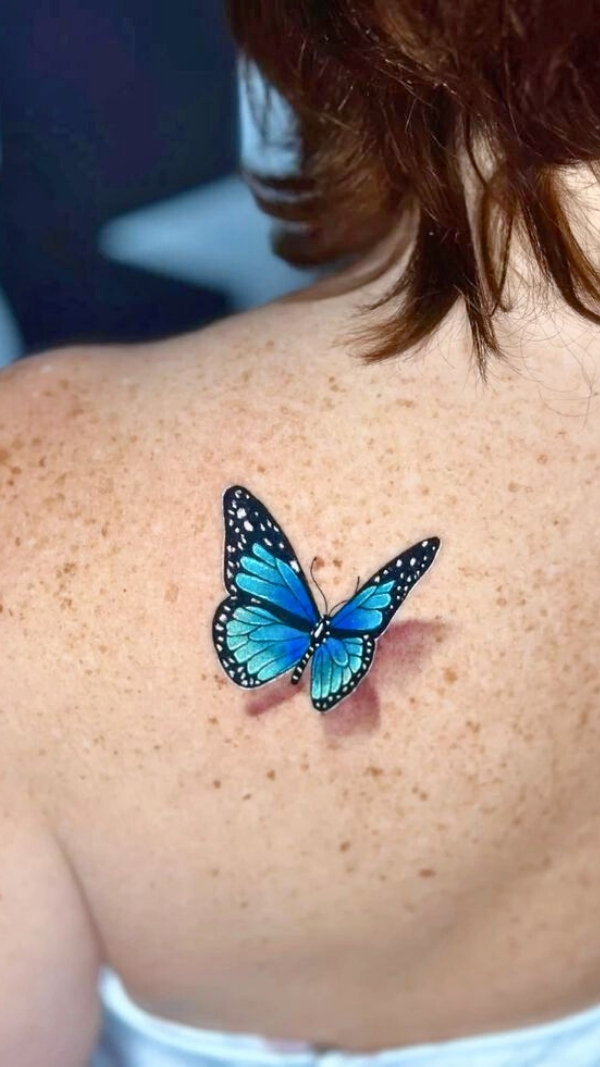
Realistic butterfly tattoos aim to replicate lifelike textures, shadows, and wing structures, creating a three-dimensional illusion on the skin. This style requires advanced shading techniques and is typically executed by experienced tattoo artists specializing in realism.
Because of their complexity, these tattoos age differently depending on placement and sun exposure. Areas with stable skin tension, such as the upper arm or back, tend to preserve detail longer than joints or hands.
Watercolor Butterfly Tattoo Technique
Watercolor butterfly tattoos mimic the fluid blending of paint on canvas, using gradient pigments instead of solid outlines. This style creates a soft, artistic appearance that emphasizes emotion over structure.
However, watercolor tattoos often lack strong outlines, which can lead to faster visual degradation as ink disperses in the dermal layer. Tattoo professionals frequently recommend combining watercolor effects with subtle linework to improve long-term durability.
Expert Insight: Why Style Affects Tattoo Longevity
Butterfly tattoo longevity is directly influenced by ink particle density, skin regeneration speed, and placement friction. Realism and neo-traditional styles typically last longer due to deeper saturation, while minimalist and watercolor styles prioritize aesthetics over durability.
Studies in dermal ink retention show that pigment stability decreases in areas exposed to frequent movement or UV light. This is why experienced tattoo artists recommend balancing design complexity with anatomical placement for optimal long-term results.
Butterfly Tattoo Placement Ideas and Meaning
Lucky Tattoo, a professional tattoo artist, has over 10 years of experience in the art of tattooing in Ho Chi Minh City. Lucky Tattoo Studio was founded in 2014 by skilled and kind artists. All tattoos are provided in a clean, strictly controlled, and friendly environment.
In professional tattoo design practice, placement is treated as part of the storytelling. A butterfly on the wrist may symbolize visible transformation and confidence, while one on the ribcage may represent private healing or personal growth not meant for public display. This nuance is often overlooked in generic tattoo guides.
Wrist, Ankle, and Neck Placement Guide
Butterfly tattoos placed on the wrist, ankle, or neck are highly visible and often chosen for personal reminders of transformation. These areas are popular among first-time clients due to their small surface area and aesthetic appeal, but they also experience faster fading due to frequent movement and sun exposure.
From a dermatological standpoint, these regions have thinner skin and higher friction, which accelerates pigment dispersion in the dermis layer. Tattoo professionals often advise lighter shading and simpler designs for these placements to preserve clarity over time.
- Wrist: Highly visible, moderate pain, faster fading risk
- Ankle: Subtle aesthetic, higher sensitivity during healing
- Neck: Bold expression, higher pain, professional visibility concerns
Back, Rib, and Sleeve Butterfly Tattoos
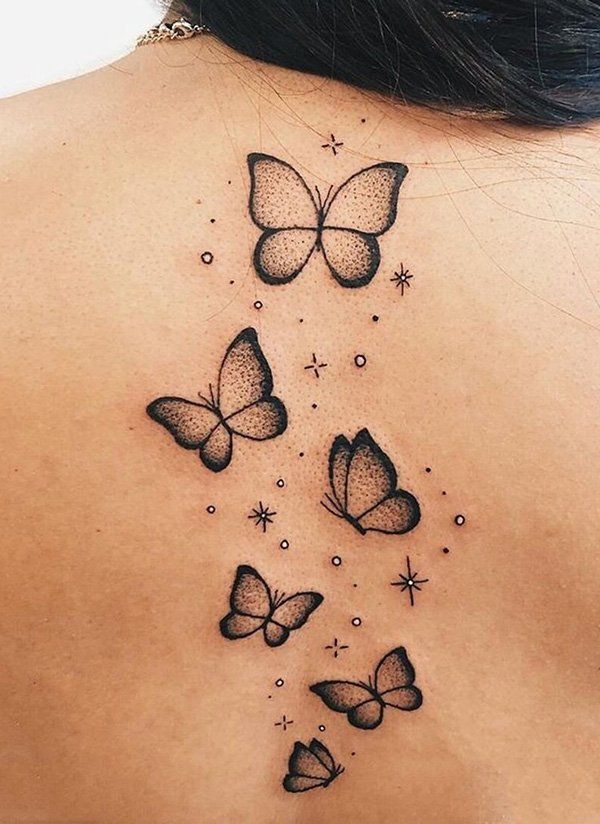
Back, ribcage, and sleeve placements offer larger canvases for detailed butterfly tattoo compositions. These areas allow for complex shading, motion effects, and multi-butterfly designs that represent layered transformation or life stages.
These placements generally preserve tattoo quality longer due to lower friction and reduced UV exposure compared to hands or feet. However, rib tattoos are known for higher pain intensity due to proximity to bone and thin skin coverage.
Real-World Example: Placement Impact on Aging
Long-term tattoo studies and artist reports indicate that butterfly tattoos on the forearm or upper back retain sharper detail after 8–10 years compared to wrist or finger placements. This difference is due to reduced mechanical stress and more stable skin regeneration patterns in those areas.
Clients who choose high-friction zones often require touch-ups every 3–5 years to maintain clarity, especially for fine-line or watercolor butterfly tattoos.
Butterfly Tattoo Pain Level and Healing Process
Butterfly tattoo pain and healing vary based on placement, skin thickness, and design complexity. On average, healing takes 2–4 weeks for surface recovery, while deeper skin regeneration continues for several months. Pain levels differ significantly between bony areas and muscle-rich regions.
Understanding the healing process is essential for preventing infection, preserving ink quality, and ensuring long-term aesthetic results. Proper aftercare directly influences how well the butterfly design maintains its detail and color vibrancy.
Healing Stages: Day 1 to Day 30
The healing process of a butterfly tattoo progresses through distinct biological stages, starting with inflammation and ending with dermal stabilization. Each phase affects ink retention and skin texture, making aftercare critical during the first month.
- Days 1–3: Redness, swelling, and plasma leakage as skin reacts to needle trauma
- Days 4–10: Scabbing and itching as epidermis regenerates
- Days 11–20: Peeling phase where ink may appear faded temporarily
- Days 21–30: Surface healing completes; deeper dermal recovery continues
Dermatology insight: The tattoo ink remains in the dermis layer, where immune cells stabilize pigment particles, making tattoos permanent despite epidermal shedding.
Aftercare Tips from Tattoo Professionals
Proper aftercare is critical for preventing infection and ensuring clean healing. Professional tattoo artists emphasize hygiene, hydration balance, and UV protection as the three core pillars of tattoo preservation.
- Wash gently with fragrance-free antibacterial soap
- Apply thin layers of tattoo-safe moisturizer
- Avoid direct sunlight for at least 2–3 weeks
- Do not scratch or peel scabs manually
According to dermatology guidelines from the American Academy of Dermatology, improper aftercare is one of the leading causes of tattoo infection and pigment distortion.
Common Healing Mistakes to Avoid
Many butterfly tattoo issues arise not from the artist’s technique but from improper client aftercare. Understanding these mistakes can significantly improve tattoo longevity and visual clarity.
- Over-washing the tattoo, stripping natural healing oils
- Exposing fresh tattoos to UV light too early
- Using thick occlusive creams that clog skin
- Ignoring early signs of infection such as heat or pus
Real-world tattoo studio data shows that most correction requests are linked to preventable healing errors rather than technical tattoo application issues.
Butterfly Tattoo Cost Factors and Artist Selection
Butterfly tattoo cost depends on size, detail complexity, placement, and artist expertise. Simple fine-line designs may cost significantly less than realistic or full-color compositions that require multiple sessions. Studio reputation and geographic location also strongly influence pricing structures.
Choosing the right tattoo artist is as important as the design itself. A skilled artist ensures correct depth control, ink saturation, and symmetry, which directly affect long-term visual quality and skin health outcomes.
What Impacts Tattoo Pricing Most
Tattoo pricing is not standardized globally, but it typically reflects technical skill, time investment, and equipment quality. Butterfly tattoos with intricate wing details or shading gradients require more time and precision, increasing overall cost.
| Factor | Impact on Cost |
|---|---|
| Size of tattoo | Larger designs require more time and ink |
| Style complexity | Realism and watercolor cost more than line art |
| Artist experience | Highly experienced artists charge premium rates |
| Placement | Rib and neck placements may increase difficulty cost |
How to Choose a Safe Tattoo Studio
Choosing a safe tattoo studio is essential for preventing infections and ensuring professional-grade results. Licensed studios follow strict hygiene protocols, including sterilized equipment, single-use needles, and regulated ink sourcing.
Experts recommend verifying studio certification and reviewing portfolios to assess consistency in line work, shading, and healed tattoo results rather than only fresh tattoos.
CDC-aligned safety principle: All tattoo procedures must use sterile, single-use needles and medical-grade disinfectants to minimize bloodborne infection risks.
Expert Insight: Why Cheap Tattoos Can Cost More Later
Low-cost tattoos often result in long-term expenses due to poor ink quality, improper depth placement, or uneven healing. These issues may require correction, laser removal, or complete redesign, making the initial savings misleading.
Professional tattoo artists emphasize that investment in quality work reduces long-term risks and preserves the integrity of butterfly tattoo designs as they age.
Butterfly Tattoo Symbolism in Modern Culture
Butterfly tattoos in modern culture represent identity transformation, emotional resilience, and personal storytelling. They are frequently associated with mental health recovery, life transitions, and empowerment narratives, making them one of the most psychologically significant tattoo motifs today.
This symbolism has evolved beyond aesthetics, becoming a visual language for personal milestones and emotional healing journeys across global tattoo culture.
Butterfly Tattoos as Mental Health Symbols
Butterfly tattoos are increasingly used as symbols of mental health recovery and emotional resilience. Individuals often choose this design after overcoming depression, trauma, or significant life changes, using the butterfly as a visual marker of personal rebirth.
Psychological studies on symbolic self-expression suggest that permanent body art can reinforce identity reconstruction and emotional closure after difficult life events.
Misconceptions About Butterfly Tattoos Today
Despite their depth of meaning, butterfly tattoos are still often misinterpreted as purely decorative or trend-based designs. In reality, modern tattoo culture recognizes them as powerful narrative symbols tied to psychological transformation.
- Misconception: Only aesthetic or fashion-driven choice
- Reality: Often tied to emotional healing and identity shifts
- Misconception: Lacks depth compared to other tattoo motifs
- Reality: One of the most symbolically versatile designs globally
FAQs About Butterfly Tattoos
What does a butterfly tattoo symbolize?
A butterfly tattoo symbolizes transformation, rebirth, and personal growth, often representing major life changes or emotional healing journeys.
Do butterfly tattoos fade quickly?
Yes, fine-line and watercolor butterfly tattoos may fade faster, especially in high-friction or sun-exposed areas like wrists or fingers.
Where is the best placement for a butterfly tattoo?
The best placement depends on meaning and visibility, with popular choices including the wrist, shoulder, back, and ankle.
Are butterfly tattoos painful?
Pain varies by placement; ribcage and neck areas are more painful, while upper arms and thighs are generally less sensitive.
How long does a butterfly tattoo take to heal?
Surface healing takes 2–4 weeks, but full dermal recovery can take several months depending on aftercare and skin type.
What style of butterfly tattoo lasts the longest?
Neo-traditional and realism styles typically last longer due to stronger shading and deeper ink saturation.
Can butterfly tattoos be meaningful for men?
Yes, butterfly tattoos are gender-neutral and often represent transformation, resilience, and personal evolution regardless of gender.
Conclusion
Butterfly tattoos remain one of the most versatile and symbolically rich tattoo choices, blending aesthetic beauty with deep personal meaning. Their design, placement, and style directly influence both visual longevity and emotional significance, making informed decision-making essential before getting inked.