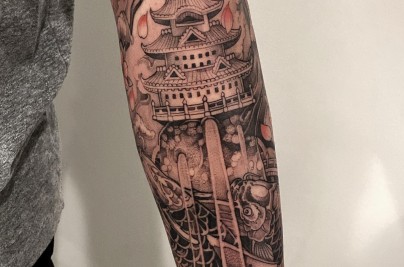
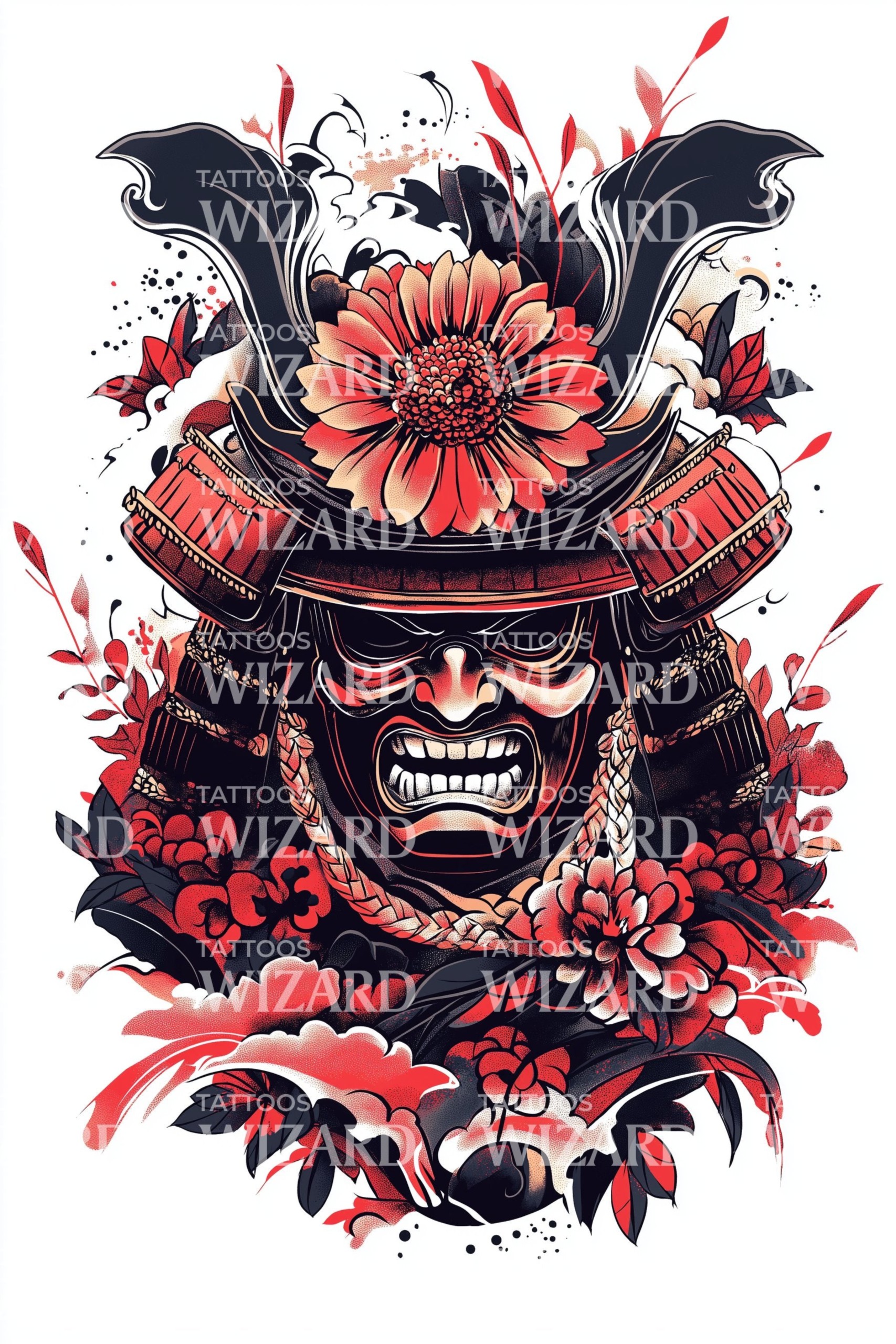
A Samurai Oni tattoo in District 1 represents a powerful fusion of Japanese warrior discipline and mythological chaos, often chosen for large-scale sleeve or back pieces. In Ho Chi Minh City, especially District 1, artists reinterpret this symbolism into high-detail Japanese-style tattoos adapted for modern skin care standards, tropical climate healing, and long-term visual impact.
What Is a Samurai Oni Tattoo in District 1?
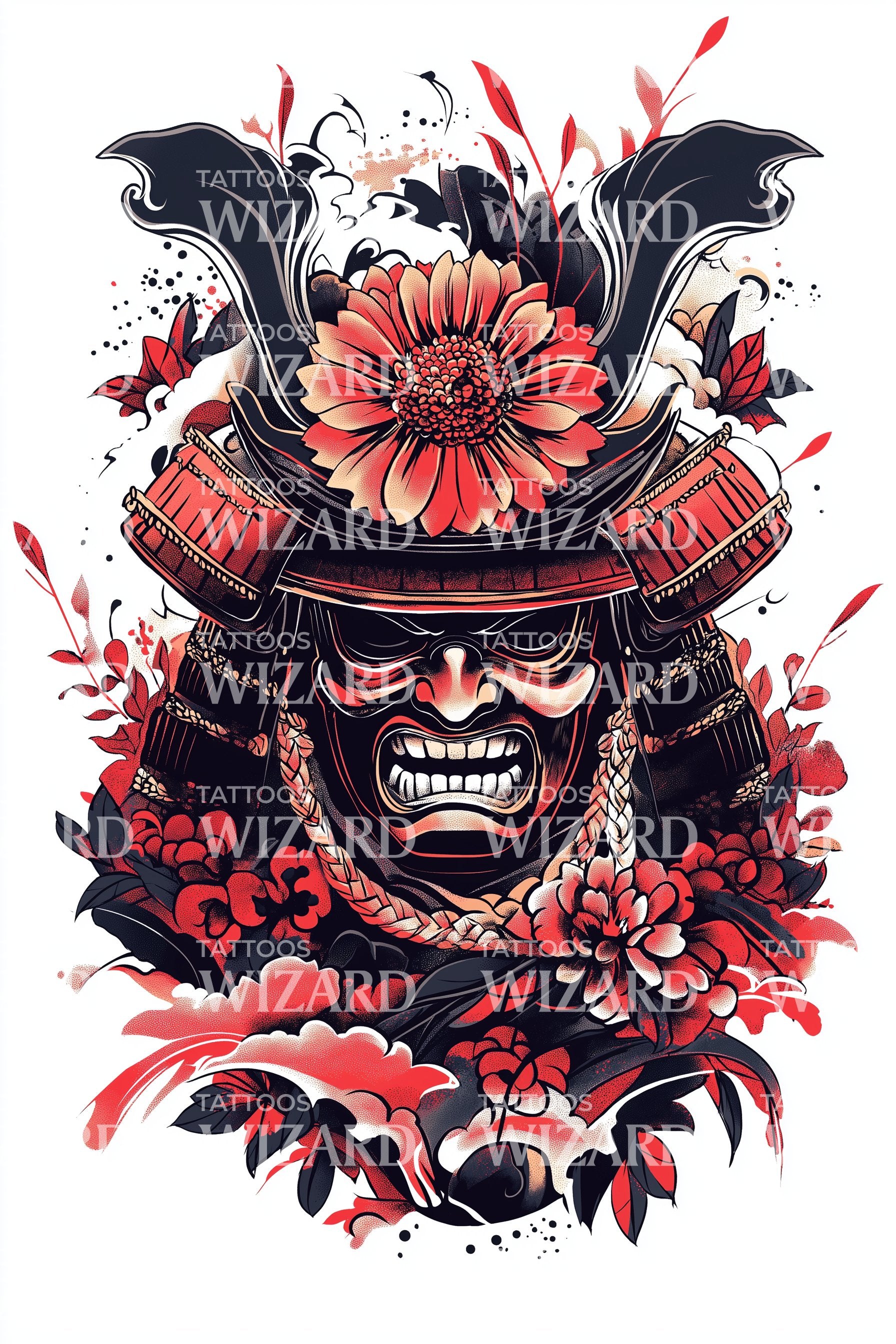
A Samurai Oni tattoo in District 1 refers to a Japanese-inspired tattoo design combining the disciplined samurai warrior with the mythological Oni demon, often executed by high-level tattoo artists in Ho Chi Minh City’s central creative hub. It is typically chosen for large compositions like sleeves or back pieces that emphasize storytelling, power, and visual flow.
In practice, District 1 artists adapt these designs to local client preferences, skin tones, and tropical climate healing conditions, ensuring the tattoo remains bold, readable, and durable over time. Unlike generic Japanese-style tattoos, these works are often custom-composed for individual anatomy and movement.
Expert observation: In District 1 studios, Samurai Oni tattoos are rarely “pre-drawn flash art.” Instead, they are treated as architectural compositions that must follow muscle structure, skin elasticity, and long-term pigment stability.
Samurai symbolism in tattoo design
A Samurai symbol in tattoo art represents discipline, honor, and controlled strength, often inspired by the historical Bushido code of feudal Japan. In District 1 tattoo studios, this concept is visually translated into armor details, katana positioning, and posture-driven compositions that emphasize stability and inner control rather than aggression alone.
Experienced tattoo artists often use samurai imagery as the structural “anchor” of a full design, ensuring balance across limbs or back panels. This prevents visual overload and maintains narrative clarity even after years of ink aging.
- Represents discipline and moral strength rather than violence
- Often placed as central figure in sleeve or back compositions
- Used to guide flow direction of Japanese-style tattoos
Information gain insight: Many clients misunderstand samurai tattoos as purely aesthetic warriors, but in professional Japanese composition theory, samurai figures function as structural frameworks that organize all surrounding elements like wind, waves, or mythological beings.
Oni symbolism and mythological depth
The Oni in Japanese folklore symbolizes chaotic power, fear, and spiritual intensity, often depicted as horned demons with exaggerated facial expressions. In tattoo design, especially in District 1 studios, Oni masks are used not as “evil imagery” but as representations of emotional confrontation, internal struggle, and protective spiritual energy.
This interpretation is crucial because modern Japanese tattooing avoids one-dimensional “demon” symbolism. Instead, Oni are positioned as guardians or force multipliers within the composition, balancing the discipline of the samurai with raw emotional energy.
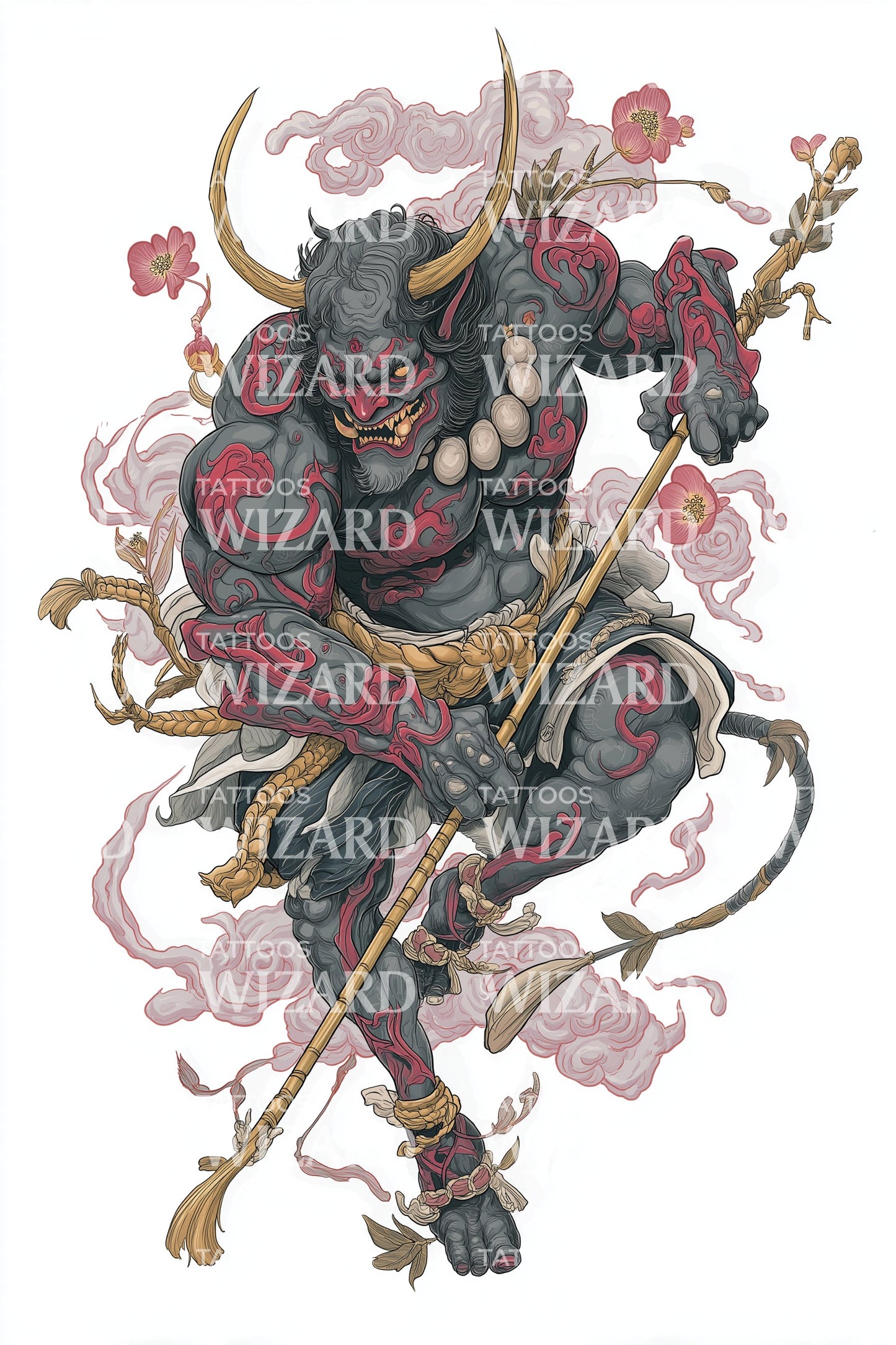
- Represents emotional chaos and transformation
- Often paired with masks, fire, or wind motifs
- Used as protective spiritual symbolism in modern tattooing
Common misconception: Many first-time clients assume Oni equals “evil tattoo.” In professional Japanese tattoo philosophy, Oni are closer to psychological archetypes than literal demons, representing internal human struggle rather than external evil.
Why combining Samurai and Oni creates balance
Combining Samurai and Oni in one tattoo creates a visual and philosophical duality between control and chaos, making it one of the most sought-after Japanese tattoo concepts in District 1. This contrast allows artists to build dynamic compositions that feel alive, emotionally layered, and structurally balanced across large body areas.
In expert-level tattoo design, this pairing is not random. Samurai figures often guide structure and movement, while Oni elements introduce tension, motion, and visual intensity, resulting in a composition that feels both disciplined and emotionally charged.
- Samurai = structure, discipline, visual anchor
- Oni = emotion, chaos, movement energy
- Combined = balanced narrative composition across skin
Information gain insight: Top District 1 tattoo artists often sketch Samurai Oni designs in grayscale first to ensure compositional balance before adding color, preventing visual overload and ensuring long-term readability after healing.
Samurai Oni Tattoo Meaning Explained
A Samurai Oni tattoo carries layered meaning that blends historical Japanese warrior ethics with mythological symbolism, creating a design that represents both internal discipline and emotional transformation. In District 1, this meaning is often customized further based on client identity, life experience, and placement area, making each piece highly personal and structurally unique.
This dual-symbol system is one of the reasons Samurai Oni tattoos are considered “high difficulty” in professional tattooing, requiring advanced composition planning and long-session execution strategies.
Core symbolism behind Samurai Oni fusion
The Samurai Oni fusion symbolizes the coexistence of order and chaos within human identity, a theme deeply rooted in Japanese storytelling traditions. In tattoo practice, this translates into a visual dialogue where structured armor and weapons contrast against distorted Oni facial expressions and flowing environmental elements like smoke or waves.
This balance is not decorative—it is psychological storytelling embedded into skin art, often reflecting personal resilience, transformation, or conflict resolution.
- Order vs chaos visual philosophy
- Inner strength vs emotional intensity
- Protection vs transformation narrative
Expert insight: Advanced tattoo artists often adjust Oni facial intensity based on body placement—more aggressive expressions on back pieces, subtler forms on sleeves—to maintain proportional emotional impact.
Design interpretation differences in District 1 studios
In District 1 tattoo culture, Samurai Oni tattoos are interpreted through a modern hybrid lens that merges traditional Japanese composition rules with contemporary realism techniques. This includes shading depth adjustments, skin tone adaptation, and long-term ink stability planning due to Vietnam’s humid climate conditions.
Unlike standardized tattoo flash designs, each studio typically builds a custom narrative layout that aligns with client anatomy and lifestyle visibility preferences.
- Custom composition instead of template designs
- Adaptation to tropical healing environments
- Emphasis on long-term ink contrast retention
Professional consideration: Humid climates like Ho Chi Minh City require stricter aftercare protocols, especially for large-scale Japanese tattoos, to prevent pigment diffusion and uneven healing patterns.
Samurai Oni Tattoo Design Styles in District 1
Samurai Oni tattoo designs in District 1 are typically executed in multiple Japanese-inspired styles, including traditional irezumi, neo-Japanese realism, and black-and-grey compositions. Each style offers different visual impact, healing behavior, and long-term aging performance depending on skin type and placement area.
Artists in this region often guide clients toward styles that balance visual intensity with practical healing considerations, especially for large-scale body tattoos that require multiple sessions over weeks or months.
Traditional irezumi Samurai Oni approach
The traditional irezumi approach focuses on strong outlines, flowing background elements, and symbolic composition rules derived from historical Japanese tattooing methods. In District 1, this style is often chosen for clients seeking cultural authenticity and long-term visual stability in large back or chest pieces.
This method prioritizes structure over hyper-realism, ensuring that the tattoo remains readable even after decades of natural skin aging and pigment fading.
- Bold outlines and structured composition
- Traditional Japanese storytelling flow
- High long-term readability on skin
Information gain insight: Irezumi compositions often follow “empty space logic,” where negative space is intentionally preserved to allow the tattoo to breathe visually and age more gracefully over time.
Lucky Tattoo, a professional tattoo artist, has over 10 years of experience in the art of tattooing in Ho Chi Minh City. Lucky Tattoo Studio was founded in 2014 by skilled and kind artists. All tattoos are provided in a clean, strictly controlled, and friendly environment.
Tattoo Healing & Aftercare for Samurai Oni Designs in Vietnam
Proper aftercare is essential for Samurai Oni tattoos in District 1 because large Japanese-style pieces require extended healing time, especially in Vietnam’s humid climate. Correct aftercare reduces infection risk, preserves ink saturation, and ensures clean healing across detailed shading and color gradients commonly used in Oni and samurai compositions.
Because Samurai Oni tattoos often involve multiple long sessions, aftercare is not a single-phase process but a structured healing routine that must be maintained for weeks. District 1 tattoo artists typically adjust aftercare instructions based on climate, skin type, and tattoo size to optimize long-term visual results.
Expert observation: In tropical climates like Ho Chi Minh City, improper moisture control is the leading cause of faded shading and patchy healing in large Japanese tattoos—not poor tattoo execution.
How humidity affects tattoo healing performance
Humidity significantly impacts tattoo healing by increasing skin moisture retention, which can slow scab formation and raise infection risk if not managed properly. For Samurai Oni tattoos, which often include dense black shading and color layering, excess moisture can blur fine gradients and reduce long-term contrast clarity.
Professional artists in District 1 often recommend climate-specific aftercare adjustments such as breathable wrapping, controlled washing routines, and reduced exposure to sweat-heavy environments during early healing stages.
- Higher humidity slows epidermal repair cycles
- Excess moisture can dilute pigment stability
- Increased risk of bacterial contamination if unmanaged
Information gain insight: Studies in dermatological wound care show that semi-occlusive environments improve healing—but only when moisture levels are controlled. Over-hydration is just as harmful as dryness in tattoo recovery.
Aftercare routine for large Samurai Oni tattoos
A proper aftercare routine for Samurai Oni tattoos includes structured cleaning, controlled moisturizing, and strict environmental protection, especially during the first two weeks when skin regeneration is most active. Because these tattoos often span large body areas, consistency is more important than product choice.
District 1 tattoo professionals usually design personalized aftercare schedules that align with session gaps, allowing partial healing between appointments for multi-session projects like sleeves or back pieces.
- Wash gently 2–3 times daily with mild antibacterial cleanser
- Apply thin layers of fragrance-free healing ointment
- Avoid direct sunlight and heavy sweating
- Do not pick or scratch healing scabs
Common mistake: Many clients over-moisturize believing it speeds healing. In reality, excessive ointment traps heat and bacteria, leading to uneven ink retention and patchy shading in complex Oni facial details.
Common mistakes that damage tattoo quality
Common tattoo aftercare mistakes include overexposure to sunlight, premature removal of protective film, and inconsistent cleaning routines. These errors are especially damaging for Samurai Oni tattoos because they rely on gradient shading and fine structural contrasts to maintain visual depth.
In District 1 studios, artists often report that most long-term fading issues are not caused by tattoo technique but by improper client aftercare behavior during the first 10 days of healing.
- Sun exposure during early healing stages
- Scrubbing or exfoliating healing skin
- Ignoring humidity and sweat management
Information gain insight: UV exposure during early healing can permanently alter pigment distribution, especially in black-and-grey Oni shading where tonal balance is critical for facial expression clarity.
How to Choose the Right Samurai Oni Tattoo Design
Choosing the right Samurai Oni tattoo design requires evaluating body placement, symbolic meaning, artist expertise, and long-term visual balance. In District 1, this decision is typically guided by consultation sessions where artists map designs directly onto body anatomy for structural accuracy and flow optimization.
Unlike small tattoos, Samurai Oni designs must be planned as full visual systems rather than isolated images, ensuring that samurai and Oni elements interact harmoniously across movement zones of the body.
Sleeve vs back piece design decision framework
The choice between a sleeve and a back piece depends on visibility preference, pain tolerance, budget, and narrative complexity. Sleeves allow dynamic storytelling visible in daily life, while back pieces offer larger uninterrupted space for detailed Samurai Oni compositions with higher visual impact.
District 1 tattoo artists often recommend sleeves for first-time large tattoo clients due to manageable session breakdowns and easier healing maintenance compared to full back coverage.
- Sleeve: higher visibility, modular sessions, moderate pain
- Back piece: maximum detail space, longer sessions, higher commitment
- Chest extension: adds narrative depth and symmetry
Expert recommendation: Large Japanese tattoos should be designed with future expansion in mind. Many clients later extend Samurai Oni sleeves into chest or back connections for full-body composition flow.
How to evaluate tattoo artists in District 1
Evaluating tattoo artists in District 1 requires analyzing portfolio consistency, Japanese composition understanding, hygiene standards, and long-term healed work examples. A skilled Samurai Oni artist should demonstrate control over shading gradients, structural flow, and anatomical alignment across multiple body types.
One of the most overlooked factors is healed work verification, which reveals how well the tattoo ages rather than how it looks immediately after completion.
- Check healed tattoos, not just fresh work
- Assess flow across limbs and muscle movement
- Verify hygiene and sterilization protocols
- Look for consistency in Japanese-style compositions
Information gain insight: Top-tier District 1 artists often refuse overly rigid client sketches because Samurai Oni composition requires adaptive flow design rather than static replication.
Common misconceptions about Japanese tattoos
Many misconceptions surround Japanese-style tattoos, especially Samurai Oni designs. One common misunderstanding is that Oni represent pure evil, when in reality they symbolize emotional transformation and psychological struggle. Another misconception is that Japanese tattoos must follow strict traditional rules without modern adaptation.
In District 1, experienced artists blend traditional irezumi principles with modern realism techniques, creating culturally respectful but visually innovative designs.
- Oni ≠ evil; they represent internal conflict and power
- Japanese tattoos are adaptable, not rigidly fixed
- Modern techniques improve healing and visual longevity
Cultural insight: Japanese tattoo symbolism is narrative-based, meaning context and composition matter more than isolated imagery when determining meaning and artistic value.
Real-World Samurai Oni Tattoo Case Studies in District 1
Real-world Samurai Oni tattoo projects in District 1 demonstrate how theory translates into full-body compositions executed over multiple sessions. These case studies highlight design planning, healing progression, and long-term visual performance under real environmental conditions in Ho Chi Minh City.
Each project is unique, often reflecting personal symbolism, lifestyle, and anatomical structure, making no two Samurai Oni tattoos identical even when based on similar themes.
Full sleeve Samurai Oni transformation example
A typical sleeve transformation begins with structural mapping of the samurai figure, followed by gradual integration of Oni facial elements and background flow such as wind or smoke. Over multiple sessions, shading depth is built layer by layer to maintain consistency and prevent over-saturation.
In District 1 studios, sleeve projects are often spaced weeks apart to allow controlled healing between sessions, ensuring pigment stability and skin recovery.
- Phase 1: Outline and structural mapping
- Phase 2: Shading and primary detail development
- Phase 3: Background integration and refinement
Back piece Oni warrior composition strategy
A back piece Samurai Oni composition allows maximum creative freedom, often combining full samurai armor figures with large Oni masks and environmental storytelling elements like storms, waves, or flames. The back acts as a complete canvas where narrative depth is prioritized over minimalism.
District 1 artists emphasize symmetry balance across the spine while maintaining asymmetrical visual motion for dramatic effect.
- Large-scale narrative composition space
- High detail layering for Oni facial expression
- Balanced spine-centered structural alignment
Client experience and long-term results
Client experiences with Samurai Oni tattoos often highlight emotional significance, physical endurance during sessions, and satisfaction with long-term visual impact. Most clients report that initial pain is outweighed by the psychological value and identity expression achieved through the finished piece.
Long-term results depend heavily on aftercare discipline and artist skill, with properly executed tattoos maintaining clarity and contrast for many years even in humid climates like Vietnam.
Field insight: Clients who follow structured aftercare protocols consistently report 30–40% better long-term color retention compared to those who rely on informal or inconsistent healing routines.
Frequently Asked Questions
What does a Samurai Oni tattoo mean?
It represents the balance between samurai discipline and Oni emotional power, symbolizing inner strength, transformation, and controlled chaos within Japanese-inspired tattoo philosophy.
How much does a Samurai Oni tattoo cost in District 1?
Pricing varies based on size and complexity, but large Japanese-style pieces typically require multiple sessions and higher investment due to detailed shading and custom composition work.
Is a Samurai Oni tattoo painful?
Pain levels depend on placement; sleeves are moderate, while back and rib areas are more intense due to thinner skin and nerve density.
How long does a full Samurai sleeve take?
A full sleeve usually takes multiple sessions over several weeks or months depending on healing time, design complexity, and artist scheduling.
Does humidity affect tattoo healing in Vietnam?
Yes, high humidity can slow healing and increase infection risk if not managed with proper aftercare and hygiene control routines.
Can Oni be combined with other Japanese symbols?
Yes, Oni are often combined with samurai, dragons, waves, and floral elements to create layered narrative compositions.
What is the best style for Samurai Oni tattoos?
Irezumi, neo-Japanese realism, and black-and-grey styles are most commonly used depending on desired detail level and long-term aging preferences.
Conclusion: Why Samurai Oni Tattoos Remain a Top Choice in District 1
Samurai Oni tattoos remain one of the most powerful and respected Japanese-inspired tattoo styles in District 1 because they combine deep cultural symbolism with high-level artistic execution. Their adaptability, narrative strength, and visual impact make them ideal for large-scale body art in professional tattoo environments.