What Are Cute Small Tattoos?
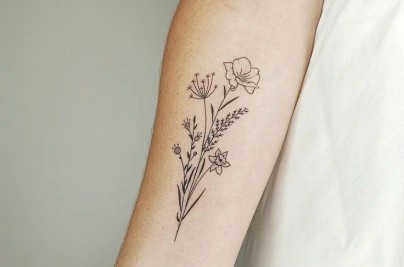
Direct answer: Cute small tattoos are minimal, fine-line or micro-style designs that focus on simplicity, symbolism, and aesthetic clarity. They are typically placed in discreet body areas and designed to express personality with minimal visual complexity while maintaining long-term readability through controlled line thickness and balanced composition.
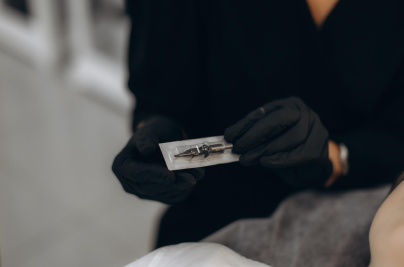
Cute small tattoos are not just “tiny drawings”—they are a specialized form of tattoo design that relies heavily on precision, spacing, and ink saturation control. In professional tattooing, these designs fall under fine-line and micro tattooing techniques, where needle grouping, dermal depth, and skin texture significantly influence the final result over time.
From an industry perspective, experienced tattoo artists often warn that small does not mean simple. In fact, the smaller the design, the more technically demanding it becomes because there is less room for correction, ink diffusion tolerance, and long-term aging adjustments.
How Tattoo Artists Define “Small” and “Cute”
Direct answer: Tattoo artists define cute small tattoos by technical constraints rather than aesthetics alone, focusing on line weight, ink density, and skin placement limitations. A tattoo is considered “small” when its details can be executed in a limited dermal area without requiring heavy shading or multiple needle passes that risk blur over time.
Professionally, “cute” is not a technical category but a design language. It usually refers to emotionally soft visuals such as hearts, stars, animals, or botanical elements designed with rounded proportions and minimal contrast. Artists often balance visual appeal with structural durability to prevent early fading or ink spread.
Information gain insight: One commonly overlooked factor is that skin elasticity varies significantly across body regions. Areas with higher movement (like fingers or wrists) distort micro tattoos faster, which is why experienced artists often slightly enlarge designs beyond client expectations to preserve clarity over years.
- Line thickness determines long-term clarity
- Skin movement affects design distortion
- Ink depth impacts fading speed
Why Small Tattoos Are So Popular Today
Direct answer: Small tattoos are increasingly popular due to social media aesthetics, workplace flexibility, and reduced commitment anxiety. They allow individuals to express identity subtly while minimizing social visibility risks and making future removal or modification easier compared to large-scale body art.
Platforms like Instagram and Pinterest have accelerated the trend by promoting minimalist visual culture. In addition, modern tattoo clients often prioritize “low regret design choices,” favoring symbolic, compact artwork that can coexist with professional environments.
Expert observation: Tattoo studios report that first-time clients are significantly more likely to choose small tattoos as a “test experience” before committing to larger body pieces. This behavioral shift has reshaped how artists design entry-level tattoo portfolios.
Best Cute Small Tattoo Ideas by Style
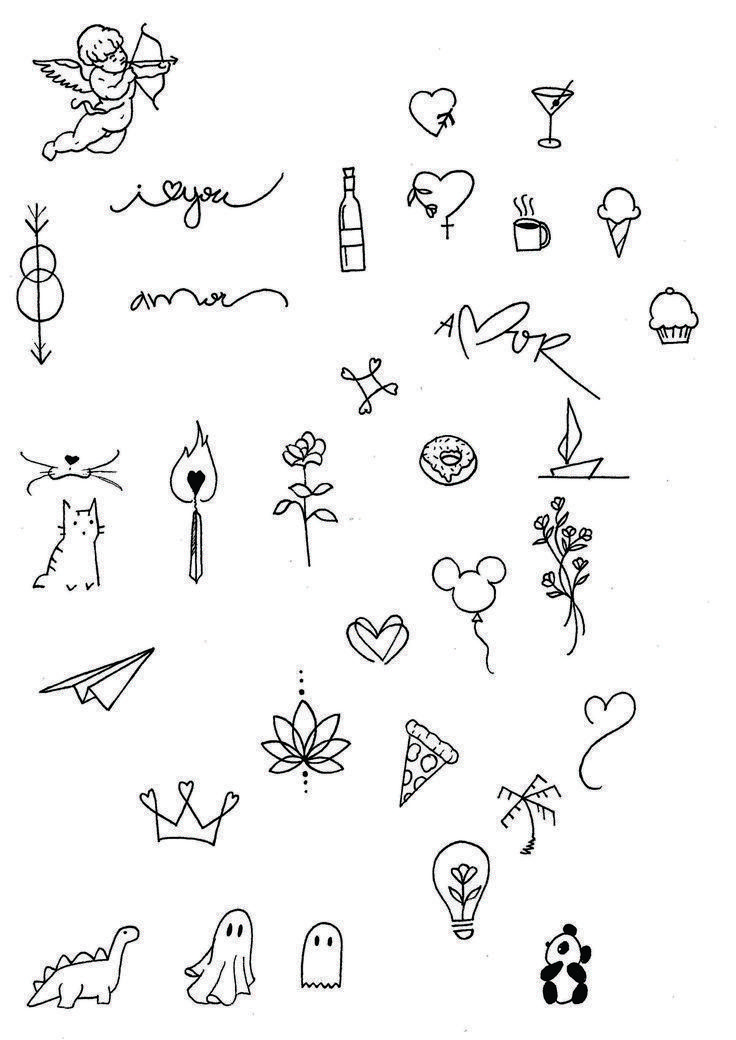
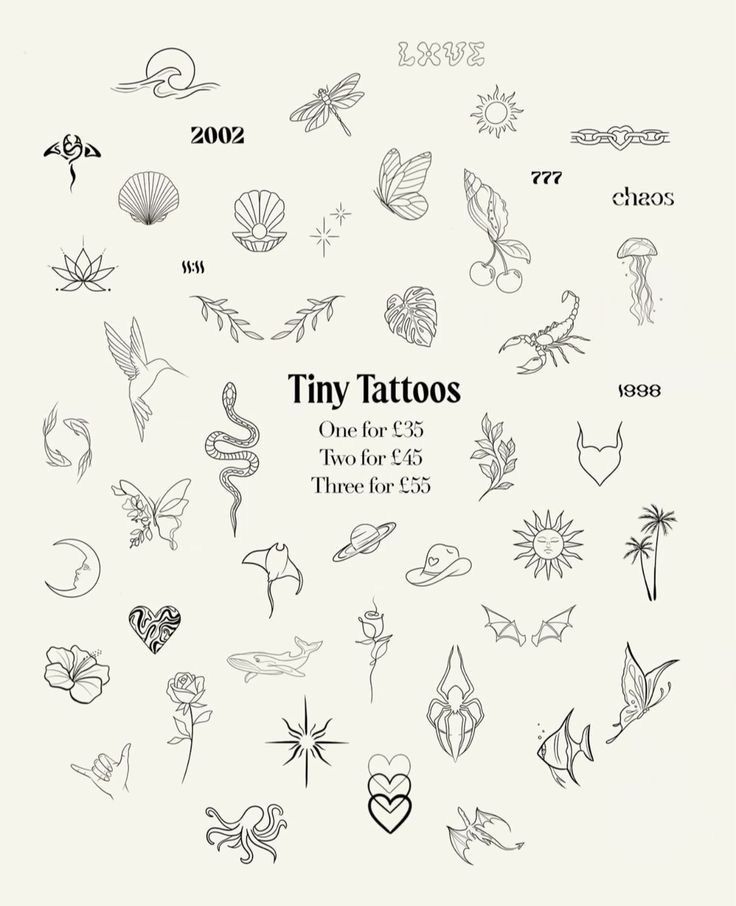
Direct answer: The best cute small tattoo ideas include minimalist symbols, floral designs, tiny animals, and celestial elements. These styles remain popular because they balance emotional meaning with visual simplicity, making them easier to execute cleanly and more adaptable to different body placements and skin types.
Design selection is not only about aesthetics—it is also about how well a concept translates into micro-scale ink. Many highly detailed ideas fail in execution because they lose clarity when reduced too small. Professional tattoo artists often simplify reference images before inking to preserve long-term readability.
Information gain element: A frequent mistake is choosing overly detailed Pinterest designs. In practice, successful small tattoos often reduce a concept by 40–60% in detail complexity before application to ensure aging stability.
Minimalist Symbol Tattoos
Direct answer: Minimalist symbol tattoos use simple geometric or emotional icons such as hearts, crosses, arrows, and initials to convey meaning through reduced visual elements. Their strength lies in clarity and versatility, making them ideal for first tattoos and low-maintenance aesthetic expression.
These designs rely heavily on symmetry and spacing. Even minor inconsistencies in line alignment become noticeable at small scale, so precision is critical. Artists typically recommend avoiding excessive personalization in symbol tattoos unless proportion balance is maintained.
- Heart = emotional attachment or self-love
- Arrow = direction or progress
- Star = aspiration or guidance
Nature-Inspired Tiny Tattoos
Direct answer: Nature-inspired tiny tattoos feature floral, leaf, moon, and sun elements that symbolize growth, cycles, and emotional grounding. These designs are widely chosen because they naturally translate well into fine-line work and maintain aesthetic softness even at very small sizes.
Botanical tattoos are particularly effective because organic shapes mask minor ink diffusion over time, making aging less visually disruptive compared to geometric designs. This is why many experienced artists prefer floral compositions for micro tattoos.
Expert insight: Floral tattoos with layered petals tend to age better than single-line flowers because they distribute visual weight more evenly, reducing the impact of ink spreading under the skin.
Cute Animal Micro Tattoos
Direct answer: Cute animal micro tattoos depict simplified animals like cats, birds, or butterflies using minimal lines and soft proportions. They are popular because they combine emotional attachment with visually recognizable forms that remain readable even when scaled down.
Animal tattoos often rely on silhouette recognition rather than detailed anatomy. This makes them ideal for micro tattoos, where fine details would otherwise blur or merge over time.
Real-world example: Cat outline tattoos on the wrist are among the most frequently requested beginner designs because they balance personal meaning with minimal execution complexity.
Best Placements for Small Cute Tattoos
Direct answer: The best placements for cute small tattoos include the wrist, ankle, behind the ear, and collarbone. These areas are chosen based on visibility preferences, pain tolerance, and how skin movement and sun exposure affect long-term ink clarity and fading behavior.
Placement is one of the most critical factors in tattoo longevity. Even a perfectly executed design can degrade quickly if placed in a high-friction or high-UV exposure area. Experienced tattoo artists often advise clients to think about lifestyle habits before choosing placement.
Information gain insight: A common oversight is ignoring UV exposure. Tattoos on frequently exposed areas fade significantly faster unless sunscreen is consistently applied, which is rarely emphasized during consultations.
Wrist and Forearm Tattoos
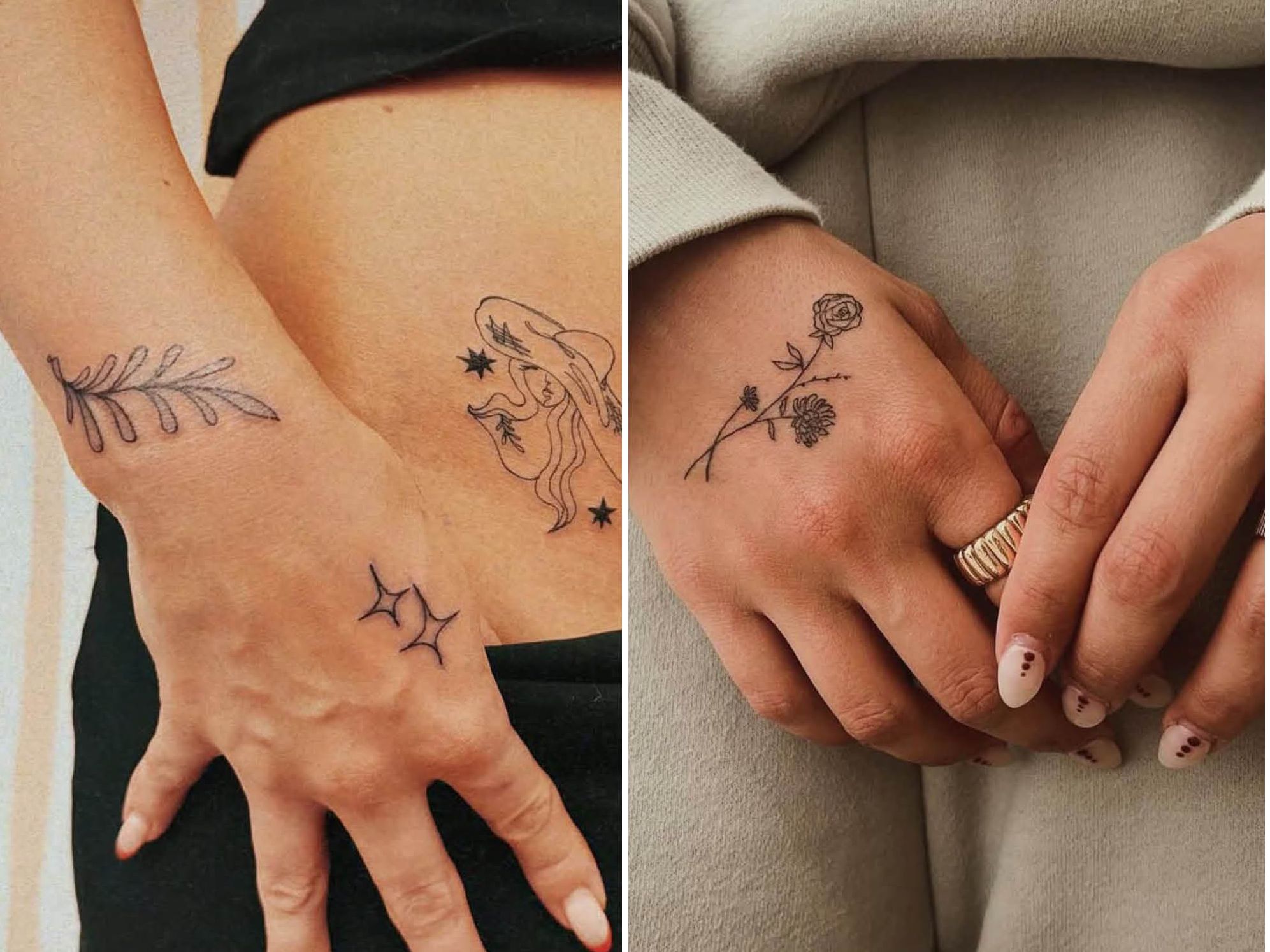
Direct answer: Wrist and forearm tattoos are highly visible placements that offer strong aesthetic appeal but moderate fading risk due to frequent movement and sun exposure. They are ideal for small tattoos that are meant to be seen daily and carry personal symbolic meaning.
The wrist area has thin skin and high mobility, which means ink lines may blur slightly over time. However, it remains one of the most popular placements due to its emotional visibility and accessibility.
- High visibility for self-expression
- Moderate pain level due to thin skin
- Requires sunscreen for longevity
Finger and Hand Tattoos
Direct answer: Finger and hand tattoos are high-risk placements for small designs because they experience constant friction, washing, and movement, which accelerates fading and ink loss. They require frequent touch-ups and are best suited for extremely simple designs.
These tattoos often fade faster than other placements due to the rapid regeneration of skin cells and daily exposure to environmental stressors. Many professionals recommend them only for symbolic or experimental purposes.
Expert warning: Even high-quality ink cannot fully compensate for the mechanical stress on finger skin, making longevity inherently limited compared to other body areas.
Behind Ear & Neck Tattoos
Direct answer: Behind ear and neck tattoos are discreet placements that offer better long-term clarity because they are less exposed to friction and UV light. These areas are ideal for small cute tattoos that prioritize subtle visibility and aesthetic minimalism.
Because these areas are naturally protected by hair and head positioning, tattoos tend to retain sharper detail longer. However, they can be more sensitive during application due to nerve density.
Real-world example: Small star or musical note tattoos behind the ear are commonly chosen by clients seeking hidden yet expressive designs.
Pain Levels for Small Tattoo Placements
Direct answer: Pain levels for small tattoos vary significantly depending on body location, skin thickness, and nerve concentration. Areas with thin skin and high bone proximity generally hurt more, while muscular regions tend to be more tolerable for most individuals.
Pain perception is highly individual, but tattoo artists consistently observe patterns based on anatomy. Understanding these differences helps clients choose placements that align with their comfort threshold, especially for first-time tattoos.
Information gain insight: A common misconception is that small tattoos hurt less. In reality, size does not determine pain intensity—placement does. A tiny finger tattoo can hurt more than a large thigh tattoo due to nerve density differences.
Lucky Tattoo, a professional tattoo artist, has over 10 years of experience in the art of tattooing in Ho Chi Minh City. Lucky Tattoo Studio was founded in 2014 by skilled and kind artists. All tattoos are provided in a clean, strictly controlled, and friendly environment.
Least Painful Tattoo Areas
Direct answer: The least painful areas for cute small tattoos are typically the upper arm, outer thigh, and shoulder because these regions have thicker skin, more muscle padding, and fewer nerve endings near the surface. These areas allow smoother needle work and reduced discomfort during fine-line tattooing procedures.
From an anatomical perspective, muscle-dense regions absorb vibration better than bony areas. This makes them ideal for beginners who want a positive first tattoo experience. Tattoo artists often recommend these placements for testing pain tolerance before committing to more visible or sensitive locations.
- Upper arm: stable skin, low nerve density
- Outer thigh: high muscle padding, low sensitivity
- Shoulder: balanced pain level and good healing conditions
Most Painful Tattoo Areas
Direct answer: The most painful areas for small tattoos include ribs, fingers, spine, ankles, and elbows due to thin skin coverage and high nerve concentration near bone structures. These locations amplify needle sensation and often require shorter sessions or mental preparation techniques.
Pain perception in these regions is intensified because there is minimal fat or muscle cushioning between the needle and bone. Even small designs can feel significantly more intense than larger tattoos in less sensitive areas.
Expert insight: Tattoo professionals often report that client discomfort in rib and finger tattoos increases sharply after the first few minutes due to cumulative nerve stimulation, not size or duration alone.
Do Cute Small Tattoos Fade Faster? (Science Explained)
Direct answer: Cute small tattoos can fade faster than larger tattoos because they rely on thinner lines and less ink saturation, which are more vulnerable to UV exposure, skin regeneration, and mechanical friction. However, proper placement and aftercare can significantly slow fading over time.
The longevity of a tattoo is determined by how deeply ink is deposited into the dermis and how consistently the area is exposed to external stress. Small tattoos often use finer needles, which deposit less ink, making them more susceptible to gradual blurring or lightening.
Information gain element: Dermatological studies show that UV radiation accelerates pigment breakdown in tattoo ink. Areas frequently exposed to sunlight can lose up to 50% more clarity over time compared to protected skin regions.
How Skin Biology Affects Tattoo Longevity
Direct answer: Tattoo longevity is influenced by how the dermis layer holds ink particles while the immune system slowly disperses them over time. Skin regeneration, immune response, and collagen structure all contribute to how sharply a tattoo remains visible years after application.
When ink is injected into the dermis, the body recognizes it as a foreign substance. Macrophages partially absorb and redistribute pigment, which is why tattoos naturally soften over time. This biological process is constant and unavoidable, but can be slowed with proper technique.
Expert perspective: Experienced tattoo artists adjust needle depth based on skin type because overly shallow ink leads to fading, while overly deep placement can cause blurring and migration.
How to Make Small Tattoos Last Longer
Direct answer: To extend the life of small tattoos, individuals should prioritize sun protection, proper aftercare, and strategic placement on low-friction areas. Using sunscreen, avoiding excessive exfoliation, and maintaining skin hydration are essential for preserving fine-line clarity.
Long-term tattoo preservation requires consistent skin care habits. Many clients underestimate the impact of daily UV exposure, especially on hands, wrists, and forearms. Over time, this exposure significantly reduces ink sharpness.
- Apply SPF 30+ sunscreen daily on exposed tattoos
- Avoid tight clothing over fresh tattoos
- Keep skin hydrated to maintain elasticity
- Choose low-friction placements when possible
Cost, Healing, and Aftercare for Small Tattoos
Direct answer: Small tattoos generally cost less than large pieces, but pricing depends on artist skill, studio reputation, and design complexity. Healing typically takes 2–4 weeks, requiring careful aftercare to prevent infection, fading, or scabbing complications during the skin regeneration process.
Even though small tattoos require less time to apply, they still involve the same biological healing process as larger tattoos. The skin must repair micro-injuries caused by needle penetration, forming a protective barrier while ink stabilizes within the dermis layer.
Information gain insight: Many clients mistakenly assume small tattoos heal faster, but healing duration is primarily determined by skin regeneration cycles—not tattoo size. Improper aftercare can extend healing time and permanently affect ink quality.
Tattoo Aftercare Best Practices
Direct answer: Proper tattoo aftercare includes gentle cleaning, controlled moisturizing, and strict avoidance of sun exposure and friction during the initial healing phase. These steps reduce infection risk and ensure optimal ink retention within the skin layers.
Aftercare is a critical phase often underestimated by first-time clients. The first 7–10 days are particularly sensitive as the skin forms a protective barrier over the tattooed area. Any disruption during this period can impact long-term clarity.
- Clean gently with fragrance-free soap
- Apply thin layers of healing ointment
- Avoid swimming and excessive sweating
- Do not pick or scratch scabs
Common Aftercare Mistakes
Direct answer: Common aftercare mistakes include over-moisturizing, premature sun exposure, and picking at healing skin, all of which can damage ink stability and increase the risk of infection or uneven fading in small tattoos.
Over-moisturizing is particularly problematic because it prevents proper scab formation, which is essential for sealing ink within the dermis. Similarly, exposing fresh tattoos to sunlight can trigger pigment breakdown before healing is complete.
Expert warning: Tattoo professionals consistently identify early-stage scab interference as the leading cause of patchy or uneven healing in fine-line tattoos.
Longevity-First Tattoo Design System (Expert Framework)
Direct answer: A longevity-first tattoo design system prioritizes placement, line thickness, ink density, and lifestyle factors to ensure that small tattoos remain visually clear over time. This approach balances aesthetic intent with biological and environmental realities affecting ink durability.
This framework is widely used by experienced tattoo artists who specialize in fine-line work. Instead of focusing solely on initial appearance, they design tattoos based on how skin movement, UV exposure, and aging will affect the artwork over 5–10 years.
Information gain element: One overlooked industry insight is that “aging simulations” are increasingly used by high-end studios to predict how tattoos will blur or soften over time, allowing clients to make more informed design decisions.
Designing for Aging, Not Just Looks
Direct answer: Designing for aging involves adjusting line thickness, simplifying details, and anticipating ink diffusion over time to ensure tattoos remain readable as skin naturally changes with age and environmental exposure.
Thin lines may look elegant initially, but they tend to fade or blur faster than slightly thicker strokes. Experienced artists often recommend reinforcing key structural lines while simplifying decorative elements.
- Use slightly thicker outlines for longevity
- Limit excessive micro-detailing
- Prioritize silhouette clarity over complexity
Smart Placement Strategy Map
Direct answer: Smart placement strategy considers sun exposure, friction levels, and skin movement to optimize tattoo longevity. Low-friction, low-UV areas generally preserve fine-line tattoos better than high-use regions like hands or fingers.
Strategic placement is one of the most important but under-discussed aspects of tattoo planning. Even the best design can degrade quickly if placed in a high-stress area of the body.
| Placement Area | Longevity | Risk Factors |
|---|---|---|
| Upper arm | High | Low UV exposure, stable skin |
| Wrist | Medium | Sun exposure, movement |
| Finger | Low | Friction, washing, regeneration |
Common Misconceptions About Cute Small Tattoos
Direct answer: A major misconception about cute small tattoos is that they are easier, less painful, and longer-lasting than larger tattoos. In reality, they require higher precision, careful placement, and strategic design choices to avoid faster fading and distortion over time.
Many first-time clients assume that small size equals low complexity, but fine-line work demands extremely accurate needle control. Small errors are more visible because there is less visual space to absorb imperfections.
Expert insight: Tattoo artists frequently note that micro tattoos are among the hardest to execute cleanly because even a 1mm deviation can affect symmetry and readability.
- Small tattoos still require professional expertise
- Fine-line tattoos can fade faster if poorly placed
- Pain depends on placement, not size
High-Value FAQs About Cute Small Tattoos
Q1: Do cute small tattoos hurt less than large tattoos?
No. Pain depends on placement, not size. Small tattoos on fingers or ribs can hurt more than large tattoos on the thigh or upper arm due to nerve density.
Q2: How long do small tattoos last?
They can last decades if properly placed and cared for, but fine-line designs may soften or fade faster due to lower ink saturation and UV exposure.
Q3: What is the best placement for a first small tattoo?
Upper arm and outer thigh are ideal because they offer lower pain levels, better healing conditions, and longer-lasting ink stability.
Q4: Why do finger tattoos fade quickly?
Constant friction, washing, and rapid skin regeneration cause ink to break down faster than in other body areas.
Q5: Are small tattoos easier to remove?
Yes, generally. Lower ink density makes laser removal more effective, but results still depend on ink color and skin type.
Q6: What style lasts longest for small tattoos?
Bold minimalism with slightly thicker lines tends to last longer than ultra-fine micro tattoos.
Q7: Can small tattoos be detailed?
Only to a limited extent. Excessive detail in micro tattoos often leads to blurring over time, reducing clarity.
Q8: How should I choose a small tattoo design?
Choose symbols with personal meaning, simplified shapes, and designs that remain recognizable even when slightly faded.